Complete Guide to Kanja Shrine (Nagano Prefecture): History, Benefits, and Access
What is Kanja Shrine?
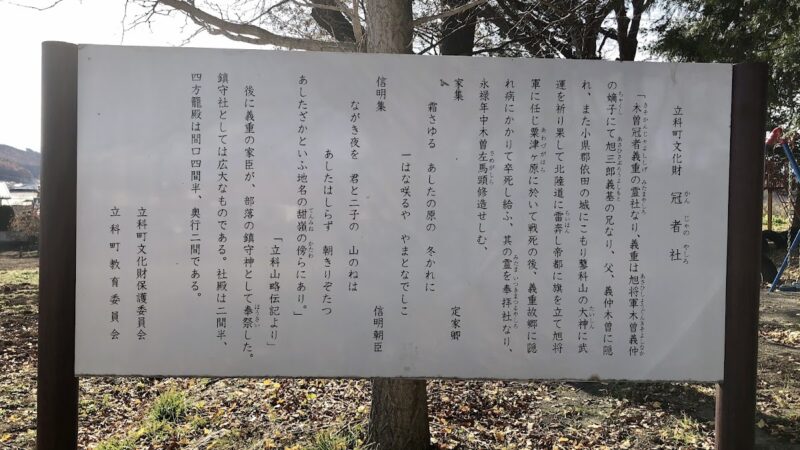
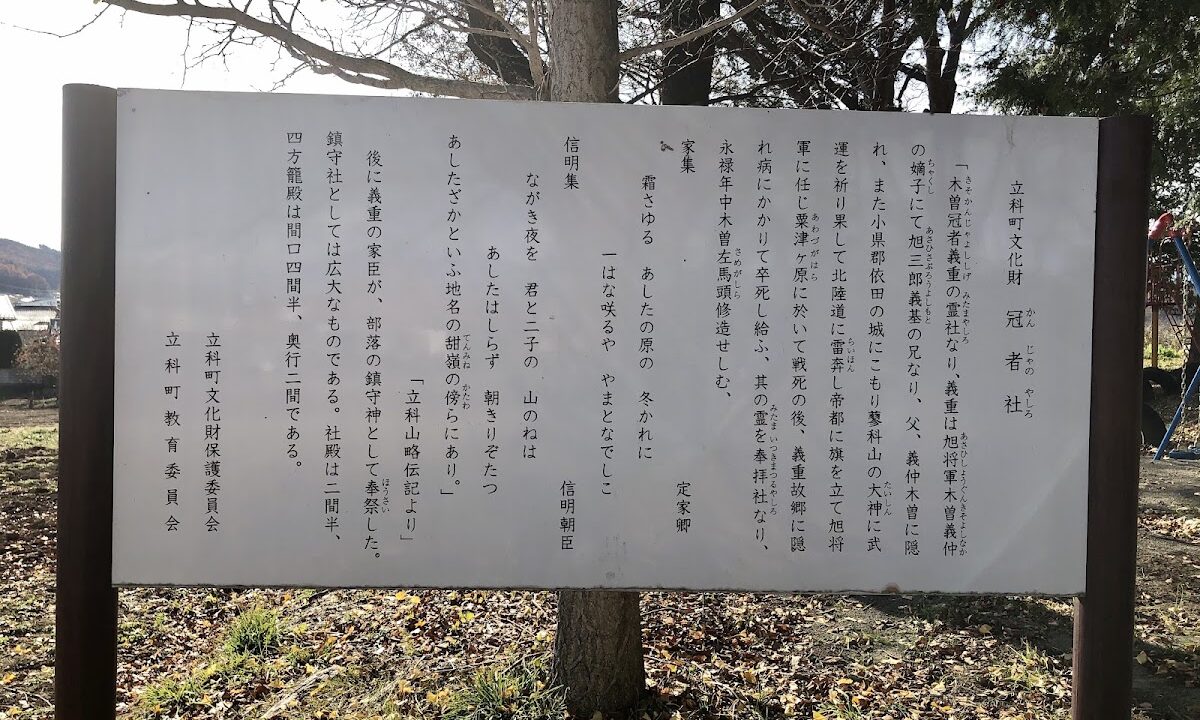
Kaja Shrine (or Kanja-sha) is the name of a Shinto shrine located in Nagano Prefecture. The name “Kaja” originates from the term used in ancient coming-of-age ceremonies (Genpuku), referring to young men who had reached adulthood. Several Kanja shrines exist within Nagano Prefecture, each deeply connected to local history and beliefs.
Shrines bearing the name Kanja are often associated with Suwa faith or local tutelary deity worship, and have a history of being carefully preserved by local residents. This article will provide a detailed explanation of the historical background, characteristics of their beliefs, and information on visiting Kanja shrines in Nagano Prefecture.
Historical Background of Kanja Shrine
Meaning and Origin of Kanja
The word “Kaja” was used from the Heian period to the Kamakura period, referring to young samurai and noble men who had completed their coming-of-age ceremony. The coming-of-age ceremony (genpuku) was a rite of passage equivalent to a modern-day coming-of-age ceremony, and the Kanja were recognized as fully-fledged members of society.
There are several theories regarding the origin of the name “Kanja” in the shrine’s name. One theory is that it was a place where ceremonies celebrating the coming of age of young samurai and parishioners were held. Another theory is that it was dedicated to a specific young samurai or historical figure.
Connection to Suwa Faith
Nagano Prefecture is a region where Suwa faith, centered around Suwa Grand Shrine, is thriving. Suwa faith has unique forms of rituals, such as the “Onto Matsuri” and “Onbashira Matsuri,” in which young people have played an important role. It is believed that some Kanja shrines were influenced by this Suwa faith.
In the rituals of Suwa Grand Shrine, young people who served as “divine messengers” or “divine officials” were treated as special beings. Kanja shrines may have originated from the activities of these young people and from a culture that considered the coming-of-age rite of passage to be sacred.
Role as a Local Guardian Deity
Many Kanja shrines have functioned as guardian deities associated with small local settlements or specific clans. A guardian deity is a god that protects a particular region or kinship group, and many exist throughout Japan.
In the mountainous regions of Nagano Prefecture, small shrines are scattered throughout each settlement, and Kanja shrines are one such example, serving as a spiritual pillar for local communities. Various festivals are held throughout the year, such as the spring harvest festival and the autumn grand festival, providing a place to deepen the bonds among local residents.
Deities and Benefits of Kanja Shrines
Main Deities
The deities enshrined at Kanja shrines vary depending on the shrine’s history and region, but generally, the following gods are worshipped:
Takeminakata-no-kami
The principal deity of Suwa Grand Shrine, known as the god of martial prowess and pioneering. This deity is worshipped at many shrines in Nagano Prefecture, and some Kanja shrines also have this deity as their principal deity.
Yasakatome-no-kami
She is the consort of Takeminakata-no-kami and an important goddess in Suwa faith. She is believed to grant blessings for family safety and matchmaking.
Local Pioneers and Heroes
Sometimes, the shrine enshrines ancestors who pioneered the region or historical figures who contributed to the area.
Expected Blessings
By visiting Kanja Shrine, the following blessings are expected:
Protection of Growth and Coming of Age
As the name Kanja suggests, it is a place of worship where people pray for the healthy growth of children and their safe transition to adulthood. Many families visit during Shichi-Go-San (a traditional Japanese rite of passage for children) and Coming-of-Age ceremonies.
Long-lasting Military Fortune and Success in Competitions
Due to its history as a place to celebrate the coming of age of samurai, some visitors pray for success in competitions and contests. Many people visit at important life milestones such as entrance exams and job hunting.
Regional Peace and Abundant Harvest
Due to its character as a local guardian deity, the belief in praying for peace and prosperity throughout the region and for a bountiful harvest remains strong.
Family Safety and Protection from Misfortune
As a guardian deity of the region, it is common to visit the shrine to pray for the health and safety of family members and protection from disaster.
Characteristics of Kanja Shrine Architecture and Grounds
Style of Shrine Architecture
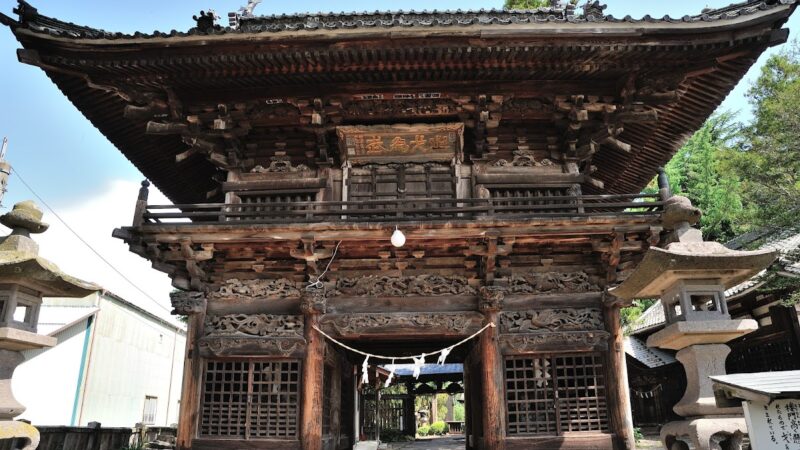
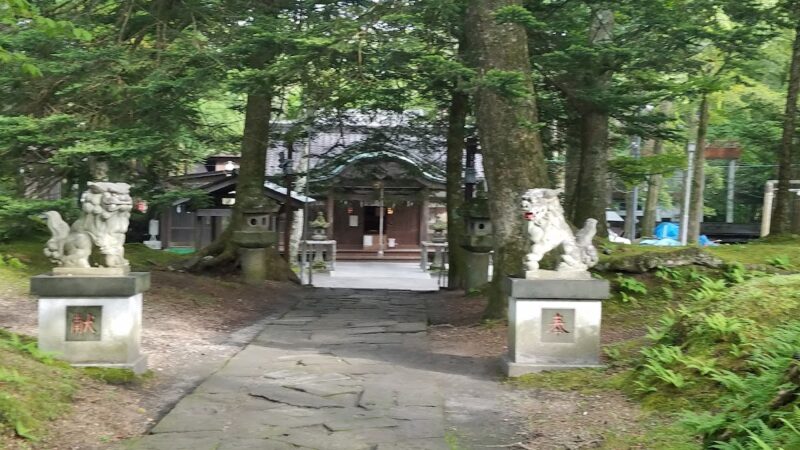
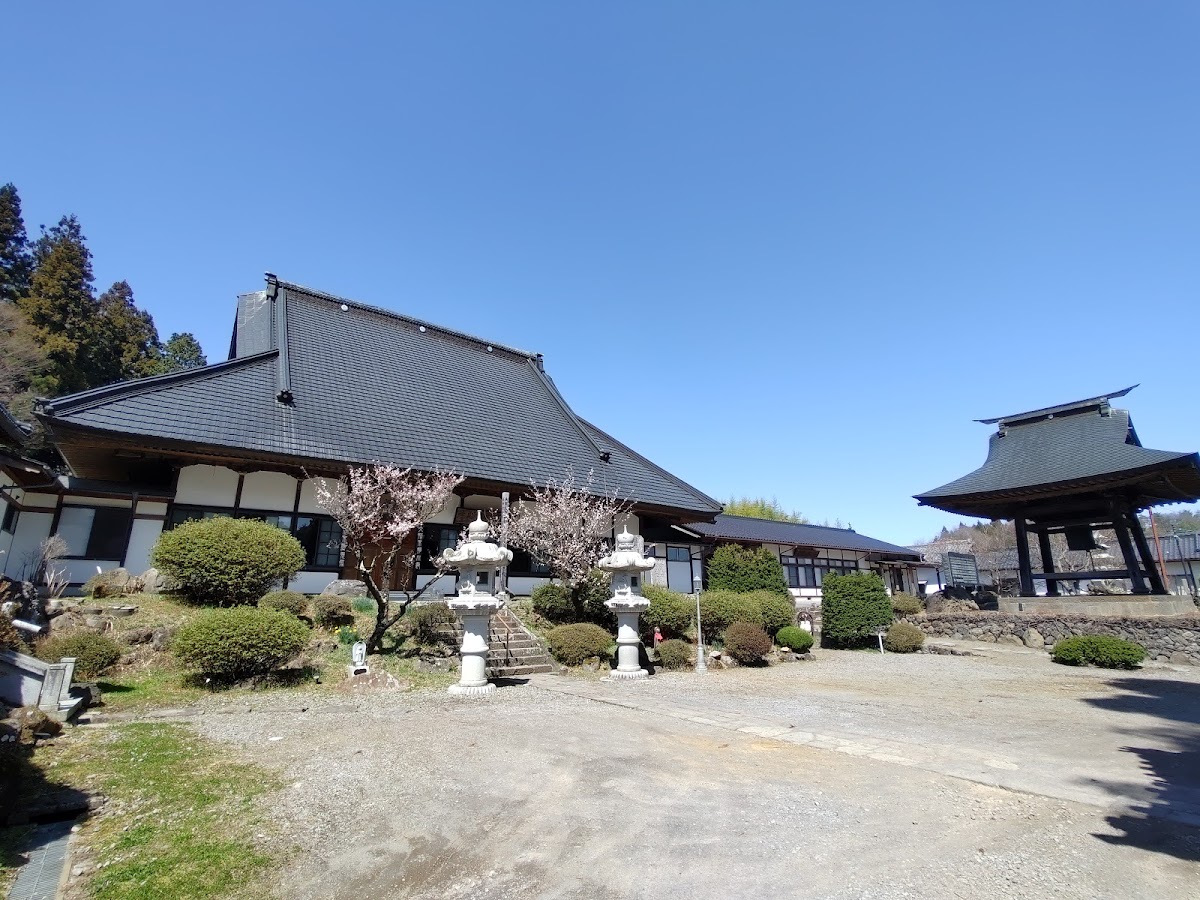
Many Kanja shrines in Nagano Prefecture are small shrines. The architectural style is unique, reflecting the local climate and culture.
Main Hall
In most cases, a relatively simple main hall structure, such as the Ikkensha Nagare-zukuri or Kasuga-zukuri, is adopted. Many are wooden buildings that exude a sense of dignified character due to their age.
Worship Hall
The worship hall, where worshippers offer prayers, is generally built slightly larger than the main hall. It has an open design and sometimes also functions as a community gathering place. Torii Gate
Torii gates, which mark the entrance to shrines, are often made of stone or wood. Some older ones, dating back to the Edo period, remain and possess historical value.
Highlights of the Shrine Grounds
Sacred Trees
Large trees such as cedar and zelkova, over several hundred years old, are carefully preserved as sacred trees. These trees are witnesses to the history of the shrine and exude a sacred atmosphere.
Stone Monuments and Memorials
Within the shrine grounds, you may find stone monuments recording the history of the shrine or monuments commemorating historical events in the region. Reading these allows you to learn about the history of the land.
Water Basin
A water basin is provided for purifying the body and mind before worship. Some utilize spring water, ensuring a constant flow of pure water.
Shrine Precinct Shrines
Small shrines dedicated to deities other than the main deity may be located within the grounds. Inari shrines and Tenjin shrines are common.
How to Worship and Manners at Kanja Shrine
Basic Worship Etiquette
There are manners and customs to observe when visiting a shrine. When visiting Kanja Shrine, please follow the steps below.
1. Bowing at the Torii Gate
Before passing through the torii gate, which marks the entrance to the shrine, stop and bow slightly. This shows respect for entering the sacred area.
2. How to Walk Along the Path
The center of the path is called the “seichu” and is considered the path of the gods. It is polite for worshippers to walk to either the left or right side.
3. How to Wash Your Hands
Purify your body and mind at the water basin. Take the ladle with your right hand and wash your left hand, then switch the ladle to your left hand and wash your right hand. Switch the ladle back to your right hand, receive water in your left hand, and rinse your mouth. Finally, hold the ladle upright, let the water flow down the handle, and return it to its original position.
4. Worship at the Main Hall
Approach the main hall and quietly place your offering. If there is a bell, ring it. Then, worship using the “two bows, two claps, one bow” method. Bow deeply twice, clap twice, and finally bow deeply once.
5. Bowing Upon Departure
When leaving the torii gate after finishing your worship, turn around and bow towards the shrine.
Attire and Items to Bring When Visiting a Shrine
Attire
No special formal attire is required, but please dress cleanly and modestly. It is advisable to avoid extremely revealing clothing and overly casual footwear such as sandals.
Items to Bring
- Offering money (5-yen or 50-yen coins, or other auspicious coins)
- Handkerchief or towel (for use after washing hands)
- Camera (if photography is permitted)
Types of Prayers
Kanja Shrine may accept various types of prayers:
- First Shrine Visit (Omiyamairi)
- Shichi-Go-San (7-5-3 Festival)
- Coming-of-Age Ceremony
- Exorcism Prayer
- Family Safety Prayer
- Traffic Safety Prayer
If you wish to have a formal prayer, it is recommended to contact the shrine in advance and make a reservation.
Annual Events and Festivals of Kanja Shrine
Main Annual Events
Kanja Shrine holds various festivals throughout the year. While the timing and content vary by region, here are some general events.
New Year’s Day Festival (January 1st)
This festival welcomes the new year and prays for peace and prosperity throughout the year. Many worshippers visit for their first shrine visit of the year.
Kinensai (February or March)
This festival, held with the arrival of spring, is a prayer for a bountiful harvest throughout the year. It is also known as the “Toshigoi Festival.”
Reitaisai (Autumn)
This is the most important festival for the shrine, and is often held during the autumn harvest season. It may include a procession of portable shrines and devotional performances.
Niinamesai (November 23rd)
This festival expresses gratitude for the harvest and offers the new grain to the gods. It is held on the same day as Labor Thanksgiving Day.
Oharai (June 30th and December 31st)
This is a Shinto ritual to purify oneself of sins and impurities accumulated over the past six months. The Oharai at the end of the year is particularly important for welcoming the new year with a pure heart.
Regional Festivals
Some Kanja shrines preserve festivals and events unique to their respective regions.
Shinto Rituals Performed by Youth Groups
Befitting the name “Kanja” (meaning “young master”), some shrines still maintain Shinto rituals performed primarily by local young people. This is thought to be a remnant of ancient coming-of-age ceremonies.
Dedication of Lion Dances and Kagura (Shinto music and dance)
Traditional performing arts such as lion dances and Kagura are popular in Nagano Prefecture. These performances are sometimes dedicated at Kanja shrine festivals.
Dondo-yaki (Sagicho)
This is a ceremony where New Year’s pine decorations and Shimenawa (sacred ropes) are burned, and is often held in mid-January. It is a traditional event cherished by local residents as a prayer for good health and protection from illness.
Access to Kanja Shrines and Surrounding Information
General Access Methods
Many Kanja shrines in Nagano Prefecture are located in mountainous areas or within villages, so access methods vary greatly depending on the shrine.
Access by Car
This is the most convenient access method. Set your destination on a car navigation system or smartphone map app and follow the directions. However, roads to shrines in mountainous areas can be narrow, so caution is necessary when driving.
Parking varies depending on the shrine. Some have dedicated parking lots, while others require parking on the roadside. Temporary parking may be provided during festivals.
Access by Public Transportation
You will need to take a bus or taxi from the nearest train station. However, many areas have infrequent bus service, so it’s important to check the timetable in advance.
Access on Foot
If the shrine is located within the living area of local residents, you can access it on foot from the nearest settlement. Walking through the rich natural environment can help calm your mind before praying.
Points to Note When Visiting
Seasonal Precautions
- Winter: Nagano Prefecture is a region with heavy snowfall. When visiting in winter, warm clothing and non-slip shoes are essential. Be careful of icy roads.
- Summer: Even in mountainous areas, summers can be hot. Bring a hat and drinks to prevent heatstroke.
- Rainy Season: Don’t forget your rain gear. Because the weather in mountainous areas can change quickly, it’s a good idea to carry something with you even on sunny days.
Insect Repellent
Shrines in natural environments may have insects such as mosquitoes and horseflies. Bringing insect repellent spray is recommended.
Cell Phone Reception
Cell phone reception may be poor in mountainous areas. Check a map beforehand to avoid getting lost.
Nearby Tourist Attractions
Visiting nearby tourist attractions in addition to Kanja Shrine will make your trip more fulfilling.
Suwa Grand Shrine
A representative shrine of Nagano Prefecture, consisting of four shrines: Kamisha Honmiya, Kamisha Maemiya, Shimosha Akimiya, and Shimosha Harumiya. As the head shrine of Suwa faith, it attracts many worshippers from all over Japan.
Hot Springs
Nagano Prefecture has many hot spring resorts. Relaxing in a hot spring after visiting the shrine is highly recommended. There are plenty of options, including Kamisuwa Onsen, Shirahone Onsen, and Nozawa Onsen around Lake Suwa.
Natural Scenery
Nagano Prefecture, surrounded by majestic mountains such as the Yatsugatake, Northern Alps, and Central Alps, offers beautiful natural scenery throughout the seasons.
Historical Buildings
Nagano Prefecture boasts numerous historically significant buildings, including Zenkoji Temple and Matsumoto Castle.
Significance of Visiting Kanja Shrine
Preservation of Local Culture
Small shrines like Kanja Shrine are valuable resources that convey the history and culture of the region to the present day. Visiting and praying at these shrines contributes to supporting the preservation of local culture.
In areas experiencing depopulation, maintaining shrines can be a challenge. Visits from worshippers encourage local people and provide the strength to continue protecting the shrines.
Peace of Mind and Self-Reflection
Visiting Kanja Shrine, nestled in a quiet mountain area, offers a good opportunity to escape the hustle and bustle of everyday life and find peace of mind. Praying in this sacred space can provide an opportunity to confront oneself and reflect on one’s life.
Recalling the meaning of adulthood and growth implied by the name “Kanja,” you can take time to reflect on your own growth and life’s milestones.
Understanding Japanese Religious Culture
Through shrine visits, you can experience firsthand Japan’s ancient nature worship, ancestor worship, and tutelary deity worship. This is a learning experience that cannot be obtained from books or the internet.
Especially for younger generations, experiencing traditional worship etiquette and rituals will be a valuable opportunity to deepen their understanding of Japanese culture.
Preservation and Future of Kanja Shrines
Modern Challenges
Many Kanja shrines in Nagano Prefecture face various challenges in modern society.
Decreased Number of Parishioners
Due to depopulation and the aging population, the number of parishioners supporting the shrines is decreasing. This makes it difficult to perform rituals and maintain the shrines in some cases.
Deterioration of Buildings
In shrines with a long history, buildings such as shrine buildings and torii gates are deteriorating. Restoration requires significant funds, but securing these funds is often difficult.
Preservation of Traditional Events
The number of young people inheriting traditional events such as festivals and Kagura (sacred dances) is decreasing, posing a risk of losing valuable cultural heritage.
Efforts for Preservation
Various initiatives are being undertaken to address these challenges.
Community Collaboration
Attempts are being made to rebuild community ties centered around shrines. Festivals are being positioned as places for community interaction, fostering intergenerational bonds.
Utilization as a Tourism Resource
Efforts are being made to utilize the historical value and natural environment of shrines as tourism resources to attract visitors from outside the area. Information dissemination is also being conducted, leveraging trends such as the popularity of collecting Goshuin (shrine stamps).
Cultural Property Designation
Shrines and festivals with high historical and cultural value may be designated as cultural properties by municipalities or prefectures, allowing them to receive support for preservation.
Volunteer Acceptance
Initiatives are expanding to accept volunteers from urban areas to assist with cleaning activities and festival preparations.
What We Can Do
There are things each of us can do to protect local shrines, including Kanja Shrine.
Visiting the Shrine
This is the most basic thing, but it is important to actually visit the shrine and offer prayers. Offering a monetary donation also helps in the maintenance and management of the shrine.
Sharing Information
By sharing the charm of the shrine through social media and blogs, you can let more people know about it.
Participating in Festivals
If possible, participating in shrine festivals and interacting with local people helps support the preservation of traditional culture.
Donations and Offerings
Donating or offering money for the restoration of the shrine or for festivals is another way to help.
Summary
Kanja Shrine is a valuable place that conveys the history of local culture and faith in Nagano Prefecture. The meaning of adulthood and growth embodied in the name “Kanja” is a universal theme for us living in modern times.
Visiting Kanja Shrine, though small, which has been carefully preserved by the local people, is a valuable opportunity to experience traditional Japanese culture and find peace of mind. Furthermore, visiting these shrines also contributes to supporting local shrines facing depopulation and an aging population.
When visiting Nagano Prefecture, why not visit not only the famous tourist spots but also these small, locally rooted shrines? There, you’ll find a glimpse of authentic Japan that you won’t find in guidebooks.
Through a visit to Kanja Shrine, you can reflect on your own growth and gain the strength to take a new step forward. The time spent praying wholeheartedly at this quiet mountain shrine will surely be an invaluable experience.