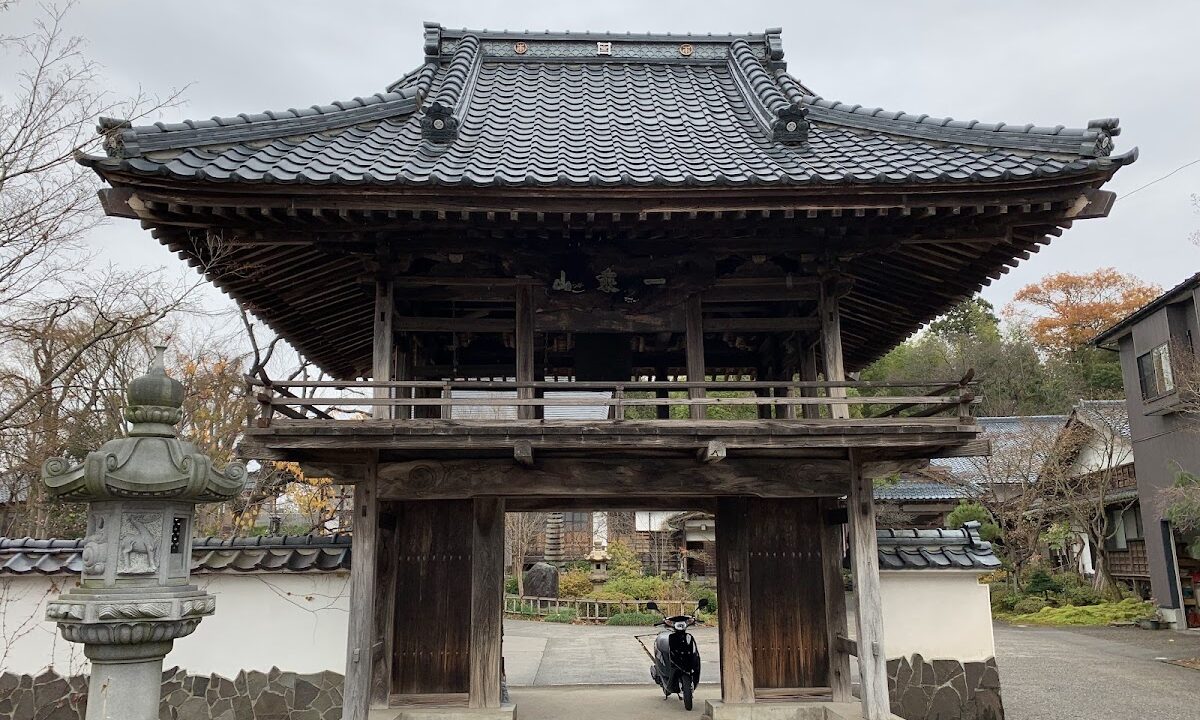
Myohonji Temple (Akiha Ward, Niigata City, Niigata Prefecture) Complete Guide | History, Access, and Visiting Information
Located in Taya, Akiha Ward, Niigata City, Myohonji Temple is a Nichiren Buddhist temple with a history of approximately 500 years. Nestled in a quiet residential area of the Niitsu district, this temple is cherished by the local community and continues to pass on the teachings of Nichiren Buddhism. This article provides detailed information useful for those considering visiting Myohonji Temple or searching for a burial plot, including its history, principal image, access methods, and surrounding area.
Basic Information about Myohonji Temple
Location and Contact Information
Myohonji Temple is located at 1-4-9 Taya, Akiha Ward, Niigata City, Niigata Prefecture. The postal code is 956-0836. It is easily accessible from Niitsu Station and functions as a center of local faith.
Sect and Temple Rank
Myohonji Temple belongs to the Nichiren sect. Nichiren Buddhism is a Buddhist sect founded by Nichiren Shonin during the Kamakura period, characterized by its faith centered on chanting the mantra “Namu Myoho Renge Kyo.” There are 28 temples named “Myohonji” throughout Japan, making it a common temple name within the Nichiren sect.
History and Origins of Myohonji Temple
History of its Founding
Myohonji Temple was founded approximately 500 years ago, during the late Muromachi period. This period coincided with the beginning of the Sengoku period (Warring States period), a time when powerful daimyo such as the Uesugi clan rose to prominence in the Echigo region. In the Niitsu region at that time, Buddhist faith played an important role as a source of spiritual support for the people.
The background to the founding of Myohonji Temple lies in the Nichiren sect’s missionary activities in the Hokuriku and Echigo regions. After its establishment in the Kamakura period, Nichiren Buddhism spread throughout Japan, particularly gaining followers among influential local figures and merchants. It is believed that Myohonji Temple was founded in the Niitsu region amidst this spread of faith. ### Connection with the Community
Throughout its long 500-year history, Myohonji Temple has been deeply intertwined with the religious lives of the people of Niitsu. During the Edo period, it functioned as the family temple for local residents under the danka system (parishioner system), and even after the wave of modernization following the Meiji Restoration, it has continued to play a vital role as a spiritual pillar for the local community.
Even today, Myohonji Temple remains an important place for residents around Taya in Akiha Ward, where they perform ancestral rites and annual events.
Characteristics of the Principal Image and Faith
About the One Pagoda, Two Deities, and Four Priests
The principal image of Myohonji Temple is the “One Pagoda, Two Deities, and Four Priests,” a manifestation of the mandala written by Nichiren Shonin. This is a unique form of principal image found in Nichiren Buddhist temples, visually representing the teachings of the Lotus Sutra.
At the center are the characters (title) “Namu Myoho Renge Kyo,” flanked by statues of Shakyamuni Buddha and Many Treasures Buddha. Furthermore, the Four Bodhisattvas (Jogyo Bodhisattva, Muhengyo Bodhisattva, Jogyo Bodhisattva, and Anryugyo Bodhisattva) are positioned, representing a scene described in the “Chapter on the Appearance of the Treasure Tower” of the Lotus Sutra.
Meaning of Namu Myoho Renge Kyo
The title “Namu Myoho Renge Kyo,” fundamental to the Nichiren sect, signifies devotion to the Lotus Sutra. “Namu” originates from the Sanskrit word “namas,” meaning “to take refuge” or “to believe.” “Myoho Renge Kyo” is the formal name of the Lotus Sutra, and it is believed that chanting this title brings one closer to Buddhahood.
At Myohonji Temple, the faith centered on this mantra is still practiced, and visitors can quietly chant the mantra in the main hall.
Access and Transportation Information
Access by Train
To access Myohonji Temple by train, the nearest station is Niitsu Station on the JR Shin’etsu Main Line. It’s approximately a 14-minute walk (about 1.2 km) from Niitsu Station to Myohonji Temple. After leaving the station, head northeast, passing through the residential area of the Taya district to reach the temple.
It’s also approximately 1.0 km from Ogikawa Station on the JR Shin’etsu Main Line, and about a 22-minute walk (about 1.7 km) from Higashi-Niitsu Station. If coming from Niigata Station, it takes about 20 minutes to Niitsu Station on the Shin’etsu Main Line.
Access by Car
If traveling by car, it’s about a 10-minute drive from the Niitsu Interchange on the Ban’etsu Expressway. The route using National Route 49 or prefectural roads towards Taya is convenient.
Regarding parking, you can contact the temple directly or utilize nearby parking services. Recently, reservation-based parking services are also available, so if you need to park for an extended period for a memorial service or visit, it’s advisable to check in advance.
Surrounding Transportation Environment
Myohonji Temple is located in Akiha Ward, Tanaka, a residential area close to the center of Niitsu city. The surrounding area has well-maintained roads, making it easily accessible on foot or by bicycle. If using public transportation, there are bus routes from Niitsu Station, so you can also consider walking from the bus stop.
Manners and Etiquette for Visiting a Temple
How to Visit a Nichiren Buddhist Temple
When visiting Myohonji Temple, a Nichiren Buddhist temple, it’s good to be aware of the specific etiquette of Nichiren Buddhism in addition to the basic manners of Buddhist temples.
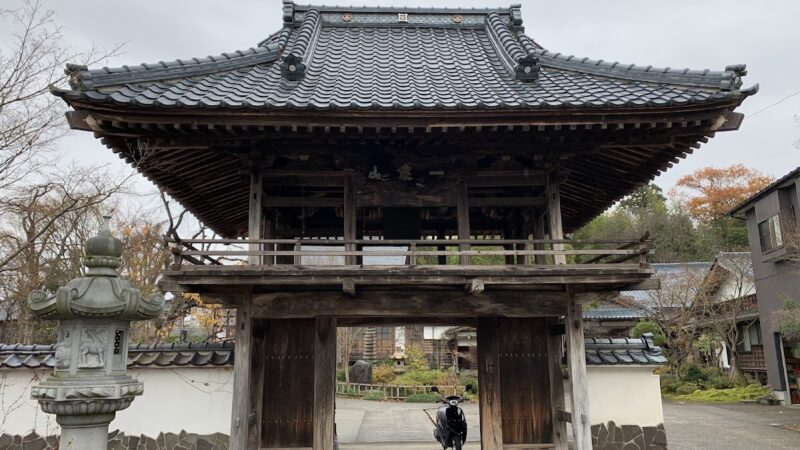
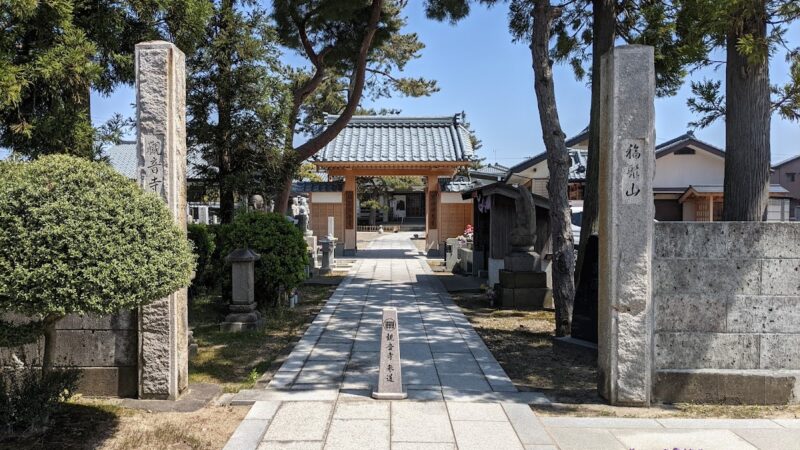
First, bow when passing through the temple gate. If there is a water basin before entering the main hall, purify your hands and mouth. In the main hall, join your hands in prayer facing the principal image and silently or quietly recite “Namu Myoho Renge Kyo.” In the Nichiren sect, there are distinctive ways of holding prayer beads. When using Nichiren sect prayer beads with three or four tassels, the formal procedure is to place them on the middle fingers of both hands and then join your hands in prayer.
Attire and Items for Visiting a Temple
For regular visits, no special attire is required, but clean and subdued clothing is desirable. For memorial services or visits to graves, choose clothing in subdued colors such as black or navy.
Items to bring include prayer beads, offering money, and, if necessary, incense and other offerings. In summer, remember to bring sun protection and drinks; in winter, bring warm clothing.
Cemetery and Burial Information
About Myohonji Temple’s Cemetery
Myohonji Temple manages a cemetery for its parishioners. For those seeking a grave in Akiha Ward, Niigata City, the perpetual memorial service at this historic temple offers peace of mind.
The advantage of a temple cemetery is that daily management and memorial services are performed by the head priest. Furthermore, since memorial services and annual memorial services can be held in the same location, it is highly convenient for bereaved families.
Services for Those Considering a Grave
If you are considering acquiring a new grave, closing an existing grave, or relocating a grave, we recommend that you first consult directly with the temple. You can receive detailed explanations about the availability of cemetery plots, costs, and management methods.
In recent years, various services have become available to meet the needs of users, such as grave visitation proxy services and information provision services for family members living far away. Myohonji Temple also offers flexible services to meet the requests of its parishioners.
Nearby Temples, Shrines, and Tourist Spots
Temple Tour in Akiha Ward
In addition to Myohonji Temple, there are many other temples in Akiha Ward, Niigata City. By visiting other Nichiren Buddhist temples and historical temples of other sects, you can gain a deeper understanding of the Buddhist culture of the Niitsu region.
Around Akiha Ward, there are temples of various sects, including Shingon, Soto, and Jodo Shinshu, each with its own unique history and characteristics. When planning a temple tour, it’s a good idea to check the opening hours and visiting schedules of each temple beforehand.
Highlights of the Niitsu Area
The Niitsu area, where Myohonji Temple is located, has a history of prosperity due to the oil industry and continues to develop as a sub-center of Niigata City.
Around Niitsu Station, there are cultural facilities such as the Niigata Prefectural Botanical Garden and the Niitsu Art Museum, which can be visited in conjunction with a temple visit. Niitsu is also known as a railway town, and the Railway Museum offers a chance to see valuable railway heritage.
In autumn, the autumn foliage of Akibayama and the Kanazu Hills is beautiful, making it a great place to enjoy nature walks. Starting with a visit to Myohonji Temple, spending a day exploring the history and nature of Akiba Ward is highly recommended.
Annual Events and Memorial Services
Main Events of the Nichiren Sect
Myohonji Temple, a Nichiren sect temple, holds various religious events throughout the year. The main events include the following:
Rissho Ankoku Oeshiki (Rissho Ankoku Memorial Service): This is the most important memorial service, held around October 13th, the anniversary of Nichiren Shonin’s death. It is an opportunity to remember the virtues of Nichiren Shonin and renew one’s faith.
Setsubun-e (Bean-Throwing Festival): This is a bean-throwing ceremony held around February 3rd, where prayers are offered for warding off evil and inviting good fortune.
Spring and Autumn Equinox Services: For one week centered around the spring and autumn equinoxes, memorial services for ancestors are held.
Obon Festival: In August, the Obon Festival is held to welcome and honor the spirits of ancestors.
For specific dates and participation methods for these events, please contact the temple directly.
Individual Memorial Services
Myohonji Temple also holds individual memorial services for parishioners and followers. We can arrange memorial services tailored to your family’s needs, including annual memorial services (first anniversary, third anniversary, seventh anniversary, etc.), monthly memorial services, and ancestral memorial services.
When requesting a memorial service, it is important to discuss the date, number of attendees, and offering in advance. The head priest will provide courteous assistance.
Network of Nichiren Buddhist Temples in Niigata Prefecture
Connection with Hoozan Myohoji Temple
Besides Myohonji Temple, there are other important Nichiren Buddhist temples in Niigata Prefecture. In particular, Hoozan Myohoji Temple in Nagaoka City (formerly Wajima Village) is a historical temple founded in 1307 (Tokuji 2) at the end of the Kamakura period by Nichisho Shonin, a senior disciple of Nichiren Shonin.
Myohoji Temple functioned as a center for missionary work in northern Japan and played a significant role in the development of Nichiren Buddhism in Niigata Prefecture. It is also known as the “Temple of Blooming Flowers,” and its beautiful scenery throughout the seasons captivates visitors.
Interaction with Nichiren Buddhist Temples in Niigata Prefecture
Nichiren Buddhist temples in Niigata Prefecture interact with each other through dioceses and organizations, striving for the transmission and development of faith. Myohonji Temple is also a part of this network, maintaining cooperation with other temples.
Even if parishioners move to another region due to relocation, the network of Nichiren Buddhist temples can support their faith life in their new area.
The Role of Myohonji Temple in Modern Times
As a Core of the Local Community
In modern society, the role of temples extends beyond mere religious facilities. Myohonji Temple also plays various functions as a core of the local community.
As a place where parishioners and local residents gather, temples play a role in deepening people’s bonds. Through memorial services and events, intergenerational exchanges are fostered, and local traditional culture is passed down.
Seeking Peace of Mind
For people suffering from the stress and loneliness of modern society, temples are also places where they can find peace of mind. In the tranquil temple grounds, offering prayers and chanting Buddhist mantras allows you to escape the hustle and bustle of everyday life.
Historical temples like Myohonji Temple are places imbued with the weight of 500 years of history and the accumulated prayers of countless people. Being in such a space may provide an opportunity for self-reflection.
Points to Know Before Visiting
Visiting Hours and Viewing Hours
It is generally best to visit temples during daylight hours. Avoid early mornings and late evenings; aim for the period between 9 AM and 4 PM.
However, general visits may be restricted during memorial services or other events. Especially for first-time visitors or those wishing to consult with the head priest, it is recommended to contact the temple in advance.
Respect for Privacy
Temples are places of worship, and the privacy of parishioners should be protected. It is advisable to obtain permission before photographing the main hall or principal image within the temple grounds. Also, be careful not to photograph other people’s graves in the cemetery area.
During your visit, it is important to remain quiet and be considerate of other visitors.
Regarding Offerings and Donations
Offerings during your visit are entirely up to your discretion. Regarding offerings when requesting a memorial service, these vary depending on local customs and the nature of the service, so it is recommended to check in advance.
Maintaining a temple incurs significant costs. If possible, supporting the temple’s operation through donations or membership fees is an important act in preserving and passing on the faith.
Summary: The Charm and Value of Myohonji Temple
Located in Taya, Akiha Ward, Niigata City, Myohonji Temple is a Nichiren Buddhist temple with a history of approximately 500 years, preserving the faith and culture of the region. Its principal image is a pagoda, two deities, and four disciples, embodying the teachings of Nichiren Shonin, and the faith centered on the mantra “Namu Myoho Renge Kyo” continues to thrive.
Its excellent accessibility within walking distance of Niitsu Station, its tranquil environment nestled in a quiet residential area, and the reliability backed by its long history are major attractions of Myohonji Temple. For those seeking a grave site, considering ancestral worship, or simply wanting to experience the Nichiren sect of Buddhism, Myohonji Temple is well worth a visit.
For specific inquiries regarding visits, grave arrangements, or memorial services, please contact the temple directly. The head priest and other temple staff will provide courteous assistance.
If you have the opportunity to visit Akiha Ward, we highly recommend visiting Myohonji Temple and quietly offering your prayers in its tranquil grounds steeped in 500 years of history. It will offer a precious opportunity to escape the hustle and bustle of modern society and reflect on yourself.