Kashima Shrine (Tagawa City, Fukuoka Prefecture) Complete Guide | History, Blessings, and Visiting Information
Kashima Shrine, located in Tagawa City, Fukuoka Prefecture, is a venerable shrine that has been cherished by the local community for centuries. This article provides detailed information you should know before visiting, including the history of Kashima Shrine, its enshrined deities, blessings, highlights of the grounds, how to worship, and access information.
Basic Information on Kashima Shrine (Tagawa City)
Kashima Shrine is located in Tagawa City, Fukuoka Prefecture, and has long been revered as the local guardian deity. Tagawa City is located in the central part of Fukuoka Prefecture and has a history of flourishing as a coal mining town.
Location and Contact Information
- Location: Tagawa City, Fukuoka Prefecture (Please confirm the detailed address before visiting)
- Access: Accessible via JR Hitahikosan Line and Heisei Chikuhō Railway Tagawa Line
- Parking: Parking available for visitors (Please confirm the size)
History and Origins of Kashima Shrine
The name Kashima Shrine suggests a connection to Kashima Jingu, the Ichinomiya (first-ranked shrine) of Hitachi Province, located in Kashima City, Ibaraki Prefecture. Many shrines throughout Japan bear the name “Kashima,” and many of these were founded through the enshrinement of deities from Kashima Jingu.
The Role of Shrines in the Tagawa Region
The Chikuhō region, including Tagawa City, was once a thriving area thanks to the coal industry, attracting many people. Shrines played an important role as the center of the community, serving as a spiritual anchor for people and a place to pray for safety and a bountiful harvest.
Kashima Shrine, too, is closely intertwined with the lives of the local residents, and has continued to preserve its faith to this day, witnessing the changes of the times.
Deities and Divine Virtues
The deity enshrined at Kashima Shrine is generally believed to be Takemikazuchi-no-Okami, the same as that of Kashima Jingu Shrine.
About Takemikazuchi-no-Okami
Takemikazuchi-no-Okami is a warrior god who plays an important role in Japanese mythology. According to the Kojiki and Nihon Shoki, he is known as the god who descended to Izumo at the command of Amaterasu-Omikami and successfully negotiated the transfer of the land with Okuninushi-no-Kami.
Divine Nature of Takemikazuchi-no-Okami:
- God of martial arts and combat skills
- God of good fortune and victory in competitions
- Characteristics as a thunder god
- God of national protection
- God of protection against evil and disasters
Expected Benefits at Kashima Shrine
By visiting Kashima Shrine, you can expect the following benefits:
- Improved Luck in Competitions: Prayers for success in sports, exams, and business
- Protection from Evil and Disasters: Protection from various misfortunes
- Family Safety: Health and peaceful living for family members
- Traffic Safety: Safe travel and a smooth journey
- Good Fortune and Prosperity: Overall improvement of luck
- Improvement in Martial Arts: Improvement of skills in martial arts and sports
Highlights of the Shrine Grounds
The grounds of Kashima Shrine are designed to provide a peaceful space for worshippers to pray.
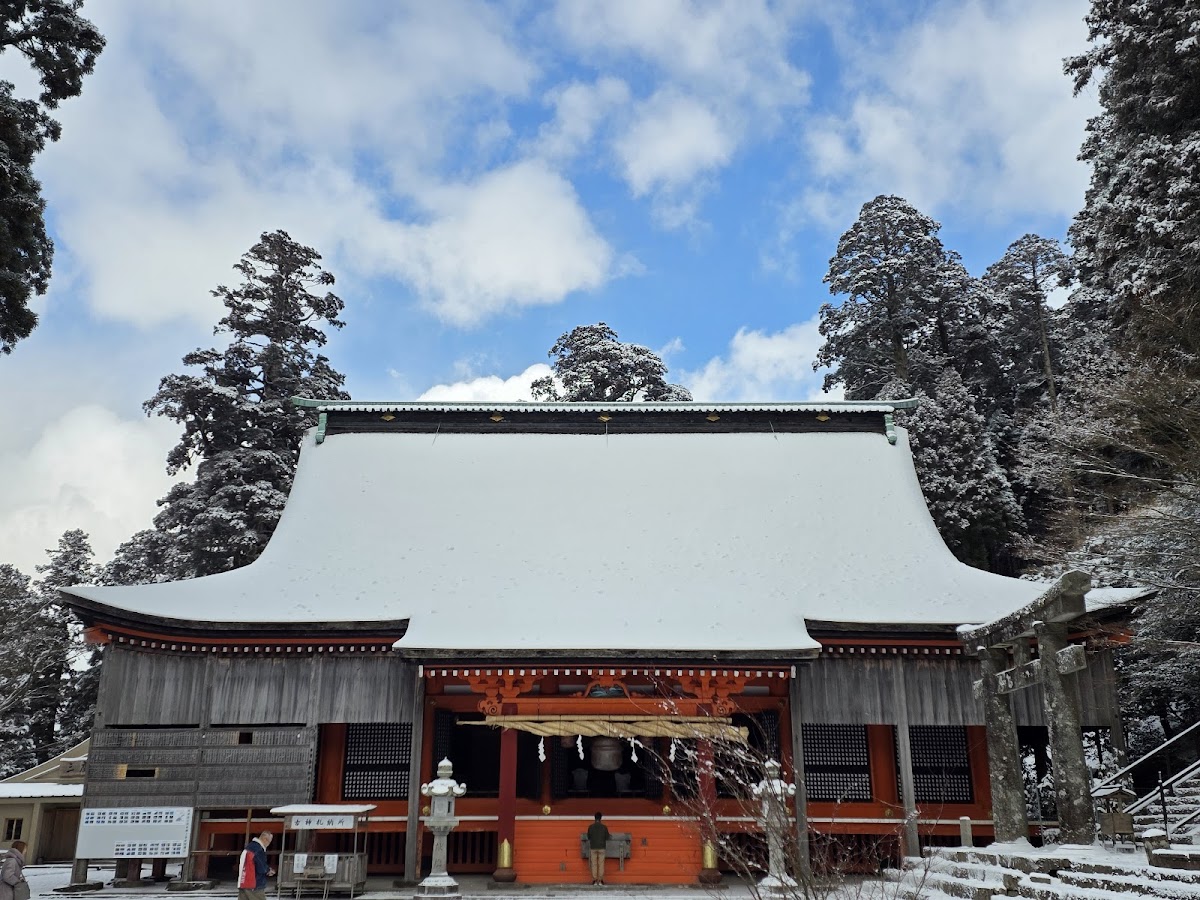
Main Shrine and Worship Hall
The main shrine and worship hall, the heart of the shrine, are the most sacred places where the enshrined deity is worshipped. When visiting, please offer your prayers with sincerity using the two bows, two claps, and one bow ritual.
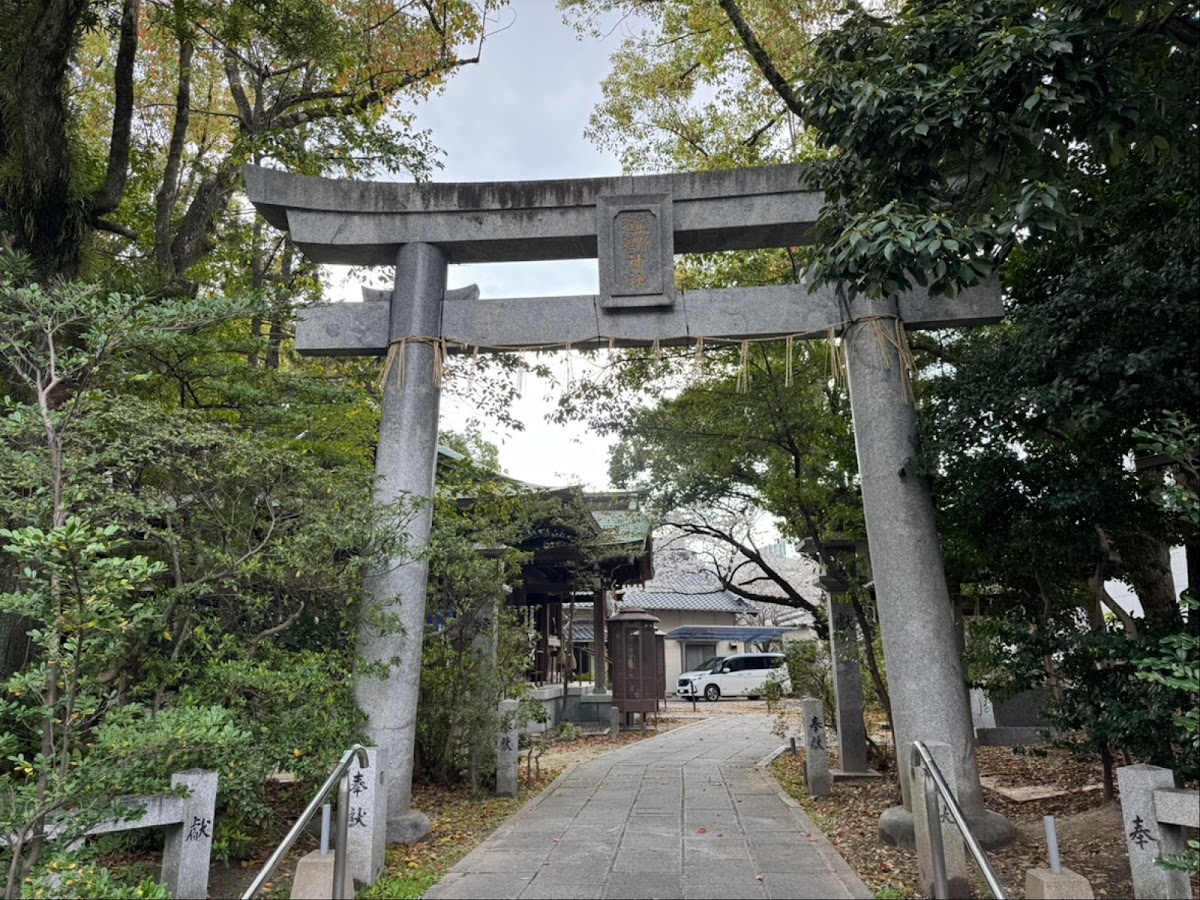
Torii Gate and Approach
Passing through the torii gate, the entrance to the sacred area, and proceeding along the approach leads you to a sacred space away from the hustle and bustle of everyday life. It is considered polite to bow when passing through the torii gate and to avoid walking in the center of the approach.
Water Basin
There is a water basin for purifying yourself before worship. Please purify your mind and body using the correct ritual before proceeding to the main shrine.
Procedure for Washing Hands:
- Take the ladle with your right hand and wash your left hand.
- Switch the ladle to your left hand and wash your right hand.
- Switch the ladle back to your right hand, receive water in your left hand, and rinse your mouth.
- Wash your left hand once more.
- Stand the ladle upright, wash the handle, and return it to its original position.
Shrine Office/Gift Shop
This is where you can receive Goshuin (shrine stamps), amulets, and talismans. Getting a Goshuin as a memento of your visit is recommended. However, the opening hours of the shrine office may be limited, so it is recommended to check in advance.
Annual Festivals and Events
Kashima Shrine holds various festivals and events throughout the year. The following events are common at local shrines:
Main Annual Events
New Year’s Day Festival (January 1st)
This festival welcomes the new year and prays for peace and prosperity throughout the year. It is crowded with many first-time visitors.
Setsubun Festival (around February 3rd)
A ritual involving bean-throwing to ward off evil spirits and invite good fortune.
Spring Grand Festival
An important spring festival praying for a bountiful harvest and regional prosperity.
Summer Purification Ceremony (June 30th)
A Shinto ritual to cleanse away the sins and impurities accumulated over the past six months. A ritual of passing through a ring of reeds may also be performed.
Autumn Grand Festival
One of the most important festivals, expressing gratitude for the autumn harvest and offering gifts to the gods.
Year-End Purification Ceremony (December 31st)
A Shinto ritual to cleanse away the sins and impurities accumulated over the past year and welcome the new year with a pure heart.
*Specific dates and content may vary from year to year, so it is recommended to check before visiting.
Manners and Etiquette for Visiting a Shrine
When visiting a shrine, observing basic etiquette will allow for a more heartfelt visit.
Basic Etiquette for Visiting a Shrine
- When passing through the torii gate: Bow before entering the sacred area.
- Walking along the approach to the shrine: Walk along the sides, as the center is considered the path of the gods.
- Ritual for washing hands: Purify your body and mind using the procedure described above.
- Worship at the main hall: Two bows, two claps, one bow
- Bow deeply twice.
- Clap your hands twice at chest height.
- Pray with sincerity.
- Finally, bow deeply once.
- When leaving: Turn around and bow after exiting the torii gate.
Attire for Visiting a Shrine
There are no specific dress code requirements, but it is desirable to wear clean and modest clothing, keeping in mind that you are appearing before the gods. Avoid revealing or overly flashy clothing.
About Offerings
Offerings are a way of expressing gratitude to the gods. There are no set amounts, but please place them carefully in the offering box. It is polite to gently place them in, rather than throwing them in.
About Goshuin (Shrine Seals)
In recent years, collecting Goshuin has become a popular pastime during shrine visits. You may be able to obtain a Goshuin at Kashima Shrine.
Points to Note When Obtaining a Goshuin
- Always pray before receiving a Goshuin.
- Check the opening hours of the shrine office in advance.
- Prepare a Goshuincho (stamp book) (pre-printed stamps may be available).
- Prepare a donation (usually around 300-500 yen).
- Request using polite language.
- Wait quietly while the Goshuin is being written.
Remember that a Goshuin is not just a stamp rally, but proof of your visit. Please treat it with respect.
Access Methods
Here are the main ways to access Kashima Shrine.
Access by Train
The following lines are available to Tagawa City:
- JR Hitahikosan Line: Tagawa-Ita Station may be the nearest station.
- Heisei Chikuhō Railway Tagawa Line: A local line running through Tagawa City.
- Heisei Chikuhō Railway Ita Line: Connects to Tagawa-Ita Station.
From the nearest station, access is by foot or taxi. The specific distance and travel time will vary depending on the exact location of the shrine.
Access by Car
From Fukuoka City:
- Approximately 40 minutes from Yahata IC on the Kyushu Expressway via National Route 200
- Also accessible via National Route 201 from the urban expressway
From Kitakyushu City:
- Approximately 30-40 minutes via National Route 322 or National Route 200
From Oita:
- Accessible via National Route 211
When using a car navigation system, please search for “Kashima Shrine Tagawa City” or enter the address.
Parking Information
There may be parking spaces for visitors, but it is recommended to check the size and number of spaces in advance. Congestion is expected during festivals, so please consider using public transportation.
Nearby Tourist Attractions
Here are some tourist attractions around Tagawa City that you might want to visit when you come to Kashima Shrine.
Tagawa City Coal and History Museum
A museum where you can learn about the history of coal mining in Tagawa City. You can learn about the coal industry, which once supported Japan’s energy supply, through a wealth of materials and exhibits. In 2011, the “Tanko-bushi” (coal mining song) was designated a Japan Heritage site as the birthplace of the song.
Two Chimneys (Former Mitsui Tagawa Coal Mine Ida Pit Site)
These two chimneys, a symbol of Tagawa City, are a valuable industrial heritage site that conveys the history of coal mining. They are illuminated at night, presenting a beautiful sight.
Kazeji Hachimangu Shrine
One of Tagawa City’s representative shrines, the “Kawawatari Shinkosai” festival, held every May, is one of Fukuoka Prefecture’s five major festivals and attracts many visitors.
Michi-no-Eki Itoda (Roadside Station Itoda)
This roadside station offers local specialties and fresh agricultural products. You can also enjoy local cuisine such as Tagawa Horumon (offal).
History and Culture of Tagawa City
Understanding the history and culture of Tagawa City, where Kashima Shrine is located, will give your visit a deeper meaning.
History as a Coal Mining Town
Tagawa City flourished as the center of the Chikuhō coalfield from the Meiji era to the Showa era. At its peak, it was a vibrant town, home to many coal miners and their families. It is also known as the birthplace of the “Tankō-bushi” folk song, which is popular throughout Japan.
Modern Tagawa City
After the closure of the coal mines, Tagawa City has worked to rebuild its town while transforming its industrial structure. Currently, it is focusing on promoting tourism utilizing its historical heritage, as well as developing agriculture and commerce.
Local Traditions and Festivals
Tagawa City retains many festivals and traditional events that have been passed down for generations. These events play an important role in deepening the bonds of the local community and passing on culture to future generations.
Precautions When Visiting
Here are some points to keep in mind when visiting Kashima Shrine.
Visiting Hours
Generally, the shrine grounds are freely accessible during the day, but the shrine office has limited opening hours. If you wish to obtain a Goshuin (temple/shrine stamp) or amulet, please check the opening hours in advance.
Regarding Photography
Photography is generally permitted on the shrine grounds, but please note the following:
- Do not take photos in areas where photography is prohibited, such as inside the main hall.
- Be considerate of other worshippers.
- Refrain from taking photos during Shinto rituals, or obtain permission.
- Post on social media with moderation.
Seasonal Precautions
Spring/Autumn: These are pleasant seasons, but those with hay fever should take precautions.
Summer: Don’t forget to wear a hat and stay hydrated to protect yourself from the heat.
Winter: Take thorough precautions against the cold. Be careful of icy roads.
Regarding Pets
Pet policies vary by shrine. Generally, it is discouraged to bring pets onto the shrine grounds, but walking them on a leash outside the grounds may be acceptable in some cases. It is recommended to check in advance.
Amulets and Lucky Charms Offered at Kashima Shrine
The shrine offers a variety of amulets and lucky charms. Understand the meaning behind each one and choose one for yourself or a loved one.
Main Types of Amulets
Exorcism Amulet: An amulet to protect you from various misfortunes.
Traffic Safety Amulet: A prayer for safe travel by car or bicycle.
Academic Success Amulet: A prayer for success in exams and studies.
Health Amulet: A prayer for health and recovery from illness.
Business Prosperity Amulet: A prayer for business success.
Victory Amulet: A prayer for victory in competitions and sports.
How to Handle Amulets
- Always wear them or place them in an important location.
- Do not open (do not look inside).
- Replace them with new ones approximately every year.
- Return old amulets to the shrine.
Shrine Visits and Mindset
Shrine visits are not merely places for sightseeing or making requests; they are also places to calm your mind and express your gratitude.
Guidelines for Visiting the Shrine
- Gratitude: First, express gratitude for the peace and tranquility of daily life.
- Humble Attitude: Maintain a humble heart before the gods.
- Specific Vows: Not only make requests, but also vow to make your own efforts.
- Pure Heart: Cast aside negative thoughts and visit the shrine with a pure heart.
How to Make a Wish
When making a wish at a shrine, the following order is considered best:
- Mentally state your address and name.
- Express your gratitude for everyday blessings.
- State your specific wish.
- Vow to make your own efforts to fulfill your wish.
Connection to the Community
Kashima Shrine does not exist in isolation; it is deeply connected to the community of Tagawa City.
Role as a Local Guardian Deity
A local guardian deity is a god who protects the land and the people who live there. Kashima Shrine, as a local guardian deity, has been close to the lives of residents and involved in various milestones in their lives.
Participation in Local Events
Participating in local festivals and events allows you to feel a deeper connection between the shrine and the community. If possible, we recommend participating in events such as the annual grand festival.
Summary: A Recommendation for Visiting Kashima Shrine
Kashima Shrine, located in Tagawa City, Fukuoka Prefecture, enshrines Takemikazuchi-no-Okami and is a shrine offering various blessings, including good fortune in competitions and protection from evil. It has long been revered as the guardian deity of the region, serving as a spiritual anchor for the people.
When visiting, observing proper etiquette and visiting with gratitude will allow you to have a more fulfilling experience. Why not quietly visit the shrine while experiencing the history and culture of Tagawa City?
There are also facilities that tell the history of the coal industry and other shrines and temples in the surrounding area, so if you have time, visiting them together will allow you to learn more about the charm of Tagawa City.
Visiting a shrine is a precious time to escape the hustle and bustle of everyday life and reflect on yourself. We hope that through your visit to Kashima Shrine, you will gain peace of mind and renewed vitality.