Shiratori Shrine (Ida, Tagawa City, Fukuoka Prefecture) Complete Guide | History, Goshuin (Shrine Seal), and Access Information
Shiratori Shrine, located in Ida, Tagawa City, Fukuoka Prefecture, is a historic shrine dedicated to the spirit of Yamato Takeru no Mikoto. As one of 111 Shiratori Shrines nationwide, it continues to attract the faith of the local community. This article comprehensively introduces information useful for visiting Shiratori Shrine, including its detailed history, enshrined deities, annual events, goshuin information, and access methods.
Basic Information about Shiratori Shrine
Location and Contact Information
Location: 2251-1, Ida, Tagawa City, Fukuoka Prefecture 825-0002
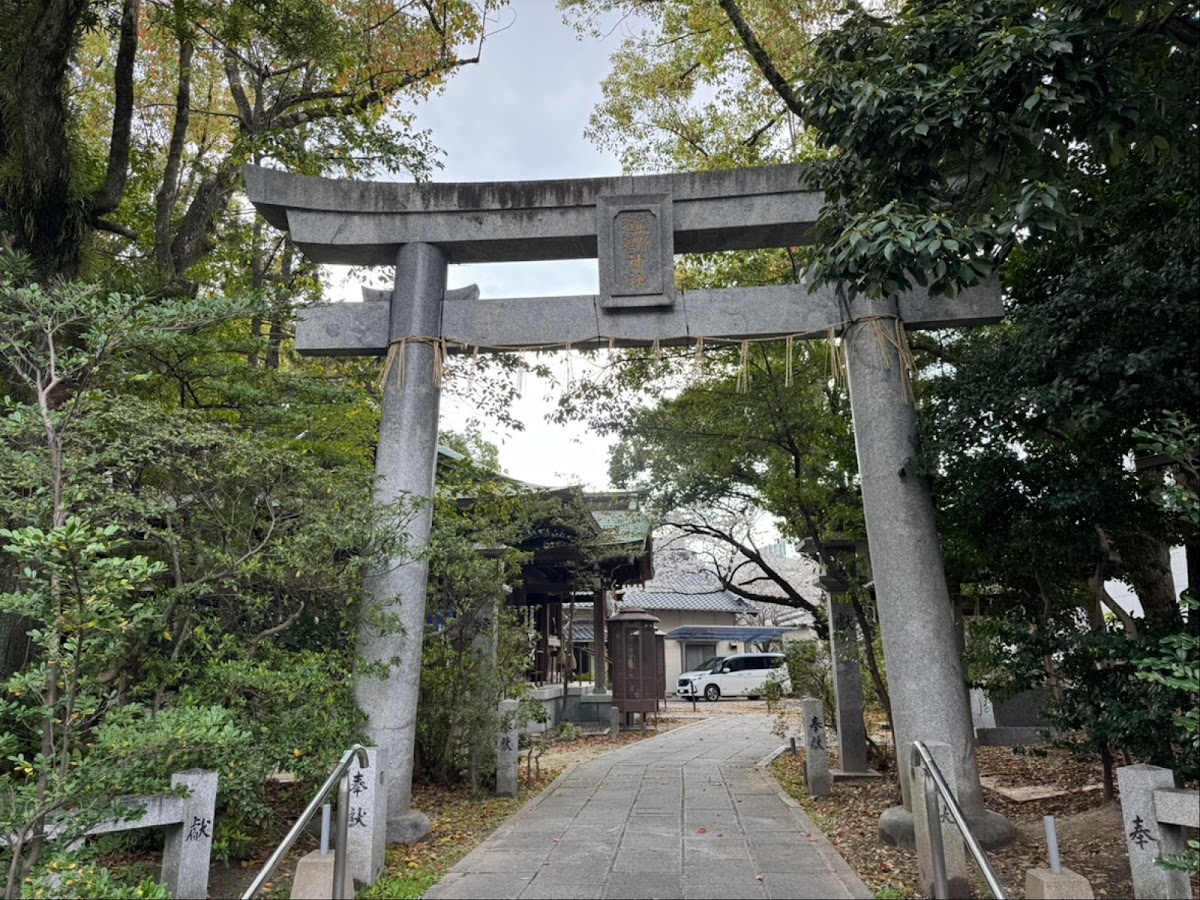
Shiratori Shrine is located on a hill approximately 400 meters southeast of Tagawa-Ida Station, nestled in a quiet environment overlooking the city. While the surrounding area is residential, the shrine grounds are surrounded by lush greenery, providing a peaceful atmosphere for visitors.
Deities Enshrined
The following three deities are enshrined at Shiratori Shrine:
- Emperor Keikō: The 12th Emperor and father of Yamato Takeru
- Ōusu no Mikoto: The elder brother of Yamato Takeru
- Ōusu no Mikoto: The real name of Yamato Takeru
In particular, there is a legend that Ōusu no Mikoto (Yamato Takeru) transformed into a white swan and descended to various places, which is the origin of the name Shiratori Shrine.
History and Origins of Shiratori Shrine
Legend of Founding
An interesting legend remains regarding the founding of Shiratori Shrine, related to Dengyo Daishi Saichō. During the Enryaku era (782-806), while Saichō was returning from Tang China, a white swan appeared and declared, “I am Yamato Takeru.”
Following this miraculous event, the shrine building was constructed in 814 (Kōnin 5). At that time, a small statue of a deity, measuring 1.25 inches (approximately 3.8 centimeters) and cast from Yamato gold, is said to have been enshrined. This small statue is still carefully preserved today as a precious sacred object of Shiratori Shrine.
Historical Changes
Shiratori Shrine has developed alongside the Tagawa region. During the Edo period, it was widely revered as the local tutelary deity, and since the Meiji era, it has functioned as a spiritual pillar for the local residents.
During the era of the thriving coal mining industry, it played an important role as a place for miners to pray for safety, and was bustling with many worshippers. Even today, as the guardian deity of the region, it attracts many worshippers during New Year’s visits and the annual festival.
Highlights of the Shrine Grounds
Approach and Torii Gate
The approach to Shiratori Shrine begins at the first torii gate. As you climb the stone steps, you can feel yourself leaving the hustle and bustle of the city behind and entering a sacred space. Passing through the second torii gate, the tranquility of the shrine grounds deepens even further.
Worship Hall and Main Shrine
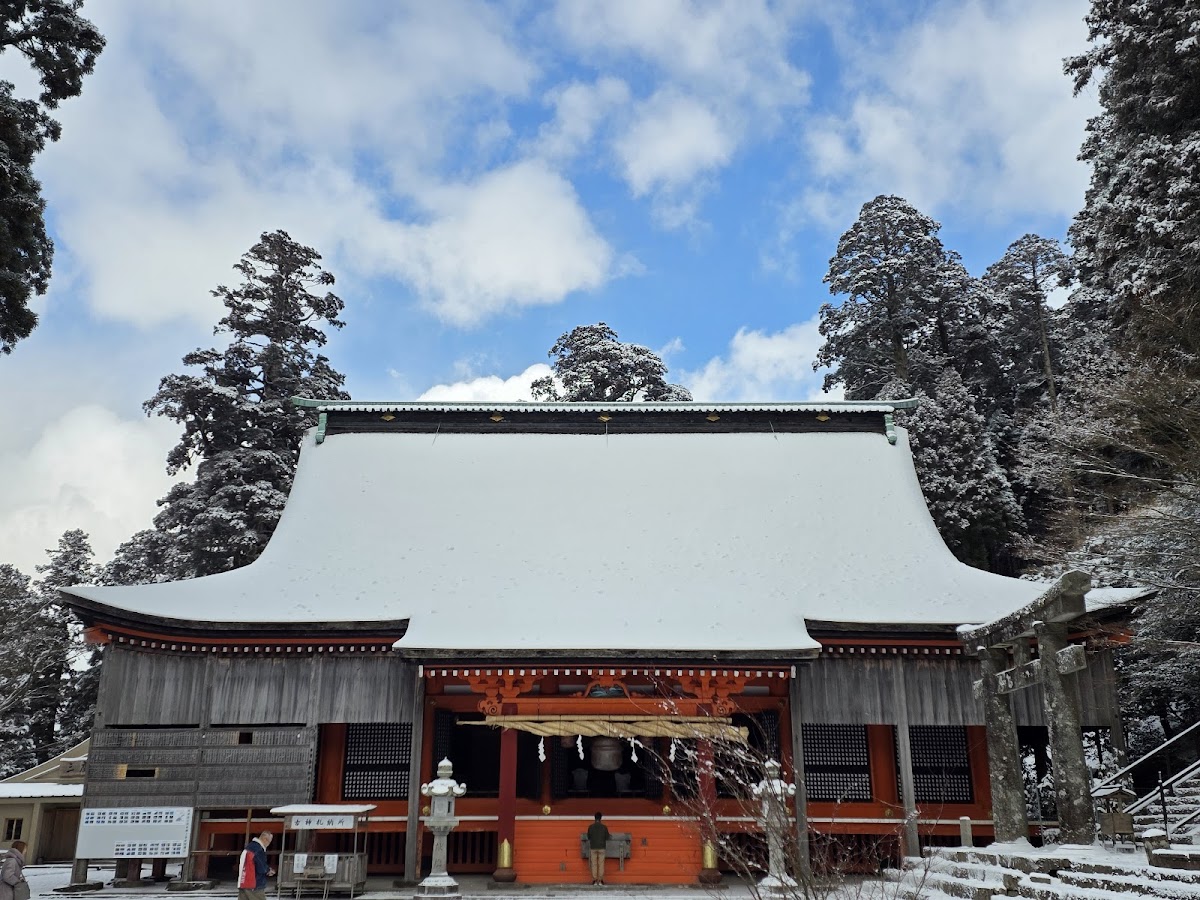
The worship hall is built in the traditional style of shrine architecture, warmly welcoming visitors. The main shrine is located behind the worship hall, exuding a solemn atmosphere. The architectural style reflects the characteristics of the Chikuhō region, allowing one to feel the history of the area.
Tagawa-style Komainu (Guardian Lion-Dogs)
Within the shrine grounds are enshrined “Tagawa-style Komainu,” unique to the Tagawa region. These Komainu possess a style specific to the Chikuhō region and are recognized as cultural assets. These expressive Komainu continue to watch over visiting worshippers.
Subsidiary Shrines
Several subsidiary shrines are enshrined around the main shrine.
- Kifune Shrine: A shrine dedicated to the water god, where people express gratitude for the blessings of water used in agriculture and daily life.
- Sarutahiko-no-Okami: As the god of opening paths, many people visit the shrine at important turning points in their lives.
These subsidiary shrines are also important elements that demonstrate the diversity of faith at Shiratori Shrine.
Annual Events and Festivals
Kawawatari Shinkosai (River Crossing Procession) of Kazeji Hachimangu Shrine
The most important festival at Shiratori Shrine is the “Kawawatari Shinkosai” (River Crossing Procession), held jointly with Kazeji Hachimangu Shrine. This festival is designated as a Fukuoka Prefecture Intangible Folk Cultural Property and is held every May.
During the festival, two portable shrines, one from Kazeji Hachimangu Shrine and the other from Shiratori Shrine, parade through the parish area accompanied by fifteen floats (yama) from each district. The highlight is the “river crossing” scene, where the shrines cross the Hikoyama River. The magnificent sight of the portable shrine and floats crossing the river captivates many spectators.
After spending the night at the temporary shrine on the opposite bank, the portable shrine returns to the main shrine the following day, crossing the river again. This festival continues to be cherished by local residents as an important event symbolizing the traditions and culture of Tagawa City.
Other Annual Events
- New Year’s Day Festival: January 1st, praying for peace in the new year
- Setsubun Festival: February, praying for protection from evil and good fortune
- Annual Grand Festival: Autumn, the shrine’s most important festival
- Shichi-Go-San: November, celebrating the growth of children
Goshuin (Shrine Seal) Information
Issuance of Goshuin
Shiratori Shrine offers goshuin to visitors. The goshuin features the calligraphy of “Shiratori Shrine” and the shrine’s seal. Goshuin (temple/shrine stamps), each reflecting the individuality of the calligrapher, are cherished by many visitors as a memento of their visit.
Points to Note When Receiving a Goshuin
Goshuin are received as proof of your visit. Please note the following:
- First, complete your prayers at the main shrine before requesting a goshuin.
- Prepare a goshuin notebook or check if pre-printed goshuin are available.
- Prepare the offering fee (usually around 300-500 yen).
- Since the priest may be absent, it is recommended to contact the shrine in advance if you want to be sure to receive a goshuin.
Divine Virtues of Shiratori Shrine
Long-lasting Military Fortune and Improvement in Martial Arts
Because the shrine enshrines Yamato Takeru, it is believed to bestow the divine virtues of long-lasting military fortune and improvement in martial arts. Athletes and martial arts practitioners visit to pray for improved skills and victory in competitions.
Good Fortune and Protection from Evil
People at life’s milestones or in their unlucky years visit to pray for good fortune and protection from evil. Especially during the Setsubun festival, many worshippers come to receive exorcism.
Family Safety and Traffic Safety
As the local guardian deity, the shrine is widely revered for its divine blessings of family safety and traffic safety. Prayers for traffic safety when purchasing a new car are also accepted.
Access
Access by Train
Approximately 10 minutes on foot from JR Hitahikosan Line “Tagawa-Ita Station”
After leaving Tagawa-Ita Station, head southeast. After passing through the residential area, you will see the torii gate of Shiratori Shrine. The route from the station is relatively flat, making it convenient to access on foot.
Access by Car
Approximately 30 minutes from Kyushu Expressway “Yahata IC”
Proceed along National Route 201 towards Tagawa. Signposts will appear once you enter the city. There is parking available for visitors around the shrine, but spaces are limited, so on days when congestion is expected, such as during festivals, we recommend using public transportation.
Map Information of the Surrounding Area
Shiratori Shrine is located near the center of Tagawa City, and there are other tourist attractions nearby, such as Fuchi Hachimangu Shrine and the Coal Memorial Park. It is possible to visit multiple facilities as part of a walking course exploring Tagawa’s history and culture.
About Shiratori Shrines Nationwide
There are 111 Shiratori Shrines, 1 shrine with “Shiratori Shrine” in its name, and 6 Shiratori-sha shrines throughout Japan. All of these originate from the legend of Yamato Takeru and the white swan, and have developed unique forms of worship in various regions.
Major Shiratori Shrines
The following are some of the major Shiratori Shrines throughout Japan:
- Shiratori Shrine (Higashikagawa City, Kagawa Prefecture): Famous as the Shiratori Shrine of Sanuki Province
- Shiratori Shrine (Gujo City, Gifu Prefecture): Center of faith in the Nagara River basin
- Shiratori Shrine (Nagoya City, Aichi Prefecture): Deeply connected to Atsuta Jingu Shrine
- Shiratori Shrine (Ebino City, Miyazaki Prefecture): Center of Shiratori worship in southern Kyushu
These shrines each preserve the legend of Yamato Takeru and the Shiratori, and attract local devotion.
History and Culture of Tagawa City
History as a Coal Mining Town
Tagawa City was once a thriving center of the Chikuhō coalfield. From the Meiji era to the Showa era, it developed greatly through the coal industry, attracting many people. Shiratori Shrine also attracted the faith of coal miners and their families during this period.
Modern Tagawa City
After the closure of the coal mines, Tagawa City has been working to transform its industrial structure while promoting town development that utilizes its history and culture. Facilities that convey the history of coal mining, such as the Coal Memorial Park and the Tagawa City Coal and History Museum, have been developed and are utilized as tourist resources.
Manners and Points for Visiting Shrines
Basic Shrine Visiting Etiquette
Following the basic etiquette for visiting shrines will make your visit more fulfilling.
- When passing through the torii gate: Bow before entering the shrine grounds.
- Purifying yourself at the water basin: Purify your left hand, right hand, and mouth in that order.
- Worship at the main hall: Two bows, two claps, and one bow are the basic rituals.
- Behavior within the shrine grounds: Act quietly and respectfully.
Regarding Photography
Photography is generally permitted within the shrine grounds, but please refrain from taking pictures inside the main hall or during Shinto rituals. Also, please be considerate of other visitors.
Attractions Around Shiratori Shrine
Kazeji Hachimangu Shrine
Located within walking distance of Shiratori Shrine, Kazeji Hachimangu Shrine is an important shrine that jointly holds the Kawawatari Shinkosai (river crossing procession). Situated along the Hikoyama River, it is one of the centers of faith in Tagawa City.
Tagawa City Coal and History Museum
This museum allows visitors to learn about the history of Tagawa’s coal mines. Exhibits include mining tools, daily necessities, and photographic materials from that time, providing a deep understanding of the history of the Chikuhō coalfield.
Coal Memorial Park
This park was developed on the site of the former Mitsui Tagawa Coal Mine, with two chimneys that convey its former appearance. It is also the setting for Sakubei Yamamoto’s coal mining record paintings, which are registered as a World Memory Heritage site.
Seasonal Attractions
Spring (March-May)
Spring is the season for the Kawawatari Shinkosai (river crossing procession). Many tourists visit the festival in May, and the entire town of Tagawa is filled with energy. The cherry blossoms in the shrine grounds are beautiful, allowing visitors to enjoy both worship and cherry blossom viewing at the same time.
Summer (June-August)
This is a season of beautiful fresh greenery. From Shiratori Shrine, located on a hill, you can enjoy a panoramic view of Tagawa city, and the cool breeze feels refreshing.
Autumn (September-November)
This is the season for the annual festival, and the autumn leaves are also beautiful. Many families visit for Shichi-Go-San (a traditional Japanese rite of passage for children), and the shrine grounds are enveloped in a vibrant atmosphere.
Winter (December-February)
Important events such as the New Year’s Day Festival and the Setsubun Festival are held here. Visiting the shrine in the crisp winter air offers a refreshing and cleansing experience for the soul.
The Chief Priest of Shiratori Shrine and the Inokuma Family
The position of chief priest of Shiratori Shrine has been passed down through generations of the Inokuma family. The Inokuma family has continuously protected the local faith and dedicated themselves to the maintenance and management of the shrine and the execution of festivals. Even today, they maintain deep ties with the community while managing the shrine.
Visitor Feedback
Visitors to Shiratori Shrine have shared the following comments:
- “Because it’s located on a hill, I was able to worship in a quiet and peaceful atmosphere.”
- “The Tagawa-style guardian lion-dogs were impressive, and I felt a sense of local culture.”
- “I visited during the Kawawatari Shinkosai festival and was deeply moved by the splendor of the local tradition.”
- “I received a goshuin (shrine stamp) and appreciate the courteous service.”
These comments show that Shiratori Shrine is loved by the community and inspires those who visit.
Frequently Asked Questions
Q1: Can I get a goshuin at Shiratori Shrine every day?
A1: There are days when goshuin are not available due to the priest’s presence or absence. If you want to be sure to get a goshuin, we recommend calling ahead to confirm. Pre-printed goshuin may also be available.
Q2: Is there parking?
A2: There is parking space for visitors, but the number of spaces is limited. Especially during festivals such as the Kawawatari Shinkosai (River Crossing Procession), congestion is expected, so we recommend using public transportation.
Q3: When is the Kawawatari Shinkosai held?
A3: It is held every year on the third Saturday of May and the following Sunday. Please check with the Tagawa City Tourism Association or the shrine for detailed dates.
Q4: How crowded is it during the New Year’s visit?
A4: Many worshippers visit from New Year’s Day through the third day, but it is not as crowded as large shrines. You can worship relatively peacefully.
Q5: Can I receive exorcism or prayers?
A5: We accept exorcisms and various prayers. We recommend contacting us in advance to arrange a date and time.
Q6: What is the origin of the name Shiratori Shrine?
A6: It originates from the legend that after the death of Yamato Takeru, his soul descended to various places as a white swan. The founding of this shrine stems from Saichō’s divine intervention during the Enryaku era, when Yamato Takeru appeared to him in the form of a white swan.
Summary
Located in Ida, Tagawa City, Fukuoka Prefecture, Shiratori Shrine is a venerable shrine with a history spanning over 1200 years. It enshrines Yamato Takeru as its principal deity and is known for its divine blessings of military success, good fortune, and protection against misfortune.
The river crossing festival with Fūji Hachimangu Shrine is a designated important intangible folk cultural property of Fukuoka Prefecture, preserving local traditions to this day. Despite its convenient location, approximately a 10-minute walk from Tagawa Ida Station, the shrine offers a peaceful and tranquil environment on a hilltop, providing a serene setting for worship.
A visit to Shiratori Shrine, reflecting on the legend of Yamato Takeru while experiencing the history and culture of Tagawa City, will offer visitors a special experience. Having walked hand in hand with the history of Tagawa, a town that prospered as a coal mining town, Shiratori Shrine will continue to attract the faith of many as a guardian deity of the region.
As one of the many Shiratori Shrines scattered throughout Japan, and as an important cultural property of the Chikuhō region, Shiratori Shrine is well worth a visit. When you visit Tagawa City, be sure to include a visit to Shiratori Shrine in your itinerary.