Kuraoka Shrine (Miyazaki Prefecture, Miyazaki City) Complete Guide | History, Deities, Goshuin (Shrine Seal), and Access Information
Located in the Itohara district in the northern part of Miyazaki City, Miyazaki Prefecture, Kuraoka Shrine is a historic shrine said to have been founded by Shimazu Tadahisa, known as the founder of the Satsuma Domain. Having merged several shrines during the Meiji era, it is a comprehensive shrine enshrines many deities and attracts the faith of the local community. This article provides detailed information you should know before visiting Kuraoka Shrine, including its history, deities, goshuin (shrine seal), highlights of the grounds, and access methods.
Basic Information about Kuraoka Shrine
Official Name: Kuraoka Shrine
Address: 3295 Itohara, Miyazaki City, Miyazaki Prefecture 880-2101
Phone Number: 0985-41-0501
Deities Enshrined:
- Izanami-no-Mikoto
- Kotoshironushi-no-Mikoto
- Empress Jingu
- Tenmanjizai Tenjin
- Ukanomitama-no-Mikoto
- Ichikishimahime-no-Mikoto
- Homusubi-no-Mikoto
Shrine Rank: Former Village Shrine
Annual Festival Date: October 19th
History and Origins of Kuraoka Shrine
Origin of the Shrine
The founding of Kuraoka Shrine dates back to the early Kamakura period. It is said to have originated when Shimazu Tadahisa, known as the founder of the Satsuma Domain, established it as the main shrine of the former Kuraoka village in Hanami-mura Jogamine (present-day Hanami district, Miyazaki City), under the name “Zushi Daimyojin.”
Shimazu Tadahisa was a samurai who served as a close confidant of Minamoto no Yoritomo and was appointed as the governor of Satsuma, Osumi, and Hyuga provinces. It is believed that he established the shrine in this area due to his deep connection with Hyuga Province. Initially, it was known as “Zushi Daimyojin” and was worshipped as the local tutelary deity.
Shrine Consolidation in the Meiji Era
A significant turning point in the history of Kuraoka Shrine was the Meiji era’s policy of shrine consolidation. In March 1871 (Meiji 4), as part of the shrine reorganization, the following shrines were consolidated:
First Consolidation (March, Meiji 4):
- Inari Daimyojin
- Tenman Jizai Tenjin
- Hakusan Myori Daigongen
Subsequently, the following shrines were also consolidated, completing the current form of Kuraoka Shrine.
Additional Consolidation:
- Zushi Daimyojin (Original Main Deity)
- Wakamiya Hachiman
- Ikeo Daimyojin
- Kumano Sansho Otorio Gongen
- Taishogun Shrine
- Itsukushima Daimyojin
With this consolidation, the shrine previously known as “Zushi Daimyojin” was renamed “Kuraoka Shrine,” further strengthening its role as the guardian shrine of the entire former Kuraoka area.
About Kuraoka Area
“Kuraoka Area” was a regional division that once existed in the northern part of Miyazaki City, encompassing areas such as present-day Itohara, Shinmeizume, and Hanami. Kuraoka Shrine served as the guardian shrine of this wide area, a central presence for praying for agricultural prosperity and regional peace.
Deities and Blessings
Kuraoka Shrine enshrines seven deities, reflecting its history of combined enshrinement. Let’s take a closer look at each deity and their blessings.
Izanami-no-Mikoto
The goddess of creation in Japanese mythology. Along with Izanagi-no-Mikoto, she is a goddess of creation who gave birth to the Japanese archipelago and many other gods.
Blessings: Matchmaking, marital harmony, safe childbirth, fertility, family safety
Kotoshironushi-no-Mikoto
A son of Okuninushi-no-Mikoto, a deity appearing in the myth of the transfer of the land. Sometimes identified with Ebisu.
Blessings: Business prosperity, maritime safety, protection of fisheries, good fortune
Empress Jingu
The empress of the 14th Emperor Chuai and mother of Emperor Ojin. A valiant woman known for the legend of her conquest of the Three Kingdoms of Korea.
Benefits: Safe childbirth, child-rearing, good fortune in victory, protection from evil
Tenmanjizai Tenjin
This refers to Sugawara no Michizane, known as the god of learning. He is an object of Tenjin worship.
Benefits: Academic success, passing exams, improvement in calligraphy, literary advancement
Ukanomitama no Mikoto
A god of grain widely worshipped as Inari. He presides over abundant harvests.
Benefits: Abundant harvests, business prosperity, industrial development, family business prosperity
Ichikishimahime no Mikoto
One of the three Munakata goddesses, she is a goddess of beauty, also known as the principal deity of Itsukushima Shrine.
Benefits: Traffic safety, maritime safety, improvement in performing arts, beauty, financial fortune
Homusubi-no-Mikoto
The god of fire. Also worshipped as the god of the hearth, he presides over fire, which is essential for life.
Benefits: Protection from fire, family safety, protection of industry, protection of blacksmiths
Highlights of the Shrine Grounds
Shrine Buildings
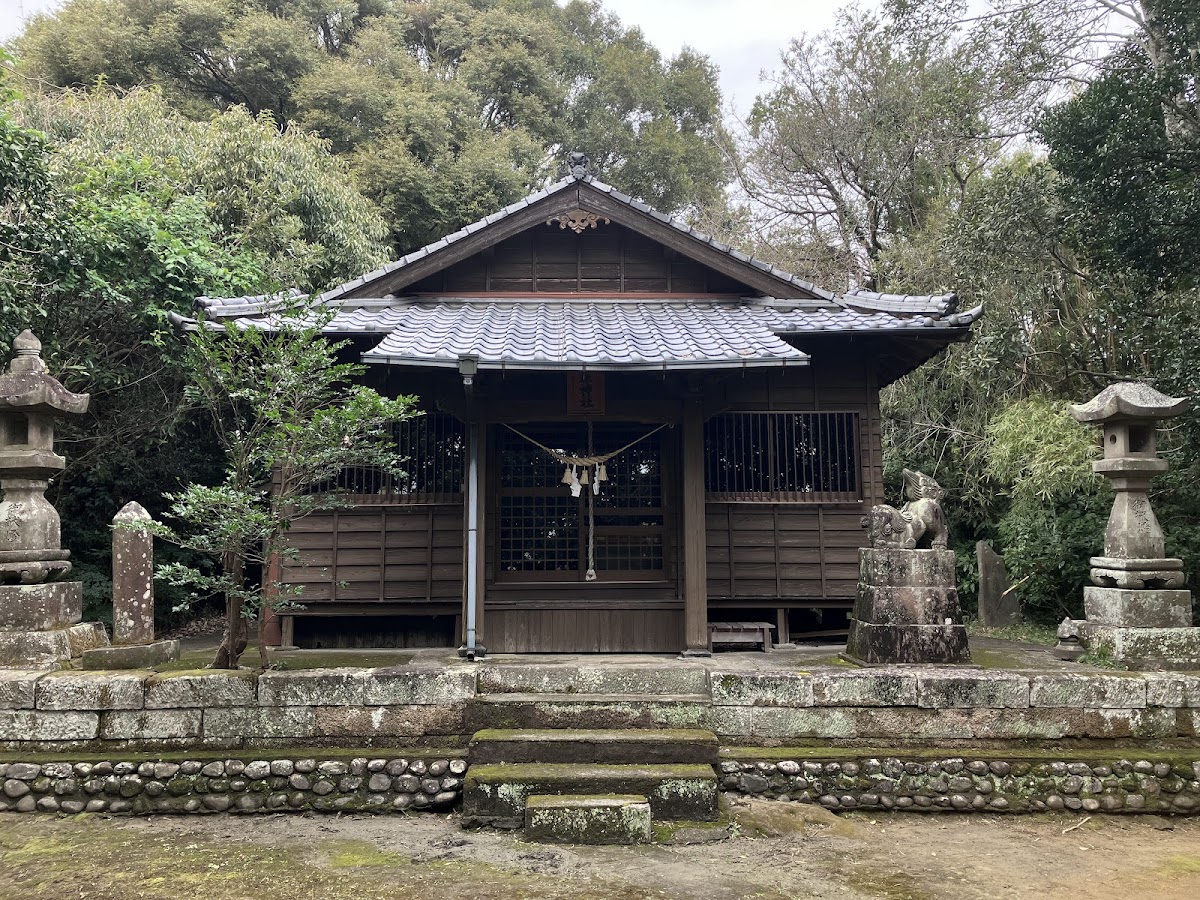
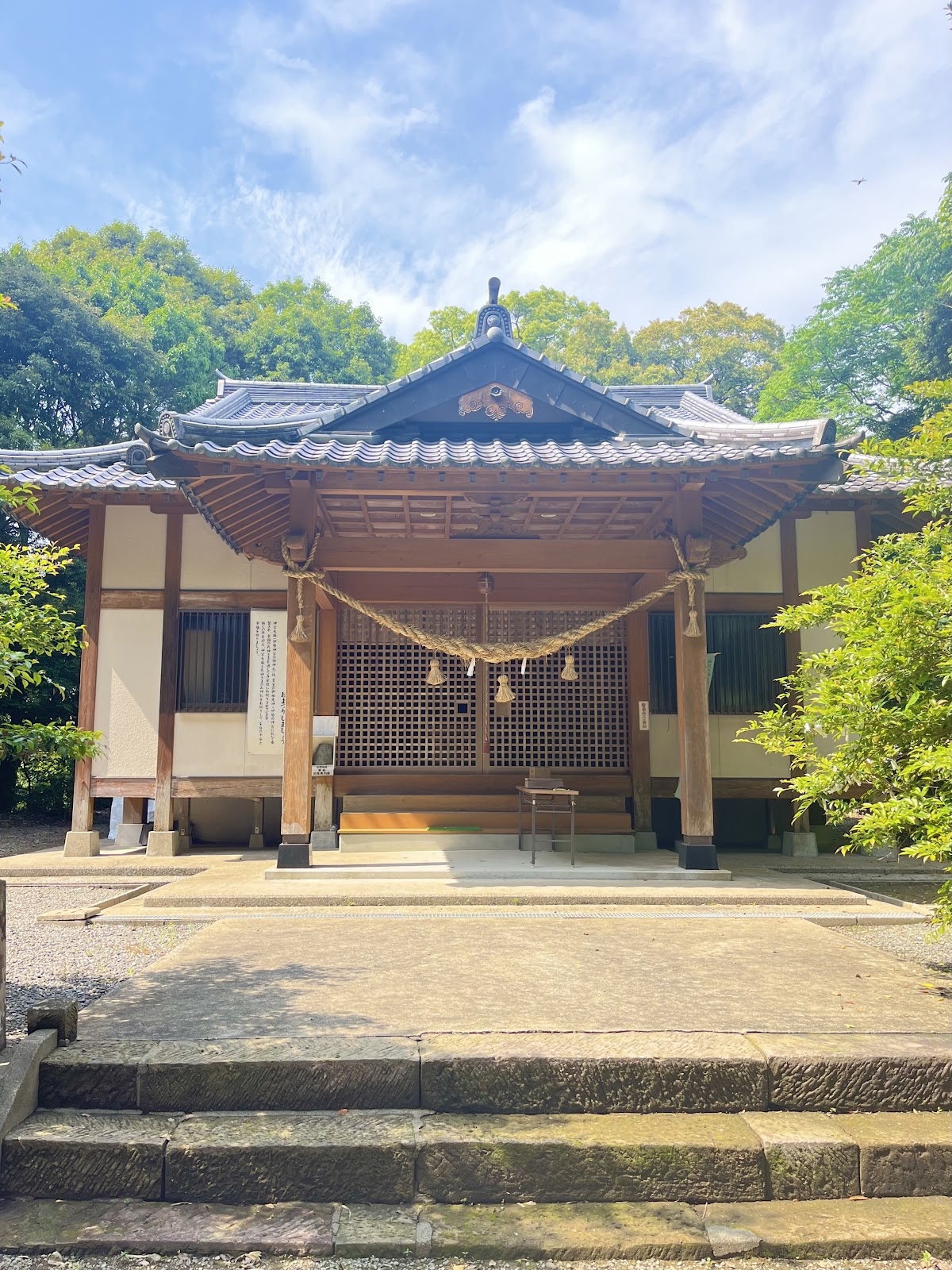
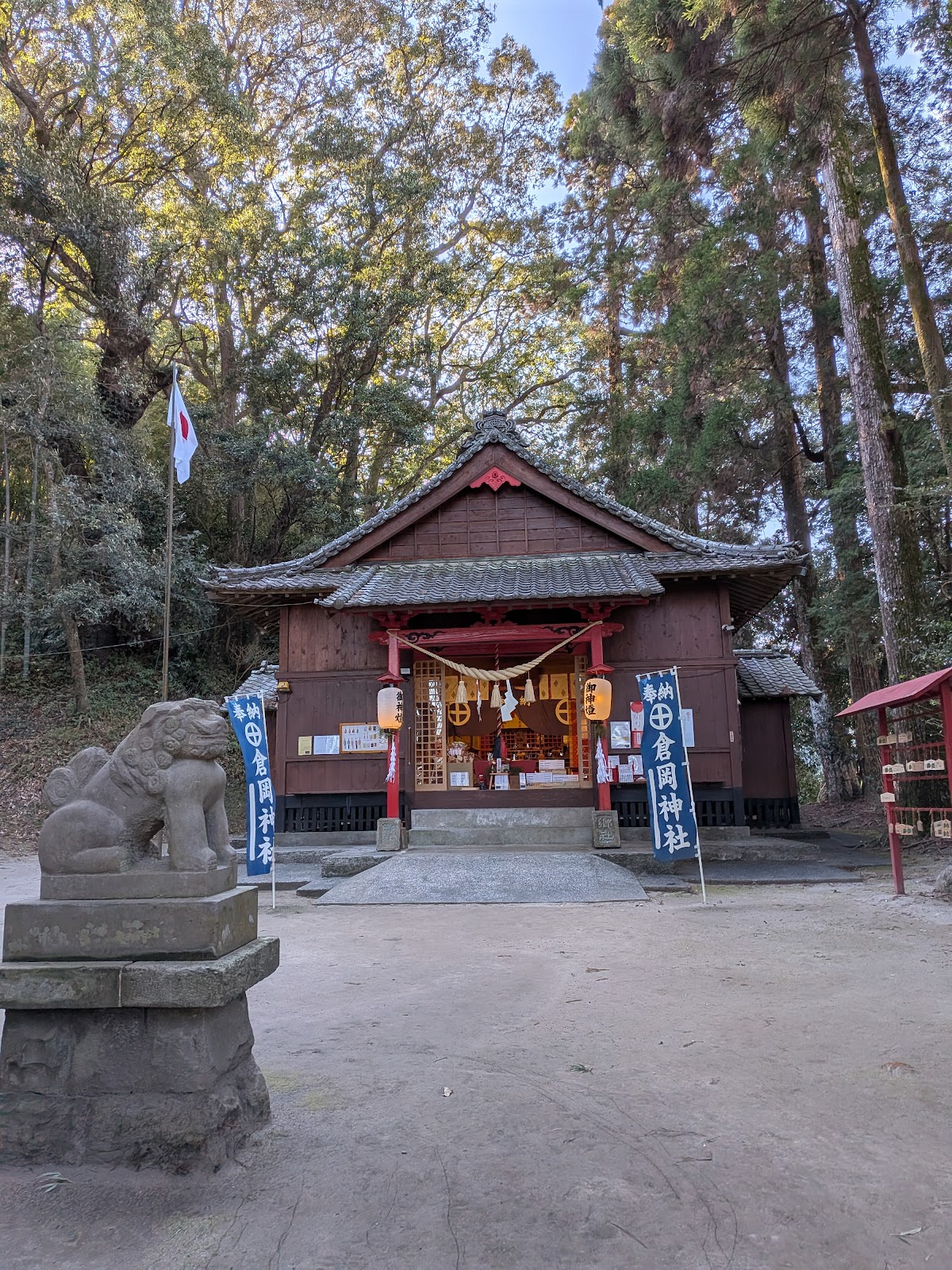
The shrine buildings of Kuraoka Shrine are valuable structures that preserve the traditional shrine architectural style of Miyazaki. The main hall is located on the mountainside and is enveloped in a quiet and solemn atmosphere. The path leading from the worship hall to the main hall is surrounded by ancient trees, allowing you to feel the pure air of a sacred place.
Torii Gate and Approach
After passing through the torii gate at the entrance of the shrine, a gently sloping approach continues. This approach is surrounded by a natural forest, showing different expressions in each of the four seasons. The shrine is particularly beautiful during the spring when the new leaves appear and in the autumn when the leaves change color, delighting the eyes of visitors.
Shrines within the Precincts
Around the main shrine, several small shrines and stone monuments remain as remnants of shrines that were later merged. These are valuable historical sites that tell the story of Kuraoka Shrine’s complex history.
Natural Environment
Kuraoka Shrine is located in the northern part of Miyazaki City, at a relatively high elevation, and the shrine grounds are blessed with abundant nature. With the sounds of birdsong and seasonal flowers in bloom, the grounds are an ideal place to escape the hustle and bustle of the city and find peace of mind.
About Goshuin (Shrine Seals)
Issuance of Goshuin
Goshuin (shrine seals) are available at Kuraoka Shrine. Goshuin are cherished as a record of one’s connection with the shrine and as proof of one’s visit.
Location of Issuance: Shrine Office
Hours of Issuance: Approximately 9:00 AM to 5:00 PM (approximate)
Offering Fee: Approximately 300-500 yen (at your discretion)
Features of the Goshuin (Shrine Seal)
The Goshuin of Kuraoka Shrine features a simple yet powerful design with the words “Kuraoka Shrine” written in ink and the shrine’s seal. The date of your visit can also be included.
Precautions When Receiving a Goshuin
Since the Goshuin is proof of your visit, please be sure to receive it only after you have completed your prayers. Also, the shrine office may be unattended, so if you definitely want a Goshuin, it is recommended to call ahead to confirm. If you bring your Goshuincho (seal book), they will write it directly on it.
Annual Events and Festivals
Grand Festival (October 19th)
The most important annual event at Kuraoka Shrine is the Grand Festival, held every year on October 19th. Local parishioners and devotees gather to express gratitude to the gods and pray for the prosperity of the community. Following the Shinto ritual, a celebratory feast (naorai) is held, providing an opportunity to deepen the bonds of the local community.
New Year’s Visit (January 1st-3rd)
For the New Year’s visit, local residents and their families come to worship. The shrine is bustling with people praying for a safe year, family safety, and a bountiful harvest.
Monthly Festival
Monthly festivals are held on the 1st and 15th of each month, offering daily gratitude and prayers for continued protection.
Access
Access by Car
The most convenient way to access Kuraoka Shrine is by car.
From Miyazaki City Center:
- Head north on National Route 10
- Travel time: Approximately 20-25 minutes
- Distance: Approximately 12 km
From Miyazaki Expressway:
- Exit at Miyazaki IC
- Take Prefectural Road 17 towards Itohara
- Travel time: Approximately 15 minutes
Parking: Parking available for visitors on the shrine grounds (limited number of spaces)
Access by Public Transportation
Nearest Station: JR Nippo Main Line “Miyazaki Jingu Station”
Distance from Station: Approximately 7.2 km
By Bus:
Get off at “Itohara” bus stop (Miyazaki Kotsu Bus), approximately 10 minutes on foot
By Taxi:
Approximately 15 minutes by taxi from Miyazaki Jingu Station
Notes
Kuraoka Shrine is located away from the city center, making access by public transportation somewhat inconvenient. Since bus services are limited, it is recommended to check the timetable in advance. Access by car is the most efficient.
Nearby Tourist Attractions
Miyazaki Shrine
A representative shrine of Miyazaki Prefecture, dedicated to Emperor Jimmu. Located approximately 20 minutes by car from Kuraoka Shrine.
Heiwadai Park
A prefectural park known for its “Peace Tower.” A popular spot for cherry blossoms in spring. Approximately 15 minutes by car from Kuraoka Shrine.
Florante Miyazaki
A botanical garden where you can enjoy flowers of all seasons. A recommended spot for families.
Miyazaki Prefectural Museum
A museum where you can learn about Miyazaki’s history and nature. A folk museum is also located within the museum.
Manners and Points for Visiting a Shrine
Etiquette for Visiting a Shrine
- Bow before passing through the torii gate: This is a courtesy when entering the sacred area.
- Walk along the edge of the path: The center is considered the path of the gods.
- Purify yourself at the water basin: Purify your left hand, right hand, and mouth in that order.
- Two bows, two claps, one bow: This is the general etiquette for visiting a shrine.
Attire
No special attire is required, but clean clothing that reflects the sacred nature of the place is desirable. Since the shrine is located on a mountainside, comfortable walking shoes are recommended.
Photography
Photography is generally permitted within the shrine grounds, but there are areas where photography is restricted, such as inside the main hall. If unsure, please check with the shrine office.
Best Time to Visit
Kuraoka Shrine is open for visits throughout the year, but the following times are particularly recommended.
- Spring (March-May): Beautiful fresh greenery and mild weather
- Autumn (October-November): Peak autumn foliage, annual festival held
- New Year’s Visit (January): For New Year’s prayers
The Charm of Kuraoka Shrine
Layers of History
The greatest charm of Kuraoka Shrine lies in its layered history. Beginning with its founding in the Kamakura period, and continuing through the Meiji era’s consolidation of deities to the present day, various eras of faith have accumulated. The enshrinement of seven deities speaks to the depth of faith that the people of this region have cultivated over many years.
A Quiet Worship Environment
Located away from the city center, Kuraoka Shrine offers a quiet and peaceful atmosphere for worship. You can escape the hustle and bustle of the city and find peace of mind amidst nature.
Connections to the Community
Kuraoka Shrine remains deeply rooted in the lives of the local people. The annual festival and monthly festivals bring together local residents, serving as a central hub for the community. This “living shrine” aspect is a major attraction of Kuraoka Shrine.
Diverse Blessings
With seven enshrined deities, the shrine offers a variety of blessings, including academic success, business prosperity, matchmaking, and family safety. Its welcoming nature, accommodating worshippers with diverse wishes, is another characteristic of this shrine.
Practical Advice for Visiting Kuraoka Shrine
Time Required
A visit to the shrine grounds alone takes about 30 minutes. However, if you plan to stroll around the grounds or collect a Goshuin (shrine stamp), allow about an hour.
Checklist of Items to Bring
- Goshuincho (stamp book) (if you plan to receive a Goshuin stamp)
- Small change (for offerings and Goshuin stamp fees)
- Drinks (especially in summer)
- Camera (for commemorative photos)
- Comfortable walking shoes
Best Time to Visit
Early in the morning (around 9:00-11:00) is recommended. You can visit in refreshing air, and the shrine office is likely to be open.
Precautions in Rainy Weather
Many parts of the approach to the shrine and the shrine grounds are in their natural state, so they can become slippery in rainy weather. Bring rain gear and non-slip shoes.
Contact Information
Kuraoka Shrine
- Address: 3295 Itohara, Miyazaki City, Miyazaki Prefecture 880-2101
- Phone: 0985-41-0501
- Visiting Hours: Anytime during the day (Shrine office: 9:00 AM – 5:00 PM)
- Closed: None (Open all year round)
- Parking: Available (Free)
Summary
Kuraoka Shrine is an important shrine in northern Miyazaki City with a history of over 800 years since its founding by Shimazu Tadahisa, the founder of the Satsuma Domain. Due to the Meiji-era shrine consolidation, it became a comprehensive shrine enshrining seven deities, offering a variety of blessings.
Located in a quiet environment slightly away from the city center, the shrine grounds, surrounded by abundant nature, are an ideal place for peaceful worship. The layered history, deep connection with the local community, and tranquil atmosphere are major attractions of Kuraoka Shrine. When you visit Miyazaki City, be sure to take a short detour and visit Kuraoka Shrine. A visit to this shrine with its long history will surely be a memorable experience. You can also receive a Goshuin (shrine stamp), making it a great choice for those collecting them.
Kuraoka Shrine, protected by the local community and continuing to attract worshippers, offers a glimpse into its history and traditions, allowing you to appreciate the profound depth of Japanese shrine culture.