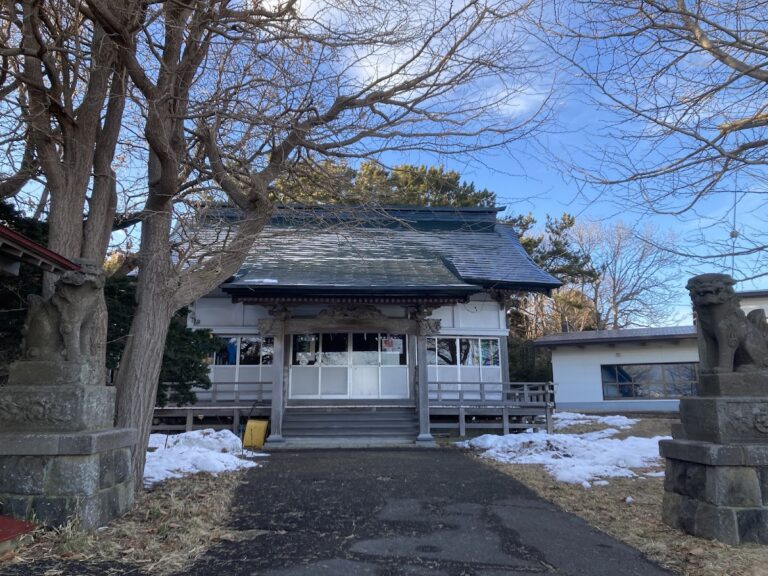
Kawasuso Shrine (Nezakicho, Hakodate City, Hokkaido) Complete Guide | History, Deities, and Access Information
Kawasuso Shrine (also known as Kawasusogi Shrine), located in Nezakicho, Hakodate City, Hokkaido, is a historic shrine that has been cherished by the local community since the early Edo period. Situated in a quiet location overlooking the Tsugaru Strait, it is a valuable presence that conveys the history and culture of Hakodate, and is revered by local residents.
This article comprehensively introduces information useful for visiting Kawasuso Shrine, including its detailed history, enshrined deities, blessings, and access methods. If you are planning a shrine tour in Hokkaido or sightseeing in Hakodate, or if you are interested in local history, please read to the end.
Basic Information about Kawasuso Shrine
Location and Access
Official Address: 237 Furukawa-cho, Hakodate City, Hokkaido
Postal Code: 〒040-0000
Corporate Number: 8440005000506 (Designated October 5, 2015)
Affiliation: Hokkaido Shrine Association
Kawasuso Shrine is located in the Nezaki district, approximately 2 km east of the center of Hakodate City, along National Route 278 towards the Tsugaru Strait from the Yukawa-cho area. The shrine is located on the mountainside, on the way down the slope along National Route 278 towards the sea.
Pronunciation and Origin of the Shrine Name
The unusual shrine name “Kawasuso” is pronounced “Kawasuso” or “Kawasusogi”. There are several theories about the origin of this name, but it is believed to embody the meaning of purifying oneself in the river flowing through the region, or of cleansing oneself of impurities with the river’s current. It is known as a shrine with a particularly unique name among shrines in Hokkaido.
History of Kawasaku Shrine
Founding and the Edo Period
Kawasaku Shrine is said to have been founded in Kanbun 4 (1664). It is an ancient shrine with a history dating back over 350 years to the early Edo period. However, according to official information from the Hokkaido Shrine Association, there are also records indicating that the actual founding was in Meiwa 1 (1764), during the reign of Emperor Go-Sakuramachi, the 117th emperor.
At that time, the Nezaki district was merely a small fishing village, a place where fishermen gathered only during the fishing season. Therefore, the village itself is not very old, and it is believed that the shrine was founded along with the development of the region.
Original Location
At its founding, Kawasaku Shrine was enshrined in a small shrine built beneath a tree in a mountainous area called Kannon-bayashi, approximately 1 ri (about 4 km) from its current location. It was a quiet place deep in the forest, attracting the faith of the local people.
Relocation to Current Location
Later, considering the development of the area and the convenience of worship, the shrine was relocated to its current location at 237 Furukawa-cho. Moving to a convenient location along National Route 278 allowed more people to visit and worship.
Deities and Benefits
Deities
The deities enshrined at Kawasaku Shrine are believed to be gods who protect the local fishing industry, or gods of water. In the Nezaki district, which has developed as a fishing village facing the Tsugaru Strait, it has played an important role as a place to pray for safety at sea and abundant catches.
Benefits
Kawasaki Shrine is believed to offer the following benefits:
- Safety at Sea and Navigation: Protection of fishermen and sailors
- Prayer for a Bountiful Catch: Wishing for abundant catches
- Protection from Evil and Disaster: Protecting local people from disaster
- Family Safety: Praying for the health and happiness of families
- Regional Prosperity: Watching over the development of the entire Nezaki district
Shrine Grounds and Highlights
Atmosphere of the Shrine Grounds
Kawasaki Shrine is located on the mountain side of National Route 278, on a hill overlooking the Tsugaru Strait. Surrounded by a quiet residential area, the shrine grounds are enveloped in a tranquil atmosphere. Located away from the hustle and bustle of the city, it provides an environment where one can worship at their leisure.
Shrine Buildings and Facilities
Although the shrine has a history dating back to the Edo period, the shrine buildings have undergone repairs and renovations over time. While not large in scale, it is maintained as an important place supporting the faith of the local people. ### Surrounding Environment
The area surrounding the shrine retains the atmosphere of Hakodate’s historical fishing village district. You can enjoy beautiful views of the Tsugaru Strait and experience the natural beauty of the coastline extending eastward from Mount Hakodate.
Access to Kawasawa Shrine
Access by Car
From Hakodate City Center:
- Approximately 15 minutes east on National Route 278
- Head towards Nezakicho from the Yunokawa-cho area
- The shrine is located on the mountain side as you ascend the slope and descend towards the sea.
Parking: Details are unclear, but as it is a small shrine, please check the surrounding conditions before visiting.
Access by Public Transportation
Hakodate Bus:
- Take a bus bound for Nezakicho from Hakodate Station or Yunokawa Onsen
- A few minutes’ walk from the nearest bus stop
For specific bus routes and timetables, please check the latest information on the Hakodate Bus official website.
Access by Foot or Bicycle
The route from Yukawa-cho along National Route 278 heading east is relatively flat, but the area around the shrine is hilly. If walking, it is recommended to allow ample time for your visit.
Manners and Etiquette for Visiting a Shrine
Basic Etiquette for Visiting a Shrine
When visiting Kawasawa Shrine, please observe the following basic shrine visiting manners:
- Bow before passing through the torii gate: This is a courtesy before entering the sacred area.
- Purify yourself at the water basin: Purify your left hand, then your right hand, then your mouth.
- Avoid walking in the center of the approach: The center is considered the path of the gods.
- Worship in front of the main hall: Two bows, two claps, and one bow is the basic procedure.
- Bow when leaving: Turn around and bow before leaving the torii gate.
Appropriate Attire for Visiting a Shrine
No special attire is required, but clean clothing that reflects the sacred nature of the place is desirable. Don’t forget insect repellent in the summer and warm clothing in the winter.
History of Kawasaku Shrine and the Nezaki District
Development of the Nezaki District
The Nezaki district has flourished since ancient times as a fishing village facing the Tsugaru Strait. During the Edo period, it was under the control of the Matsumae Domain, and kelp and herring fishing were thriving. Kawasaku Shrine played an important role as a spiritual center for those engaged in these fishing activities.
Connection to Hakodate’s History
Hakodate developed as an international city after opening its port under the Treaty of Peace and Amity between Japan and the United States in 1854. The Nezaki district, located in the eastern part of Hakodate, developed while preserving its traditional fishing village culture. Kawasaku Shrine is a valuable cultural asset that conveys the history of this region to the present day.
Shrine Culture in Hokkaido and Kawasaku Shrine
Characteristics of Shrines in Hokkaido
While many shrines in Hokkaido are relatively newer compared to those in Honshu, there are also shrines like Kawasaku Shrine with a history dating back to the Edo period. The Hokkaido Shrine Association comprises many shrines, which are deeply intertwined with the lives of the local people.
Guardian Deities of Fishing Villages
Along the coast of Hokkaido, there are numerous shrines dedicated to the guardian deities of fishing, such as Kawasaku Shrine. For people who have lived in a harsh natural environment, shrines have been a source of spiritual support and the center of their local communities.
Nearby Tourist Attractions
Yunokawa Onsen
Located about 2km west of Kawasaku Shrine, Yunokawa Onsen is a representative hot spring resort of Hakodate. After visiting the shrine, you can relax and soothe your fatigue in the hot springs.
Mount Hakodate
Mount Hakodate, a symbol of Hakodate, is about a 20-minute drive from Kawasaku Shrine. The view from Mount Hakodate, known as one of the world’s three greatest night views, is a must-see.
Tsugaru Strait
From near the shrine, you can enjoy beautiful views of the Tsugaru Strait. On clear days, you can even see the Shimokita Peninsula of Aomori Prefecture on the opposite shore.
Annual Events and Festivals
Kawasaki Shrine, as a small local shrine, is believed to hold various Shinto rituals throughout the year. For specific festival dates, it is recommended to check with the Hokkaido Shrine Association or local information.
General Annual Events at Shrines
- New Year’s Day Festival: January 1st, celebrating the New Year
- Spring Grand Festival: Spring, praying for the prosperity of the region
- Summer Festival: Summer, praying for a bountiful catch and safety
- Autumn Grand Festival: Autumn, giving thanks for the harvest
- Great Purification Ceremony: June and December, purifying oneself of the impurities accumulated over the past six months
Points to Note When Visiting
Visiting Hours
Kawasaki Shrine is believed to be open for worship at all times, but it is recommended to avoid nighttime visits and visit during daylight hours.
About the Shrine Office
Due to its small size, there may not be a permanent Shinto priest. Please check with the Hokkaido Shrine Association or local information beforehand regarding the issuance of Goshuin (temple/shrine stamps) and amulets.
Photography
Photography is generally permitted on the shrine grounds, but please remember that it is a sacred place and be considerate of other visitors.
The Charm of Kawasaku Shrine
Historical Value
With a history of over 350 years, Kawasaku Shrine is a valuable cultural heritage site that conveys the history of the Hakodate region. Its history of attracting the faith of local people since the Edo period is deeply meaningful to us living today.
Connection to the Community
Kawasaku Shrine is deeply connected to the lives of the people of the Nezaki district. While not a large-scale tourist shrine, this allows you to experience the true essence of a shrine rooted in the community.
Quiet Worship Environment
Located slightly away from the center of Hakodate, it offers a quiet and peaceful atmosphere for worship. It’s the perfect place to visit when you want to calm your mind or gain renewed energy.
Kawasaku Shrine and Japanese Shrine Culture
Japanese People and Shrines
The lives of Japanese people and shrines have been deeply intertwined since ancient times. People have prayed at shrines at important life events and deepened community bonds through local festivals. Kawasaku Shrine is also a place that embodies this traditional Japanese faith culture.
The Significance of Shrines in Hokkaido
Although Hokkaido has a shorter history of settlement compared to Honshu, old shrines like Kawasaku Shrine demonstrate that Hokkaido also has a rich history and culture. The fact that immigrants brought their beliefs from their homeland and built shrines in new lands is important for understanding the Japanese spirit.
What to Enjoy After Visiting the Shrine
Exploring the Area
After visiting Kawasaku Shrine, take a stroll around the Nezaki district. You can enjoy the townscape that retains the atmosphere of a traditional fishing village and the view of the Tsugaru Strait.
Hakodate Cuisine
Hakodate is famous for its delicious seafood. After visiting the shrine, why not enjoy some fresh seafood? Especially around the Nezakicho area, you can enjoy dishes made with locally caught seafood.
Relax in a Hot Spring
We recommend relaxing and recovering from your pilgrimage at the nearby Yunokawa Onsen. Hakodate’s hot springs have excellent water quality, allowing you to refresh both mind and body.
Summary
Kawasaki Shrine (Nezakicho, Hakodate City, Hokkaido) is a historical shrine that has been worshipped by the local people since the Edo period. Located in a quiet place overlooking the Tsugaru Strait, Kawasaki Shrine has played an important role as the guardian deity of fishing, and is a valuable presence that conveys the history and culture of Hakodate to the present day.
Its address is 237 Furukawacho, Hakodate City, Hokkaido, in the Nezakicho area along National Route 278. It is about a 15-minute drive from the center of Hakodate city and about 2km from Yunokawacho. It is not a large-scale tourist shrine, but that is precisely why it is a peaceful place where you can feel the true essence of a shrine.
When you visit Hakodate, be sure to visit Kawasaki Shrine. You can spend a peaceful time here while feeling the weight of history. This is a particularly recommended spot for those interested in visiting shrines in Hokkaido or exploring the history of Hakodate.
When visiting, please be mindful that it is a sacred place and observe proper etiquette. For the latest information, we recommend checking the official website of the Hokkaido Shrine Association or your local tourist information center.
May Kawasawa Shrine be a place where you can find peace of mind.