Keiunji Temple (Kamakura City, Kanagawa Prefecture) | Complete Guide to History, Highlights, and Access
About Keiunji Temple
Keiunji Temple is a Nichiren Buddhist temple located in Zaimokuza, Kamakura City, Kanagawa Prefecture. Its mountain name is Shokozan, and it is known as a historical temple founded in 1483 (Bunmei 15) during the late Muromachi period. The Zaimokuza area of Kamakura is a concentration of Nichiren Buddhist temples, and Keiunji Temple stands out among them for its unique history.
The temple was founded by Keiun Nichijo Shonin, and its former head temple was the Daihonzan Honkokuji Temple (Rokujo-mon branch), belonging to the Konishi lineage. The temple grounds are located in a quiet residential area, offering a peaceful atmosphere away from the hustle and bustle of Kamakura.
History of Keiunji Temple
Founding and Founding Priest
Keiunji Temple was founded in 1483 (Bunmei 15) by Keiun Nichijo Shonin. During the late Muromachi period, Kamakura held a crucial position as the base of the Muromachi Shogunate’s control over the Kanto region, and many temples were built during this time. It is believed that Abbot Keiun Nichijō founded a temple in Zaimokuza to spread the teachings of the Nichiren sect.
The Zaimokuza area flourished as a timber collection center from the Kamakura period onward, and many craftsmen and merchants resided there. The reason for the large number of Nichiren sect temples built in this area is attributed to the active missionary work among the common people.
Period Without a Resident Priest and Concurrent Management by Chōshōji Temple
After the death of Abbot Keiun Nichijō, Keiunji Temple became without a resident priest, and remained without one for a long period. During this time, the nearby Chōshōji Temple concurrently managed Keiunji Temple, with the priest also serving as its head priest. Chōshōji Temple was one of the central Nichiren sect temples in Kamakura, and records indicate that it was responsible for managing the surrounding smaller temples.
During the Edo period, there was a period when the chief priests of Myohoji Temple were exchanged, which is known as an example of the close relationship between Nichiren Buddhist temples in Kamakura.
Changes After the Meiji Restoration
After the Meiji Restoration, Keiunji Temple underwent significant changes. In the early Meiji period, the main hall was used as a school building for an elementary school, fulfilling a role as a local educational facility. This is one example of how a temple was maintained by being used as an educational facility, against the backdrop of a time when many temples faced a crisis of survival due to the anti-Buddhist movement.
Connection with Kuroda Seiki
A noteworthy aspect of Keiunji Temple’s history is its connection to Kuroda Seiki (1866-1924), a Western-style painter considered the father of modern Japanese Western-style painting. Kuroda Seiki used the main hall of Keiunji Temple as his studio for a period.
Kuroda Seiki studied in France during the Meiji period, learning Impressionist techniques, and after returning to Japan, he had a significant influence on the Japanese Western-style painting world. Many artists stayed and created their works in Kamakura, and Kuroda Seiki was one of them. The tranquil environment of Keiunji Temple is thought to have been ideal for his creative activities.
Even today, many art lovers visit Keiunji Temple because they are aware of its connection to Kuroda Seiki. This historical fact demonstrates that Keiunji Temple is not merely a religious site, but also a significant place in the history of modern Japanese art.
Highlights of the Temple Grounds
Main Hall
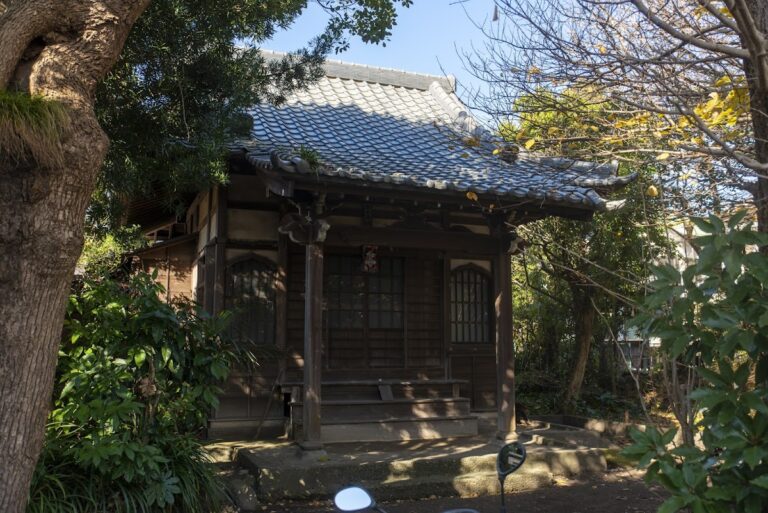
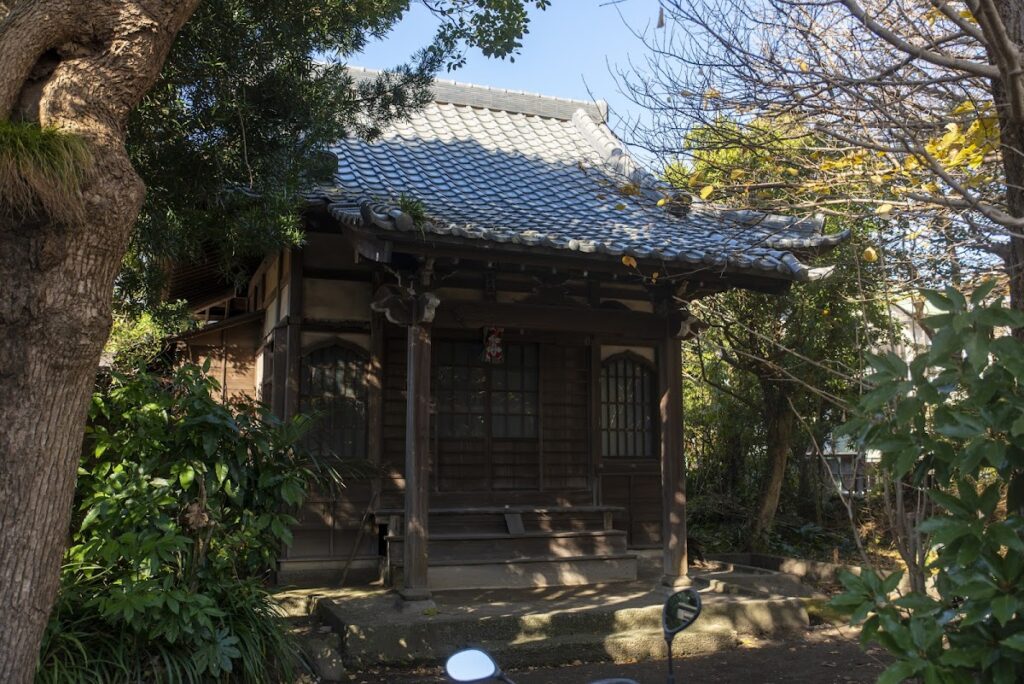
The main hall of Keiunji Temple is a simple yet dignified building. This building, which once served as Kuroda Seiki’s studio, is still maintained as the central structure of the temple. Inside the main hall is enshrined the mandala, the principal image of the Nichiren sect, where visitors can quietly offer their prayers.
Atmosphere of the Temple Grounds
Compared to other famous temples in Kamakura, Keiunji Temple’s grounds are small, but this contributes to its tranquil atmosphere. Located in a residential area, it is rarely crowded with tourists, and you can see local believers and visitors interested in history quietly paying their respects.
The temple grounds are adorned with different plants depending on the season, and you can enjoy particularly charming scenery during the cherry blossom season in spring, the fresh greenery in early summer, and the autumn foliage season.
Relationship with surrounding Nichiren Buddhist temples
Besides Keiunji Temple, many other Nichiren Buddhist temples are scattered throughout the Zaimokuza district. Famous temples such as Choshoji, Myohoji, and Ankokuronji are within walking distance, and it is possible to include Keiunji Temple in a Nichiren Buddhist temple pilgrimage. These temples have historical connections to each other, making this an area where you can experience the history of Nichiren Buddhism in Kamakura.
Nichiren Buddhism and Kamakura
Connection between Nichiren Shonin and Kamakura
Nichiren Shonin (1222-1282), the founder of Nichiren Buddhism, was active in Kamakura during the Kamakura period. In 1253, Nichiren declared the establishment of his sect and submitted the *Rissho Ankoku Ron* (Treatise on Establishing Righteousness and Securing the Peace of the Nation) to the Kamakura Shogunate, engaging in fierce missionary work criticizing other sects.
This activity led to persecution by the shogunate, resulting in exile to Izu and Sado, but he continued his missionary work in Kamakura. After Nichiren’s death, his disciples built temples throughout Kamakura, and the Zaimokuza district became one of the central areas.
Rokujo-monshu and Honkoku-ji Temple
Honkoku-ji Temple, the former head temple of Keiun-ji Temple, belongs to the Rokujo-monshu lineage within the Nichiren sect. Originally a major head temple located in Kyoto, Honkoku-ji Temple carries on the lineage of Nichiro, a direct disciple of Nichiren. The Rokujo-monshu is one of the most influential lineages within the Nichiren sect and has many branch temples throughout Japan.
The fact that Keiunji Temple considers Honkokuji Temple as its head temple demonstrates its lineage and historical connection, and represents its legitimacy as a Nichiren Buddhist temple.
Basic Information and Access
Location and Contact Information
Address: 3-1-20 Zaimokuza, Kamakura City, Kanagawa Prefecture 248-0013
Sect: Nichiren Buddhism
Mountain Name: Shokozan
Founder: Keiun Nichijo
Established: Bunmei 15 (1483)
Access Methods
Access by Train:
- Approximately 15 minutes on foot (approx. 0.8 km) from the East Exit of Kamakura Station on the JR Yokosuka Line
- Approximately 14 minutes on foot from Wadazuka Station on the Enoshima Electric Railway
Access by Bus:
- Take the Keikyu Bus bound for Zaimokuza from the East Exit of Kamakura Station, get off at the Zaimokuza bus stop, and walk for approximately 5 minutes.
Access by Car:
- Approximately 20 minutes from the Asahina Interchange on the Yokohama-Yokosuka Expressway
- *It is recommended to check in advance whether there is a dedicated parking lot.
Visiting Information
Keiunji Temple is primarily for viewing from the outside. Access to the temple grounds may vary depending on temple events and maintenance, so it is recommended to check in advance.
Admission Fee: Usually free (except during special viewing periods)
Visiting Hours: Daytime hours (please check with the temple for specific times)
Nearby Tourist Attractions
Zaimokuza Beach
Located about a 10-minute walk from Keiunji Temple, Zaimokuza Beach is one of Kamakura’s representative beaches. It is bustling with beachgoers in the summer, and offers a quiet seaside stroll during the off-season. Visiting the beach after visiting Keiunji Temple is also recommended.
Komyoji Temple
Komyoji Temple, a major temple representing the Zaimokuza area, is the head temple of the Jodo sect. Located about a 10-minute walk from Keiunji Temple, it boasts a vast grounds and an impressive main gate. It attracts many visitors, especially during the autumn foliage season.
Choshoji Temple
Choshoji Temple, with its historical ties to Keiunji Temple, is an important temple of the Nichiren sect. It is considered the site where Nichiren Shonin first established his hermitage in Kamakura, and is a sacred site of importance to Nichiren followers. It is approximately a 5-minute walk from Keiunji Temple.
Myohoji Temple
Myohoji Temple, known for its moss-covered stone steps, also has a history of exchanging abbots with Keiunji Temple. It features beautiful grounds that harmonize with the nature of Kamakura, and the beauty of the moss during the rainy season is particularly exceptional. It is approximately a 15-minute walk from Keiunji Temple.
Manners and Precautions for Visiting a Temple
Basic Manners for Visiting a Temple
When visiting Keiunji Temple, please observe the following basic manners:
- Be Quiet: As the temple is located in a residential area, please refrain from loud conversations and noise.
- Photography: When taking photographs on the temple grounds, please be considerate of other visitors and nearby residents.
- Attire: There are no specific dress code requirements, but please dress appropriately and respectfully for a temple.
- Trash: Please take all trash you bring with you.
Nichiren Buddhist Temple Etiquette
The basic etiquette for visiting a Nichiren Buddhist temple is as follows:
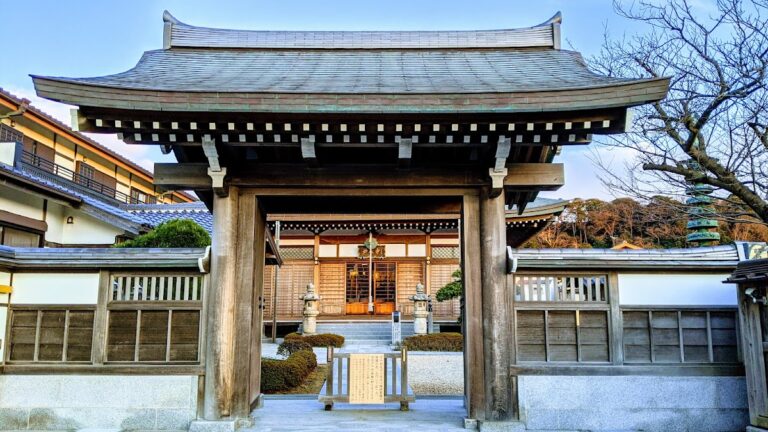
- Bow at the temple gate before entering the grounds.
- Cleanse your hands and mouth at the water basin.
- Join your hands in prayer in front of the main hall and chant “Namu Myoho Renge Kyo.”
- If offering money, do so quietly.
- Bow deeply before leaving.
The Charm and Worth of Visiting Keiunji Temple
A Tranquil Worship Environment
The greatest charm of Keiunji Temple is its tranquil worship environment, far removed from the hustle and bustle of Kamakura. While Kamakura attracts many tourists throughout the year, Keiunji Temple is relatively unknown, allowing for a peaceful and serene visit.
Historical Value
With its history dating back to the Muromachi period, its connection to Kuroda Seiki, and its lineage as a Nichiren Buddhist temple, Keiunji Temple possesses multifaceted historical value. It is a place worth visiting for those interested in Japanese religious and art history.
Connections to the Community
Keiunji Temple is a temple deeply rooted in the community, still supported by local parishioners. As evidenced by its use as an elementary school during the Meiji era, it has deep ties to the local community, offering a glimpse into this community-oriented temple.
As Part of a Nichiren Buddhist Temple Pilgrimage
Many Nichiren Buddhist temples are concentrated in the Zaimokuza area, and Keiunji Temple can be included as part of a Nichiren Buddhist temple pilgrimage. Visiting temples such as Choshoji, Myohoji, and Ankokuronji in conjunction with this one will allow you to gain a deeper understanding of the history and culture of Nichiren Buddhism in Kamakura.
Characteristics of Nichiren Buddhist Temples in Kamakura
Concentration of Temples in the Zaimokuza District
While there are many Nichiren Buddhist temples in Kamakura, they are particularly concentrated in the Zaimokuza district. This stems from the fact that this area was the base of operations for Nichiren Shonin when he was active in Kamakura, and that his disciples also conducted missionary activities in this area.
Connection to Popular Belief
Nichiren Buddhism was a sect widely accepted not only by the samurai class but also by the common people during the Kamakura period. Small and medium-sized temples like Keiunji have functioned as centers of popular belief in the region.
Center of Lotus Sutra Belief
Nichiren Buddhism is a sect that considers the Lotus Sutra as its fundamental scripture and emphasizes chanting the title “Namu Myoho Renge Kyo.” The Nichiren Buddhist temples in Kamakura have attracted many followers to this day, serving as a central hub for the faith in the Lotus Sutra.
Keiunji Temple in Every Season
Spring (March-May)
In spring, the temple grounds are enveloped in a vibrant atmosphere as the cherry blossoms bloom. It’s not as crowded as some of Kamakura’s famous cherry blossom viewing spots, allowing for a peaceful and enjoyable experience. During the season of fresh greenery, you can feel the refreshing air amidst the surrounding nature.
Summer (June-August)
During the rainy season, the greenery of the temple grounds deepens, creating a tranquil and serene atmosphere. While the nearby Zaimokuza Beach is bustling in summer, Keiunji Temple maintains a peaceful environment. On hot days, you can find respite in the shade of the trees within the temple grounds.
Autumn (September-November)
In autumn, the temple grounds are adorned with colorful autumn leaves. While not as spectacular as some of Kamakura’s famous autumn foliage spots, you can experience a calm and serene autumnal atmosphere. Visiting the temple in the crisp, clear air is a truly special experience.
Winter (December-February)
In winter, Keiunji Temple is enveloped in a solemn atmosphere of silence. With fewer visitors, it offers ample time for quiet contemplation. During the New Year, it sees visitors for their first shrine visit of the year.
Summary
Keiunji Temple is a Nichiren Buddhist temple located in Zaimokuza, Kamakura City, Kanagawa Prefecture. It was founded in 1483 (Bunmei 15) during the Muromachi period by the Venerable Keiun Nichijo. Its mountain name is Shokozan, and it is a historical temple belonging to the Honkokuji Temple (Rokujo-mon branch), the head temple of the Nichiren sect.
Keiunji Temple is known for its diverse history, including a period when it was uninhabited after its founding and Choshoji Temple served as its head priest, a period when it was used as an elementary school after the Meiji Restoration, and a period when the Western-style painter Kuroda Seiki used the main hall as his studio.
This temple remains deeply rooted in the community, offering a peaceful environment for worship away from the hustle and bustle of Kamakura. It’s a temple well worth visiting as part of a tour of Nichiren Buddhist temples, and also for those interested in modern Japanese art history.
Located about a 15-minute walk from Kamakura Station, visiting this temple along with other nearby attractions such as Zaimokuza Beach, Choshoji Temple, and Myohoji Temple allows for a deeper experience of Kamakura’s history and culture.