Myōchōji Temple (Kamakura City, Kanagawa Prefecture) Complete Guide: A Thorough Explanation of its History and Highlights Related to Nichiren Shonin
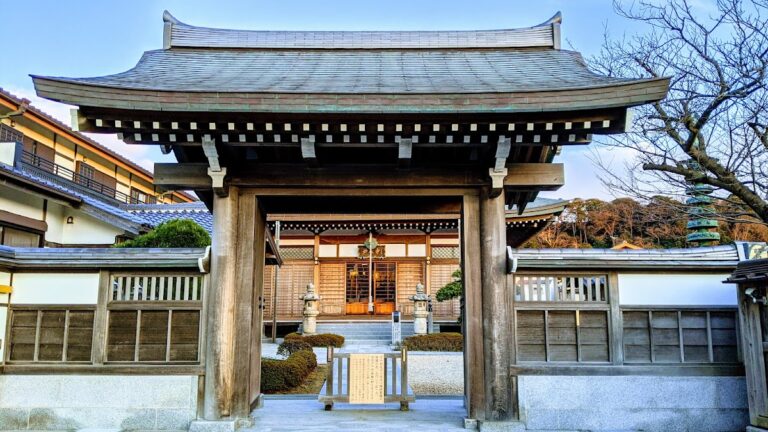
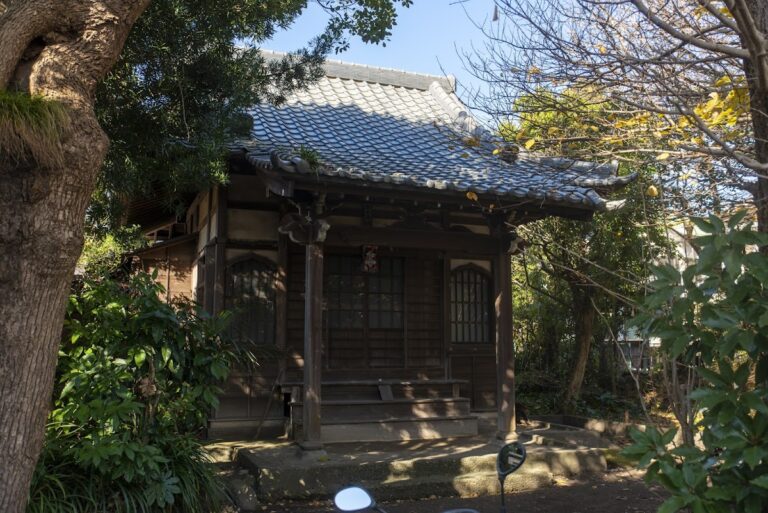
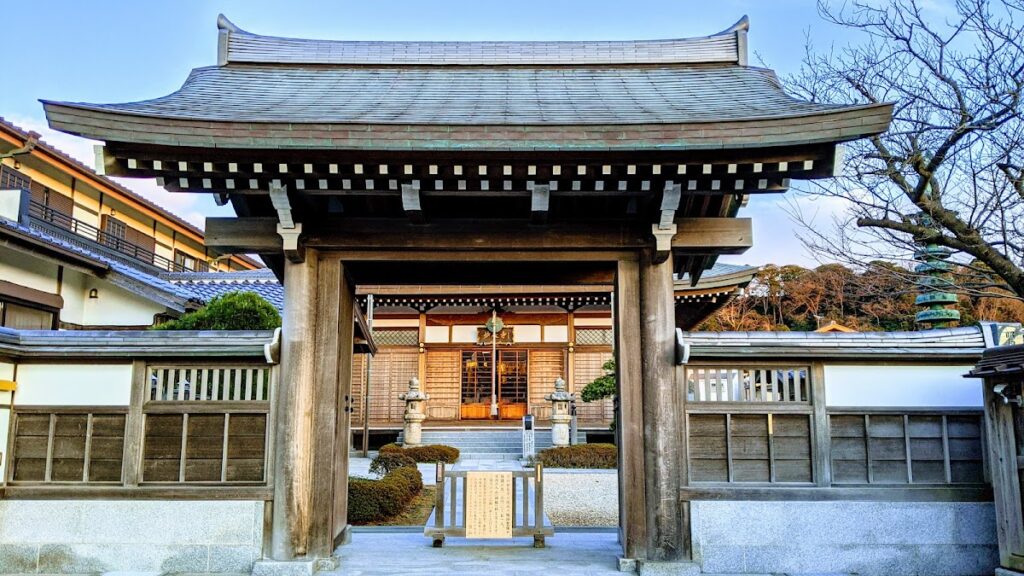
Located in Zaimokuza, Kamakura City, Kanagawa Prefecture, Myōchōji Temple is a venerable temple of the Nichiren sect with a history of over 700 years. It holds a moving story related to the “Izu Persecution,” one of Nichiren Shonin’s four major persecutions, and remains a beloved temple for many visitors today, deeply connected to fishermen and the common people.
This article comprehensively introduces everything you need to know before visiting Myōchōji Temple, from its historical background and highlights within the temple grounds to access information and cemetery details.
Basic Information about Myōchōji Temple
Official Name: Myōchōji Temple
Sect: Nichiren Buddhism
Mountain Name: Eunzan
Address: 2-7-41 Zaimokuza, Kamakura City, Kanagawa Prefecture 248-0013
Founder: Nichijitsu Shōnin
Year of Founding: Shōan 1 (1299)
Principal Image: Sanbōson (Shakyamuni Buddha, Many Treasures Buddha, Ten Realms Mandala)
Myōchōji Temple is a tranquil temple nestled in a quiet residential area, yet within walking distance of Kamakura Station. It is also close to Zaimokuza Beach, and has a long history rooted in a region with deep ties to the sea.
The History of Myōchōji Temple: The Story of Nichiren and the Fisherman
The Izu Persecution and Yasaburo Funamori
An essential part of the history of Myōchōji Temple is the story of Nichiren’s Izu Persecution.
In 1260, Nichiren was persecuted for submitting his “Risshō Ankoku Ron” (Treatise on Establishing Righteousness and Securing the Peace of the Nation) to the shogunate and was exiled to Izu Province (present-day Izu Peninsula, Shizuoka Prefecture). This is one of the four great persecutions, the “Izu Persecution.”
It was a local fisherman, Yasaburo Funamori, who rescued Nichiren when he was adrift on the Izu coast. Yasaburo risked his own life to protect Nichiren, providing food and shelter and caring for him devotedly. Deeply grateful for this kindness, Nichiren is said to have later imparted the teachings of the Lotus Sutra to Yasaburo.
Founded by Nichijitsu Shonin
Nichijitsu Shonin was the son of Funamori Yasaburo. Following in his father’s footsteps, Nichijitsu Shonin, a grand-disciple of Nichiren Shonin, trained and founded Myochoji Temple in 1299 (Shoan 1).
Initially, the temple was located in Numaura, Zaimokuza (near the present-day coast), but it is said to have been moved to its current location on higher ground after being damaged by a tsunami. This relocation was a wise decision to protect the temple from natural disasters, despite its deep connection to the sea.
From the Edo Period to the Present
During the Edo period, Myochoji Temple became a center of local faith as one of Kamakura’s Nichiren Buddhist temples, attracting particularly fervent devotion from those involved in the fishing industry. In the Meiji era, it is known as the place where the renowned author Izumi Kyoka stayed and wrote his novel, “Midarebashi” (The Tangled Bridge).
Even today, Myochoji Temple remains a deeply rooted community temple, cherished by its parishioners and visitors.
Highlights of Myōchōji Temple: A Thorough Introduction to the Temple Grounds
Izu Persecution Memorial Pagoda
The most striking feature on the temple grounds is the Izu Persecution Memorial Pagoda, approximately 11 meters tall. This pagoda was erected to commemorate the persecution of Nichiren Shonin in Izu and is a symbolic presence of Myōchōji Temple.
A sōrintō is a type of pagoda where the decorative part at the top is separated, and its form reaching towards the sky creates a solemn atmosphere. Originally located in Numaura, Zaimokuza, it was moved to its current location on the temple grounds after being damaged by a tsunami.
Visitors can reflect on the suffering of Nichiren Shonin and the devoted actions of Funamori Yasaburo while standing before this pagoda.
Scale Memorial Pagoda
Another distinctive feature of Myōchōji Temple is the Scale Memorial Pagoda. This memorial tower, erected in 1878 by fishermen from Kamakura, Zushi, and Misaki, is dedicated to comforting the spirits of fish and shellfish lost in fishing.
This memorial tower, imbued with the gratitude and compassion of fishermen who live in harmony with the sea, is a testament to Myōchōji Temple’s long-standing popularity among ordinary people, especially those involved in the fishing industry. Even today, memorial services are sometimes held here by those involved in the fishing industry, making it a valuable cultural asset that conveys the history and culture of the region.
Ship Used for Persecution
Within the temple grounds, there are models and related materials of a ship known as the Ship Used for Persecution. This commemorates the ship believed to have been used when Nichiren Shonin was exiled to Izu, and is an important exhibit that tells the story of Myōchōji Temple’s historical background.
Statue of Jōgyō Bodhisattva
A statue of Jōgyō Bodhisattva is enshrined within the temple grounds. Jōgyō Bodhisattva is a bodhisattva appearing in the Lotus Sutra, and is believed to have the merit of healing physical illnesses. Visitors pray for recovery from illness by washing the same area of their body as the affected area with water.
Those suffering from skin diseases or body pains are particularly frequent visitors, and can be seen quietly offering their prayers.
Seasonal Flowers
Myōchōji Temple also delights visitors with flowers throughout the seasons.
In spring, cherry blossoms, Genpei peaches, and azaleas adorn the temple grounds. The Genpei peach, in particular, is a rare variety that blooms with both red and white flowers simultaneously, making it a spectacular sight.
In autumn, the sweet fragrance of osmanthus flowers fills the temple grounds, providing a sense of peace and tranquility to visitors.
Visiting during the peak blooming season will allow you to appreciate Myōchōji Temple’s charm even more.
Access: How to get to Myōchōji Temple
Access by Train
Nearest Station: JR Yokosuka Line/Enoshima Electric Railway “Kamakura Station”
Walking from Kamakura Station
Approximately 15-25 minutes on foot from the east exit of Kamakura Station.
- Exit the east exit of Kamakura Station and head south along Wakamiya-ōji Street.
- Cross the Namerikawa River and proceed towards Zaimokuza.
- After passing through the residential area of Zaimokuza, you will arrive at Myōchōji Temple.
This route allows you to enjoy a stroll along the coast and experience the charm of Kamakura.
Access by Bus
From the east exit of Kamakura Station, take a Keikyu Bus (Routes Kamakura 40, Kamakura 41, etc.) and get off at the “Goshōjinja” bus stop. It’s approximately a 3-minute walk from there. The bus ride takes about 5-7 minutes.
Using the bus is convenient for those who have difficulty walking or who want to save time.
Access by Car
The temple is approximately 3-5 minutes by car from Kamakura Station.
Access from Major Roads:
- Approximately 20 minutes from the Asahina Interchange on the Yokohama-Yokosuka Expressway
- From National Route 134 (along the Shonan coast), head towards Zaimokuza
Parking: There is some parking space on the temple grounds, but the number of spaces is limited, so it is recommended to check in advance. There are also coin-operated parking lots nearby.
Kamakura is a tourist destination, so the roads can be congested, especially on holidays and during peak tourist seasons. It is recommended to plan your travel with ample time.
Cemetery Information at Myochōji Temple
Myochōji Temple also accepts burial plots. While a historical temple, it is characterized by its flexible operation that responds to modern needs.
Features of Myōchōji Cemetery
Sect: Primarily Nichiren Buddhism, but consultations may be possible for those of other sects (confirmation required).
Temple Membership Obligation: Some plots in the cemetery do not have a temple membership obligation.
Location: Conveniently located within walking distance of Kamakura Station.
Environment: Situated in a quiet residential area, offering a peaceful atmosphere.
Types and Price Ranges of Cemeteries
Myōchōji Temple primarily offers general burial plots. Specific prices and availability vary depending on the time of year, so please contact the temple or a cemetery broker directly.
Compared to typical temple cemeteries in Kamakura City, Myōchōji is relatively easily accessible and possesses high historical value, making it a popular choice.
Cemetery Visit and Consultation Method
If you wish to visit the cemetery or discuss purchasing a plot, we recommend making a reservation by phone in advance. It is important to confirm before visiting, as visits may coincide with temple events or memorial services.
When visiting, it’s a good idea to check the following points:
- Cemetery plot size and dimensions
- Annual maintenance fee
- Availability and usage conditions of memorial service facilities
- Parking availability
- Procedures for future grave closure or reburial
Goshuin (Temple Seal) Information
You can receive a Goshuin at Myōchōji Temple.
Goshuin Contents: Typically, the temple name “Myōchōji” and the Nichiren Buddhist mantra “Namu Myōhō Renge Kyō” are inscribed.
Reception Hours: Generally during the day (around 9:00 AM to 5:00 PM), but staff may be absent depending on temple circumstances. If you want to be sure to receive a Goshuin, it is recommended to call in advance.
Offering Fee: Generally around 300-500 yen.
It is important to bring your Goshuin book and make your request respectfully. A Goshuin is not a stamp rally, but a token of respectful worship.
Nearby Tourist Attractions
Near Myochōji Temple, there are many attractive tourist spots unique to Kamakura.
Zaimokuza Beach
Located about a 5-10 minute walk away, Zaimokuza Beach is bustling with swimmers in the summer and a quiet spot for strolling during other seasons. The views of Mt. Fuji and Enoshima are spectacular.
Kōmyōji Temple
A major temple representing Zaimokuza and the head temple of the Jōdo sect. About a 10-minute walk from Myochōji Temple. Its vast grounds and magnificent main gate are highlights.
Goshō Shrine
A shrine that has long been revered as the guardian shrine of Zaimokuza. Located about a 5-minute walk from Myochōji Temple.
Around Kamakura Station
The area around Kamakura Station is home to many classic Kamakura tourist spots, such as Komachi Street and Tsurugaoka Hachimangu Shrine. Visiting these in conjunction with a visit to Myochōji Temple will allow you to enjoy a fulfilling Kamakura sightseeing experience.
Manners and Precautions for Visiting the Temple
When visiting Myōchōji Temple, please observe the following manners and precautions.
Basic Manners for Visiting the Temple
- Be Quiet: Temples are places of prayer. Please refrain from loud conversations and noise.
- Photography: Photography is generally permitted on the temple grounds, but consideration for the interior of the main hall and other visitors is necessary.
- Dress Code: There are no specific regulations, but please avoid revealing clothing and dress neatly.
- Offerings: When visiting, please offer a monetary donation with gratitude.
Precautions When Visiting
- Visiting Hours: Visiting during the daytime is the norm. Please avoid visiting early in the morning or late at night.
- During Events: General visits may be restricted during memorial services or events.
- Cemetery Area: The cemetery is private space. Please refrain from entering other people’s family graves.
- Parking: Due to limited parking spaces, we recommend using public transportation whenever possible.
Myōchōji Temple and Izumi Kyōka
For literature fans, the relationship between Myōchōji Temple and the writer Izumi Kyōka is of great interest.
In 1891 (Meiji 24), the young Izumi Kyōka stayed at Myōchōji Temple in Kamakura and engaged in writing activities. One of the works born during this stay was the novel “Midarebashi” (The Tangled Bridge).
It is easy to imagine that the atmosphere of Kamakura and the tranquil ambiance of Myōchōji Temple stimulated Kyōka’s creative drive. Many people visit Myōchōji Temple as part of a literary stroll.
Annual Events
Various Buddhist events are held at Myōchōji Temple throughout the year.
- Oeshiki: A memorial service held around the anniversary of Nichiren Shonin’s death (October 13th).
- Spring and Autumn Equinox Services: Ancestor memorial services centered around the spring and autumn equinoxes.
- Urabon-e: A memorial service held during the Obon period in August.
Some events are open to non-parishioners, so those interested should inquire in advance.
Best Season for Visiting Myochoji Temple
Myochoji Temple can be visited throughout the year, but here are some particularly recommended times.
Spring (Late March to April)
Cherry blossoms and Genpei peach blossoms are in full bloom, creating a vibrant atmosphere on the temple grounds. It’s also the peak season for Kamakura sightseeing, making it ideal for visiting surrounding temples and shrines.
Early Summer (May)
Azaleas are in full bloom, allowing for a pleasant visit in refreshing weather. There are relatively fewer tourists, allowing for a leisurely stroll through the temple grounds.
Autumn (October-November)
The fragrance of osmanthus flowers fills the temple grounds, allowing visitors to pray in the crisp autumn air. A special atmosphere can be experienced during the Oeshiki festival.
Winter (December-February)
This is a time for quiet worship with fewer tourists. It’s the perfect season to reflect on the teachings of Nichiren Shonin in the serene air.
Summary: Rediscovering the Charm of Myochoji Temple
Myochoji Temple in Kamakura City, Kanagawa Prefecture, boasts a history of over 700 years and is a venerable temple steeped in the moving story of Nichiren Shonin and a fisherman.
Main Attractions of Myōchōji Temple:
- Historical background related to the persecution of Nichiren Shonin in Izu
- An 11-meter-tall memorial stupa for the persecution of Nichiren Shonin in Izu
- A memorial tower for fishermen, erected by fishermen
- Conveniently located within walking distance of Kamakura Station
- Temple grounds where you can enjoy flowers of all seasons
- Literary value associated with Izumi Kyōka
Located in Kamakura, a famous tourist destination, Myōchōji Temple offers a relatively quiet and peaceful atmosphere. It is a temple worth visiting for history buffs, followers of the Nichiren sect, those who enjoy literary walks, and those who wish to quietly rejuvenate their minds.
When sightseeing in Kamakura, be sure to visit Myōchōji Temple. You will feel the warmth of the temple, which has been preserved by the descendants of the fishermen who saved Nichiren Shonin, and the weight of its 700-year history.