Kinsenji Temple (Nishikan-ku, Niigata City, Niigata Prefecture) | Complete Guide to History, Cultural Properties, and Access
Kinsenji Temple, located in Takeno-cho, Nishikan-ku, Niigata City, Niigata Prefecture, is a historic temple belonging to the Chizan branch of the Shingon sect. It houses a wooden seated statue of the Holy Kannon, a city-designated cultural property, and has a long history as a center of local faith. This article provides a detailed introduction to Kinsenji Temple, including its historical background, valuable cultural properties, highlights within the temple grounds, and access information for visitors.
Basic Information about Kinsenji Temple
Location and Access
Location: 2676 Takenomachi, Nishikan-ku, Niigata City, Niigata Prefecture 953-0023
Phone Number: 0256-72-3339
Sect: Shingon-shu Chizan-ha
Nearest Station: Approximately 29 minutes on foot (approx. 2,262m) from Maki Station on the JR Echigo Line
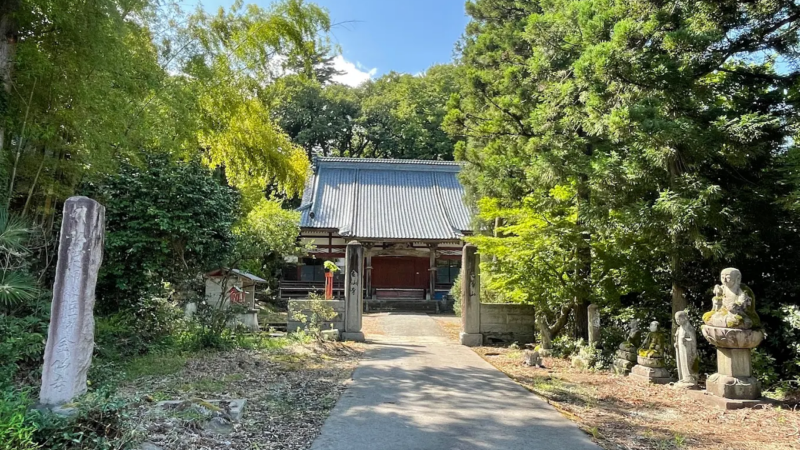
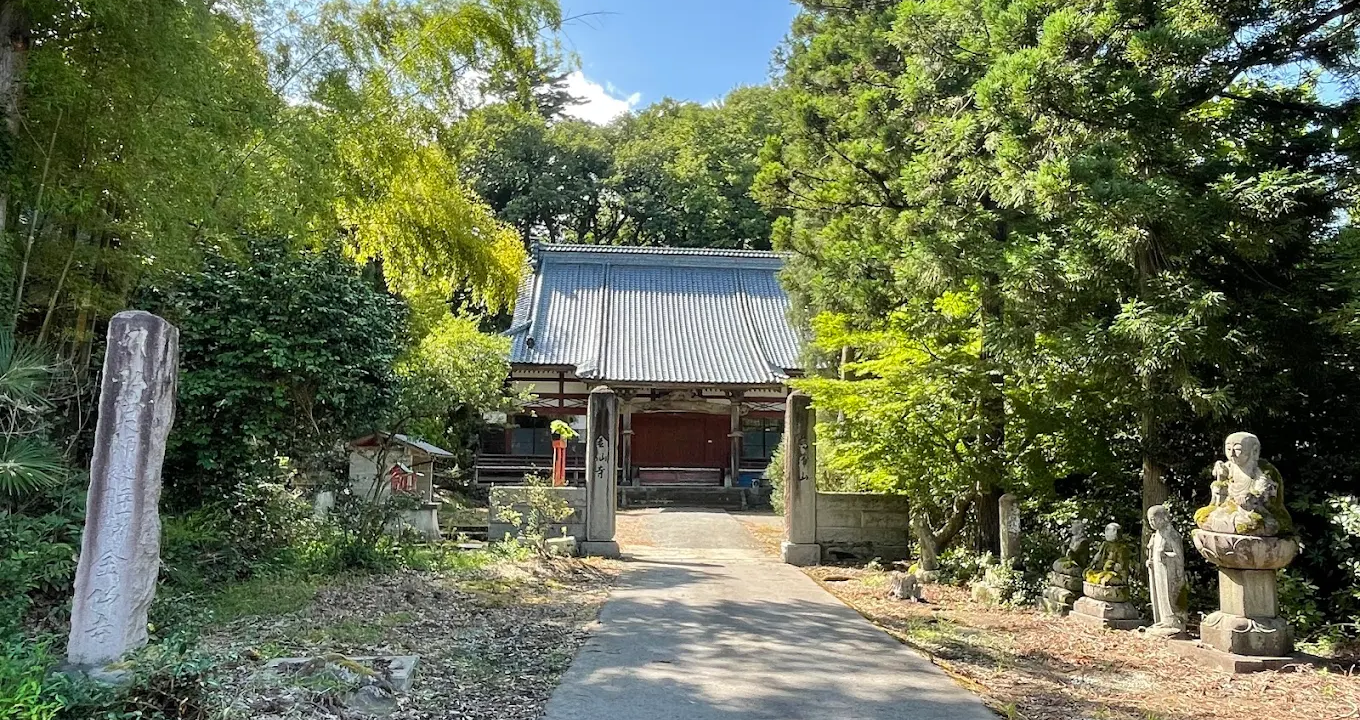
Kinsenji Temple is located in the Takenomachi area, slightly away from the center of Nishikan-ku, Niigata City, in a quiet environment surrounded by abundant nature. While it is accessible on foot from Maki Station, the distance makes using a car or taxi more convenient.
About Shingon-shu Chizan-ha
Kinsenji Temple belongs to the Shingon-shu Chizan-ha, one of the major sects of Shingon Buddhism, with Chishaku-in Temple in Kyoto as its head temple. Founded by Kobo Daishi Kukai, it is a sect that transmits the teachings of esoteric Buddhism and has many temples throughout Japan. Numerous Shingon-shu Chizan-ha temples exist within Niigata Prefecture, playing an important role in the region’s Buddhist culture.
History of Kinsenji Temple
Founding and History
Unfortunately, clear records regarding Kinsenji Temple’s founding date and detailed history are limited. However, it is certain that it has a long history as a Shingon-shu Chizan-ha temple and has functioned as a center of faith in the region.
The Nishikan-ku area of Niigata City has long developed as part of Echigo Province, and Buddhist culture took root there early on. Kinsenji Temple is thought to have played an important role as a spiritual support for local residents within this historical context.
Connection with the Community
Nishikan-ku, including Takeno-machi, is a naturally rich area facing the Sea of Japan, surrounded by mountains such as Mt. Kakuda and Mt. Taho. Agriculture has developed as a central industry, and strong community ties have been forged. Kinsenji Temple has deepened its bonds with residents through religious services and annual events, serving as a central presence in this community.
Shingon Esoteric Buddhism rituals and prayers are performed as important religious events praying for the peace and prosperity of local residents and abundant harvests, and Kinsenji Temple has played a role in passing on the spiritual culture of the region.
City-Designated Cultural Property: Wooden Seated Statue of Sho Kannon
Overview of the Cultural Property
The wooden seated statue of Sho Kannon owned by Kinsenji Temple is a designated cultural property of Niigata City and one of the temple’s most important treasures. Sho Kannon is the basic form of Kannon Bodhisattva and is widely worshipped as a compassionate bodhisattva who relieves the suffering of all sentient beings.
This seated statue of Sho Kannon is highly regarded as a representative work of regional Buddhist art due to its sculptural beauty and excellent state of preservation. The seated form expresses a quiet meditative posture, giving viewers deep peace and spiritual tranquility.
Characteristics and Value of the Sculpture
While the exact date of creation and the artist of the wooden seated statue of Sho Kannon remain unclear, its technique and style allow us to infer a certain historical context. Wooden Buddhist statues form the core of Japanese Buddhist art, and Shingon Buddhist temples, in particular, have housed many statues based on the doctrines of Esoteric Buddhism.
The serene expression of Sho Kannon, the flowing drapery, and the well-proportioned physique all demonstrate the skill of a master Buddhist sculptor. Such statues are not merely works of art; they have been objects of faith, receiving people’s prayers for centuries, and their religious and cultural value is immeasurable.
Significance of Cultural Property Designation
The designation of this seated statue of Sho Kannon as a cultural property by Niigata City indicates its importance in understanding the region’s history and culture. Cultural property designation guarantees proper preservation and management, ensuring its reliable transmission to future generations.
Kinsenji Temple bears the responsibility of protecting and passing on this valuable cultural property, contributing to the preservation of the region’s cultural heritage. For worshippers and researchers alike, this seated statue of Kannon (Goddess of Mercy) is an indispensable part of understanding Niigata’s Buddhist culture.
Highlights of the Temple Grounds
Main Hall and Temple Layout
The grounds of Kinsenji Temple are arranged according to the traditional layout of Shingon Buddhist temples. Centered around the main hall, the temple gate, bell tower, and other structures are arranged to welcome worshippers, creating a tranquil atmosphere for worship.
The principal image is enshrined in the main hall, where daily services and religious ceremonies are held. The solemn ritual space of Shingon Esoteric Buddhism evokes deep faith in visitors.
Nature Through the Seasons
Located amidst the rich natural environment of Nishikan-ku, Kinsenji Temple offers beautiful scenery throughout the seasons. In spring, cherry blossoms and wildflowers adorn the grounds; in summer, lush green trees provide cool shade; in autumn, the autumn leaves are stunning; and in winter, the snowscape creates a serene atmosphere.
The surrounding mountains, particularly Mt. Kakuda and Mt. Taho, are famous for their spring wildflowers, and visitors to Kinsenji Temple can also enjoy nature walks.
Local Religious Events
Kinsenji Temple holds various religious services and events throughout the year. Traditional Buddhist events, such as Obon and Higan services, and New Year’s celebrations, are preserved with the participation of local residents, strengthening community ties.
These events are not merely religious ceremonies; they also hold significant meaning as opportunities for the transmission of local culture and intergenerational exchange.
History and Culture of Nishikan-ku, Niigata City
Origins of Nishikan-ku
Nishikan-ku, Niigata City, is an administrative district created in 2005 through municipal mergers, integrating the former towns of Maki, Nishikawa, Iwamuro, Katagashi, and Nakanokuchi. Facing the Sea of Japan and surrounded by mountains such as Mt. Kakuda and Mt. Taho, it is a naturally rich area.
Agriculture has flourished in this area since ancient times, with rice cultivation in particular forming the foundation of the local economy. It is also known for its hot springs, including Iwamuro Onsen, and is blessed with abundant tourist resources.
Local Temples, Shrines, and Beliefs
Nishikan Ward is dotted with numerous temples and shrines, including Kinsenji Temple. These temples and shrines are important cultural assets that tell the story of the region’s history and have been central to the religious lives of the residents.
There are temples of various sects, including Shingon, Soto, and Jodo Shinshu, each with its own unique history and characteristics. Furthermore, festivals and Shinto rituals are held at local shrines, and the tradition of syncretism between Shinto and Buddhism remains strong.
Cultural Assets and Tourist Resources
Nishikan Ward preserves many cultural assets, including the wooden seated statue of Sho Kannon at Kinsenji Temple. It also boasts abundant tourist resources such as historical buildings like the Northern Culture Museum Annex and the former Sato family residence, the natural beauty of Mount Kakuda, and Iwamuro Onsen.
In recent years, new cultural events such as the “Straw Art Festival” have been held, promoting the creation of an attractive community that blends tradition and innovation.
About Kinzenji Temples Nationwide
Kinzenji Temples Across Japan
There are multiple temples named “Kinzenji” throughout Japan. According to Buddhist temple statistics, there are approximately 11 Kinzenji temples nationwide. These belong to different sects and each has its own unique history and characteristics.
The following are some of the most well-known Kinsenji temples:
- Niigata City, Niigata Prefecture, Nishikan-ku: Shingon-shu Chizan-ha sect (introduced in this article)
- Tokorozawa City, Saitama Prefecture: An ancient temple said to have been founded in the Heian period, famous for its weeping cherry tree approximately 150 years old
- Chichibu City, Saitama Prefecture: One of the temples on the Chichibu Seven Lucky Gods pilgrimage
- Toride City, Ibaraki Prefecture: Houses a wooden seated statue of Amida Buddha, a city-designated cultural property
- Namegata City, Ibaraki Prefecture: A local center of faith
- Saijo City, Ehime Prefecture: Kinsenji temple in the Shikoku region
- Omuta City, Fukuoka Prefecture: Kinsenji temple in the Kyushu region
As you can see, even with the same temple name, each temple has a different history and culture depending on the region and sect, and each plays an important role in conveying the local Buddhist culture.
Origin of the Temple Name
There are several theories regarding the origin of the temple name “Kinsenji,” but in Buddhism, “Kin” (金) symbolizes nobility and eternity, and “Sen” (仙) is sometimes used to represent the state of enlightenment attained by Buddhas and Bodhisattvas. It is believed that this temple name embodies the desire to seek the dignity of Buddhist teachings and the state of enlightenment.
Practical Information for Visiting the Temple
Detailed Access Information
Using Public Transportation:
- Get off at Maki Station on the JR Echigo Line
- Approximately 29 minutes on foot from the station (approx. 2.3 km)
- Approximately 5 minutes by taxi
Using a Car:
- Approximately 15 minutes from Makigatahigashi Interchange on the Hokuriku Expressway
- Approximately 30 minutes from central Niigata City via National Route 116
- Please inquire with the temple in advance regarding parking.
Manners for Visiting the Temple
When visiting the temple, please observe the following basic manners:
- Bow when passing through the temple gate
- Walk quietly within the temple grounds and refrain from loud conversations
- Take photographs only in designated areas
- Photography is generally prohibited inside the main hall (prior permission is required)
- Offer your donation quietly
- Bow before leaving the temple gate
Regarding Viewing Cultural Properties
Viewing of the wooden seated statue of Sho Kannon, a city-designated cultural property, may be restricted or not open to the public under normal circumstances. For information on special viewing opportunities and details, please contact the temple directly.
Viewing may be restricted from a cultural property protection standpoint, so prior confirmation is recommended.
Nearby Tourist Attractions
Major Tourist Attractions in Nishikan Ward
When visiting Kinsenji Temple, we recommend also visiting the surrounding tourist attractions:
Kakudayama: A 482m-high mountain famous for its spring wildflowers. It offers multiple hiking trails, and from the summit, you can see the Sea of Japan and Sado Island.
Iwamuro Onsen: A hot spring resort with over 300 years of history. It boasts numerous day-trip bathing facilities, making it ideal for relaxation after visiting the temple.
Hoppo Bunka Museum Annex: Known as the mansion of a wealthy farmer, it features a beautiful Japanese garden and historical buildings.
Wara Art Festival: A contemporary art event held annually in autumn. A giant straw sculpture appears in the rural landscape.
Nearby Temples and Shrines
Nishikan Ward has many other temples and shrines, offering opportunities for temple and shrine hopping:
- Mineyama Shrine: The guardian shrine of the region
- Myokoji Temple: A historical temple
- Mikata Suwa Shrine: Known for its traditional festivals
Visiting these temples and shrines will allow you to gain a deeper understanding of Nishikan Ward’s rich religious culture.
Kinsenji Temple and the Future of the Region
Efforts to Protect Cultural Properties
Kinsenji Temple bears the responsibility of properly preserving and managing the wooden seated statue of Sho Kannon, a city-designated cultural property, and passing it on to future generations. Protecting cultural properties requires appropriate temperature and humidity control, regular restoration, and research by experts.
Activities to protect and pass on this valuable cultural heritage continue through cooperation with local residents and the administration.
As a Hub for the Local Community
In modern society, temples are not merely religious facilities, but also play an important role as hubs for local communities. Kinsenji Temple also serves as a venue for local traditional events and cultural activities, providing opportunities for intergenerational exchange.
In rural areas facing aging populations and depopulation, the social role played by temples is becoming increasingly important.
Potential as a Tourism Resource
In promoting tourism that leverages the rich natural environment, hot springs, and historical and cultural resources of Nishikan-ku, historical temples like Kinsenji Temple have the potential to play a crucial role.
By appropriately protecting cultural properties and utilizing them as tourism resources in a sustainable manner, it is expected that both regional economic revitalization and cultural preservation can be achieved.
Summary
Located in Takeno-cho, Nishikan-ku, Niigata City, Niigata Prefecture, Kinsenji Temple is a historical temple belonging to the Shingon-shu Chizan sect and is an important cultural property center housing a wooden seated statue of Sho Kannon, a city-designated cultural property. In a quiet environment surrounded by abundant nature, it has preserved and passed down the region’s faith and culture.
When visiting Nishikan-ku, please consider adding a visit to Kinsenji Temple to your itinerary, along with other tourist spots such as Kakudayama and Iwamuro Onsen. In the tranquil atmosphere of this historic temple, you can find peace of mind and experience the profound depth of Niigata’s Buddhist culture.
For information on viewing cultural properties and other details, we recommend contacting the temple directly before your visit. While cherishing the history and culture of the region, Kinsenji Temple will continue to play its role as a center of faith and culture in Nishikan Ward.