Kitano Shrine (Hokuei-cho, Tohaku-gun, Tottori Prefecture) Complete Guide | History, Deities, Access, and Highlights Explained in Detail
Kitano Shrine, located in Hokuei-cho, Tohaku-gun, Tottori Prefecture, is a historic shrine said to have been founded in 1181. Formerly known as Tenmangu (Tenman Tenjin), it has been revered by the local people as the tutelary deity of Kohoku Village. This article comprehensively introduces information you should know before visiting Kitano Shrine, including its detailed history, enshrined deities, highlights within the grounds, and access methods.
Basic Information about Kitano Shrine
Location: 2701 Kohoku, Hokuei-cho, Tohaku-gun, Tottori Prefecture
Nearest Station: Shimokitajo Station, JR San’in Main Line
Deity Enshrined: Sugawara no Michizane
Former Name: Tenmangu, Tenman Tenjin
Founding: Traditionally believed to be in the first year of the Yowa era (1181)
Religious Corporation Number: 6270005004542
Kitano Shrine is located in the Kohoku district of Hokuei-cho, Tohaku-gun, in the central part of Tottori Prefecture. It is one of the historically important shrines in Hokuei-cho, also known as the birthplace of Gosho Aoyama, the author of Detective Conan.
History and Origins of Kitano Shrine
From Founding to the Reign of Emperor Antoku
There are various theories regarding the founding date of Kitano Shrine, but it is said that the shrine building was constructed during the Yowa era (1181-1182) of Emperor Antoku’s reign. This period corresponds to the late Heian period, a turning point from the peak of the Taira clan’s rule to its decline.
From its inception as the tutelary deity of Kohoku Village, it has functioned as the center of faith for the local residents. A tutelary deity is a god who protects people born in a particular area throughout their lives, making it an extremely important presence for the local community.
Faith as a Tenmangu Shrine
Historically, Kitano Shrine has been called “Tenmangu” or “Tenman Tenjin.” This is a common name for shrines dedicated to Sugawara no Michizane, the enshrined deity. The faith in Sugawara no Michizane, known as the god of learning, was widespread among the common people and attracted much reverence.
Construction of the Shrine Buildings by the Kamei Clan, Lords of Kano Castle
A noteworthy aspect of Kitano Shrine’s history is the large-scale construction of the shrine buildings during the Genna era (1615-1624). Kamei Musashi-no-kami (Kamei Korenori), the lord of Kano Castle, was known as a samurai deeply devoted to the Tenjin faith.
Kamei Korenori became the lord of Kano Castle in 1581 and reigned as the ruler of this region. He ordered his retainer, Isobe Heinai, to donate a vast area of land measuring 170 ken (approximately 309 meters) east-west and 170 ken (approximately 309 meters) north-south to the shrine and to construct a magnificent shrine building. This was a vast site, approximately 330 meters square, or over 100,000 square meters.
With this construction, Kitano Shrine evolved from a mere village tutelary shrine to a large-scale shrine representing the region. As a shrine protected by a samurai family, its status and influence greatly increased.
Changes in the Modern Era
Despite the influence of the Meiji-era separation of Shinto and Buddhism and the shrine consolidation policy, Kitano Shrine has continued to exist as the center of local faith. Even today, it continues to be revered by the people of Kitaei Town, including the Kohoku district, and preserves the region’s traditions and culture.
About the Deity: Sugawara no Michizane
The deity enshrined at Kitano Shrine is Sugawara no Michizane. Michizane was a scholar and politician active during the Heian period, known for his erudition and honest character.
The Life of Sugawara no Michizane
Sugawara no Michizane (845-903) was born into a family of scholars and displayed exceptional talent from a young age. He rose to the position of Minister of the Right in the imperial court, but was demoted to Dazaifu due to slander from political enemies and died in despair.
After his death, a series of strange occurrences occurred in Kyoto, leading to the construction of Kitano Tenmangu Shrine to appease Michizane’s vengeful spirit, and he was enshrined as Tenjin. Eventually, his character shifted from a vengeful spirit worship to a deity of learning and literature, and Tenmangu and Tenjin shrines spread throughout Japan. ### Divine Virtues
The main divine virtues of Sugawara no Michizane, enshrined at Kitano Shrine, are as follows:
- Academic Achievement and Passing Exams: Most famous as the god of learning
- Improvement in Writing: Due to his status as an excellent scholar of Chinese classics and poet
- Sincerity: A god who protects sincere hearts due to his honest character
- Protection from Misfortune: The aspect of protection from disaster in Tenjin worship
During exam season, many students and their parents visit to pray for success.
Highlights of the Shrine Grounds
Shrine Building
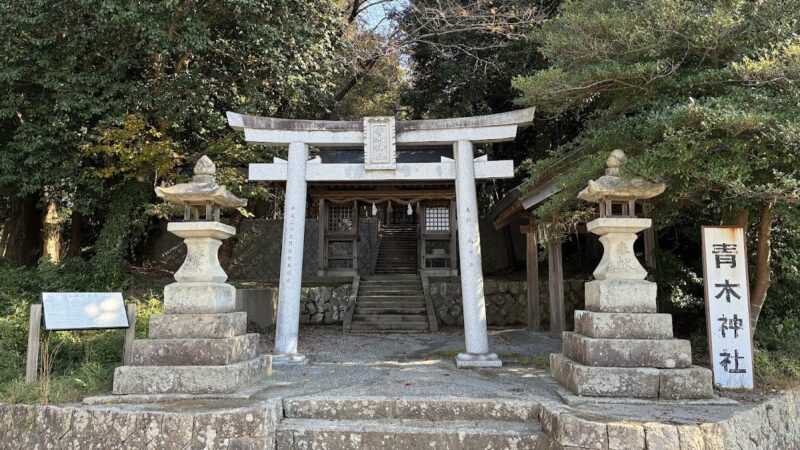
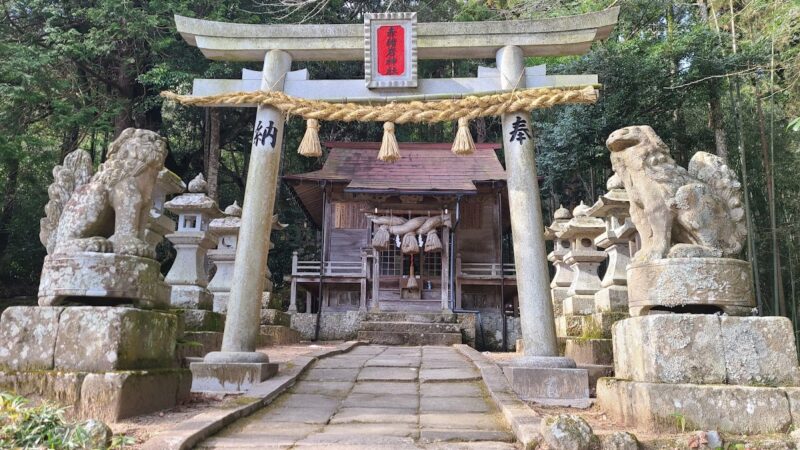
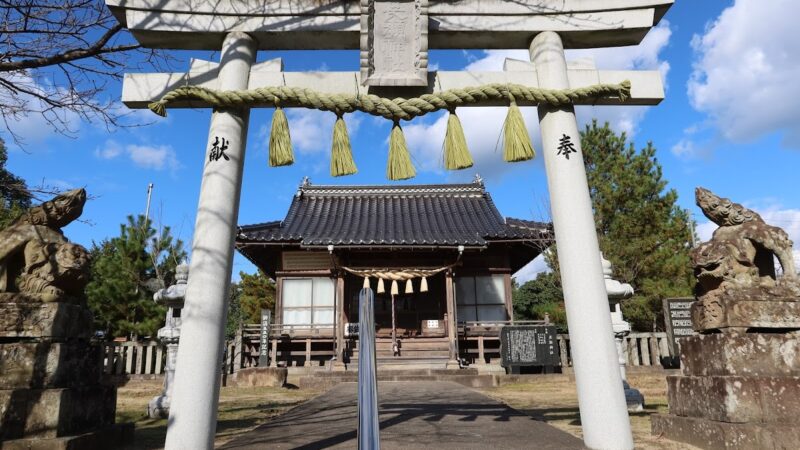
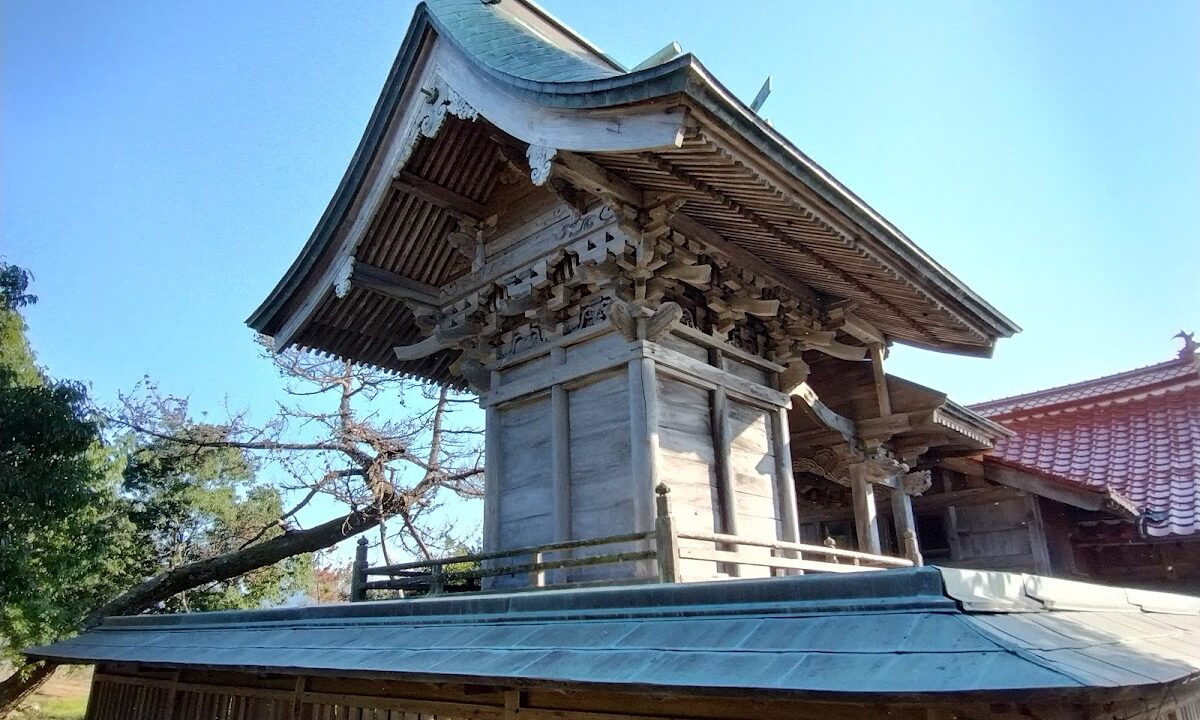
The shrine building, constructed by the Kamei family during the Genna era, has undergone subsequent restorations and still stands as a representative example of shrine architecture in the region. The style and decoration of the shrine building exhibit characteristics of early Edo period architecture.
Atmosphere of the Shrine Grounds
The grounds of Kitano Shrine, with its vast area of approximately 330 meters square, are enveloped in a tranquil atmosphere. Ancient trees line the grounds, creating a space where you can experience the beauty of nature throughout the seasons.
As the local guardian shrine, it is also a place where ceremonies marking important life events such as a baby’s first shrine visit, Shichi-Go-San (a traditional rite of passage for children), and exorcisms are performed.
Access and Surrounding Information
Access by Train
Nearest Station: JR San’in Main Line, Shimokitajo Station
The shrine is accessible on foot from Shimokitajo Station. The route from the station to the shrine passes through a residential area.
Access by Car
Access from within Tottori Prefecture:
- From Tottori City: Use National Route 9
- From Kurayoshi City: Use National Route 9
- From Yonago City: Use National Route 9
It is recommended to check the availability of parking before visiting.
Nearby Tourist Attractions
The following tourist attractions are located in Hokuei Town:
Gosho Aoyama Hometown Museum
A memorial museum for Gosho Aoyama, the author of Detective Conan. This is a must-see spot for Conan fans.
Conan Street Along the approximately 1.4km path from Yura Station to the Gosho Aoyama Manga Factory, statues of Conan characters are scattered about.
Hojo Sand Dunes While not as well-known as the Tottori Sand Dunes, it boasts a beautiful sand dune coastline.
Michi-no-Eki Daiei A facility where you can purchase local agricultural products and specialty goods.
Points to Note When Visiting a Shrine
Etiquette for Visiting a Shrine
Follow the general etiquette for visiting a shrine:
- Bow before passing through the torii gate
- Purify your body and mind at the water basin (temizuya)
- Walk on the path, avoiding the center
- Perform “two bows, two claps, one bow” in front of the main hall
- When leaving, turn around and bow after exiting the torii gate
Recommended Times to Visit
Hatsumode (First Shrine Visit of the New Year) (January 1st-3rd)
The shrine is bustling with visitors praying for happiness in the new year.
Tenjin Festival
Festivals related to the death anniversary of Sugawara no Michizane are sometimes held.
Exam Season (December-March)
The number of visitors praying for success in exams increases during this time.
Plum Blossom Season (February-March)
The season when plum blossoms, which have a deep connection with Tenjin-sama, bloom is also charming.
Kitano Shrine and the Local Community
As the Guardian Deity of the Kohoku District
Since its founding, Kitano Shrine has been deeply intertwined with the local community as the guardian deity of the Kohoku district. The belief in guardian deities forms the foundation of Japanese folk beliefs, a faith that protects those born in a particular area throughout their lives.
Local people have visited Kitano Shrine at important turning points in their lives, reporting to the deity and praying for protection. This tradition continues to this day.
Inheritance of Local Culture
Shrines are not merely places of worship; they play an important role in conveying the history and culture of a region. The history of Kitano Shrine is also the history of the Kohoku district.
Through festivals and annual events, intergenerational exchanges are fostered, strengthening the bonds of the local community.
Differences from Other Kitano Shrines in Tottori Prefecture
There are several Kitano Shrines in Tottori Prefecture. In particular, there is a Kitano Shrine in Tottori City, which is sometimes confused with Kitano Shrine, but each has a different history and characteristics.
Kitano Shrine in Tottori City
Located in Tomiyasu, Tottori City, it was originally enshrined as Buō Daimyōjin. During the Meiji era, it was merged with Tenmangu Shrine, resulting in its current form.
Kitano Shrine in Hokuei-cho, Tōhaku-gun
This shrine, featured in this article, boasts a unique history, including its founding during the Yōwa era and the large-scale construction of its shrine buildings by the Kamei clan.
When searching on a map or in a phone book, it’s important to confirm the address (2701 Kōhoku, Hokuei-cho, Tōhaku-gun).
Points to Note When Visiting Kitano Shrine
Visiting Hours
While shrines are generally open 24 hours for worship, the hours of the shrine office may be limited. If you wish to receive a Goshuin (shrine stamp) or prayers, it is recommended to check in advance.
Dress Code and Manners
As it is a sacred place, please dress appropriately. Especially when formally worshipping or receiving prayers, overly casual attire should be avoided.
Photography
Photography is generally permitted on the shrine grounds, but photography inside the main hall and during Shinto rituals should be refrained from. If unsure, please check with the shrine office.
Contact Information
For detailed and up-to-date information, please contact the Tottori Prefectural Shrine Association or the cultural affairs department of Hokuei Town.
Cultural Value of Kitano Shrine
Kitano Shrine is an important example of the changes in shrine worship in the Tohaku region of Tottori Prefecture from the medieval to the early modern period.
Value as Historical Material
It exhibits a typical pattern of Japanese shrine history, including its founding tradition during the late Heian period (Yōwa era), patronage by samurai families from the Sengoku period to the early Edo period, and subsequent changes in the modern era.
Importance in Regional History Research
It is a subject of multifaceted research, encompassing the relationship between the Kamei clan, lords of Kano Castle, and the local community, the history of Kōhoku Village, and the spread of Tenjin worship in the Tohaku region.
Summary
Kitano Shrine in Hokuei-cho, Tohaku-gun, Tottori Prefecture, is a historic shrine said to have been founded in 1181. As the tutelary shrine of Kohoku Village and a Tenmangu shrine dedicated to Sugawara no Michizane, the god of learning, it has long been a place of worship for the local people.
The historical episode of the large-scale construction of the shrine by the Kamei clan, lords of Kano Castle, speaks to the status and importance of this shrine. The vast grounds, approximately 330 meters square, demonstrate the deep reverence the samurai class held for the shrine at the time.
Even today, Kitano Shrine continues to function as an important place for life’s milestones, such as first shrine visits for newborns, Shichi-Go-San (a traditional rite of passage for children), and prayers for success in exams. When visiting Hokuei-cho, known as the hometown of Detective Conan, why not also visit this historic shrine?
Spending time in the tranquil grounds, reflecting on history and offering prayers to the god of learning, will surely be a memorable experience. Kitano Shrine, which preserves the history and culture of the region, is a hidden cultural treasure of Tottori Prefecture and well worth a visit.