Complete Guide to Kobune Shrine (Tomioka City, Gunma Prefecture) | History, Deities, Goshuin (Shrine Seal), and Access Information
Located in Tomioka City, Gunma Prefecture, Kobune Shrine is a venerable shrine with a history of approximately 1300 years, serving as an auxiliary shrine outside the grounds of Ichinomiya Nukisaki Shrine. Despite its small size, it has been cherished by the local community and has attracted worshippers as a place of prayer for abundant harvests and family safety. This article provides a detailed guide to Kobune Shrine, including its history, enshrined deities, highlights within the grounds, goshuin information, and access methods.
Basic Information about Kobune Shrine
Location
928 Tomioka, Tomioka City, Gunma Prefecture
Nearest Station
Approximately 500-950m south of Higashi-Tomioka Station on the Joshin Electric Railway Joshin Line (approximately 7-13 minutes on foot)
Shrine Rank
Outlying subsidiary shrine of Ichinomiya Nukisaki Shrine (former Harai-do)
Official Name
Sho-ichii Kobune Daimyojin (inscribed on the torii gate plaque)
Kobune Shrine is located in the city center of Tomioka City, yet is surrounded by a tranquil environment. While the grounds are small, they are characterized by an atmosphere that conveys a sense of historical weight.
History and Origins of Kobune Shrine
Founding and History from Ancient Times
Kobune Shrine has a long history, said to have been founded on the 15th day of the third month of the seventh year of the Hakuhō era (approximately 1300 years ago). The Hakuhō era corresponds to the late Asuka period, a crucial time for the formation of the ancient Japanese state. Shrines founded during this period are evidence of their long history as guardian deities of the region, attracting the faith of the people.
Since its founding, Kobune Shrine has been revered by the local people as the ancestral deity of abundant harvests, prosperity in occupations, family safety, and protection of the residents. It can be said that this shrine has watched over the lives of the people since an era when agriculture was central to their livelihoods.
Shrine Land and Relationship with the Tokugawa Family during the Edo Period
A noteworthy aspect of Kobune Shrine’s history is its relationship with the Tokugawa shogunate during the Edo period. The third shogun, Tokugawa Iemitsu, donated a vermilion seal granting the shrine 20 koku of land, indicating that it was a historically significant shrine officially recognized by the shogunate.
The donation of vermilion seal land demonstrates the shrine’s status and importance, illustrating the significant role Kobune Shrine played in the region. This land was used for the maintenance and management of the shrine and the execution of rituals, supporting its operation throughout the Edo period.
Relationship with Ichinomiya Nukisaki Shrine
Kobune Shrine is an auxiliary shrine located outside the grounds of Ichinomiya Nukisaki Shrine, and has particularly played the role of a “former purification hall.” A purification hall refers to a place where worshippers purify their minds and bodies before visiting the main shrine.
Nukisaki Shrine is a highly prestigious shrine as the Ichinomiya (first-ranked shrine) of Kōzuke Province, and its auxiliary shrine, Kobune Shrine, has also played an important religious role. The relationship between the two shrines continues to this day, and Kobune Shrine occupies a special position within the sphere of influence of Nukisaki Shrine.
Deities and Benefits
About the Deities
Detailed records regarding the deities enshrined at Kobune Shrine are limited, but given its nature as a purification hall, it is possible that the Four Deities of Purification (Seoritsuhime-no-kami, Hayakitsuhime-no-kami, Ibukidonushi-no-kami, and Hayasasurahime-no-kami) are enshrined there. These deities are known as gods who purify and cleanse away impurities.
Benefits and Divine Virtues
Kobune Shrine is believed to offer the following benefits:
- Abundant Harvest: Praying for a bountiful harvest of crops
- Career Prosperity: Praying for the development and success of one’s work
- Family Safety: Protection of family health and peace
- Protection of Residents: Safety and prosperity of local residents
- Exorcism and Purification: Function as a purification shrine
Especially due to its function as a purification shrine, many worshippers visit to purify themselves before starting something new or to pray for protection from evil.
Highlights and Cultural Assets on the Shrine Grounds
Torii Gate and Shrine Name Marker
Upon entering the grounds of Kobune Shrine, the first thing you see is the torii gate. The plaque on the torii reads “Sho-ichii Kobune Daimyojin,” indicating the high status of the shrine. The rank of Sho-ichii is the highest rank among Shinto shrines.
Main Shrine and Worship Hall
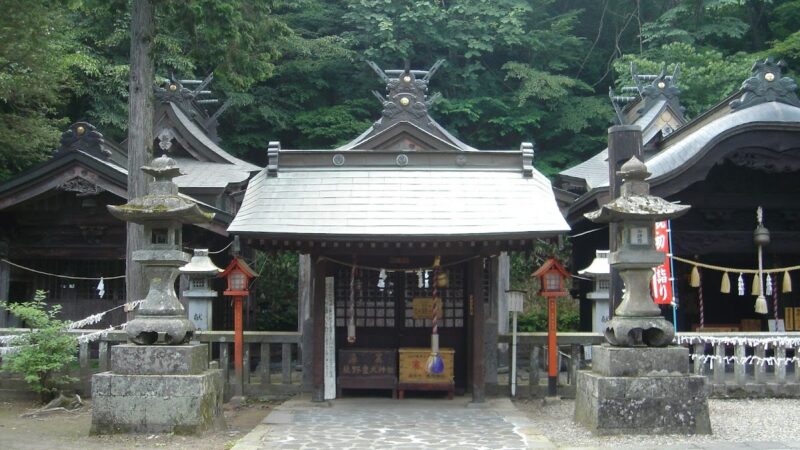
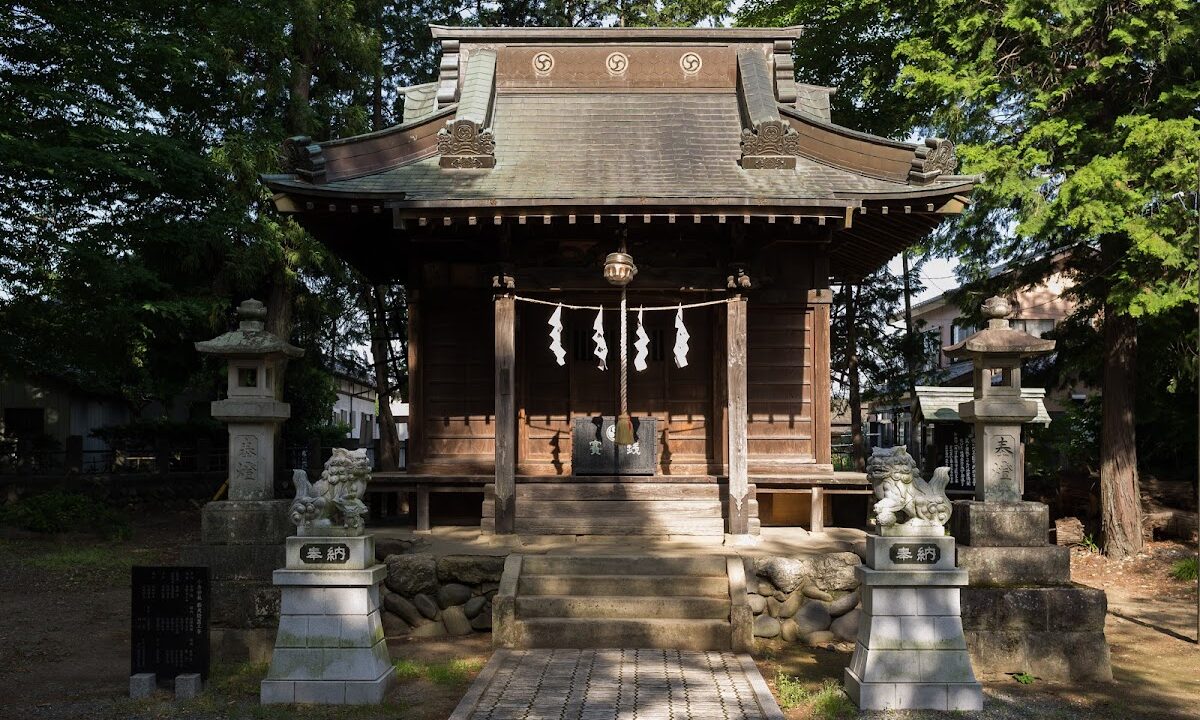
Although the shrine grounds are small, the main shrine and worship hall are neatly arranged. The architectural style is simple, yet it exudes a sense of long history. Many visitors take photographs, and the tranquil atmosphere of the grounds is particularly appealing.
Natural Environment of the Shrine Grounds
The grounds of Kobune Shrine are a quiet space away from the hustle and bustle of the city. The grounds, harmoniously integrated with the surrounding natural environment, offer peace of mind to visitors. The trees within the grounds, which display different expressions depending on the season, are also a highlight.
Goshuin (Shrine Seal) Information
Regarding the Issuance of Goshuin
Regarding the issuance of Goshuin at Kobune Shrine, there may not be a permanent shrine office. Those wishing to receive a Goshuin may need to go to the main shrine, Ichinomiya Nukisaki Shrine, so it is recommended to check in advance.
Many people take photographs as a record of their visit, and sharing images of the grounds on social media allows you to preserve memories of your visit.
Access Information and Parking
Access by Train
Nearest Station
Higashi-Tomioka Station, Joshin Electric Railway Joshin Line
Distance from Station
Approximately 500-950m south of Higashi-Tomioka Station (approximately 7-13 minutes on foot)
Higashi-Tomioka Station is the next station to Joshu-Tomioka Station and is also used when visiting the Tomioka Silk Mill. The route from the station is relatively flat and accessible on foot.
Access by Car
Access from Major Roads
- Approximately 10 minutes from Tomioka IC on the Joshinetsu Expressway
- Accessible from National Route 254
Parking
There is no large-scale parking lot specifically for Kobune Shrine, but there may be spaces available for visitors in the surrounding area. When visiting by car, please be considerate of the neighbors.
Address and Navigation Settings
Address
928 Tomioka, Tomioka City, Gunma Prefecture 370-2316
Entering the above address into your car navigation system or smartphone map app will allow you to confirm the exact location.
Nearby Tourist Attractions
Ichinomiya Nukisaki Shrine
Nukisaki Shrine, the main shrine of Kobune Shrine, is a prestigious shrine known as the Ichinomiya (first-ranked shrine) of Kōzuke Province. It features a unique “descending shrine” layout, and its shrine buildings, designated as a National Important Cultural Property, are a must-see. When visiting Kobune Shrine, we highly recommend also visiting Nukisaki Shrine.
Distance: Approximately 2km northwest of Kobune Shrine
Tomioka Silk Mill
The Tomioka Silk Mill, a UNESCO World Heritage Site, is an industrial heritage site symbolizing Japan’s modernization. The buildings of the silk reeling factory, constructed during the Meiji era, convey the cutting-edge technology of that time.
Distance: Approximately 1.5 km north of Kobune Shrine
Gunma Prefectural Museum of Natural History
A museum where you can learn about dinosaur fossils and the history of the Earth, and a popular spot for families. Exhibits also cover the nature and history of Tomioka City.
Distance: Approximately 3 km southwest of Kobune Shrine
Other Shrines and Temples in Gunma Prefecture
Gunma Prefecture has many historical shrines and temples besides Kobune Shrine.
Haruna Shrine (Takasaki City)
A shrine with an impressive main hall integrated with a giant rock, known as a power spot. The clear stream flowing through the grounds and the rich natural environment are also attractive features.
Myogi Shrine (Tomioka City)
A shrine located at the foot of Mt. Myogi, its magnificent and ornate carvings are a highlight. It is known as one of the most beautiful shrines in the Kanto region.
Akagi Shrine (Maebashi City)
This shrine is located on the shore of Lake Onuma on Mount Akagi, and its shrine buildings, which appear to float on the lake, create a fantastical atmosphere. It is also revered as a shrine that grants women’s wishes.
Shorinzan Daruma-ji Temple (Takasaki City)
Known as the birthplace of Takasaki Daruma dolls, numerous Daruma dolls are dedicated on the temple grounds. It is bustling with many worshippers during the New Year.
Manners and Points for Visiting a Shrine
Basic Worship Etiquette
- Bow before passing through the torii gate: This is a courtesy before entering the sacred area.
- Walk along the edge of the path: The center is considered the path of the gods.
- Purify yourself at the water basin: If there is a water basin, purify your hands and mouth.
- Worship at the main hall: Two bows, two claps, and one bow is the basic procedure.
Photography
Photography is permitted on the grounds of Kobune Shrine, but please note the following:
- Be considerate of other worshippers.
- Obey any restrictions on photography, such as inside the main hall.
- When posting on social media, remember to show respect to the shrine.
Suitable Time and Season for Visiting
Kobune Shrine is generally open year-round, but the following times are especially recommended:
- New Year’s (January 1st-3rd): The time for Hatsumode (first shrine visit of the year).
- Spring (March-May): A beautiful season with lush greenery in the shrine grounds.
- Autumn (October-November): Possible to see autumn foliage.
Early mornings and late mornings are quieter, allowing for a peaceful visit.
Annual Events at Kobune Shrine
Kobune Shrine may hold traditional local festivals. Specific annual events may be related to those of the main shrine, Nukisaki Shrine.
Annual Grand Festival
Many shrines hold their annual grand festivals in spring or autumn. It is recommended to check the date of Kobune Shrine’s annual grand festival in advance.
Monthly Festival
This festival is held on a fixed day each month to pray for the maintenance of the shrine and the peace and prosperity of the community.
History of Tomioka City and Kobune Shrine
Origins of Tomioka City
Tomioka City is located in the southwestern part of Gunma Prefecture and has developed as an important region of Kōzuke Province since ancient times. In the Middle Ages, Tomioka flourished as a castle town, and during the Edo period, sericulture became a major industry.
In the Meiji era, the Tomioka Silk Mill was established, and the city developed into an industrial city that spearheaded Japan’s modernization. Even today, with the silk mill’s World Heritage designation, it also has aspects of a tourist city.
The Role of Kobune Shrine in the Region
Throughout Tomioka’s history, Kobune Shrine has consistently been the center of faith for the local residents. In the era when agriculture was the main industry, it became a place to pray for abundant harvests; in the era of industrialization, it became a place to pray for prosperity in one’s occupation. It has received people’s wishes throughout the ages.
Even today, as the local guardian shrine, it continues to attract a steady stream of visitors for important life events such as New Year’s visits, Shichi-Go-San (a traditional rite of passage for children), and exorcisms.
How to Enjoy Visiting Kobune Shrine
As a Historical Exploration
With its 1300-year history, Kobune Shrine is an interesting spot for history enthusiasts. Visiting the shrine while imagining how it has walked hand in hand with the community from its founding in the Hakuhō period to the present day will make for a deeper experience.
For Mental Healing
The quiet grounds, far from the hustle and bustle of the city, are perfect for calming the mind. Leaving the busyness of daily life behind and enjoying the tranquil atmosphere of the shrine will refresh your mind and body.
As Part of Tomioka Sightseeing
Visiting Kobune Shrine when touring Tomioka’s main tourist spots, such as Tomioka Silk Mill and Nukisaki Shrine, will make for a more fulfilling sightseeing experience. There is joy in discovering the hidden charms of the region.
Visitor Voices and Reviews
Visitors who have come to Kobune Shrine have shared the following comments:
- “It’s a small shrine, but you can feel the history, and I was able to pray in peace.”
- “It’s a place where you can experience an atmosphere far from the city.”
- “Visiting it together with Nukisaki Shrine gave me a deeper faith experience.”
- “I liked the atmosphere of the shrine, which is deeply rooted in the community.”
These reviews convey the charm of Kobune Shrine. ## Points to Note When Visiting Kobune Shrine
About the Shrine Office
Kobune Shrine is a small shrine, so there may not be a resident priest. If you wish to receive a Goshuin (shrine stamp) or prayer, it is recommended to contact Nukisaki Shrine in advance.
Shrine Grounds Management
The shrine grounds are carefully maintained by local residents. Please observe the following points when visiting:
- Always take your trash with you.
- Do not damage the plants or facilities on the grounds.
- Worship quietly and respectfully.
- Be considerate of the lives of local residents.
Weather and Clothing
Since the shrine grounds are outdoors, it is recommended to dress appropriately for the weather. Especially in summer, the sun is strong, so a hat or parasol is useful. In winter, be sure to take adequate precautions against the cold.
Summary
Kobune Shrine is a historic shrine with a history of approximately 1300 years, located in Tomioka City, Gunma Prefecture. As an auxiliary shrine outside the grounds of Ichinomiya Nukisaki Shrine, and a former purification site, it has long been a place of worship for the local people.
With a historical background of land donation from Tokugawa Iemitsu, it is revered as a deity of abundant harvests, prosperity in occupations, family safety, and protection of the residents. Though small, its tranquil grounds offer a special space that provides peace of mind to visitors.
Visiting it along with nearby tourist attractions such as Tomioka Silk Mill and Nukisaki Shrine will allow you to gain a deeper understanding of Tomioka’s history and culture. Its convenient location, within walking distance of Higashi-Tomioka Station, is another attractive feature.
When visiting Gunma Prefecture, be sure to also visit Kobune Shrine. In the quiet grounds of this shrine with its long history, you can cleanse your mind and body and gain renewed vitality.