Complete Guide to Kochi Daijingu Shrine | The History, Goshuin (Shrine Seals), and the Charm of Yosakoi Inari Shrine, Kochi’s Ise Shrine
Located in the heart of Kochi City, Kochi Prefecture, right next to Hirome Market, Kochi Daijingu Shrine is a shrine beloved by locals as “Kochi’s Ise Shrine.” Founded during the Meiji era, this shrine enshrines Amaterasu Omikami as its main deity and has played a central role in Ise worship in Kochi Prefecture.
This article provides a detailed explanation of everything you need to know before visiting, including the history of Kochi Daijingu Shrine, its enshrined deity, the history of the Yosakoi Inari Shrine located within the grounds, information on goshuin (shrine seals), annual events, and access methods.
History and Origins of Kochi Daijingu Shrine
Founded in the Meiji Era
The history of Kochi Daijingu Shrine dates back to Meiji 11 (1878). In this year, construction of the shrine to welcome the divided spirit of Ise Grand Shrine began, and the enshrinement ceremony was held on July 8, 1879 (Meiji 12). It was founded to welcome the divided spirit of Ise Grand Shrine and to serve as the central shrine of Ise faith in Kochi Prefecture.
During the Meiji government’s policy of making Shinto the state religion, shrines enshrining the divided spirit of Ise Grand Shrine were built throughout the country, and Kochi Grand Shrine was born within this trend. For over 140 years since its founding, it has been revered as a spiritual center for the people of Kochi Prefecture.
As Kochi’s Ise Shrine
Kochi Grand Shrine, affectionately known as “Kochi’s Ise Shrine,” enshrines Amaterasu Omikami, the same deity as Ise Grand Shrine. In an era when it was difficult to travel to the distant Ise Grand Shrine, it welcomed many visitors as a valuable place where they could experience Ise faith locally.
Even today, it remains an important shrine in Kochi City, attracting many visitors not only from the local area but also from the tourism industry during New Year’s visits and festivals throughout the year.
Deities and Divine Virtues
Amaterasu Omikami
The deity enshrined at Kochi Grand Shrine is Amaterasu Omikami. Also known as Amaterasu Omikami, this goddess is the supreme deity in Japanese mythology and is known as the goddess who governs the sun. She is also the ancestral deity of the Imperial family and a representative Japanese deity enshrined at the Inner Shrine of Ise Grand Shrine.
Boundless and Extensive Divine Virtues
The divine virtues of Amaterasu Omikami are considered boundless and extensive, and she is worshipped as a goddess who grants all kinds of wishes. Kochi Grand Shrine is believed to offer the following divine blessings:
- God of Beginnings that Brings Happiness: Provides protection at the start of new ventures, life milestones, new challenges, and other beginnings.
- God of Prosperity and Happiness: Wishes for overall prosperity and happiness in life, including family safety, business success, and business prosperity.
- Protection from Evil and Good Fortune: Possesses the power to ward off misfortune and improve one’s luck.
- Matchmaking and Family Harmony: Helps to forge good relationships and deepen family bonds.
Due to its nature as a sun god, it is also revered as a source of life force and a symbol of vitality, and many people visit when they wish to improve their physical and mental health and gain a positive outlook.
The Charm of Yosakoi Inari Shrine
Inari Shrine Unique to Kochi
Within the grounds of Kochi Grand Shrine stands the “Yosakoi Inari Shrine.” This Inari Shrine is a unique shrine in Kochi Prefecture, named after the “Yosakoi Festival,” a representative festival of Kochi.
Yosakoi Inari Shrine is known for its divine blessings of business prosperity, abundant harvests, and improvement in performing arts. It is particularly revered by dancers, staff, and performers participating in the Yosakoi Festival, and many visitors come to pray for the festival’s success and improvement in their arts skills.
Fusion of Inari Faith and Kochi Culture
While Inari shrines are worshipped nationwide as gods of business prosperity, Yosakoi Inari Shrine has a unique form of worship that strongly reflects Kochi’s culture and traditions. It is visited by a wide range of people, including local shop and restaurant owners, and members of Yosakoi teams.
Although the shrine grounds are not particularly large, many visitors believe that visiting both Kochi Grand Shrine and Yosakoi Inari Shrine will bring more comprehensive blessings.
Highlights of the Shrine Grounds
Free-Ranging Chickens
One thing visitors to Kochi Grand Shrine are sure to notice are the chickens roaming freely on the grounds. The sight of multiple chickens freely wandering around the shrine grounds is unusual for an urban shrine and delights visitors.
Chickens have a deep connection to the shrine as they are considered messengers of Amaterasu Omikami (the sun goddess), the chickens of the eternal world (the long-crowing birds). While sacred chickens are also raised at Ise Grand Shrine, the chickens at Kochi Grand Shrine hold similar significance. Some are kept in cages, while others roam freely, creating a peaceful atmosphere at the shrine.
Atmosphere of the Shrine Buildings and Grounds
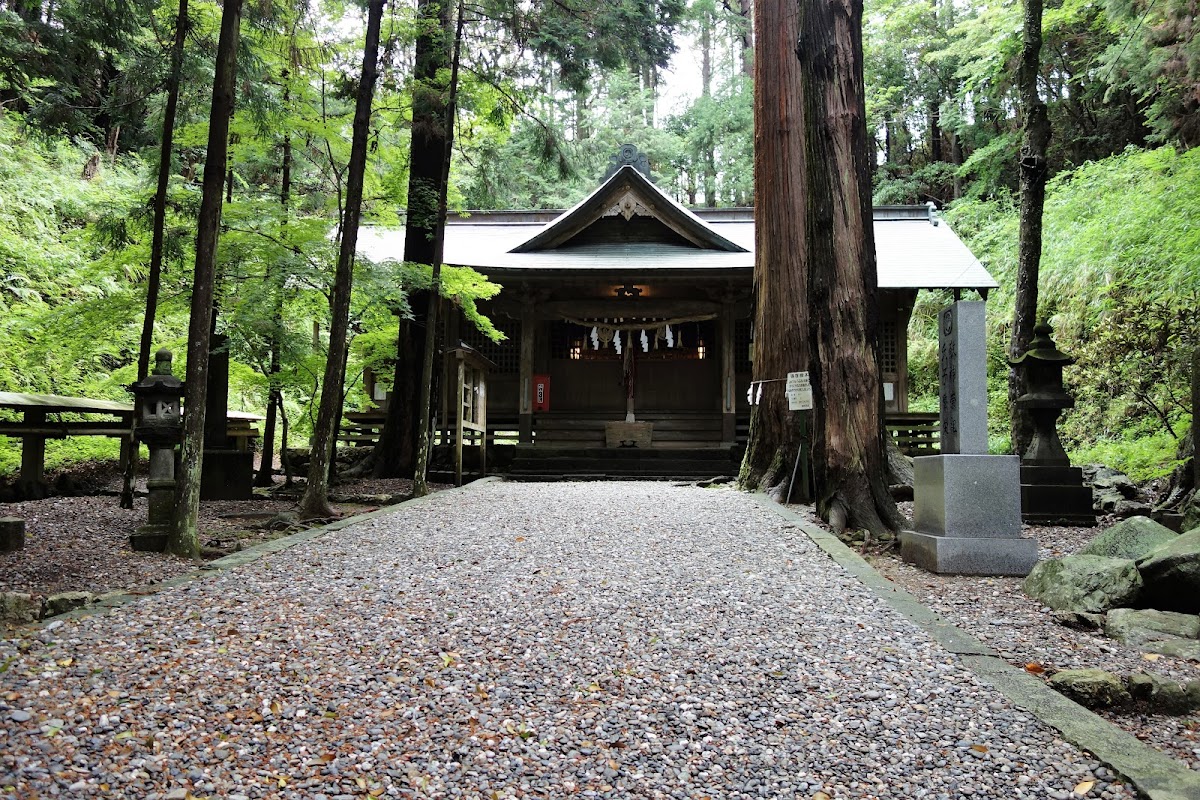
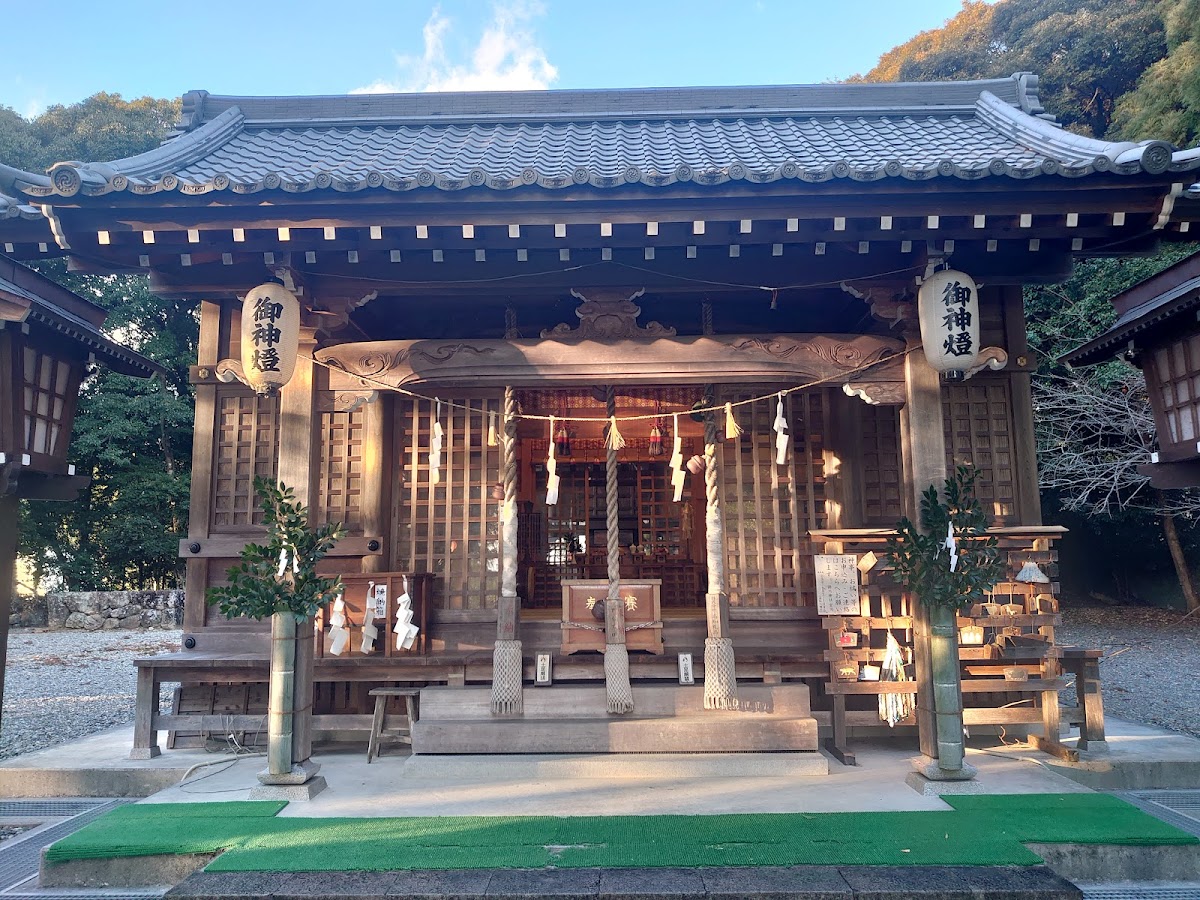
The shrine buildings of Kochi Grand Shrine are not large in scale, as they are built on a limited plot of land in an urban area. However, the meticulously maintained grounds are clean and tranquil, offering a sense of peace and serenity as you step away from the hustle and bustle of the city. The shrine building incorporates the Shinmei-zukuri architectural style, modeled after Ise Grand Shrine, creating a simple yet dignified appearance. Despite being located in a tourist area near Kochi Castle and the Obihiro-machi shopping street, it maintains a space where worshippers can offer their prayers in peace.
Excellent Location
Kochi Grand Shrine is located in Obihiro-machi 2-chome, in the heart of Kochi City, almost next to the popular tourist hub, “Hirome Market.” It’s also within walking distance of the Kochi Castle History Museum, making it easily incorporated into sightseeing routes along with Kochi Castle.
Despite being in the heart of the bustling downtown area, it offers a welcoming environment for worshippers, making it a popular shrine for locals and tourists alike, easily accessible while shopping or dining.
Goshuin (Shrine Seal) Information
Goshuin of Kochi Grand Shrine
Kochi Grand Shrine offers Goshuin (shrine seals). The goshuin (temple/shrine stamp) available at the shrine office is a simple yet dignified design, featuring the shrine’s name and date of visit written in ink, stamped with a red seal.
A goshuin is proof of your visit and a tangible record of your connection with the deity. Bringing a goshuincho (stamp book) with you makes it a precious memento of your trip.
Goshuin of Yosakoi Inari Shrine
Goshuin are also available at the Yosakoi Inari Shrine located within the shrine grounds. Collecting goshuin from both Kochi Grand Shrine and Yosakoi Inari Shrine allows you to enjoy a unique Kochi goshuin pilgrimage.
Shrine Office Hours
Goshuin are available at the shrine office. The office is usually open from 9:00 AM to around 5:00 PM, but hours may change during festivals and events. To ensure you receive a goshuin, it is recommended to call ahead to confirm.
Shrine Office Contact Information: 088-872-2635
Annual Events and Festivals
Main Annual Events
Kochi Grand Shrine holds various festivals and events throughout the year. The main events are as follows:
January
- Saitansai (January 1st): A festival celebrating the New Year
- Hatsumōde (First Shrine Visit of the Year): A festival bustling with many worshippers
February
- Setsubunsai (Bean-Throwing Festival): A prayer for protection from evil and for good fortune
- Kigensai (Founding Festival) (February 11th): A festival celebrating the founding of the nation
June
- Natsukoshi no Ōharae (Summer Purification Ceremony) (June 30th): A ceremony to purify oneself of sins and impurities accumulated over the past six months
November
- Niinamesai (Harvest Festival) (November 23rd): A festival to give thanks for a bountiful harvest
December
- Toshikoshi no Ōharae (Year-End Purification Ceremony) (December 31st): A ceremony to purify oneself of sins and impurities accumulated over the past year
Natsukoshi no Ōharae (Summer Purification Ceremony)
The Natsukoshi no Ōharae (Summer Purification Ceremony), held especially on June 30th, is one of the most important Shinto rituals. This traditional event, where people purify themselves of the sins and impurities accumulated over the past six months and pray for good health and protection from illness for the remaining half of the year, attracts many worshippers.
Shinto rituals such as passing through a ring of reeds are sometimes performed, making it an important milestone for purifying the mind and body and welcoming the second half of the year with a renewed spirit.
Basic Information and Access
Location and Contact Information
Kochi Daijingu Shrine
- Address: 2-7-2 Obihiro-cho, Kochi City, Kochi Prefecture 780-0841
- Phone: 088-872-2635
- Official Website: https://www.yosakoi-inari.com/kochidaijingu/
Transportation Access
Tram (Tosaden Kotsu)
- Get off at “Kochi-jo-mae Station,” approximately 5 minutes on foot
- Get off at “Ohashi-dori Station,” approximately 3 minutes on foot
The tram is a convenient mode of transportation for sightseeing in Kochi City. Easily accessible by tram from JR Kochi Station.
Bus
- Get off at the “Obiyamachi 1-chome” bus stop, approximately 2 minutes on foot.
Walking
- Approximately 20 minutes on foot from JR Kochi Station.
- Approximately 5 minutes on foot from Kochi Castle.
- Right next to Hirome Market.
Car
- Approximately 15 minutes from the Kochi IC on the Kochi Expressway.
- There is no dedicated parking lot, so please use nearby coin parking.
Visiting Hours
Entry to the shrine grounds is generally free, but the shrine office is open from approximately 9:00 AM to 5:00 PM. If you wish to receive a Goshuin (shrine stamp) or other items, it is recommended to visit within these hours.
Nearby Tourist Attractions
Hirome Market
Located right next to Kochi Grand Shrine, Hirome Market is a food stall-style market where you can experience Kochi’s food culture. You can enjoy Kochi’s gourmet food, including seared bonito, as well as a wide variety of local sake and souvenirs. After visiting the shrine, we recommend stopping by and enjoying the flavors of Kochi.
Kochi Castle
Kochi Castle, one of Japan’s 100 Famous Castles, is located about a 5-minute walk from Kochi Grand Shrine. It is one of the 12 remaining original castle keeps and a valuable castle with its main keep completely intact. From the keep, you can enjoy a panoramic view of Kochi city, making it recommended not only for history buffs but also for those who simply want to enjoy the scenery.
Kochi Castle History Museum
Located very close to Kochi Castle, the Kochi Castle History Museum allows you to learn about valuable materials passed down through the Yamauchi family, the lords of the Tosa domain, as well as the history and culture of Tosa. Combining a visit to Kochi Grand Shrine with a visit to Kochi Grand Shrine makes for a fulfilling sightseeing experience that touches upon Kochi’s history.
Obihiro-machi Shopping Arcade
Obihiro-machi, where Kochi Grand Shrine is located, is one of Kochi’s representative arcade shopping streets. It is also one of the main venues for the Yosakoi Festival and is bustling with shoppers on a regular basis. Local specialty products and restaurants line the streets, allowing you to experience the everyday atmosphere of Kochi.
Manners and Points for Visiting a Shrine
Etiquette for Visiting a Shrine
By observing the basic etiquette for visiting a shrine, you can offer a more heartfelt prayer:
- Bow before the Torii Gate: Before entering the shrine grounds, bow slightly before the Torii gate.
- Purify yourself at the Water Basin: If there is a water basin, purify your left hand, then your right hand, then your mouth.
- Walk along the edge of the path: The center of the path is considered the path of the gods, so walk along the edge.
- Etiquette in front of the Main Hall: The basic etiquette is two bows, two claps, and one bow.
Photography
Photography is generally permitted on the shrine grounds, but it is considered good manners to refrain from taking pictures inside the shrine building or during Shinto rituals. Also, when photographing free-roaming chickens, take pictures quietly so as not to startle them.
Clothing
There are no specific dress code requirements, but clean clothing that reflects the sacred nature of the place is desirable. Even if you’re just stopping by as part of your sightseeing, please be mindful of dressing appropriately and respectfully.
Kochi Grand Shrine Reviews and Reputation
Visitor Feedback
The following are some comments from people who have visited Kochi Grand Shrine:
- “Its convenient location next to Hirome Market made it easy to visit during sightseeing.”
- “The chickens on the shrine grounds were cute and soothing.”
- “Despite being in an urban area, it has a quiet and peaceful atmosphere, which is nice.”
- “It’s interesting that there’s a shrine unique to Kochi called Yosakoi Inari Shrine.”
- “I was happy that the goshuin (shrine stamp) was carefully written.”
Local Religion
Kochi Grand Shrine enjoys strong faith not only from tourists but also from local residents. Many people visit for important life events such as New Year’s visits, Shichi-Go-San (a traditional rite of passage for children), and exorcisms, making it a beloved shrine deeply rooted in the community.
Located in the heart of the shopping district, it attracts many local shop owners praying for business prosperity, and plays a role as a shrine watching over Kochi’s economy and culture.
Summary: Shrines to Visit in Kochi
Kochi Grand Shrine is known as “Kochi’s Ise Shrine,” revered as a spiritual haven for the people of Kochi Prefecture for over 140 years since the Meiji era. It enshrines Amaterasu Omikami, and watches over worshippers with boundless divine blessings.
The “Yosakoi Inari Shrine” within the grounds is a unique shrine characteristic of Kochi, and the free-roaming chickens are another of the shrine’s charms. Its excellent location, within walking distance of major tourist spots such as Kochi Castle and Hirome Market, is another reason why it’s so easy to visit.
Kochi Grand Shrine warmly welcomes a wide range of visitors, from those collecting Goshuin (shrine stamps) and those who enjoy visiting shrines, to those who want to experience Kochi’s history and culture, and those seeking blessings for daily happiness and new beginnings. When you visit Kochi, be sure to stop by.
The shrine office (088-872-2635) provides detailed information about festivals and events, so it’s recommended to visit on a special festival day. You’ll have a valuable experience of touching the spirit of Ise faith right in the heart of Kochi.