Mishozan Koganji Temple (Miyagi Prefecture) Complete Guide | History, Experiences, and Access Information for a Soto Zen Temple Associated with the Date Family
Located in Kashiwagi, Aoba-ku, Sendai City, Miyagi Prefecture, Mishozan Koganji Temple is a historic Soto Zen temple with ties to the Date family. Founded in 1615, this ancient temple was established to commemorate Takematsumaru, the third son of Date Masamune and his wife, Megohime. Even today, it remains popular with many visitors and local residents through experiential programs such as Zen meditation and sutra copying.
This article comprehensively introduces all the information you need to know before visiting Koganji Temple, including its historical background, highlights within the grounds, details of various experiential programs, information on temple stamps (Goshuin), and detailed access information.
The History and Origin of Hohoyama Koganji Temple
The Deep Sorrow of Takematsumaru and Aihime
The founding of Koganji Temple is deeply intertwined with the tragic history of the Date family. Takematsumaru, the third son born to Date Masamune and his wife Aihime, died prematurely on March 18, 1615, at the young age of seven. It is said that Aihime, in her deep grief over the loss of her beloved son, built Koganji Temple to mourn Takematsumaru’s passing.
The temple’s mountain name, “Hohoyama” (meaning “Smiling Mountain”), is said to have been chosen to commemorate the smiling face of Takematsumaru, who died young, and embodies the deep love of his mother, Aihime. This name expresses her eternal remembrance for her son who ended his short life.
The Position of Koganji Temple in Sendai Castle Town
The area where Koganji Temple is located, formerly Kita-Hachibanchō (present-day Kashiwagi and Tsutsumidori-Amamiyamachi in Aoba Ward), was a corner of Sendai Castle Town in the early Edo period, where foot soldier residences and samurai residences were located. Koganji Temple, built on the Kitaura site where Kita-Hachibanchō and the westernmost Tsuchibashi-dori intersect, has played an important role as the family temple of the Date clan.
As a Sōtō Zen temple, Koganji Temple has functioned as a spiritual pillar of the community for over 400 years since its founding. Under the current head priest, Abbot Kōdō Wagatsuma, efforts are being made to balance the continuation of traditional Buddhist ceremonies with new initiatives suited to modern society.
Koganji Temple Grounds and Highlights
Features of the Main Hall
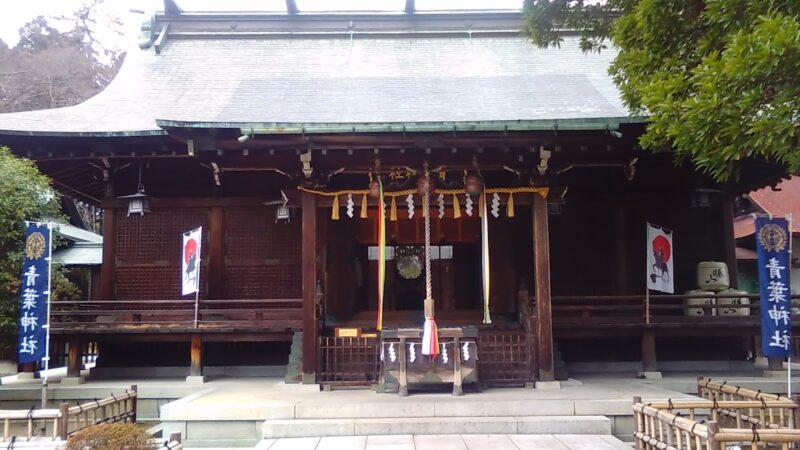
The main hall of Koganji Temple exhibits a tranquil atmosphere typical of a Sōtō Zen temple. The main hall regularly hosts Zen meditation sessions and Dharma talks, providing a space where visitors can easily experience Buddhist teachings. The tranquil atmosphere of the main hall makes it a popular place for peace of mind, despite its urban location.
Atmosphere of the Temple Grounds
Despite being located in the heart of Sendai city, the grounds of Koganji Temple maintain a quiet and peaceful atmosphere. The grounds, where visitors can experience the changing seasons, offer healing and tranquility. Especially during the cherry blossom season in spring and the autumn foliage season, visitors can enjoy beautiful scenery.
The grounds contain historical stone monuments and Buddhist statues, including the memorial tower for Takematsumaru-kun, conveying the deep connection with the Date family.
Programs Available at Koganji Temple
Koganji Temple offers a variety of experiential programs that allow visitors to experience Buddhist teachings firsthand. These programs are designed to be easily accessible even for beginners, providing a valuable opportunity for people leading busy lives in modern society to find inner peace.
Zen Meditation Experience
At Koganji Temple, a Soto Zen Buddhist temple, you can experience authentic Zen meditation. Zen meditation is a practice of correcting posture, calming the mind, and confronting oneself. Even beginners can participate with confidence, as careful instruction is provided on proper posture and breathing techniques.
By practicing Zen meditation in the quiet main hall, away from the hustle and bustle of the city, you can release daily stress and refresh your mind and body. Since sessions are held regularly, continuous participation will allow you to gain a deeper meditation experience.
Sutra Copying Experience
Sutra copying is another popular program at Koganji Temple. Sutra copying is a practice of carefully copying Buddhist scriptures character by character, and is believed to enhance concentration and calm the mind.
The act of copying scriptures such as the Heart Sutra using a brush or brush pen is a valuable “digital detox” time for modern people. By concentrating on writing, you can experience the feeling of distracting thoughts disappearing and your mind being purified.
Even those with no prior calligraphy experience can easily participate, as they can follow the example provided. Completed sutras can be taken home or dedicated to the temple.
Fudo-ko: Chanting and Dharma Talk
At Koganji Temple, the “Fudo-ko” (Fudo-ko) is held every third Wednesday of the month, featuring chanting and a Dharma talk. This traditional Buddhist event involves participants gathering in the main hall to chant sutras together, followed by a Dharma talk by the head priest.
The Dharma talk explains Buddhist teachings in an easy-to-understand way, connecting them to everyday life, making it accessible even for first-time participants. In the solemn atmosphere created by the resounding chanting in the main hall, you can experience the Buddhist worldview.
Participants from both the local area and further afield are welcome, reflecting the temple’s open and welcoming attitude.
How to Reserve Experience Programs
Those wishing to participate in any of the experience programs are advised to contact Koganji Temple in advance. While some programs are held regularly, advance reservations are recommended to allow for accurate participant counts and preparation.
Information about Koganji Temple’s experience programs is also available on experience booking websites such as “Sendai Tabibiyori,” and online reservations may be possible. For detailed information on dates, times, and participation fees, please refer to the official website or contact the temple directly.
Goshuin (Temple Seal) and Goshuincho (Seal Book) Information
Koganji Temple’s Goshuin
You can receive a Goshuin at Koganji Temple. Goshuin are popular among many visitors as proof of their visit and as a tangible memento of their connection with the temple.
The Koganji Temple Goshuin features the temple’s mountain name, “Mihoshi-zan,” and its temple name, “Koganji,” in calligraphy, along with the temple’s seal. Each Goshuin is carefully handwritten, making it a cherished memento of your visit.
Etiquette When Receiving a Goshuin (Temple/Shrine Stamp)
When receiving a Goshuin, it’s important to observe several etiquette rules. First, understand that a Goshuin is proof of your visit, not a stamp rally. It’s essential to complete your prayers before requesting a Goshuin.
Bring your Goshuincho (stamp book) and hand it to the person instructed, with the page you want written on open. It’s best to prepare the Goshuin fee (generally around 300 yen) in advance to avoid needing change.
Wait quietly while the Goshuin is being written, and receive it with gratitude once it’s finished. Even if you’re in a hurry, it’s important to be polite and respectful.
How to Access Koganji Temple
Basic Information
Location: 3-7-40 Kashiwagi, Aoba-ku, Sendai City, Miyagi Prefecture
Sect: Soto Zen
Mountain Name: Hohozan
Chief Priest: Kodo Wagatsuma
Access by Public Transportation
Using the Sendai Subway
The nearest station is Tohoku Fukushi University Station on the Sendai Subway Namboku Line. Koganji Temple is within walking distance from the station, making access convenient. Tohoku Fukushi University Station is located a few stops north of Sendai Station, providing good access from central Sendai.
Using the Bus
From bus stop #9 in front of Sendai Station, take the “899 system, Koheimachi → Kitayama Loop” bus and get off at the “Ryuunin-mae” bus stop. Koganji Temple is very close, about a 3-minute walk from the bus stop, and the route is easy to follow.
For bus schedules and frequency, it is recommended to check the Sendai City Transportation Bureau website or various transit apps in advance. Please note that bus schedules may differ, especially on weekends and holidays.
Access by Car and Parking Information
If traveling by car, head northwest from central Sendai towards the Kashiwagi area of Aoba Ward. When using a car navigation system, searching for the address “3-7-40 Kashiwagi, Aoba Ward, Sendai City” or the temple name “Kōganji” is recommended.
Regarding parking, there may be parking spaces available for visitors, but since the number of spaces may be limited, it is recommended to check with the temple in advance. Especially during memorial services and events, congestion is expected, so consider using public transportation.
Nearby Attractions and Tourist Spots
Temples in the Kitayama Area
The Kitayama/Kashiwagi area of Aoba Ward, Sendai City, where Kōganji is located, is home to many temples. This area is known as Sendai’s temple district, dotted with temples of various sects, including the famous Rinzai Zen temples known as “Kitayama Gozan.”
When visiting Koganji Temple, exploring the surrounding temples will allow you to gain a deeper understanding of Sendai’s history and culture. Each temple has its own unique history and characteristics, making temple hopping an enjoyable experience.
Ryoun-in Temple
Ryuun-in Temple, whose name is also used for a bus stop, is located near Koganji Temple. It is also known as a temple associated with the Date family and houses historically valuable buildings and cultural assets.
Access to Sendai City Center
Kogakuji Temple is easily accessible from Sendai city center by public transportation. The area around Sendai Station is home to numerous commercial facilities and tourist attractions, making it possible to enjoy sightseeing in Sendai after visiting the temple.
Sendai’s representative tourist spots, such as Jozenji-dori, Aoba Castle Ruins, and Sendai Toshogu Shrine, are also relatively close, allowing you to plan a sightseeing itinerary that includes visiting multiple spots in one day.
Manners and Etiquette for Visiting Koganji Temple
Basic Worship Etiquette
When visiting a temple, it is important to observe basic worship manners. First, bow when passing through the temple gate. This is a sign of respect for entering the realm of Buddha.
In front of the main hall, first straighten your posture, bring your hands together in prayer, and quietly clap your hands. In Buddhism, you do not clap your hands like at Shinto shrines. Offer your prayers quietly and with sincerity.
Within the temple grounds, it is required to maintain silence and refrain from speaking loudly or running around. Regarding photography, some areas, such as inside the main hall, are off-limits for photography, so it is advisable to check beforehand or to take pictures discreetly.
Attire
Unless you are participating in a special ceremony or Zen meditation experience, everyday clothing is acceptable. However, avoid overly flashy or revealing clothing, and aim for calm and appropriate attire for a temple.
If you are participating in an experience program such as Zen meditation or sutra copying, comfortable clothing that allows for easy movement and sitting in the seiza position is recommended. Trousers are more appropriate than skirts.
Annual Events at Koganji Temple
Regularly Held Events
Koganji Temple holds various Buddhist events throughout the year. In addition to the Fudo-ko (Fudo Myoo lecture) held on the third Wednesday of every month, regular Zen meditation sessions and sutra copying sessions are held, providing opportunities for local residents and visitors to experience Buddhist teachings.
Major Annual Events
Traditional Buddhist events such as the Spring Equinox service, the Obon (Buddhist festival) service, and the Autumn Equinox service are held. These events are sometimes open to general visitors as well as temple parishioners.
Especially around March 18th, the anniversary of Takematsumaru’s death, memorial services related to the temple’s founding are sometimes held, making it an important day to commemorate the history of Koganji Temple.
Points to Note When Visiting Koganji Temple
Visiting Hours
It is recommended to check the temple’s opening hours and visiting hours in advance. Generally, the temple is open for worship during daytime hours, but the gates may be closed in the early morning or after sunset.
If you wish to receive a Goshuin (temple stamp) or participate in an experience program, you should pay particular attention to the time of day. Since it may be difficult to accommodate requests during lunchtime or during religious services, visiting in the morning or early afternoon is recommended.
How to Contact
The most common ways to contact Koganji Temple are by phone or in person. For reservations for experience programs, checking event schedules, or any other questions, it is recommended to contact them in advance.
For the latest information, you can also check temple and shrine information websites such as “Hotokami” and the experience program page on “Sendai Tabibiyori.” These sites also feature photos and reviews posted by visitors, which can be helpful before your visit.
Weather Impact
Sendai City, Miyagi Prefecture, has distinct seasons, and snowfall occurs in winter. Especially when visiting in winter, be sure to take adequate precautions against the cold and be careful of slippery ground. Since the stone pavements and stairs within the temple grounds may be frozen, it’s best to wear non-slip shoes.
During the rainy season and typhoon season, it’s recommended to check the weather forecast before visiting.
The Charm and Modern Significance of Koganji Temple
A Spiritual Sanctuary in an Urban Area
Located in an easily accessible location from the center of Sendai City, Koganji Temple maintains a quiet and peaceful atmosphere, playing a valuable role as a “spiritual sanctuary” in modern society.
Taking time away from the hustle and bustle of daily life to confront oneself through Zen meditation and sutra copying is a precious opportunity for modern people living in a stressful society to regain balance in mind and body.
A Cultural Heritage Site that Tells the History of the Date Family
Koganji Temple is an important cultural heritage site that conveys the history of the deep love and sorrow of Date Masamune and his daughter, Ai-hime. Through the life of a young boy named Takematsumaru, you can feel the emotions of people who lived through the transition period from the Sengoku period to the Edo period.
Visiting temples associated with the Date family, such as Koganji Temple, offers a valuable historical experience that goes beyond textbooks.
Initiatives as an Open Temple
Koganji Temple, while preserving its traditions, is actively engaged in activities that open it to modern society. Through experiential programs such as Zen meditation and sutra copying sessions, it provides opportunities for people unfamiliar with Buddhism to easily participate.
It also collaborates with tourism platforms such as “Sendai Tabibiyori,” playing a role as a local tourism resource. These initiatives are noteworthy as attempts to build a new relationship between the temple and the local community.
Summary: A Recommendation to Visit Koganji Temple
Koganji Temple, a Soto Zen temple with over 400 years of history and ties to the Date family, stands quietly in Aoba Ward, Sendai City. Founded to commemorate Takematsumaru-kun, this temple possesses a warm atmosphere, symbolized by its mountain name, “Hohoemi-zan” (Smiling Mountain), which reflects the deep love of his mother, Ai-hime.
While easily accessible from central Sendai by subway and bus, the temple grounds are enveloped in tranquility, offering a space to forget the hustle and bustle of the city. Experiential programs such as Zen meditation and sutra copying are easily accessible even for beginners, providing a valuable opportunity to calm the mind.
You can also receive a Goshuin (temple stamp), preserving a memento of your visit. Many other temples are located in the surrounding area, allowing you to enjoy temple hopping.
When visiting Sendai, we highly recommend visiting Hohoemi-zan Koganji Temple and spending some quiet time reflecting on the history of the Date family. For those of us living busy lives in modern society, an experience at Koganji Temple will bring a refreshing change of heart and new insights.