Complete Guide to Shōenji Temple (Aoba-ku, Sendai City, Miyagi Prefecture) | History, Access, Events, and Visiting Information
Shōenji Temple, located in Shinzaka-cho, Aoba-ku, Sendai City, Miyagi Prefecture, is a historic temple belonging to the Jōdo sect. Situated in a quiet residential area close to the center of Sendai, it has long been a cherished place of faith for the local people. This article comprehensively provides useful information for those considering a visit to Shōenji Temple or those interested in temples in Sendai City, from basic information and historical background to access methods, annual events, and information on surrounding temples.
Basic Information about Shōenji Temple
Location and Access
Shōenji Temple is located at 6-1 Shinzaka-cho, Aoba-ku, Sendai City, Miyagi Prefecture. Aoba-ku is the central ward of Sendai City, an area where administrative institutions such as the city hall and prefectural government, as well as educational institutions such as Tohoku University, are concentrated. Shōenji Temple is located in the northern part of Aoba-ku, in an area called Kitayama.
Nearest Station:
- Approximately 10 minutes on foot from Kitayama Station on the JR Senzan Line
- Approximately 20 minutes on foot from Kita-Yonbancho Station on the Sendai City Subway Namboku Line, or approximately 10 minutes by bus
Access by Bus:
If using Sendai City Buses, the nearest bus stop is “Shinzakamachi”. Multiple routes operate from the Sendai Station West Exit Bus Pool, and the journey takes approximately 15 minutes.
Access by Car:
Approximately 10 minutes by car from Sendai Station. Approximately 20 minutes from the Sendai-Miyagi Interchange on the Tohoku Expressway. Since the area around the temple is residential, consideration should be given to avoid disturbing the neighbors during visits.
Sect and Principal Image
Sect: Jodo-shu (Pure Land Sect)
Principal Image: Amida Buddha
Jodo-shu is one of the Japanese Buddhist sects founded by Honen Shonin, and its teachings center on the desire for rebirth in the Pure Land by chanting the Nembutsu, “Namu Amida Butsu”. Shōenji Temple, based on the doctrines of the Jōdo sect, enshrines Amida Buddha as its principal deity and has attracted the faith of the local people.
Amida Buddha is known as a Buddha with immeasurable light and lifespan, a compassionate Buddha who saves all sentient beings. At Shōenji Temple, daily services and religious ceremonies are conducted centered around the Amida Buddha statue enshrined in the main hall.
History and Origins of Shōenji Temple
Background of Founding
While the exact founding date and detailed history of Shōenji Temple are unclear due to limited existing records, the Kitayama area of Aoba Ward in Sendai City has a history of developing as a temple town since the early Edo period. It is known that Date Masamune, the founder of the Sendai Domain, gathered many temples in the Kitayama area when developing the castle town of Sendai, and it is highly likely that Shōenji Temple was relocated or founded in its current location during this period.
Development of Kitayama as a Temple District
The Kitayama area of Aoba Ward in Sendai City is home to many temples, including Shōenji Temple. This is because when Date Masamune constructed the Sendai castle town, he gathered temples on the north side of the castle for defensive reasons. Temples could also serve as fortresses in times of emergency, and the monks played a vital role in the culture and education of the castle town.
Shōenji Temple also occupies a corner of this temple district and, as a Jōdo sect temple, has served as a spiritual pillar for the local residents. Throughout the Edo period, it maintained deep ties with the community under the danka system (parishioner system), and has a history of being an integral part of people’s lives through funerals, memorial services, and annual events.
Modern and Contemporary History
Japanese temples faced numerous difficulties, including the anti-Buddhist movement after the Meiji Restoration and the damage caused by World War II. Shōenji Temple, too, overcame these challenges with the support of the local people. In particular, while much of Sendai City’s urban area was destroyed in the 1945 Sendai air raids, the Kitayama area suffered relatively little damage, and many temples were able to retain their pre-war appearance. After the post-war period of rapid economic growth, Sendai City developed into the largest city in the Tohoku region. However, Shōenji Temple remained a deeply rooted local temple, continuing to transmit the teachings of the Jōdo sect to this day.
Shōenji Temple Grounds and Facilities
Main Hall
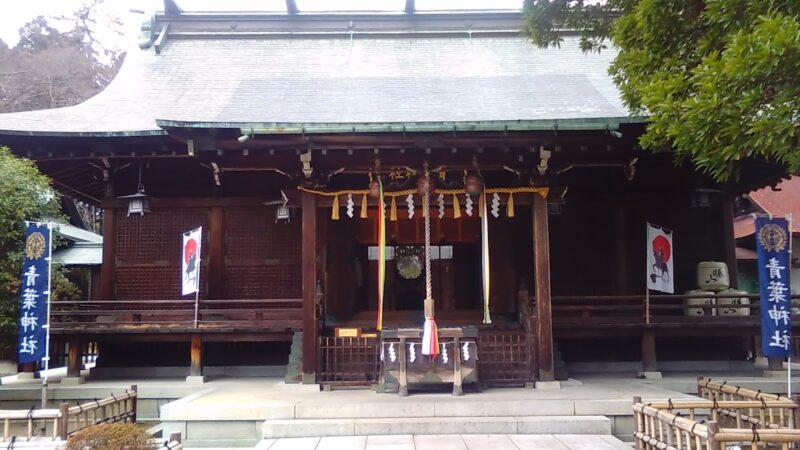
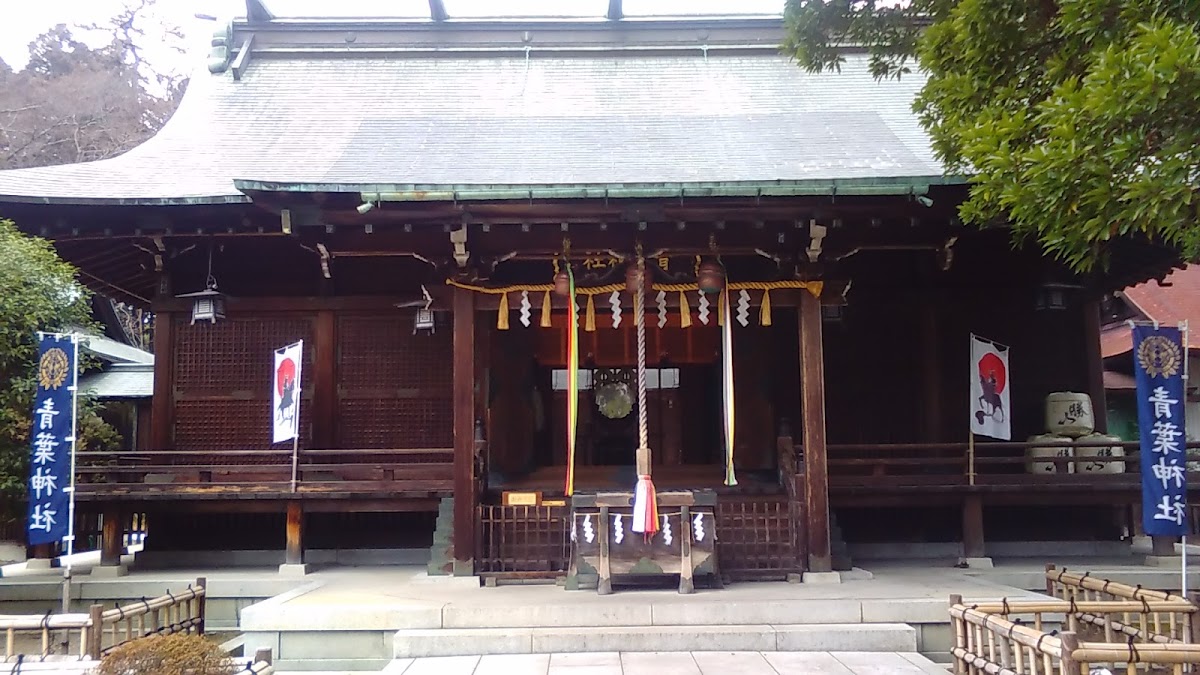
The main hall of Shōenji Temple is the central facility of the temple, housing the principal image of Amida Buddha. It boasts a magnificent structure typical of Jōdo sect temples and is used for daily services, memorial services, and visits by parishioners. Inside the main hall, in addition to the principal image of Amida Buddha, there are also attendant figures and memorial tablets of successive chief priests.
Atmosphere of the Temple Grounds
Despite being located in a residential area, the grounds of Shōenji Temple maintain a tranquil atmosphere. Surrounded by trees, the grounds display different expressions throughout the seasons: cherry blossoms in spring, lush greenery in summer, vibrant autumn leaves, and snowscapes in winter, allowing visitors to feel the changing seasons.
The temple also has an attached cemetery, which serves as a place for parishioners to visit their ancestors’ graves. The cemetery is well-maintained, maintaining a clean and peaceful environment.
About the Jodo Sect
Understanding the Jodo Sect, to which Shoenji Temple belongs, will make your visit to the temple more meaningful.
Teachings of the Jodo Sect
The Jodo Sect is a Buddhist sect founded by Honen Shonin (1133-1212), who was active from the late Heian period to the early Kamakura period. Honen Shonin taught that by chanting “Namu Amida Butsu,” anyone can attain rebirth in the Pure Land through the power of Amida Buddha’s vow.
This teaching, offering an easy method of practice accessible to everyone compared to the complex Buddhist practices of the time, was accepted by a wide range of people, from nobles to commoners. Even today, the Jodo Sect remains a large sect with approximately 7,000 temples nationwide, attracting the faith of many people.
Annual Events of the Jodo Sect
Jodo sect temples hold various Buddhist services and events throughout the year. Shōenji Temple may also hold the following events (we recommend checking directly with the temple for specific dates and details):
- Gantan-e: A Buddhist service to welcome the New Year
- Nehan-e: A Buddhist service commemorating the passing of Buddha (February 15th)
- Spring Equinox Service: A Buddhist service for the spring equinox (7 days centered around the spring equinox)
- Hanamatsuri: A Buddhist service celebrating the birth of Buddha (April 8th)
- Obon: A Buddhist service for ancestors (July or August)
- Autumn Equinox Service: A Buddhist service for the autumn equinox (7 days centered around the autumn equinox)
- Jūya Hōyō: A Buddhist service expressing gratitude to Amida Buddha (October or November)
- Joya no Kane: The ringing of the temple bell on New Year’s Eve
How to Visit Shōenji Temple
Basic Manners for Visiting a Temple
When visiting a temple, it is important to observe the following basic manners:
- Bow at the Temple Gate: Bow at the temple gate before entering the temple grounds.
- Purification at the Water Basin: If there is a water basin, purify your hands and mouth.
- Worship at the Main Hall: Join your hands in prayer in front of the main hall and quietly offer your prayers. In the Jōdo sect, chanting “Namu Amida Butsu” is recommended.
- Offering a Money: Place an amount you feel is appropriate into the offering box.
- Bow Upon Exit: Bow at the temple gate when leaving the temple grounds.
Regarding Attire
For regular visits, clean and subdued attire is acceptable. However, if attending a memorial service or special event, subdued colors such as black or navy blue are preferable.
Regarding Photography
Regarding photography within temple grounds, rules vary from temple to temple. Photography inside the main hall and of Buddha statues is generally prohibited, so it is polite to obtain permission from the temple beforehand if you wish to take such photos.
Information on Temples Around Shōenji Temple
The Kitayama area, where Shōenji Temple is located, is home to many temples. When visiting Shōenji Temple, exploring the surrounding temples will allow you to experience Sendai’s temple culture more deeply.
Major Temples of Kitayama
The Kitayama area is home to the following notable temples:
- Rinno-ji Temple: A Soto Zen temple associated with the Date family, featuring a three-story pagoda designated as a National Important Cultural Property.
- Shohan-ji Temple: A Soto Zen temple and the family temple of Date Masamichi, uncle of Date Masamune.
- Jukoku-ji Temple: A Rinzai Zen temple of the Myoshin-ji school.
- Komyoji Temple: A Jodo sect temple.
- Mansho-ji Temple: A Soto Zen temple.
These temples are scattered within walking distance of each other and form part of a group of temples known as the “Kitayama Gozan” (Five Temples of Kitayama).
A Guide to Strolling Through the Temple District
The Kitayama temple district is not only home to many historical temples but also boasts a tranquil atmosphere as a quiet residential area. Starting from Shoen-ji Temple, you can enjoy a walking course visiting the surrounding temples. Especially during the cherry blossom season in spring and the autumn foliage season, the temple grounds and surrounding street trees are beautifully colored, making it ideal for a stroll.
About Aoba Ward, Sendai City
Aoba Ward, where Shoenji Temple is located, is one of the five administrative wards that make up Sendai City, and includes the city center.
Overview of Aoba Ward
- Population: Approximately 310,000 (the most populous ward in Sendai City)
- Area: Approximately 302 square kilometers
- Ward Office Location: 1-5-1 Kamisugi, Aoba Ward, Sendai City
Aoba Ward is home to the ruins of Sendai Castle (Aoba Castle Ruins), Tohoku University, Miyagi Prefectural Government, and Sendai City Hall, making it the political, economic, cultural, and educational center of Sendai City. It is also blessed with natural beauty, such as the Hirose River and Aoba Mountain, and is an iconic area of Sendai, the “City of Trees.”
Historical Background of Aoba Ward
The name of Aoba Ward originates from “Aoba Castle,” another name for Sendai Castle. Since Date Masamune built Sendai Castle in 1601, this area developed as a castle town of the Sendai Domain, with a 620,000 koku (unit of rice production) yield. The Kitayama area, where Shoenji Temple is located, is a temple district that was developed as part of this castle town’s construction.
After the Meiji Restoration, Sendai continued to grow as the central city of the Tohoku region, and in 1989, it became a designated city. At this time, the current five-ward system was implemented, and Aoba Ward was created.
Contacting Shoenji Temple
For inquiries regarding visits to Shoenji Temple, requests for memorial services, or other inquiries, please contact the temple directly.
Address: 6-1 Shinzaka-cho, Aoba-ku, Sendai City, Miyagi Prefecture 981-0913
For detailed information such as telephone numbers and reception hours, we recommend checking temple information websites, local magazines, or visiting the temple directly.
Consultation Regarding Memorial Services and Funerals
Shōenji Temple conducts funerals and memorial services for its parishioners. Those wishing for a respectful memorial service in accordance with Jōdo-shū rituals can consult with the temple in advance. Even first-time visitors will receive courteous assistance from the head priest and temple staff.
Regarding Cemeteries and Perpetual Memorial Services
Shōenji Temple has an attached cemetery where parishioners’ graves are located. Consultations regarding new burial plot acquisition and perpetual memorial services may also be available; those interested should contact the temple directly.
Jōdo-shū Temple Network in Miyagi Prefecture
Shōenji Temple belongs to the Jōdo-shū Miyagi Diocese. The Miyagi Diocese has many Jōdo-shū temples throughout the prefecture, and they cooperate with each other in missionary activities and educational projects.
Activities of the Jōdo-shū Miyagi Diocese
The Jōdo-shū Miyagi Diocese regularly holds meetings of the Educational Group Board and the Preachers’ Association Board to deepen cooperation among Jōdo-shū temples in Miyagi Prefecture. Shōenji Temple is sometimes used as a venue for these meetings, playing a central role among Jōdo-shū temples in Miyagi Prefecture.
Furthermore, the diocese as a whole engages in the following activities:
- Promotion of missionary activities
- Training and development of monks
- Support for temple management
- Contribution activities to the local community
- Disaster relief activities
The Great East Japan Earthquake and the Role of Temples
The Great East Japan Earthquake of 2011 caused immense damage to Miyagi Prefecture. During this time, many temples in the prefecture functioned as evacuation centers and support bases, playing a crucial role in providing emotional support to victims. Temples in the Jōdo-shū Miyagi Diocese also carried out various support activities, including providing supplies, cooking meals, and accepting evacuees.
Shōenji Temple, as a local temple, is believed to have participated in the efforts toward earthquake recovery. Through this experience, the role that temples should play in the local community was reaffirmed.
Practical Information for Visiting Shōenji Temple
Best Time to Visit
Shōenji Temple is open year-round, but each season offers a different charm:
Spring (March-May): During cherry blossom season, the temple grounds and surrounding temples are beautifully adorned. The entire Kitayama area becomes a popular spot for cherry blossom viewing.
Summer (June-August): The fresh greenery is beautiful, and you can enjoy the cool tranquility of the temple grounds. Memorial services are held during the Obon period.
Autumn (September-November): During the autumn foliage season, the trees on the temple grounds change color, offering a deeply atmospheric view. Memorial services are also held during the autumn equinox.
Winter (December-February): The temple is enveloped in a serene atmosphere amidst the snowscape. It may be possible to ring the temple bell on New Year’s Eve.
Nearby Tourist Attractions
When visiting Shōenji Temple, you can also visit nearby tourist attractions:
- Rinnoji Temple Three-Storied Pagoda: A nationally designated important cultural property within walking distance.
- Sendai City Museum: Approximately 15 minutes by car; you can learn about the history of the Date family and Sendai.
- Sendai Castle Ruins (Aoba Castle Ruins): Approximately 15 minutes by car; features a statue of Date Masamune on horseback and offers views of Sendai city.
- Zuihōden: Approximately 10 minutes by car; the mausoleum of Date Masamune.
- Jōzenji-dori: Approximately 10 minutes by car; Sendai’s main street lined with beautiful zelkova trees.
Nearby Dining and Rest Facilities
The Kitayama area is a residential area, so there are few large commercial facilities. However, there are restaurants and cafes around Kitayama Station and along National Route 48. If you are looking for a full meal or shopping, we recommend going to the area around Sendai Station.
Summary: The Charm and Value of Shōenji Temple
Located in Shinzaka-machi, Aoba-ku, Sendai City, Miyagi Prefecture, Shōenji Temple is a historic temple that continues to pass down the teachings of the Jōdo sect. Since the construction of the castle town of the Sendai Domain, it has occupied a corner of the temple district in Kitayama and played an important role as a spiritual pillar for the local people.
With Amida Buddha as its principal deity, the Jōdo sect’s teachings, which aim for rebirth in paradise through the chanting of “Namu Amida Butsu,” have given peace and hope to many people across generations. Shōenji Temple continues to uphold this tradition while exploring the role that temples should play in modern society.
When visiting Sendai City, be sure to visit Shōenji Temple and the surrounding temple district, and feel the breath of history and faith in a quiet corner of the “City of Trees.” The time spent quietly praying, away from the hustle and bustle of everyday life, will surely bring deep peace to the hearts of visitors.
Shōenji Temple is not merely a tourist spot; it remains a living place of faith, deeply connected to the local community. By visiting with respect for its history and traditions, you will be able to gain a deeper understanding of Japanese temple culture and the history of Sendai.