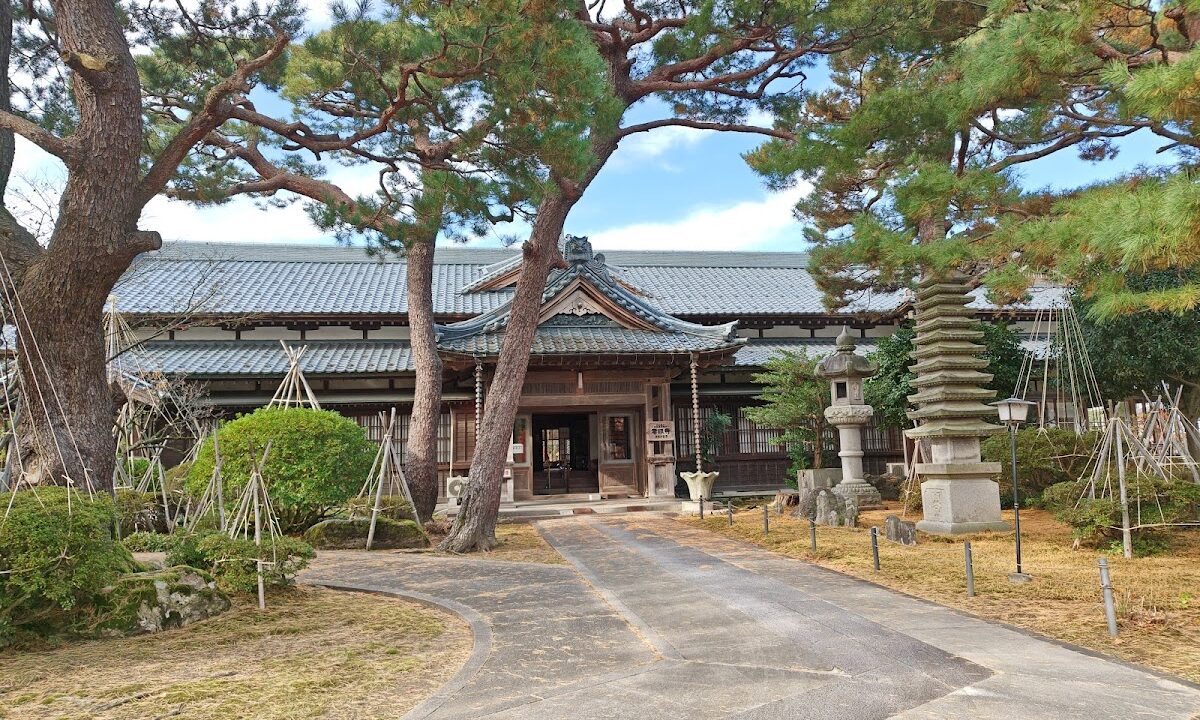
Kōjunji Temple (Niigata Prefecture) Complete Guide: History, Access, and Highlights Explained in Detail
Niigata Prefecture is home to numerous temples, each preserving the region’s history and culture. Among them, Kōjunji Temple is one that has a long history, cherished by the local community. This article provides a detailed explanation of everything you need to know before visiting, from the temple’s historical background to its highlights and visiting information.
What is Kōjunji Temple?
Kōjunji Temple is a Buddhist temple located in Niigata Prefecture. For many years, it has served as a center of faith for the local people, a spiritual haven. The temple’s name, “Kōjun,” embodies the deep meaning of filial piety and adherence to Buddhist teachings, representing the temple’s philosophy.
Niigata Prefecture is located on the Sea of Japan coast and is blessed with abundant nature and historical cultural heritage. Rooted in this land, Kōjunji Temple plays an important role as a spiritual pillar of the local community and as a valuable cultural asset that conveys history.
History of Kōjunji Temple
Founding History
The founding date of Kōjunji Temple is estimated from local historical documents and records preserved within the temple. Like many temples in Niigata Prefecture, it is believed to have developed through the turbulent period from the medieval to the early modern era, supported by influential local figures and devout believers.
The temple’s name, “Kōjun,” reflects a uniquely Japanese philosophy that blends the Confucian concept of filial piety with Buddhist teachings. During the Edo period, under the danka system (parishioner system), it was closely connected to the local community, deeply involved in people’s lives through funerals, memorial services, and annual events.
Changes and Development Through the Ages
During the anti-Buddhist movement of the Meiji era, many temples nationwide faced difficulties, and Kōjunji Temple was no exception. However, thanks to the deep faith and support of local residents, it was able to overcome this crisis.
From the Showa to the Heisei era, new challenges arose in temple management amidst social changes such as depopulation and diversification of values. Nevertheless, Kōjunji Temple has continued to develop activities that are in line with the times, and continues to play its role as a cultural center for the region.
Sect and Doctrine
Regarding the sect to which Kōjunji Temple belongs, it is possible that it belongs to one of the sects commonly found in Niigata Prefecture, such as Jōdo Shinshū, Sōtō Zen, or Shingon Buddhism. Niigata Prefecture is particularly known as a region with many Jōdo Shinshū temples, and the teachings of Shinran Shōnin are deeply ingrained there.
Each sect has its own unique doctrines and methods of practice:
- Jōdo Shinshū: A teaching that believes in the original vow of Amida Buddha and wishes to be reborn in the Pure Land by chanting the Nembutsu (invocation of Amida Buddha).
- Sōtō Zen: A branch of Zen Buddhism that emphasizes Shikantaza (simply sitting in meditation).
- Shingon Buddhism: A sect based on the teachings of Esoteric Buddhism, aiming for immediate enlightenment by chanting mantras.
Understanding the specific sect of Kōjunji Temple allows for a deeper understanding of its doctrines and the meaning of the rituals practiced there.
Highlights of the Temple Grounds
Main Hall
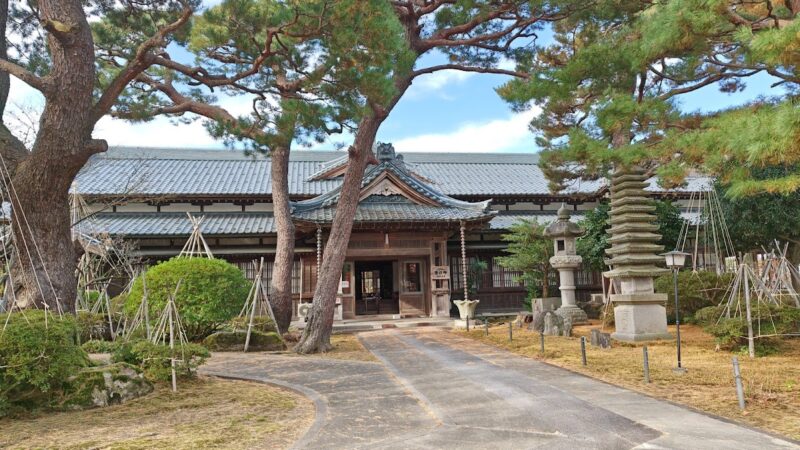
The main hall of Kōjunji Temple is the central building of the temple, a sacred space where daily services and religious ceremonies are held. Its structure, incorporating traditional Niigata Prefecture architectural styles, shows ingenuity adapted to the local climate and environment.
Especially in Niigata, a snowy region, a sturdy roof structure capable of withstanding heavy snowfall and construction techniques that address humidity are crucial. The main image of Buddha is enshrined in the inner sanctuary of the main hall, welcoming visitors in a solemn atmosphere.
Buddhist Statues and Cultural Properties
Temples may house Buddhist statues and cultural properties that have been preserved and passed down through a long history. These are not merely works of art, but are cherished as objects of faith and valuable historical materials that tell the story of the region.
In addition to the main image of Buddha, various Buddhist statues such as attendant Buddhas, founder statues, and Jizo Bodhisattva are generally enshrined. Each of these statues has a different role and meaning, responding to the diverse wishes of worshippers.
Gardens and Natural Environment
Many Japanese temples feature gardens and natural environments designed to soothe the soul, and Kōjunji Temple likely also possesses plantings and landscapes within its grounds that reflect the changing seasons.
In spring, cherry blossoms and plum blossoms; in summer, lush greenery; in autumn, vibrant autumn leaves; and in winter, snowscapes—the beauty of each season soothes the hearts of visitors. These natural elements are not merely decorations, but also embody Buddhist thought that emphasizes impermanence and harmony with nature.
Annual Events and Memorial Services
Regular Events
Kōjunji Temple holds various Buddhist events and memorial services throughout the year. These events are valuable opportunities for parishioners and local residents to gather, and they also play a role in strengthening community bonds.
Typical annual events at temples include the following:
- New Year’s First Visit to the Shrine/New Year’s Ceremony (January): A Buddhist service praying for safety and peace in the new year.
- Spring Equinox Ceremony (March): A period for ancestor worship and contemplation of the world of enlightenment.
- Flower Festival (Buddha’s Birthday) (April 8th): A ceremony celebrating the birth of Buddha.
- Obon Ceremony (August): A traditional Japanese event welcoming and honoring the spirits of ancestors.
- Autumn Equinox Ceremony (September): Ancestor worship similar to the spring ceremony.
- New Year’s Eve Bell Ringing (December 31st): A ceremony to dispel worldly desires and welcome the new year.
Special Ceremonies
Important ceremonies specific to each temple and sect, such as the founding anniversary and the death anniversary of the sect’s founder, are also held. These are important opportunities to pass on the history and traditions of the temple to future generations.
Access Information
Location
Kōjunji Temple is located in Niigata Prefecture, but it is recommended to confirm the specific location in advance. Niigata Prefecture is a vast prefecture, divided into the Joetsu, Chuetsu, Kaetsu, and Sado regions.
Transportation Access
Using Public Transportation:
Access to temples in Niigata Prefecture is generally by bus or taxi from the nearest JR station. Major transportation hubs include:
- Niigata Station (Joetsu Shinkansen, Shinetsu Main Line, Hakushin Line, etc.)
- Nagaoka Station (Joetsu Shinkansen, Shinetsu Main Line)
- Joetsu Myoko Station (Hokuriku Shinkansen)
and others. For specific information on the nearest station and bus routes, it is recommended to inquire with the temple or local tourist information center before your visit.
Using a Car:
Many areas in Niigata Prefecture are easily accessible by car. Major expressways include:
- Kanetsu Expressway
- Hokuriku Expressway
- Banetsu Expressway
- Nihonkai Tohoku Expressway
and others. Entering the temple name or address into your car navigation system will guide you to the optimal route. It is also recommended to check in advance whether parking is available. ## Manners and Precautions for Visiting Temples
Basic Manners for Visiting Temples
When visiting a temple, it is important to observe the following basic manners:
- Clothing: Avoid overly revealing clothing and aim for clean, understated attire.
- Bow at the Temple Gate: Bow before entering the temple grounds to show respect.
- Purification at the Water Basin: If there is a water basin, purify your hands and mouth before praying.
- Praying at the Main Hall: Quietly join your hands in prayer and offer a sincere bow.
- Photography: Check for areas where photography is prohibited and for Buddha statues, and take photographs only where permitted.
- Refrain from Loud Conversation: Avoid loud conversations on the temple grounds and maintain silence.
Precautions Specific to Niigata Prefecture
Niigata Prefecture is one of Japan’s leading heavy snowfall areas, so special precautions are necessary when visiting temples in winter:
- Winter Clothing: Take sufficient precautions against the cold and wear non-slip shoes.
- Visiting during snowy season: The temple grounds may be covered in snow, so please be careful of your footing.
- Visiting hours: Sunset is early in winter, so plan your visit during daylight hours.
Tourist attractions around Kōjunji Temple
Temples and shrines in Niigata Prefecture
Besides Kōjunji Temple, Niigata Prefecture has many other historical temples and shrines:
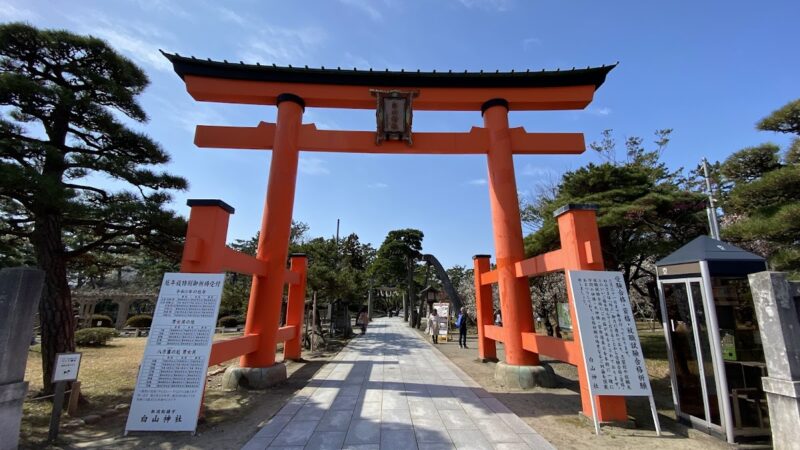
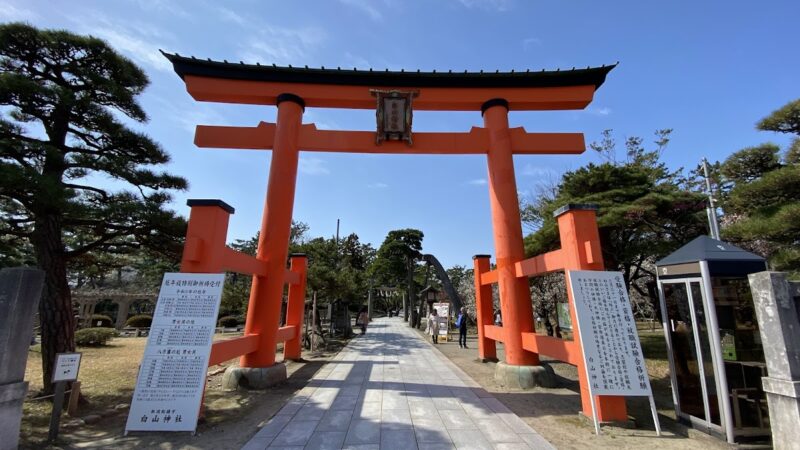
- Hakusan Shrine (Niigata City): An ancient shrine known as the guardian shrine of Niigata
- Yahiko Shrine (Yahiko Village): A famous shrine revered as the Ichinomiya (first shrine) of Echigo Province
- Kokujōji Temple (Tsubame City): An ancient temple associated with Ryōkan
- Undōan Temple (Minamiuonuma City): A famous Sōtō Zen temple where Uesugi Kagekatsu and Naoe Kanetsugu studied
Regional tourism resources
Niigata Prefecture is a region with diverse attractions, including natural landscapes, hot springs, sake, and rice. In addition to visiting Kōjunji Temple, you can also enjoy local sightseeing:
- Hot Springs: Tsukioka Onsen, Iwamuro Onsen, Echigo Yuzawa Onsen, etc.
- Natural Landscapes: Sado Island, Kiyotsu Gorge, Bijinbayashi Forest, etc.
- Historical Heritage: Takada Castle, Kasugayama Castle Ruins, etc.
- Gourmet Food: Niigata rice, sake, hegi soba, noppe, etc.
The Modern Significance of Kōjunji Temple
Center of the Local Community
In modern society, temples play a role beyond mere religious facilities. Kōjunji Temple may also function as a gathering place for local residents and a base for cultural activities.
In areas experiencing depopulation and aging, temples are important places for maintaining community bonds. Intergenerational exchanges are fostered through memorial services and events, and local traditional culture is passed down.
Healing and Spiritual Support
In today’s stressful society, temples serve as refuges for people seeking peace of mind. Spending time in the tranquil temple grounds offers a valuable opportunity to escape the hustle and bustle of everyday life and reflect on oneself.
Through activities such as Zen meditation sessions, sutra copying sessions, and Dharma talks, you can encounter Buddhist teachings and gain guidance for life.
Protection and Preservation of Cultural Properties
The cultural properties held by Kōjunji Temple, including Buddhist statues, scriptures, and buildings, are valuable resources that convey the history of the region. Appropriately preserving these and passing them on to future generations is one of the temple’s important missions.
Donations and Support for Kōjunji Temple
Danka System
Many Buddhist temples in Japan are operated under the danka system. A danka is a family that belongs to a specific temple and provides financial support; in return, they receive religious services such as funerals and memorial services.
Kōjunji Temple is likely maintained and managed through support from its danka, and a good relationship with its danka forms the foundation of its operation.
Support for General Visitors
Even general visitors who are not danka can support the temple through offerings, receiving temple seals, and purchasing amulets. These donations will be used for the maintenance and management of the temple, the preservation of cultural properties, and community activities.
Summary
Kojunji Temple, as a temple embodying the history and culture of Niigata Prefecture, has contributed to the local community for many years. Its historical value, cultural significance, and role in the modern era have a deeper meaning than simply being a tourist spot.
Through a visit, you can experience traditional Japanese culture and find peace of mind. When visiting Niigata Prefecture, please be sure to visit Kojunji Temple and feel its tranquil atmosphere and the weight of history.
Temples are living cultural heritage, and they are passed down to future generations through the interest and support of each and every one of us. We sincerely hope that Kojunji Temple will continue to exist as a spiritual pillar of the community and as a valuable cultural asset.
Before visiting, please check the opening hours, dates of religious services, and access methods in advance, and be sure to observe proper etiquette during your visit. Doing so will ensure a more fulfilling visit.