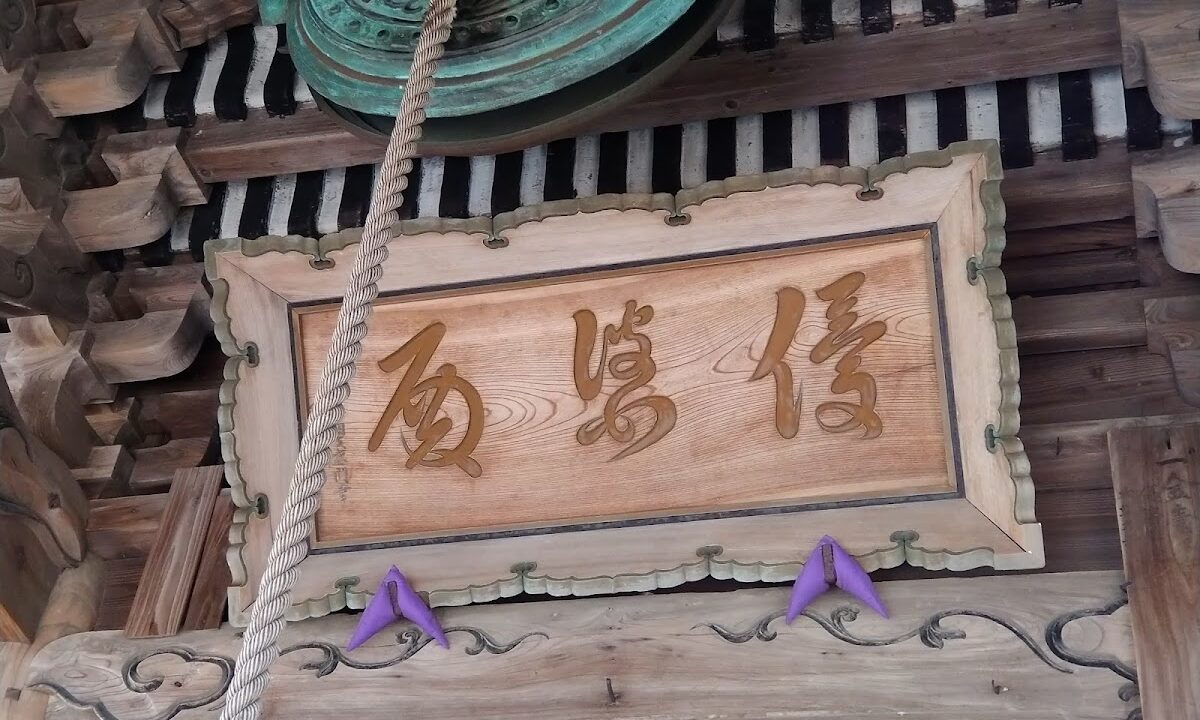
Ubason (Agano City, Niigata Prefecture) Complete Guide | History and Worship Methods for Safe Childbirth and Child-Rearing
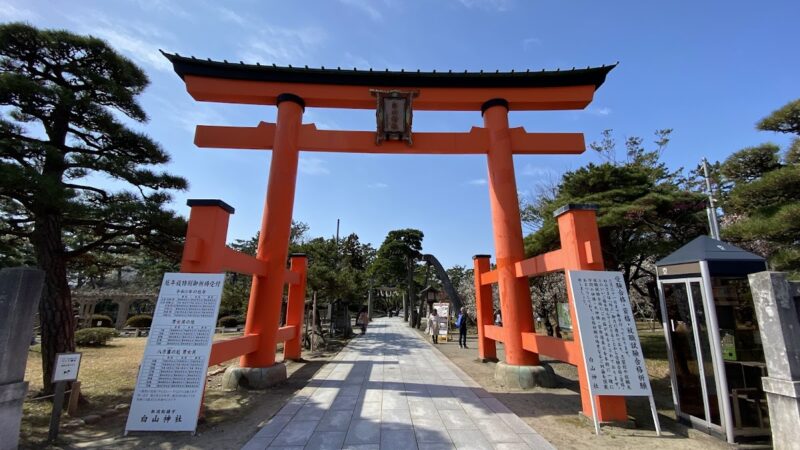
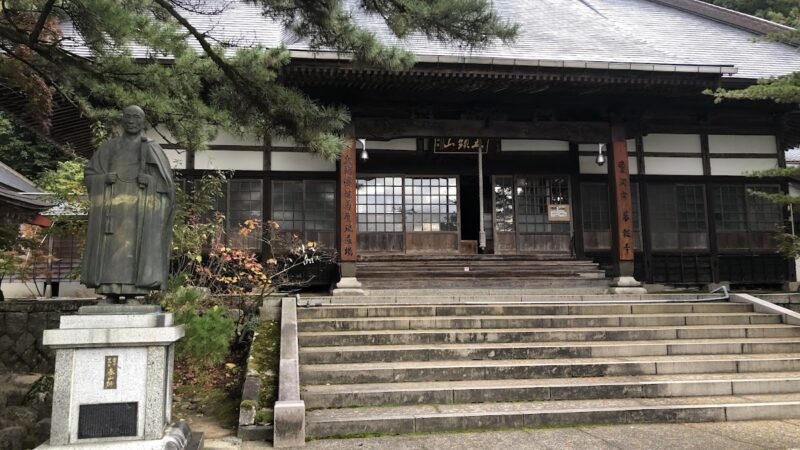
Ubason, enshrined in the Haguro district of Agano City, Niigata Prefecture, is affectionately known as “Ubasama” by locals and has been deeply revered for over 1300 years as a Buddha of safe childbirth, child-rearing, and longevity. Located near the Izuyu Onsen hot springs at the foot of Mount Gozu, this small temple still attracts many pregnant women and families raising children from all over Japan.
This article comprehensively provides detailed information not found elsewhere, including the historical background of Ubason, the unique characteristics of its statue, specific benefits, worship methods, and nearby tourist spots.
What is Ubason? Its History and Origin
The Origin of Ubason and its Relationship with Gyoki
The statue of Ubason, the principal image of Ubason, is said to have been created by Gyoki (668-749), a high-ranking priest of the Nara period. Gyōki was a renowned monk who was involved in the construction of the Great Buddha of Tōdai-ji Temple and is known for his tireless efforts to help the people while traveling throughout Japan.
According to tradition, when Gyōki was traveling through Echigo Province, he witnessed people suffering from difficult childbirth in this area and carved the statue of Upason as a guardian deity for safe childbirth and child-rearing. “Upason” is derived from the Buddhist term “Ubai,” meaning a lay female follower, and has been revered as a symbol of motherhood and compassion.
A Center of Folk Belief with a 1300-Year History
Upason is not merely a Buddhist statue; it has developed as a central figure in local folk belief. Especially during the Edo period, along with the Izuyu Onsen hot spring, it became widely known as a “hot spring for fertility” and a “sacred site for safe childbirth,” attracting many worshippers from far and wide.
Having survived the anti-Buddhist movement of the Meiji era and been preserved by the fervent faith of the local residents, the Upazon statue continues to function today as a valuable cultural asset of Agano City and a living place of worship. In recent years, applications for registration as a Tangible Cultural Property have been underway, and its historical and cultural value is being re-evaluated.
Characteristics and Uniqueness of the Upazon Statue
Unparalleled Sculptural Beauty
The most distinctive feature of the Upazon statue lies in its unique attributes. It holds an umbilical cord in one hand and a staff in the other, a unique appearance not seen in other Buddhist statues.
The umbilical cord symbolizes the bond of life connecting mother and child, and the staff, a staff held by Buddhist practitioners, represents the salvation of all sentient beings. This combination of attributes indicates that Upazon is not merely a deity of safe childbirth, but a being that watches over life from birth to growth and throughout life.
The Legend of Transformation
The most fascinating legend surrounding Upason is the story of her “transformation.” According to tradition, Upason sometimes transformed into a doctor or a traveling monk (a 66-person monk), appearing to and saving people suffering from difficult childbirth or serious illnesses.
Particularly famous is the story of a pregnant woman suffering from a difficult labor, when an unknown doctor appeared, helped her give birth safely, and then disappeared. Later, a couple who visited Upason to express their gratitude noticed that the doctor’s face was strikingly similar to that of Upason’s statue, leading them to believe that the Buddha had helped them in human form.
These miraculous tales have been passed down through the Edo, Meiji, Taisho, and Showa periods, deepening faith in Upason.
The Benefits and Practices of the Worship of Ubason
Main Benefits
Ubason is believed to offer the following benefits, attracting worshippers with diverse wishes:
1. Prayer for Safe Childbirth
The most famous benefit is safe childbirth. The custom of visiting on the Day of the Dog in the fifth month of pregnancy to pray for a safe delivery continues to this day. Many also bring their maternity belts to receive purification.
2. Fertility and Conception
Couples who are having difficulty conceiving visit to pray for children. Reports of couples conceiving after praying to Ubason continue to this day.
3. Protection for Child-Rearing
Many families continue to visit regularly after childbirth to pray for their child’s healthy growth. It is also customary to visit during milestones such as the first shrine visit, the first meal ceremony, and Shichi-Go-San (a traditional Japanese rite of passage for children).
4. Longevity and Good Health
Ubason is also worshipped as a place to pray for the health and longevity of the entire family, not just children. Prayers are especially offered for the health and longevity of the elderly.
5. Marital Harmony
Some worshippers pray for deepening the bond between spouses and for a harmonious family life. This benefit is also highly valued, as the umbilical cord held by Ubason symbolizes “bonds.”
Forms of Faith in Modern Times
Modern worship of Ubason shows changes in line with the times, while still preserving traditional forms. An increasing number of young worshippers, having learned about Ubason through social media, are visiting from afar.
In particular, many couples undergoing infertility treatment visit Ubason for emotional support alongside medical treatment, demonstrating a modern form of faith that “balances science and faith.”
How to Worship Ubason and Manners
Basic Worship Procedure
Worship at Ubason is performed using the following steps:
1. Purify Your Hands at the Water Basin
There is a water basin near the main hall; first, purify your hands and mouth.
2. Bow Before the Hall
First, bow before the hall where the statue of Uba-son is enshrined.
3. Offer Your Donation
Gently place your donation into the offering box. There is no set amount, but it is important to offer it sincerely.
4. Pray with Hands Clasped
Clasp your hands together and silently recite your address, name, and wish. If praying for a safe delivery, it is also good to mention your expected due date.
5. Bow and Leave
After finishing your prayer, bow deeply once more and then quietly leave.
For Special Prayers
If you wish to have a formal prayer for a safe delivery or a prayer for conception, you can contact the temple in advance and request a prayer service. During the prayer service, you will receive chanting and purification by the head priest, and be given amulets and talismans.
Prayer fees are generally around 5,000 to 10,000 yen, but some places accept donations based on personal feeling. It is recommended to check in advance.
Attire and Items to Bring When Visiting
There are no specific dress code requirements, but clean and modest clothing is preferable, as it is a sacred place.
When praying for a safe delivery, bringing a maternity belt (Iwata-obi) will allow you to receive a purification ceremony. Also, many people visit with their newborn babies to give thanks after their wishes have been granted.
About the Sacred Water of Ubason
Origin and Characteristics of the Sacred Water
To the right and rear of the Ubason hall is a spring called “Ubason Sacred Water.” This water has long been revered as “water for fertility” and “water for safe childbirth,” and many worshippers have taken it home.
According to legend, this water is said to have sprung forth through the divine power of Ubason, and it is believed that drinking this water will result in a safe delivery and the blessing of children.
Current Usage and Precautions
Important Note: This sacred water is currently considered unsuitable for drinking. Water quality tests have determined it is unsuitable for consumption, so please refrain from drinking it.
However, it is acceptable to use it for purification rituals or sprinkle it around the temple as an object of worship. By joining your hands in prayer before the sacred water and offering a silent prayer, you can feel its spiritual power.
While safety is paramount and drinking is discouraged, the value of this place of worship remains unchanged.
Access and Basic Information to Ubason
Location and Contact Information
Address: Haguro, Agano City, Niigata Prefecture (near Izuyu Onsen)
For specific street addresses, please contact the Agano City Tourism Association or the Agano City Hall Commerce and Tourism Division. If using a car navigation system, setting “Izuyu Onsen” as your destination and following the signs from there will be smoother.
Access
Access by Car
- Approximately 15 minutes from Yasuda IC on the Ban-etsu Expressway
- Approximately 40 minutes from central Niigata City via National Route 49
- Parking: Several free parking spaces available near the temple
Access by Public Transportation
- Approximately 15 minutes by taxi from Mizuhara Station on the JR Uetsu Main Line
- Approximately 5 minutes on foot from the Deyu Onsen bus stop (Niigata Kotsu Bus)
Public transportation is limited, so it is recommended to check the timetable in advance.
Visiting Hours and Fees
Visiting Hours: Generally, visits are possible anytime during the day (it is advisable to avoid nighttime visits)
Admission Fee: Free
Prayer Request: Advance reservations are recommended (please check the available times)
The temple may not always be open, so please contact in advance if you wish to request a formal prayer.
The Deep Connection Between Izuyu Onsen and Ubason
Izuyu Onsen: A 1300-Year History
Izuyu Onsen, located nearby, has an inseparable relationship with Ubason. Like Ubason, Izuyu Onsen boasts a history of over 1300 years and is nationally known as the “Fertility Hot Spring” and the “Safe Childbirth Hot Spring.”
The hot spring’s water quality is simple hot spring (hypotonic, weakly alkaline, high-temperature spring), gentle on the skin and safe for pregnant women. For centuries, a culture of “hot spring therapy,” combining prayers for safe childbirth with therapeutic bathing, has flourished here.
The Tradition as a Hot Spring for Safe Childbirth
Since the Edo period, the custom of praying to Ubason for safe childbirth and then staying at Izuyu Onsen to heal mind and body has been established. It is believed that the warmth of the hot springs promoted blood circulation and provided a relaxing effect, which in turn led to many cases of safe childbirth.
Even today, inns in Izuyu Onsen offer services that are welcoming to pregnant women and families with babies, and many people combine their visit with a pilgrimage to Ubason.
As part of the Gozu Onsenkyo hot spring area
Izuyu Onsen, along with Murasugi Onsen and Imata Onsen, forms the “Gozu Onsenkyo” hot spring area. Surrounded by the rich nature at the foot of Mount Gozu, this hot spring area, combined with the worship of Ubason, has become a sacred place for people seeking healing of mind and body and spiritual experiences.
Enjoying nearby tourist spots
Hiking Mount Gozu
Mount Gozu (elevation 912.5m), towering behind Ubason, is one of Niigata Prefecture’s most famous mountains. There are multiple hiking courses suitable for beginners to advanced hikers, and the scenery is especially beautiful during the fresh green of spring and the vibrant autumn foliage.
Combining a pilgrimage to Ubason with hiking Mount Gozu creates a fulfilling trip where you can experience faith and nature in harmony.
Hyoko Lake
Hyoko Lake, a representative tourist spot in Agano City, is a Ramsar Convention-registered wetland and is famous for the thousands of swans that migrate there every year from October to March. It’s about a 15-minute drive from Ubason Temple and is well worth visiting in conjunction with nature observation.
Santopia World
Santopia World, a popular amusement park for families, is also about a 20-minute drive away. A popular plan is to visit Ubason Temple for prayers for child-rearing and then enjoy the amusement park with the children.
Historical and Cultural Facilities in Agano City
Agano City has several facilities where you can learn about history and culture, such as the Yasuda Castle Ruins and the Yoshida Togo Memorial Museum. Visiting Ubason Temple and then exploring the local history and culture will provide a deeper understanding and experience.
Annual Events and Festivals of Ubason
Main Annual Events
Ubason holds various events and festivals throughout the year. The following events are particularly important:
Spring Grand Festival (Around April)
A grand festival is held to celebrate the birth of new life and to pray for safe childbirth and child-rearing. Many worshippers gather, and rituals such as the Goma fire ceremony are performed.
Autumn Grand Festival (Around October)
A grand festival to express gratitude for the past year and to pray for good health and longevity. Many families visit to offer thanks, making it a lively event.
Monthly Festival
Monthly memorial services are held on specific days each month, bringing together local believers.
Specific dates may vary from year to year, so it is recommended to check in advance if you wish to participate.
Community-Based Faith Events
The faith of Ubason is deeply intertwined with the local community. Organizations such as the “Ubason Preservation Society,” formed by local volunteers, support the maintenance of the temple and the operation of events.
In recent years, there has been a growing movement to preserve Ubason as a registered tangible cultural property for future generations, and this was featured prominently in the local newspaper, Niigata Nippo, in 2021. Through these local efforts, the tradition of Ubason is being passed down to the next generation.
Folktales and Legends Related to Ubason
The Identity of the Doctor Who Saved a Difficult Childbirth
The most famous legend is the aforementioned story of the “transformation.” One winter night in the Edo period, a young couple in the village were expecting their first child, but the birth was difficult, and both mother and child were in danger.
In the midst of a blizzard, an unknown elderly doctor arrived and, with remarkable skill, safely delivered the baby. When the husband tried to give him a reward, the doctor simply said, “Don’t forget to be grateful to Ubason-sama,” and disappeared.
The story goes that the next day, when a couple visited to offer their thanks, they looked up at the statue of Ubason and were astonished to find that its face was the spitting image of the doctor they had seen the previous night.
Ubason Appears as a Sixty-Six Pilgrim
Another legend tells of Ubason appearing as a Sixty-Six Pilgrim (a traveling monk who visits sacred sites throughout Japan).
In a certain village, an epidemic was raging, and many children were suffering. A traveling Sixty-Six Pilgrim visited the village, concocted a miraculous herbal remedy, and saved the children. When the villagers asked for the name of their benefactor, he identified himself as “someone sent by Ubason of Haguro,” and then departed.
These legends demonstrate that Ubason was not merely a stone statue, but was worshipped as a “living Buddha” who saved people.
Voices of Visitors to Ubason
Actual Visitor Experiences
Many people who have visited Ubason have left various experiences and impressions:
“I had been undergoing infertility treatment for five years, and was told medically that it would be difficult, but three months after praying to Ubason, I became pregnant naturally. I believe there is something that science cannot explain.” (Woman in her 30s)
“I had a difficult birth with my first child, so I prayed to Ubason before giving birth to my second child. It was an incredibly smooth birth, and I am truly grateful.” (Woman in her 40s)
“It’s a small temple, but the tranquil atmosphere there cleansed my soul. Visiting it along with the Izuyu Onsen hot springs refreshed both my mind and body.” (Man in his 50s)
Thoughts of Local People
For the people of Agano City, Ubason is not just a tourist spot, but an object of faith deeply rooted in their lives.
“Since I was a child, whenever something happened, my mother would take me to visit Ubason-sama. Now I bring my own children to visit. It’s a place of faith passed down through three generations.” (Woman in her 60s, local resident)
“Ubason-sama is our pride. We want to pass on this wonderful cultural asset to the next generation, so we participate in preservation activities.” (Man in his 70s, member of the preservation society)
These heartfelt voices tell the story of why Ubason-sama has been loved by people for over 1300 years.
Notes and Manners When Visiting Ubason-sama
With Silence and Respect
Ubason-sama is a small temple, but it is a sacred place that attracts the faith of many people. Please observe the following points when visiting the shrine:
- Do not speak loudly or make noise.
- Do not enter the hall without permission (worship from outside is the basic practice).
- Photography is permitted, but do not use flash.
- Please take all your trash with you.
- Please be considerate of other visitors in the parking lot.
Consideration for Local Residents
The area around Ubason is a residential area. Please avoid visiting early in the morning or late at night, and be mindful not to disturb local residents with noise.
Regarding the Sacred Water
As mentioned above, the sacred water of Ubason is currently not for drinking. Please observe these precautions and prioritize safety during your visit.
Summary: Why Ubason Continues to Be Loved
Ubason in Agano City, Niigata Prefecture, has a history of over 1300 years as a sacred site for safe childbirth, child-rearing, and longevity, attracting the faith of many people across generations.
The unique statue of Ubason, said to have been created by Gyoki, the miraculous tales of her transforming into a doctor or itinerant monk to save people, and her character as a “healing sanctuary” integrated with the Izuyu Onsen hot springs—all these elements shape the allure of Ubason.
Even in modern times, with advancements in medical technology, people continue to visit Ubason for spiritual support. The belief that science and faith are not in opposition, but that cherishing both leads to a richer life, is deeply ingrained in the Ubason faith.
Despite its small size, the temple holds 1300 years’ worth of prayers and gratitude. If you have the opportunity to visit Niigata Prefecture, be sure to visit Ubason and experience its tranquil atmosphere and profound history. Ubason is open not only to those praying for safe childbirth and successful child-rearing, but to all who seek peace of mind.
The rich nature at the foot of Mount Gozu, the healing power of Izuyu Onsen, and the miraculous power of Ubason—all contribute to a truly special experience. With these three elements united, the Haguro district of Agano City will undoubtedly continue to welcome many people as a “place of physical and mental regeneration.”