Tsunehisa Shrine (Miyazaki Prefecture) Complete Guide | History, Goshuin (Shrine Seal), and Access Information
Tsunehisa Shrine, located in Tsunehisa, Miyazaki City, Miyazaki Prefecture, is a historic shrine with a history dating back to the Heian period. It enshrines Konohanasakuya-hime as its main deity and has been affectionately known as “Kanan Ichinomiya Gosha Daimyojin” by the local people. This article provides detailed information useful for visitors, including the history of Tsunehisa Shrine, its blessings, goshuin (shrine seal), access methods, and annual events.
Tsunehisa Shrine, located in Tsunehisa, Miyazaki City, Miyazaki Prefecture, is a historical shrine with a history dating back to the Heian period. It enshrines Konohanasakuya-hime as its main deity and has been affectionately known as “Kanan Ichinomiya Gosha Daimyojin” by the local people. ## Basic Information on Tsunekyu Shrine
Location: 614 Tsunekyu, Miyazaki City, Miyazaki Prefecture 880-0916
Phone Number: 0985-51-5646
Main Deity: Konohanasakuya-hime no Mikoto
Enshrined Deities: Amaterasu Omikami, Ninigi no Mikoto, Susanoo no Mikoto, Uganomitama no Kami
Shrine Rank: Former Village Shrine
Founded: November 15, 1090 (Kanji 4)
Tsunekyu Shrine is located in the Tsunekyu district in the southern part of Miyazaki City, quietly nestled within a residential area. As the local guardian deity, it has been revered by local people for over 900 years.
History and Origins of Kōkyū Shrine
Circumstances of its Founding
The history of Kōkyū Shrine dates back to the late Heian period. It began in April of Kanji 4 (1090), when the Tsuma Shrine in Saito City was invited to serve as the guardian shrine of the Kunifuji estate.
Tsuma Shrine is an ancient shrine dedicated to Konohanasakuya-hime and was one of the centers of Konohanasakuya-hime worship in Hyūga Province. To welcome the divided spirit of Tsuma Shrine to Kōkyū, a temporary shrine was first constructed in Sonoda, Minami-tamoto, Hongō (present-day Miyazaki Airport).
On November 15th of the same year, the main shrine was completed at its current location, and the deity was re-enshrined and rituals were performed. At this time, in addition to the main deity Konohanasakuya-hime, the shrine’s records indicate that Amaterasu-ōmikami, Ninigi-no-Mikoto, Susanoo-no-Mikoto, and Ukanomitama-no-Kami were also enshrined.
The Era of the Kanan Ichinomiya Gosha Daimyōjin
Because it enshrined five deities, Kōkyū Shrine came to be called “Kanan Ichinomiya Gosha Daimyōjin.” “Kanan” means south of the Ōyodo River, referring to the southern region of Miyazaki City. As the most prestigious shrine in this region, it garnered widespread reverence.
Throughout the Edo period, Kōkyū Shrine functioned as a spiritual pillar of the region, attracting people with various wishes such as abundant harvests, family safety, and matchmaking.
Changes After the Meiji Era
In 1872 (Meiji 5), due to the reorganization of shrine names following the separation of Shinto and Buddhism, the shrine was renamed “Kōkyū Shrine.” This name originates from the place name Kōkyū, where the shrine is located. Under the modern shrine ranking system of the Meiji era, it was ranked as a village shrine, and its importance in the local community was officially recognized. After becoming a religious corporation after the war, it continues to serve as the local guardian deity, playing an important role in life’s milestones such as first shrine visits for newborns, Shichi-Go-San (a traditional rite of passage for children), and exorcisms.
Deities and Benefits
Main Deity: Konohanasakuya-hime
Konohanasakuya-hime is a beautiful goddess appearing in Japanese mythology. She became the consort of Ninigi-no-Mikoto, who descended from heaven, and is known for the myth of giving birth in flames. Because she was as beautiful as a cherry blossom and conceived overnight, she is worshipped as a goddess of safe childbirth, fertility, and matchmaking.
She is also known as the goddess of Mount Fuji, and is believed to offer protection from fire and family safety.
Enshrined Deities and Their Respective Benefits
Amaterasu-Omikami
The supreme deity in Japanese mythology. These deities are believed to bring blessings of national peace and security, good fortune, and the fulfillment of all wishes.
Ninigi-no-Mikoto
A god of descent from heaven, the grandson of Amaterasu-Omikami. He brings blessings of abundant harvests, industrial development, and national peace.
Susanoo-no-Mikoto
A brave god known for slaying Yamata-no-Orochi. He brings blessings of protection against evil, eradication of disease, and matchmaking.
Uganomitama-no-Kami
A god of grain, known as Inari-sama. He brings blessings of business prosperity, abundant harvests, and industrial development.
Benefits particularly worshipped at Kōkyū Shrine
- Safe childbirth and fertility: From the myth of Konohanasakuya-hime’s birth in the flames
- Matchmaking and marital harmony: As the divine couple Ninigi-no-Mikoto and Konohanasakuya-hime
- Family safety and protection from evil: Comprehensive protection by the five deities
- Abundant harvests and business prosperity: Protection of agriculture and commerce
- Child-rearing and parenting: Worship as a god of fertility
Highlights of the shrine grounds
Shrine buildings
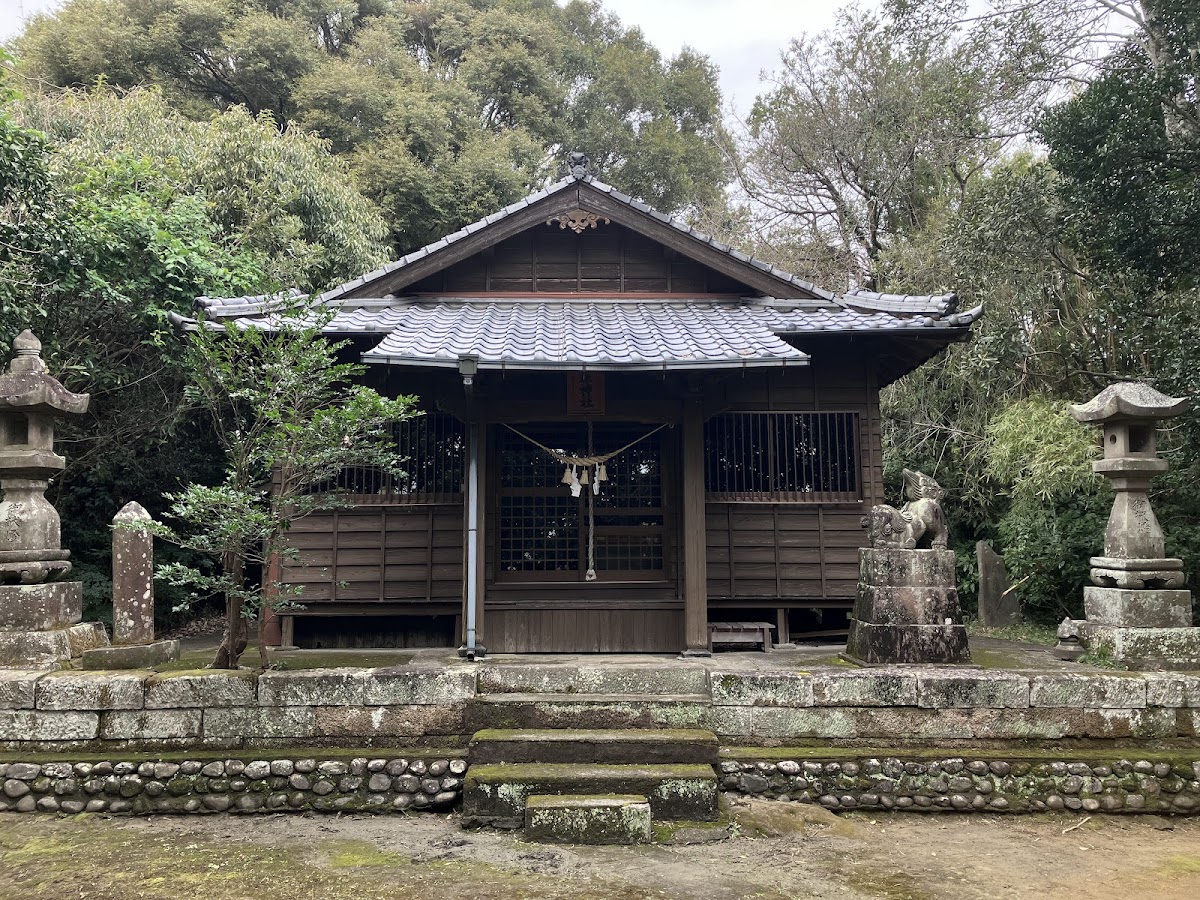
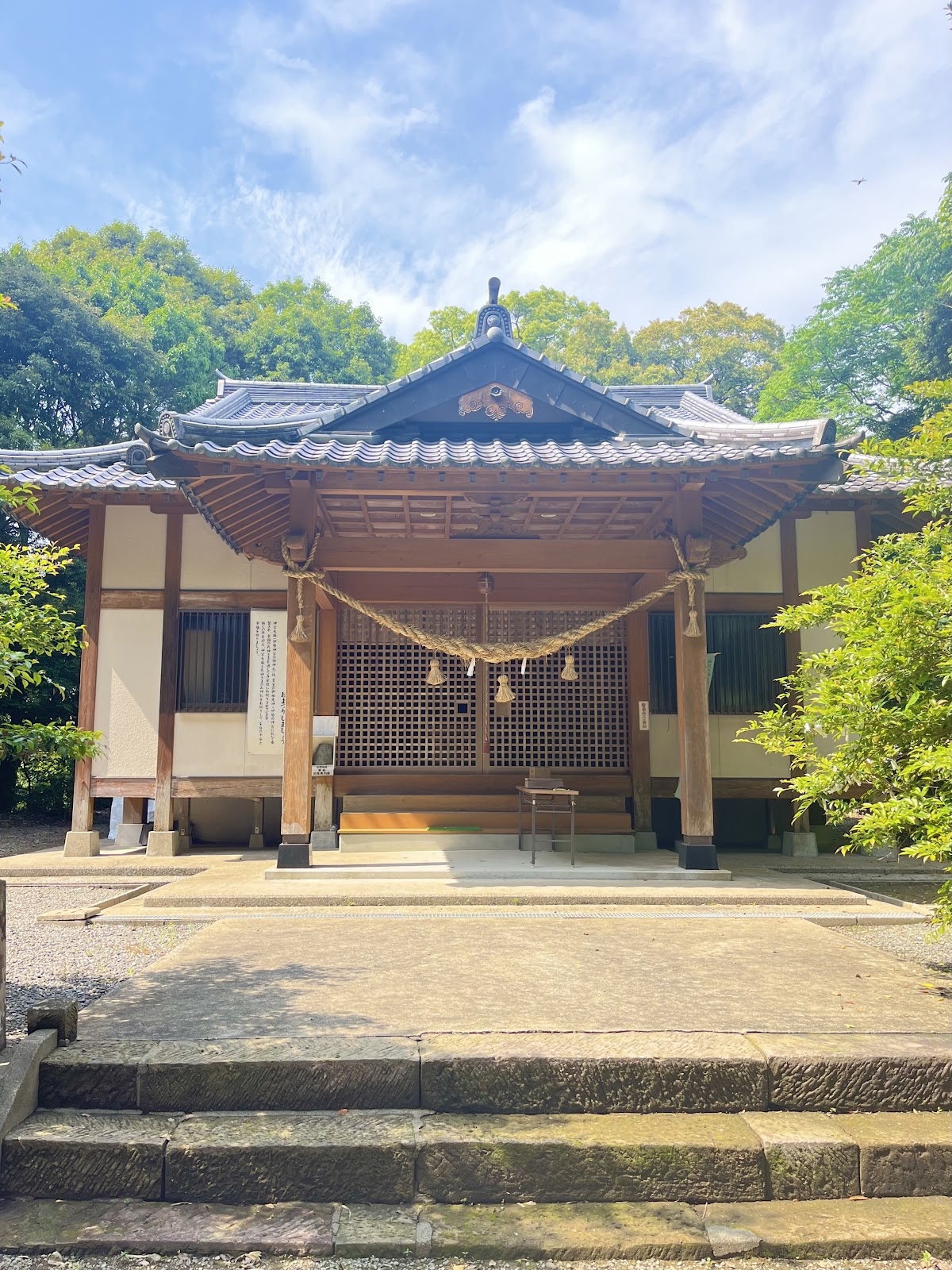
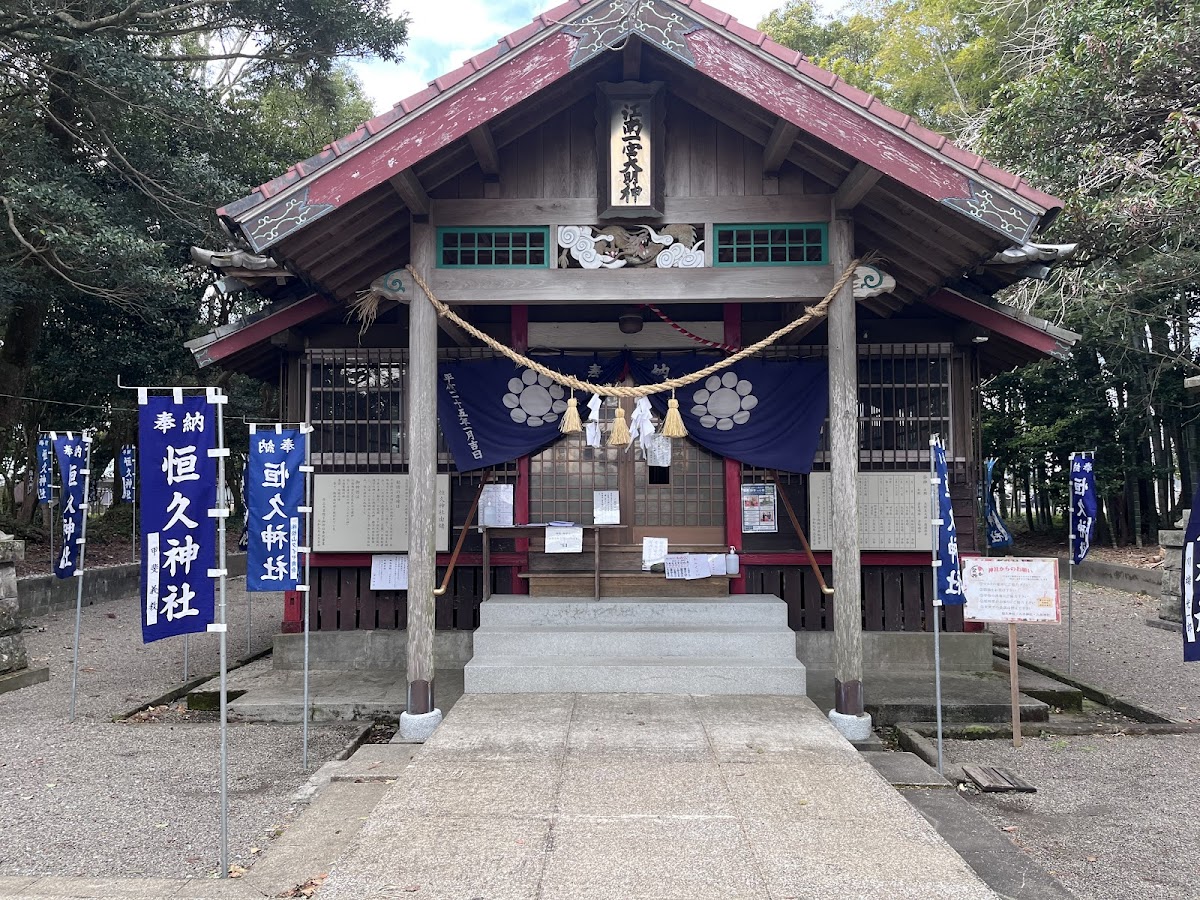
The shrine buildings of Kōkyū Shrine are based on the traditional Shinmei-zukuri style. The main hall has a solemn atmosphere, and worshippers can quietly offer their prayers in the worship hall.
The shrine buildings are regularly maintained and kept beautiful through the service of local parishioners.
Atmosphere of the shrine grounds
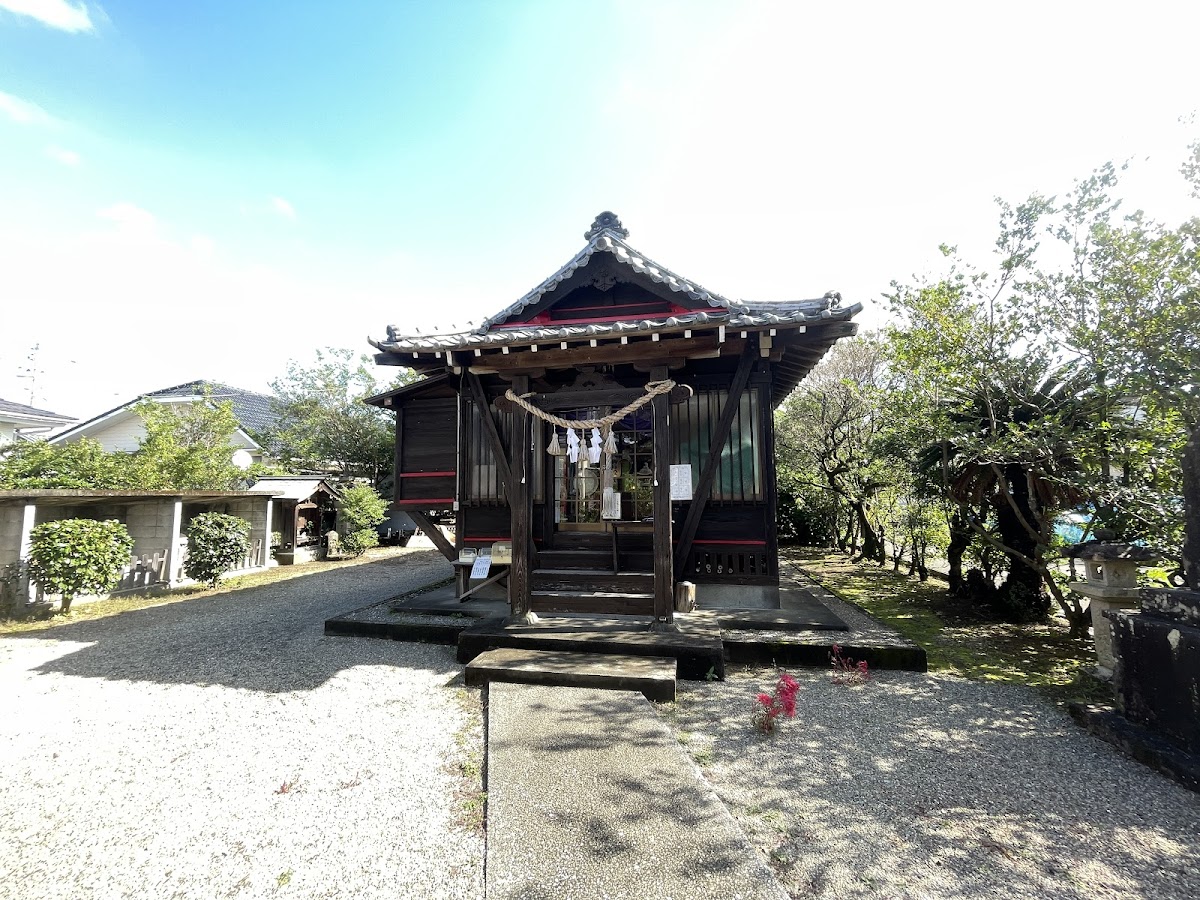
Despite being located in a residential area, stepping onto the shrine grounds envelops you in tranquility. The shrine grounds, surrounded by trees, offer a tranquil space that allows you to forget the hustle and bustle of the city.
Shrine banners are placed along the road, making it easy for first-time visitors to find the location.
Reception Area
Amulets and talismans are displayed in glass cases, allowing visitors to freely choose. Even during unattended hours, arrangements are made to ensure that amulets can be received.
Goshuin (Shrine Seal) Information
Goshuin are available at Kōkyū Shrine. Goshuin are important records of one’s connection with the shrine, and many people receive them as proof of their visit.
Features of the Goshuin
The goshuin at Kōkyū Shrine features the shrine’s name and the date of visit written in ink, stamped with a red seal. It is a simple yet dignified goshuin.
How to Receive a Goshuin
Those wishing to receive a goshuin should speak to the shrine office staff. Since staff may be absent, it is recommended to call in advance to ensure receipt.
Offering Fee: Generally around 300-500 yen (subject to change, please confirm on the day).
About Goshuincho (Stamp Book)
Please inquire directly with the shrine regarding the availability of original goshuincho. We can stamp your own goshuincho.
Access Method
Access by Train
Nearest Station: JR Nippo Main Line “Tayoshi Station” or “Minami-Miyazaki Station”
- From Tayoshi Station: Approximately 10 minutes on foot (approx. 760m)
- From Minami-Miyazaki Station: Approximately 8 minutes on foot (approx. 660m)
Minami-Miyazaki Station is a major station where express trains also stop, making it convenient for access from outside the prefecture. Tayoshi Station is only served by local trains, but the distance to the shrine is almost the same.
Access by Bus
Nearest Bus Stop: “Tsunekyu Elementary School Entrance” bus stop
The Tsunekyu Elementary School Entrance bus stop is very close, approximately a 3-minute walk (about 190m), making bus travel convenient. Miyazaki Kotsu buses operate this route.
Access by Car
From Miyazaki Station: Head south on National Route 220 to the Tsunekyu area. Approximately 15 minutes.
From Miyazaki Airport: Approximately 10 minutes via Prefectural Road 377.
Parking: Parking is available on the temple grounds or nearby, but spaces are limited. During busy periods such as New Year’s Day, we recommend using public transportation.
Address and Navigation Settings
Address: 614 Tsunekyu, Miyazaki City, Miyazaki Prefecture 880-0916
Phone Number: 0985-51-5646
Entering “Tsunekyu Shrine” or the above address into your car navigation system or smartphone map app will display the exact location.
Annual Events and Festivals
Tsunekyu Shrine holds various festivals throughout the year.
Main Annual Events
New Year’s Day Festival (January 1st)
A festival to pray for happiness in the new year. It is bustling with many visitors making their first shrine visit of the year.
Setsubun Festival (around February 3rd)
Events such as bean-throwing are held, and prayers are offered for protection against evil.
Spring Grand Festival
A festival to give thanks for the arrival of spring and pray for a bountiful harvest.
Summer Purification Ceremony (June 30th)
A Shinto ritual to cleanse away the sins and impurities accumulated over the past six months. A ritual of passing through a ring of reeds may also be performed.
Autumn Grand Festival
An important festival to express gratitude for the harvest. Local people gather for this event.
Shichi-Go-San Festival (November)
A celebration of children’s growth and prayers for their continued health.
Year-End Purification Ceremony (December 31st)
A Shinto ritual to cleanse away the sins and impurities accumulated over the past year and to welcome the new year with a pure heart.
*Event dates may change; please contact the shrine for details.
Manners and Etiquette for Visiting a Shrine
Basic Etiquette for Visiting a Shrine
- Bow before passing through the torii gate: This is a courtesy before entering the sacred area.
- Avoid walking in the center of the path: The center is considered the path of the gods.
- Purify your body and mind at the water basin
- Take the ladle with your right hand and purify your left hand.
- Switch the ladle to your left hand and purify your right hand.
- Switch the ladle back to your right hand, receive water in your left hand, and rinse your mouth.
- Purify your left hand again.
- Hold the ladle upright to purify the handle and return it to its original position.
- Etiquette in front of the main hall
- Quietly place your offering in the offering box.
- Ring the bell if there is one.
- Two bows, two claps, one bow (two bows, two claps, one bow).
- Bow at the torii gate when leaving
Attire for Visiting a Shrine
Everyday clothes are acceptable, but clean and subdued attire is preferred. For formal visits and prayers, formal attire is appropriate.
Nearby Shrines and Temples
There are other shrines and temples you can visit around Tsunekyu Shrine.
Miyazaki Shrine
A representative shrine of Miyazaki City, a Kanpei Taisha (Grand Imperial Shrine) dedicated to Emperor Jimmu. Approximately 20 minutes by car from Tsunekyu Shrine. Its vast grounds and magnificent shrine buildings are its highlights.
Eda Shrine
An ancient shrine known for its Misogi Pond. A shrine associated with mythology, said to be the place where Izanagi-no-Mikoto performed his purification ritual. Approximately 25 minutes by car from Tsunekyu Shrine.
Aoshima Shrine
A shrine located on Aoshima Island, famous for matchmaking. It enshrines Yamasachihiko and Toyotamahime, and features grounds with a tropical atmosphere. Approximately 30 minutes by car from Tsunekyu Shrine.
About the Tsunekyu Area
The Tsunekyu area, where Tsunekyu Shrine is located, is a residential area in the southern part of Miyazaki City. Located near Miyazaki Airport, this area has developed as a convenient and easily accessible location.
Although historically a rural area, it underwent development as a residential area following post-war urbanization. Nevertheless, the local community centered around the Tsunekyu Shrine remains strong, with many residents participating in festivals and other events.
Nearby amenities include Tsunekyu Elementary School, commercial facilities, and parks, creating a comfortable living environment.
Prayers and Sorrows at Tsunekyu Shrine
Tsunekyu Shrine accepts prayers and blessings for various life milestones.
Main Prayers Offered
- First Shrine Visit: Reporting the baby’s birth to the gods and praying for their healthy growth.
- Seven-Five-Three Shrine Visit: Celebrating a child’s milestone in growth and praying for their future health.
- Exorcism Prayer: Praying for protection from misfortune during the unlucky year and for a peaceful year.
- Safe Childbirth Prayer: Praying for a safe delivery for both mother and child.
- Matchmaking Prayer: Praying for a good match.
- Family Safety and Business Prosperity: Praying for the prosperity of the family and business.
- Traffic Safety: Praying for the safety of vehicles and drivers.
- Success in Exams: Praying for success in exams.
How to Apply for a Prayer
If you wish to have a prayer offered, we recommend making a reservation by phone in advance. While same-day registration may be possible, it may not be possible depending on the availability of the Shinto priest.
Phone Number: 0985-51-5646
Please confirm the offering fee and duration when applying.
Relationship between Tsunekyu Shrine and Tsuma Shrine
Tsunekyu Shrine is a shrine that was established by inviting a deity from Tsuma Shrine in Saito City. Tsuma Shrine is an ancient shrine that enshrines Konohanasakuya-hime as its main deity and has long been revered as “Tsuma no Miya.”
In the Heian period, Tsunekyu Shrine began when a divided spirit of Tsuma Shrine was welcomed to Tsunekyu as the guardian shrine of the Kunifuji manor. Due to this historical connection, the two shrines have a deep relationship.
Tsuma Shrine, like Tsunekyu Shrine, enshrines Konohanasakuya-hime and is known for its blessings of safe childbirth, fertility, and matchmaking. It is believed that visiting both shrines will grant deeper divine blessings.
Cultural Properties and Treasures of Tsunekyu Shrine
Tsunekyu Shrine possesses cultural properties and treasures that have been passed down through its long history. For details, we recommend contacting the shrine directly.
The shrine also houses valuable historical documents, such as records of its history from its founding, which tell the story of Kōkyū Shrine’s more than 900-year history.
Visitor Feedback and Reviews
The following are some comments from visitors who have come to Kōkyū Shrine:
“Despite being located in a residential area, the shrine grounds have a quiet and peaceful atmosphere. I felt like my soul was being cleansed.”
“The banners along the road are a landmark, so I was able to find it easily even though it was my first time. It’s a warm shrine deeply rooted in the community.”
“The amulets were in a glass case, which was convenient as I could choose freely. I appreciated the consideration of being able to pray even when no one was there.”
“As a shrine dedicated to Konohanasakuya-hime, I visited to pray for a safe delivery. I gave birth safely, and I also returned to offer my thanks.”
“As the local guardian shrine, we used it for our child’s Shichi-Go-San (7-5-3) ceremony. I liked the homey atmosphere.”
Regarding Photography and Social Media Posting
Photography at the shrine is welcomed to commemorate your visit and to spread the charm of the shrine, but please observe the following manners.
- Do not take photos in areas where photography is prohibited, such as inside the main shrine.
- Be considerate of other worshippers.
- Refrain from taking photos during religious ceremonies or follow the instructions of the Shinto priests.
- When posting on social media, be mindful of using respectful language towards the shrine.
- Obtain permission in advance for commercial photography.
Points to Note When Visiting Tsunekyu Shrine
- Shrine Office Opening Hours: Staff may not always be present, so we recommend contacting them in advance if you wish to receive a Goshuin (shrine stamp) or prayer.
- Parking: Parking is limited, so please use public transportation during busy times.
- Annual Festival Days: Expect congestion during local festivals.
- Weather: Please be careful as the ground may be slippery in rainy weather.
- Summer: Miyazaki summers are extremely hot, so take thorough precautions against heatstroke.
Summary
Tsunekyu Shrine is a historical shrine that has attracted the faith of the people of the Tsunekyu district of Miyazaki City for over 900 years since its founding in 1090. The main deity enshrined here is Konohanasakuya-hime, and the shrine offers a variety of blessings, including safe childbirth, fertility, matchmaking, and family safety.
Kōkyū Shrine, known as the “Kanami Ichinomiya Gosha Daimyōjin,” has long been a spiritual pillar of the region. Even today, it remains a central hub for the local community, playing a vital role in life’s milestones such as first shrine visits, Shichi-Go-San (a traditional rite of passage for children), and exorcisms.
Located in southern Miyazaki City, it’s easily accessible, within walking distance of JR Minami-Miyazaki Station and Tayoshi Station, and close to bus stops. Despite being in a residential area, the shrine grounds are enveloped in tranquility, offering a peaceful escape from the hustle and bustle of the city.
Goshuin (shrine stamps) are available, making it a great choice for those who enjoy visiting shrines. When you visit Miyazaki, be sure to pay your respects at Kōkyū Shrine and receive the divine blessings nurtured by its long history.
Contact Information
Tsunekyu Shrine
614 Tsunekyu, Miyazaki City, Miyazaki Prefecture 880-0916
TEL: 0985-51-5646
If you would like to check the latest information before your visit, please contact us at the number above. We sincerely look forward to your visit.