Guseiji Temple (Kamigyo Ward, Kyoto Prefecture) Complete Guide | History, Highlights, and Access Information
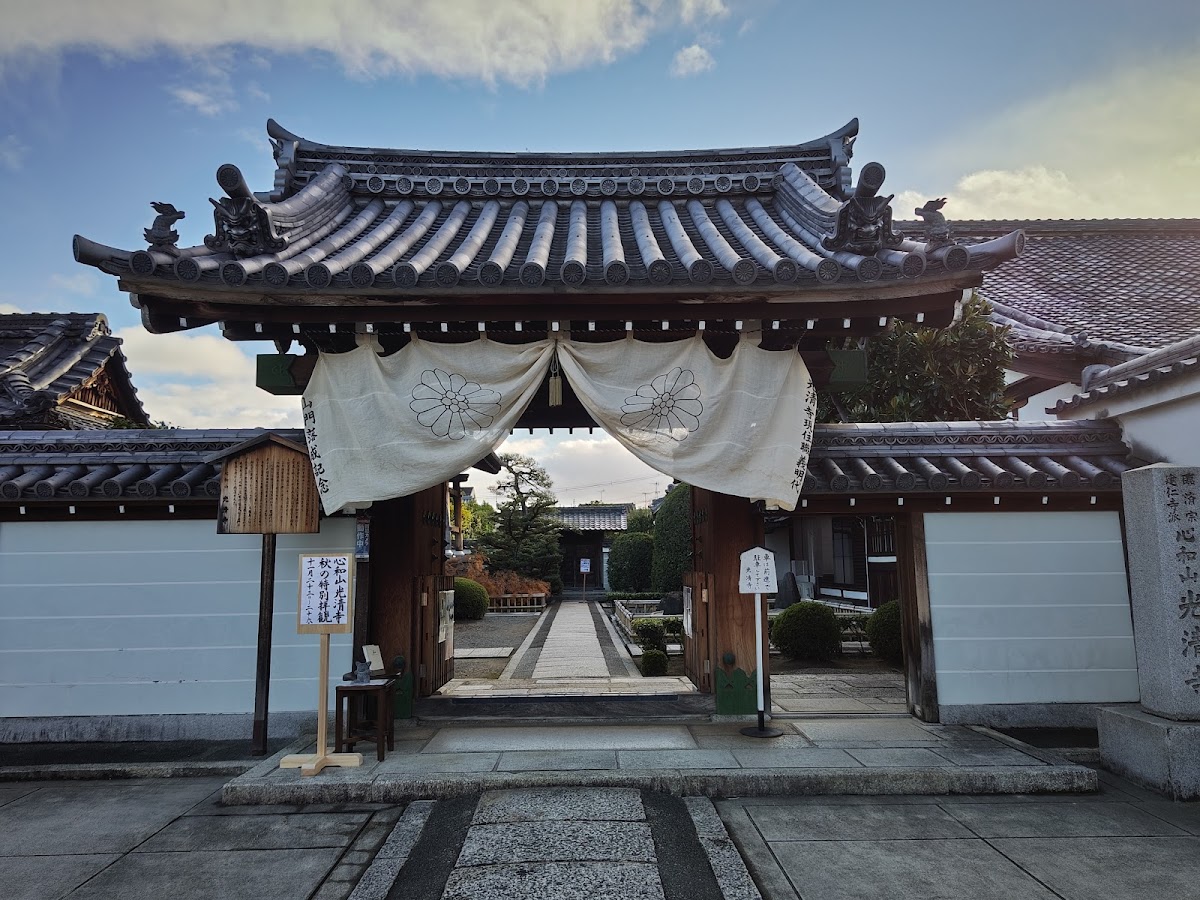
Guseiji Temple, located along Shimotachiuri Street in Kamigyo Ward, Kyoto City, is a Jodo sect temple founded in 1572. Also known as Nagatozan Guseiji or Nagatoji, it is a little-known ancient temple in Kyoto with a rich historical background spanning the Sengoku and Edo periods.
This article comprehensively introduces information useful for those considering a visit to Guseiji Temple, including its history, highlights, basic information, and access methods.
Basic Information on Guseiji Temple
Guseiji Temple is a Jodo sect temple located in Kamigyo Ward, Kyoto City, Kyoto Prefecture, with Amida Buddha as its principal deity. The temple’s official name is “Nagatozan Guseiji,” but it is also affectionately known as “Nagatoji” in the local area.
Temple Overview
- Temple Name: Guzei-ji Temple
- Mountain Name: Chomonzan Mountain
- Sect: Jodo Sect
- Principal Image: Amida Buddha
- Founder: Genki 3 (1572)
- Chief Priest: Aihara Ryuichi
- Address: 419-2 Nagato-cho, Shimotachiuri-dori Rokken-cho Nishi-iru, Kamigyo-ku, Kyoto City, Kyoto Prefecture
- Postal Code: 602-8353
Geographical Characteristics
Guzei-ji Temple is located in Nagato-cho, west of Senbon-dori on Shimotachiuri-dori. This area is close to the center of Kyoto city and is a characteristic area of Kamigyo-ku, where historical townscapes remain. An old residential area spreads around the temple, allowing visitors to feel the history in a quiet environment.
History and Origin of Kosei-ji Temple
Founded in 1572
Kosei-ji Temple was founded in 1572. This period was the end of the Sengoku period, a time when Oda Nobunaga was expanding his power toward unifying Japan. While Kyoto was also experiencing intense political and religious upheaval, Kosei-ji Temple was established as a base for spreading the teachings of the Jodo sect.
Connection to the Former Residence of Kimura Shigenari
A notable historical background of Kosei-ji Temple is its deep connection to Kimura Shigenari, a samurai from the early Edo period. Kimura Shigenari was a young samurai who served Toyotomi Hideyori and is known as a tragic figure who died in the Summer Siege of Osaka at the young age of 23.
Kimura Shigenari held the official title of “Nagato-no-kami,” and his residence is believed to have been located on this site. Therefore, the town where Kosei-ji Temple is located was named “Nagato-machi,” and the temple itself acquired the mountain name “Nagato-yama” and came to be called “Nagato-ji.”
Currently, it is said that the former residence of Lord Kimura Shigenari was relocated to Kosei-ji Temple, and this historical building is carefully preserved as an important cultural asset of the temple.
The Legend of Horikawa Kunihiro and the Guardian Shrine
Another important historical element of Kosei-ji Temple is its connection to the renowned swordsmith Horikawa Kunihiro. Horikawa Kunihiro was a swordsmith who was active from the Azuchi-Momoyama period to the early Edo period, and was based in Horikawa, Yamashiro Province (present-day Kamigyo Ward, Kyoto City).
According to legend, Horikawa Kunihiro prayed for success in sword making at the guardian shrine of Kosei-ji Temple. This guardian shrine still remains within the temple grounds and is a place of interest to sword enthusiasts and history buffs.
Horikawa Kunihiro’s works are highly regarded as “Horikawa-mono,” and his techniques greatly influenced later swordsmiths. His connection to Kosei-ji Temple is a valuable episode that tells the history of sword culture in Kyoto.
Highlights and Features of Kosei-ji Temple
Main Hall and Architectural Style
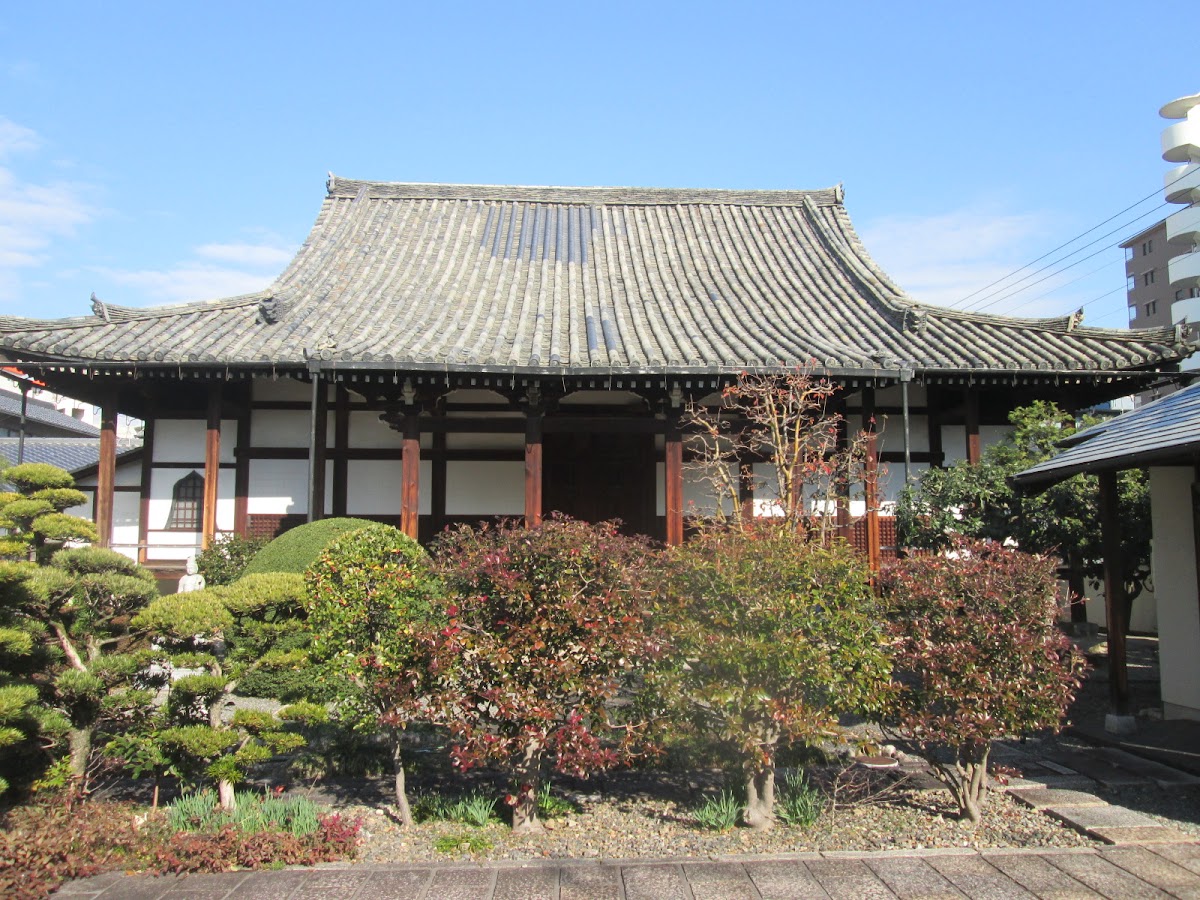
The main hall of Kosei-ji Temple is a historical building registered in the Cultural Heritage Online. The main hall, which retains the architectural style of the Edo period, is simple yet dignified, exhibiting characteristics of a Jodo sect temple.
Inside the main hall is enshrined the principal image, a statue of Amida Buddha, where visitors can offer prayers in a tranquil environment. The details of the architecture showcase the craftsmanship of Edo-period artisans, making it a historically valuable building.
Former Residence of Lord Kimura Shigenari
Within the grounds of Kosei-ji Temple is a building said to be the former residence of Lord Kimura Shigenari, which was relocated here. This building is a valuable relic that conveys the style of a samurai residence from the early Edo period, offering a glimpse into the lifestyle of samurai at that time. Kimura Shigenari distinguished himself as a young warrior on the Toyotomi side during the Siege of Osaka, and his bravery and noble end have been recounted to this day. Visiting Kosei-ji Temple allows you to trace the footsteps of this tragic warrior.
The Guardian Shrine and the Legend of Horikawa Kunihiro
The guardian shrine within the temple grounds is said to be the place where the renowned swordsmith Horikawa Kunihiro prayed for success in his sword-making. Although a small shrine, it holds significant meaning in the history of Japanese swords.
For those interested in swords, especially those who admire the works of Horikawa Kunihiro, this guardian shrine holds special significance. In the tranquil grounds, one can reflect on the history of the swordsmith’s prayers.
Atmosphere of the Temple Grounds
Despite being located in the heart of Kyoto city, Kosei-ji Temple maintains a quiet and peaceful atmosphere. Unlike famous temples bustling with tourists, it is a temple deeply rooted in the community, where time flows peacefully.
The temple grounds are meticulously maintained, and the seasonal plantings delight visitors. Especially during the cherry blossom season in spring and the autumn foliage season, one can enjoy a tranquil beauty.
How to Access Kosei-ji Temple
Access by Public Transportation
Kosei-ji Temple can be reached using public transportation within Kyoto City. Here’s how to access it from the nearest bus stop or train station.
Using City Buses
- Nearest Bus Stop: “Senbon Izumi” or “Senbon Shimotachiuri”
- Routes: City Bus routes 206, 46, etc.
- Walking Time from Bus Stop: Approximately 5-8 minutes
After getting off at a bus stop along Senbon-dori, proceed east along Shimotachiuri-dori, then turn west into Rokken-cho to find Kosei-ji Temple.
By Subway
- Nearest Station: Imadegawa Station or Marutamachi Station on the Karasuma Subway Line
- Walking Time from Station: Approximately 15-20 minutes
- By Taxi: Approximately 5-7 minutes
Since it’s a bit of a distance from the subway station, consider combining it with a bus or taking a taxi.
Access by Car
Parking Information
Koseiji Temple often does not have its own parking lot, so it is recommended to contact the temple directly before visiting. There are several coin-operated parking lots in the surrounding area, which you can also use.
Access from Major Roads
- Meishin Expressway: Approximately 30 minutes from Kyoto Minami IC
- From Kyoto City: Head north on Senbon-dori, then west on Shimotachiuri-dori
Many roads in Kyoto City are narrow, so please drive carefully.
Map and Surrounding Information
Koseiji Temple is located at 419-2 Nagatocho, Shimotachiuri-dori Rokkencho Nishi-iri, Kamigyo-ku, Kyoto City. Other historical buildings and temples are scattered throughout the surrounding area, making it possible to visit as part of a Kyoto sightseeing tour.
Notes and Manners for Visiting
Visiting Hours
Koseiji Temple is generally open for daytime visits, but it is recommended to inquire with the temple in advance regarding specific visiting hours and whether visits are permitted. Visits may be restricted during special ceremonies or events.
Visiting Manners
- Quietness: Please be quiet on the temple grounds and be considerate of other visitors.
- Photography: Please check in advance whether photography is permitted. Photography is often prohibited inside the main hall.
- Dress Code: There are no specific dress code requirements, but please dress appropriately and respectfully for a temple.
- Offering: You can offer a monetary donation or offering when visiting.
Participation in Memorial Services and Events
Koseiji Temple regularly holds memorial services and events. Some events are open to the public, so please contact the temple if you are interested.
Nearby Tourist Attractions
Senbon Shakado (Daihoonji Temple)
Within walking distance of Koseiji Temple is Senbon Shakado (Daihoonji Temple), which boasts a National Treasure main hall. It is one of the oldest wooden buildings in Kyoto City, dating back to the Kamakura period, and is also known for the “Okame Legend.”
Kitano Tenmangu Shrine
Kitano Tenmangu Shrine, dedicated to Sugawara no Michizane, the god of learning, is also relatively close. It is famous for its plum blossoms, and the Tenjin Market held on the 25th of every month attracts many visitors. ### Seimei Shrine
The Seimei Shrine, dedicated to the Onmyoji (exorcist) Abe no Seimei, is also located in Kamigyo Ward and has recently gained popularity as a power spot. Visiting it along with Kosei-ji Temple allows you to experience Kyoto’s diverse religious culture.
The Teachings of the Jodo Sect and Kosei-ji Temple
Basic Doctrines of the Jodo Sect
The Jodo Sect, to which Kosei-ji Temple belongs, is a sect of Japanese Buddhism founded by Honen Shonin (1133-1212). It teaches that by chanting “Namu Amida Butsu,” everyone can equally receive the salvation of Amida Buddha.
The teachings of the Jodo Sect, which do not require complex training or scholarship, but rather teach that one can attain rebirth in the Pure Land simply by wholeheartedly chanting the Nembutsu (invocation of Amida Buddha), were widely accepted by the people from the Kamakura period onward as an easy-to-understand and practical teaching.
About the Principal Image, Amida Buddha
Amida Buddha, the principal image of Kosei-ji Temple, is the Buddha who presides over the Western Pure Land, possessing immeasurable light and longevity. Driven by a deep compassion for all sentient beings, Amida Buddha vowed to welcome all those who chant the Nembutsu (invocation of Amida Buddha) into the Pure Land.
At Kosei-ji Temple, a Jodo sect temple, daily services and ceremonies are centered around faith in Amida Buddha.
Memorial Services and Ceremonies at Kosei-ji Temple
Funerals and Memorial Services
Kosei-ji Temple conducts funerals and memorial services for its parishioners and followers. You can receive a respectful memorial service in accordance with the customs of the Jodo sect.
Those wishing to hold a funeral or memorial service can contact the temple in advance to discuss the date and details. Chief Priest Ryuichi Aihara will provide courteous assistance.
Annual Events
As a Jodo sect temple, Kosei-ji Temple holds various Buddhist events throughout the year. The main events include:
- Spring and Autumn Equinox Services: Memorial services for ancestors during the equinox period
- Obon Memorial Service: Memorial services for ancestors during the Obon festival
- Year-End and New Year’s Services: Including the ringing of the temple bell on New Year’s Eve and the Shusho-e ceremony
For specific dates and whether public participation is permitted, please contact the temple directly.
Cultural Properties and Preservation Activities of Kosei-ji Temple
Main Hall as a Registered Cultural Property
The main hall of Kosei-ji Temple is registered on the Cultural Heritage Online website and is recognized as a historical building by Kyoto City. As a valuable building that conveys the architectural style of the Edo period, it is properly preserved and managed.
Materials Related to Lord Kimura Shigenari
The temple houses materials and traditions related to Lord Kimura Shigenari, which are valuable sources of information for research on the Siege of Osaka and the history of the Toyotomi family. This temple is attracting attention from historians and local historians alike.
Connection to the Community
Koseiji Temple plays an important role in the local community of Nagato Town. It continues its community-based activities as a place to convey local history and as a spiritual haven for residents.
Visitor Feedback and Evaluations
Visitors to Koseiji Temple have shared the following comments:
- “I was able to worship slowly in a quiet and peaceful atmosphere.”
- “As a place associated with Lord Kimura Shigenari, I felt the weight of history.”
- “Because it’s not a tourist temple, I was able to see the temple in its original form.”
- “I visited because I was interested in the legend of Horikawa Kunihiro, and it was a valuable place where I could feel the history of sword culture.”
Unlike large-scale tourist temples, it is a quiet, community-based temple that leaves a deep impression on visitors.
Koseiji Temple’s Position in Kyoto
Among the Temples of Kamigyo Ward
While there are many temples in Kamigyo Ward, Kyoto City, Koseiji Temple stands out for its historical background and cultural value. Often overshadowed by more famous tourist temples, Kosei-ji Temple is one of the important temples for understanding Kyoto’s multifaceted history.
Role as a Jodo Sect Temple
While Kyoto has many important Jodo sect temples, Kosei-ji Temple plays a vital role as a community-oriented temple, supporting the daily lives of its residents. Though not flashy, its steady preservation of the Dharma embodies the true essence of a Buddhist temple.
Summary: The Charm and Significance of Visiting Kosei-ji Temple
Located in Kamigyo Ward, Kyoto City, Kosei-ji Temple is a Jodo sect temple with a history of over 450 years since its founding in 1572. With sites such as the former residence of Lord Kimura Shigenari and a shrine associated with Horikawa Kunihiro, it is a valuable temple that conveys the history from the Sengoku period to the Edo period, making it a worthwhile place to visit.
Although not widely promoted as a tourist destination, it offers a quiet and peaceful environment where you can experience Kyoto’s deep history and culture. For history buffs, sword enthusiasts, and those seeking a peaceful temple experience, Kosei-ji Temple holds special significance.
When visiting Kyoto, why not explore not only famous tourist temples but also local temples like Kosei-ji? There, you’ll find a true side of Kyoto not found in guidebooks.
Pre-Visit Information
Please confirm the following before visiting Kosei-ji Temple:
- Please inquire with the temple in advance regarding visiting hours and whether visits are permitted.
- Visits may be restricted during religious services and events.
- Please confirm photography policies on-site.
- We recommend using public transportation.
Location: 419-2 Nagato-cho, Shimotachiuri-dori Rokken-cho Nishi-iri, Kamigyo-ku, Kyoto City, Kyoto Prefecture
Sect: Jodo-shu (Pure Land Buddhism)
Principal Image: Amida Buddha
Kosei-ji Temple is a hidden gem, quietly watching over Kyoto’s history. I highly recommend you experience the weight of its history and its serene atmosphere for yourself.