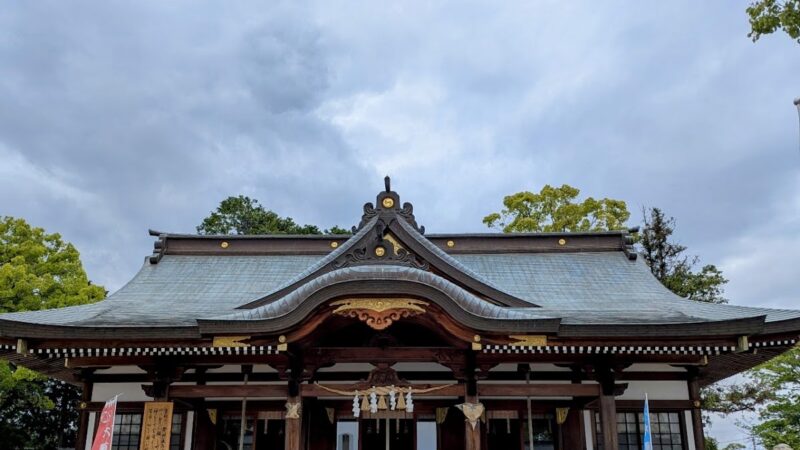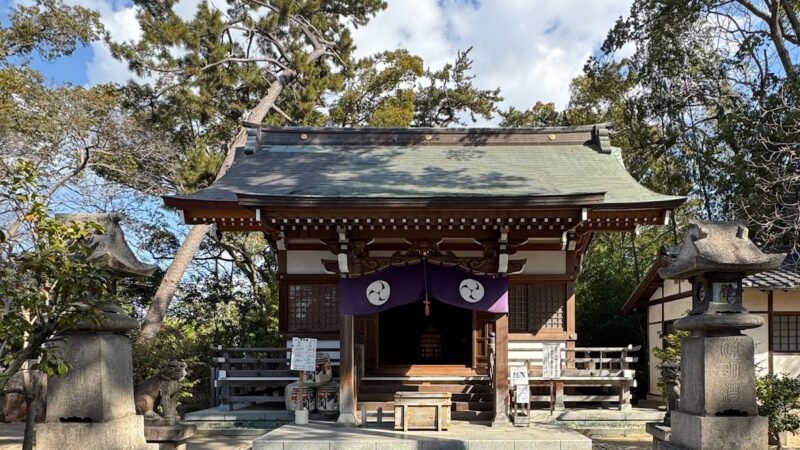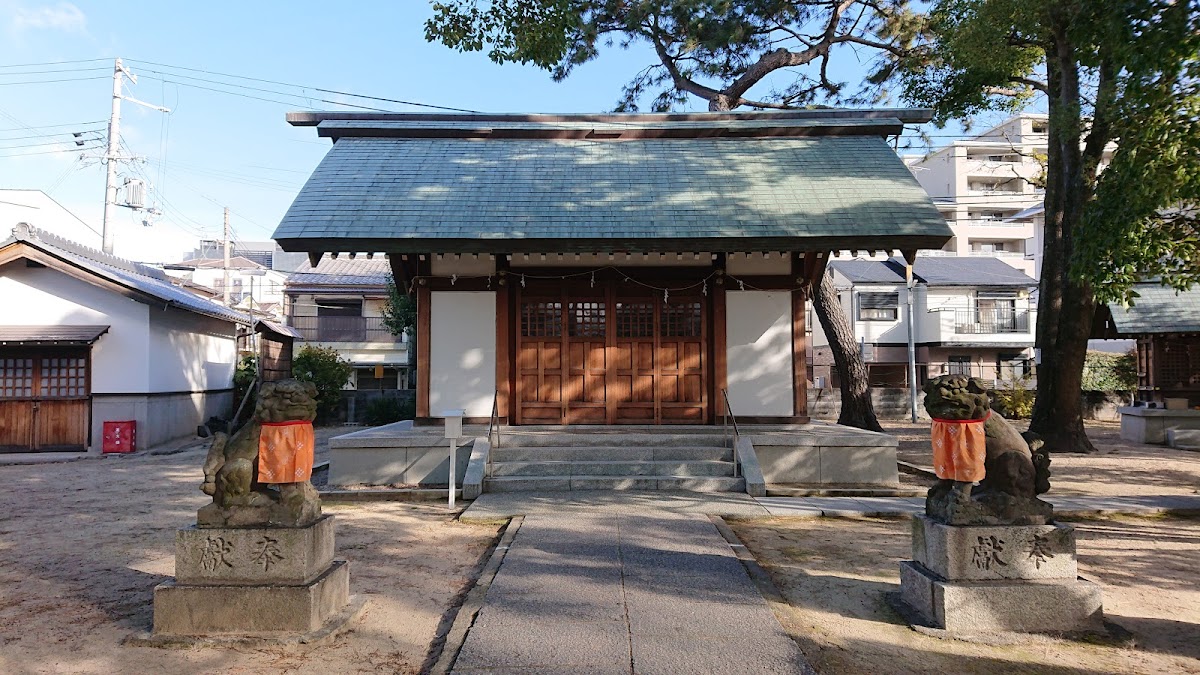
Kōtaijingu Shrine (Kamitanaka-cho, Nishinomiya City) | Detailed Explanation of Deities, Access, and History
Kōtaijingu Shrine, located in Kamitanaka-cho, Nishinomiya City, Hyogo Prefecture, is a venerable shrine that attracts the faith of the local community. This article comprehensively introduces information useful for visiting Kōtaijingu Shrine, including its enshrined deities, history, access methods, and information on nearby shrines.
Basic Information on Kōtaijingu Shrine
Kōtaijingu Shrine is a shrine located at 48 Kamitanaka-cho, Nishinomiya City, Hyogo Prefecture, and is registered under corporate code 8140005015996. There are several shrines named “Kōtaijingu Shrine” throughout Japan, and it ranks 1,652nd nationwide (out of 3 shrines).
Location and Contact Information
Address: 48 Kamitanaka-cho, Nishinomiya City, Hyogo Prefecture 663-8134
Kōtaijingu Shrine is located slightly northeast of the center of Nishinomiya City, quietly nestled within a residential area. The surrounding area is a peaceful residential neighborhood, and it is a beloved center of faith for local residents.
Registration as a Religious Corporation
Kōtaijingu Shrine is officially registered as a religious corporation and has been assigned the corporate code “8140005015996”. This indicates that it is properly managed and operated in accordance with the Religious Corporations Act.
About the Deities Enshrined
The name “Kōtaijingu” of Kōtaijingu Shrine is thought to originate from the Inner Shrine (Kōtaijingu) of Ise Grand Shrine. Generally, Kōtaijingu Shrine enshrines the following deities:
Main Deity
Amaterasu Omikami
Amaterasu Omikami is the supreme deity in Japanese mythology and is revered as the ancestral deity of the Imperial Family. She possesses the characteristics of a sun goddess and is believed to bestow divine virtues such as national peace and security, abundant harvests, and good fortune.
The name “Kōtaijingu-sha” (皇大神宮社) is often derived from the official name of the Inner Shrine of Ise Grand Shrine, “Kōtaijingu,” and is a characteristic name for shrines that enshrine Amaterasu Omikami as their main deity.
Divine Virtues and Faith
At Kōtaijingu-sha shrines that enshrine Amaterasu Omikami, the following divine virtues are believed:
- National Security and Prosperity of the Imperial Family: Divine virtue as the ancestral deity of the Imperial Family
- Abundant Harvest: Aspect as a guardian deity of agriculture
- Good Fortune and Prosperity: Source of vitality through the blessings of the sun
- Protection from Evil and Disaster: Dispelling evil spirits through light
- Family Safety: Peace and prosperity of the family
History and Origins of the Imperial Grand Shrine
While information regarding the founding date and detailed origins of the Imperial Grand Shrine is limited, based on local oral traditions and records, the history of shrine worship in the Nishinomiya area is ancient, with many shrines being established as local tutelary deities from the medieval to early modern periods.
Shrine Culture of Nishinomiya City
Nishinomiya City is home to 32 shrines, including the nationally famous Nishinomiya Shrine (head shrine of Ebisu). This represents a certain density among the 3,837 shrines in Hyogo Prefecture as a whole, indicating that it has been a region with a long history of religious faith.
The Kōtaijingu Shrine has played a vital role in Nishinomiya City’s shrine culture, functioning as a spiritual pillar for local residents. In particular, in the Kami-Tanaka-cho area, it serves as a place of prayer for the peace and prosperity of the community, as the local guardian deity.
The Spread of Ise Faith
The name “Kōtaijingu Shrine” is deeply connected to the Ise faith that spread throughout Japan during the Edo period. During the Edo period, pilgrimages to Ise became extremely popular among common people, and there was a surge in the movement to invite the divine spirits of Ise Grand Shrine to various locations.
For those unable to travel to the distant Ise Grand Shrine, shrines were established to welcome the deities of Ise into their local communities. It is possible that the Kōtaijingu Shrine was established within this context.
Access and Transportation Information
The Kōtaijingu Shrine can be accessed by public transportation or private car.
Access by Public Transportation
Access from the Nearest Station
The following stations are the closest to Kamitanaka-cho, Nishinomiya City:
- Hankyu Imazu Line “Mondoyakujin Station”: Approximately 15-20 minutes on foot
- Hankyu Imazu Line “Kotoen Station”: Approximately 20 minutes on foot
- JR Fukuchiyama Line “Nishinomiya-Najio Station”: Bus access is convenient
Access by Bus
It is convenient to take a Hankyu Bus or Hanshin Bus and get off at the “Kamitanaka-cho” bus stop. The shrine is a few minutes’ walk from the bus stop.
Access by Car
Access from Major Roads
- Via city road from National Route 176
- Approximately 15 minutes from Chugoku Expressway “Nishinomiya Kita IC”
- Approximately 20 minutes from Hanshin Expressway “Nishinomiya IC”
Parking Information
We recommend checking the availability of a dedicated parking lot for the shrine before your visit. Since the surrounding area is residential, please avoid street parking and consider using nearby coin-operated parking lots.
Manners and Etiquette for Visiting a Shrine
Here are the basic manners and etiquette for visiting the Ise Grand Shrine.
Basic Etiquette for Visiting a Shrine
- Bow before passing through the torii gate: This is a sign of respect when entering the sacred area.
- Purify yourself at the water basin: Purify your left hand, then your right hand, then your mouth.
- Walk along the edge of the path: The center is considered the path for the gods.
- Two bows, two claps, one bow: This is the general etiquette for visiting a shrine.
Appropriate Attire for Visiting a Shrine
There are no specific dress code requirements, but please wear clean clothing that is respectful to the gods. Especially if you are receiving a formal prayer, it is preferable to wear attire that is not too casual.
Visiting Hours
While shrines are generally open for worship from sunrise to sunset, some shrines are open 24 hours a day. It is recommended to check the opening hours of the shrine office in advance.
Location of Major Shrines in Nishinomiya City
Nishinomiya City is home to many historically significant shrines in addition to the Ise Grand Shrine.
Nishinomiya Shrine (Head Shrine of Ebisu)
Location: 1-17 Shakamachi, Nishinomiya City, Hyogo Prefecture
Features: The head shrine of approximately 3,500 Ebisu shrines nationwide. It is nationally famous as the god of business prosperity, and approximately 1 million worshippers visit during the “Toka Ebisu” festival held annually from January 9th to 11th.
Access: 5-minute walk from the Ebisu Exit of Nishinomiya Station on the Hanshin Main Line
Nishinomiya Shrine is a representative shrine of Nishinomiya City and is affectionately known locally as “Nishinomiya’s Ebessan.” While its enshrined deities and characteristics differ from those of the Ise Grand Shrine, it is an important presence in shaping the shrine culture of Nishinomiya City.
Hirota Shrine
Location: 7-7 Taisha-cho, Nishinomiya City, Hyogo Prefecture
Features: The oldest shrine in Hyogo Prefecture, mentioned in the Nihon Shoki (Chronicles of Japan). Legends of Empress Jingu remain, and it is situated in a scenic location overlooking Mount Rokko.
Hirota Shrine is particularly old among the shrines in Nishinomiya City, occupying an important position as a center of worship since ancient times.
Other Shrines in Nishinomiya City
Nishinomiya City has a total of 32 shrines, each supporting local faith. Each shrine is cherished by local residents as their guardian deity, and plays a role in strengthening community bonds through festivals and annual events.
Shrine Culture in Hyogo Prefecture and the Position of the Grand Shrine of Ise
Hyogo Prefecture as a whole has 3,837 shrines, making it a region with a large number of shrines compared to the rest of Japan.
Distribution of Shrines by Municipality in Hyogo Prefecture
Shrines in Hyogo Prefecture are distributed as follows:
- Kobe City: As the prefectural capital, it has a large concentration of shrines.
- Himeji City: As the center of the Harima region, it has many historical shrines.
- Nishinomiya City: Home to 32 shrines, it is a center of Ebisu worship.
- Tajima Region: Mountain worship and nature deity worship remain strong.
- Awaji Island: Shrines related to the creation myth of Japan are scattered throughout the area.
The Kōtaijingu Shrine, as one of the 32 shrines in Nishinomiya City, plays an important role in supporting the local faith.
Regional Development of Ise Faith
There are only three shrines with the name “Kōtaijingu Shrine” nationwide (ranked 1,652nd nationally), which is not very many. This indicates that Ise faith developed in unique forms in various regions.
Within Hyogo Prefecture, there are shrines that enshrine a divided spirit of Ise Grand Shrine, and shrines based on Ise faith, and the Kōtaijingu Shrine is one of them, occupying an important position in the history of local faith. ## Annual Events and Festivals
While the specific annual events of the Ise Grand Shrine vary depending on local customs and the size of the shrine, we will introduce the major events generally observed at shrines.
Major Annual Events
January (New Year’s Day)
- Saitansai (January 1st): A festival celebrating the New Year
- Genshisai (January 3rd): Prayers for the prosperity of the Imperial Family and the peace of the nation
February
- Setsubunsai: Prayers for warding off evil and bringing good fortune
- Kinensai: A major spring festival praying for a bountiful harvest
June & December
- Oharae-shiki: A purification ceremony to cleanse away the sins and impurities accumulated over the past six months
October & November
- Reitaisai: The most important festival of the shrine
- Niinamesai: A festival of gratitude for the harvest
Local Festivals
In the Kamitanaka-cho area, there may be local festivals centered around the Ise Grand Shrine. Traditional events such as portable shrine processions and offerings by local parishioners may be passed down.
Goshuin (Shrine Seals) and Souvenirs
The number of visitors seeking goshuin and souvenirs as mementos of their shrine visits is increasing.
About Goshuin
Whether or not the Ise Grand Shrine offers goshuin varies depending on the size of the shrine and the staffing status of the shrine office. If you wish to receive a goshuin, it is recommended to check before your visit.
Generally, goshuin are given as proof of worship; it is important to receive them with respect to the deities, rather than collecting them like a stamp rally.
Souvenirs
Shrines generally offer the following souvenirs:
- Omamori: For traffic safety, family safety, academic success, etc.
- Ofuda: Amulets to be placed on the household altar
- Ema: Eulogy plaques for writing wishes and offering them
- Omikuji: Messages from the deities
For specific souvenirs offered at the Ise Grand Shrine, please check during your visit.
Combining a Visit with Nearby Tourist Attractions
We recommend combining your visit to the Ise Grand Shrine with a tour of other tourist spots in Nishinomiya City.
Major Tourist Attractions in Nishinomiya City
Nishinomiya Shrine
The head shrine of Ebisu, famous as the god of business prosperity. The Toka Ebisu festival, known nationwide for its “Fuku-otoko (Lucky Man) Selection,” is a must-see.
Hirota Shrine
An ancient shrine mentioned in the Nihon Shoki (Chronicles of Japan), boasting beautiful grounds with Mount Rokko as a backdrop. It’s also a popular power spot.
Nishinomiya City Otani Memorial Museum
A museum boasting a collection of modern Japanese and Western paintings. The garden is also beautiful, offering a culturally enriching experience.
Shukugawa Park
A riverside park known for its cherry blossoms. In spring, approximately 1,660 cherry trees bloom, attracting many visitors.
Nishinomiya City’s Cuisine
Nishinomiya City is located between Kobe and Osaka, offering a diverse range of cuisine influenced by the food cultures of Kobe and Osaka. Enjoying a meal at a local restaurant after visiting the shrine is highly recommended.
The Significance of Visiting the Grand Shrine of Ise
Visiting the Grand Shrine of Ise is not merely sightseeing, but a valuable opportunity to experience traditional Japanese religious culture.
Its Role as a Local Guardian Deity
The Grand Shrine of Ise has been closely intertwined with the lives of local residents as the guardian deity of Kamitanaka-cho. It functions as a place to pray for divine protection at important life events such as a baby’s first shrine visit, Shichi-Go-San (a traditional rite of passage for children), and exorcism.
Visiting a local guardian deity provides an opportunity to understand the history and culture of the area and feel connected to the local community.
Faith in Amaterasu Omikami
Amaterasu Omikami is the supreme deity in Japanese mythology, the sun goddess who presides over the source of life. Visiting the Grand Shrine of Ise to worship Amaterasu Omikami can be seen as an act of gratitude for nature’s blessings and a desire for spiritual purification through light.
In modern society, shrine visits continue to hold significant meaning as a place to attain inner peace and as a place to inherit traditional Japanese culture.
Precautions When Visiting
Please note the following points when visiting the Grand Shrine of Ise:
Etiquette on the Shrine Grounds
- Maintain Silence: Please refrain from speaking loudly in the sacred area and pray quietly.
- Photography: Please abide by any restrictions on photography, such as in the main hall.
- Take Your Trash Home: To maintain the cleanliness of the shrine grounds, please take your trash home with you.
- Restricted Areas: Please do not enter areas where entry is prohibited to anyone other than Shinto priests.
Consideration for Weather and Season
- Summer: Remember to stay hydrated to prevent heatstroke.
- Winter: Take adequate precautions against the cold.
- Rainy Weather: The shrine grounds may become slippery, so please watch your step.
Bringing Pets
Some shrines prohibit bringing pets. It is recommended to check in advance.
Recommendation for Visiting Shrines in Nishinomiya City
Starting with a visit to the Ise Grand Shrine, a “shrine tour” visiting other shrines in Nishinomiya City is also recommended.
Example Shrine Pilgrimage Routes
Northern Nishinomiya Route
- Kōtaijingu Shrine (Kamitanaka-cho)
- Smaller Shrines in the Surrounding Area
- Mondoyakujin Tōkōji Temple (Not a shrine, but famous for warding off evil)
Central Nishinomiya Route
- Nishinomiya Shrine (Head Shrine of Ebisu)
- Hirota Shrine (Ancient Shrine)
- Koshikiwa Shrine (Megalithic Worship)
How to Enjoy Collecting Goshuin (Shrine Stamps)
By receiving goshuin at multiple shrines, you can learn about the unique characteristics and history of each shrine. Bring your goshuincho (stamp book) and keep it as a record of your visits.
Shrine Visits in the Digital Age
In modern times, methods of visiting shrines using smartphones and the internet are becoming widespread.
Utilizing Online Information
The Hyogo Prefectural Shrine Association website allows you to search for information on shrines within the prefecture. Basic information about Kōtaijingu Shrine and comparisons with other shrines are also available.
Services that allow access to shrine information from smartphones using two-dimensional barcodes (QR codes) are also increasing.
Sharing Information on Social Media
When sharing records of your visit on social media, please keep the following points in mind:
- Be considerate of the privacy of other visitors.
- Make sure your posts reflect the sacred nature of the place.
- Observe the shrine’s rules and areas where photography is prohibited.
Summary
The Kōtaijingu Shrine, located in Kamitanaka-cho, Nishinomiya City, Hyogo Prefecture, is a historic shrine dedicated to Amaterasu Ōmikami. It is one of only three shrines in Japan to bear the name “Kōtaijingu Shrine,” and is revered by local residents as their guardian deity.
Nishinomiya City has 32 shrines, each with its own unique history and beliefs. Visiting the Kōtaijingu Shrine allows you to experience traditional Japanese religious culture and learn about local history.
When visiting, it is important to observe basic manners and show respect to the deities. Furthermore, visiting nearby prominent shrines such as Nishinomiya Shrine and Hirota Shrine will allow you to gain a deeper understanding of Nishinomiya City’s rich shrine culture.
We hope that Kōtaijingu Shrine will be a place that brings peace of mind and happiness to everyone.