Kumano Sansho Shrine (Kochi City, Kochi Prefecture) Complete Guide | History, Deities, and Access Information
Kumano Sansho Shrine, located in Manman, Kochi City, Kochi Prefecture, is a shrine that has been cherished by the people of the Hatsuki district for many years as the local guardian deity. It is a historically significant shrine, established by inviting deities from the Kumano Sanzan in Wakayama Prefecture, and its tranquil space surrounded by groves of trees welcomes visitors. This article provides detailed information about Kumano Sansho Shrine, including a local perspective.
Basic Information about Kumano Sansho Shrine
Location and Contact Information
Kumano Sansho Shrine is located at 429 Manman, Kochi City, Kochi Prefecture. The postal code is 〒780-0973. The registered corporate number is 5490005000982.
Currently, this shrine is managed as a subsidiary shrine of Kochi Hachimangu Shrine, and its rituals and daily management are handled by Kochi Hachimangu Shrine. Therefore, it is recommended to contact Kochi Hachimangu Shrine for inquiries regarding Goshuin (shrine stamps) and other matters.
The Shrine’s Position
Kumano Sansho Shrine is deeply rooted in the community as the tutelary deity of the Mama, Nakamama, and Minamimama districts of Kochi City. A tutelary deity is a god who protects the people living in a particular area and plays an important role as the spiritual center of the local community.
Deities Enshrined and Origin of Beliefs
Deities Enshrined
Kumano Sansho Shrine enshrines the Three Great Deities of Kumano as its principal deities. Specifically, the following three deities are enshrined:
- Izanami-no-Okami: The goddess of creation in Japanese mythology
- Hayatama-no-Okami: The principal deity of Kumano Hayatama Taisha Shrine
- Kotosaka-no-Okami: One of the principal deities of Kumano Hongu Taisha Shrine
These deities are enshrined at the Kumano Sanzan (Kumano Hongu Taisha, Kumano Hayatama Taisha, and Kumano Nachi Taisha) in Wakayama Prefecture, and have attracted many worshippers since ancient times.
Relationship with Kumano Faith
The name Kumano Sansho Shrine originates from the fact that the deities of Kumano Sanzan were invited to this shrine. Kumano faith spread throughout Japan from the Heian period to the Kamakura period, and so many pilgrims visited Kumano that it was called “the ant-like pilgrimage to Kumano.” This faith spread throughout Japan, and the deities of Kumano were also enshrined in Kochi.
The deities of Kumano are believed to bestow a wide range of blessings, including purification, regeneration, matchmaking, and family safety, and have been widely worshipped by people from commoners to nobility. Kumano Sansho Shrine in Kochi City is a shrine that follows this tradition of Kumano faith and attracts the devotion of local people.
Shrine Grounds and Features
Approach and Shrine Building
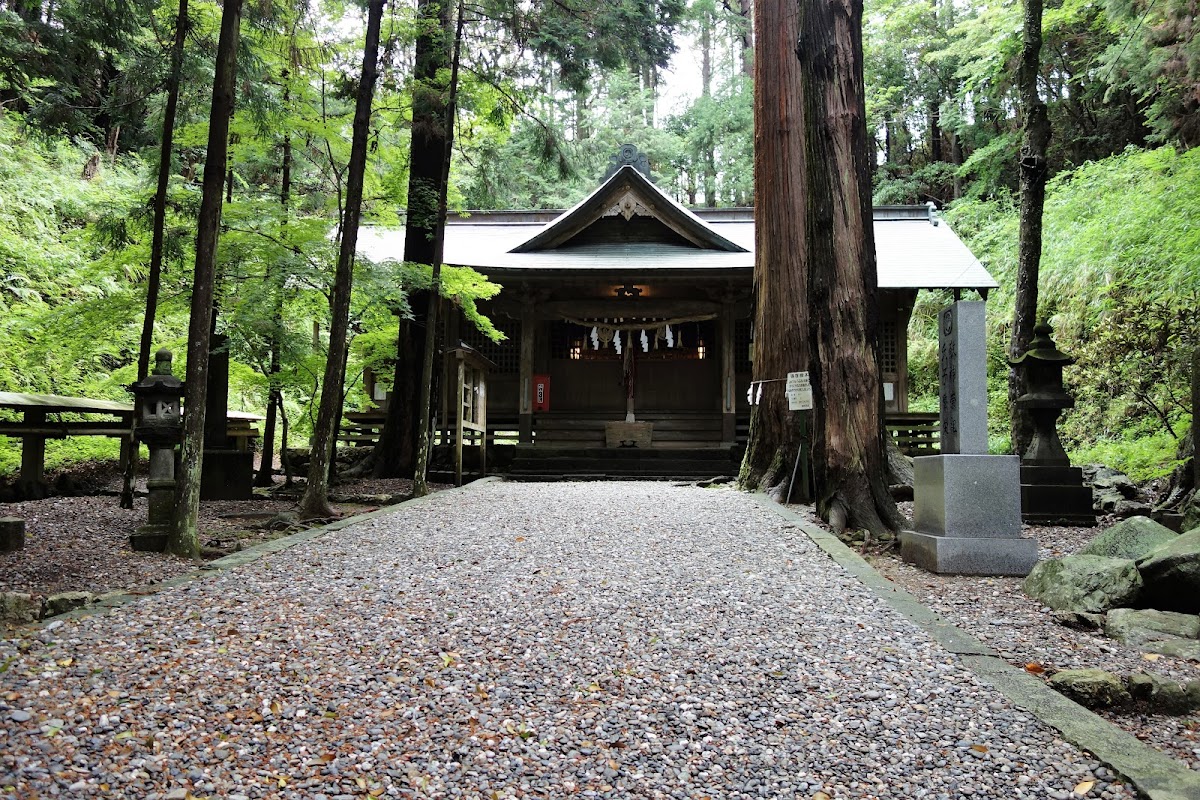
One of the features of Kumano Sansho Shrine is its relatively long approach for a rural shrine. According to the chief priest of Kochi Hachimangu Shrine, the approach is about 100 meters long, and visitors walk through a quiet atmosphere surrounded by a grove of trees to reach the shrine building.
As you proceed along the approach, the shrine building appears, enveloped in a lush green forest. Located in the mountains, the shrine building harmonizes with the surrounding nature, providing peace to visitors. Despite being in an urban area, it offers a space where you can feel the tranquility of being in a deep, secluded mountain valley.
Shrine Forest (Shrine Grove)
The forest surrounding the shrine is a precious natural environment that has been protected for many years. Such shrine forests are called “shasō” (shrine groves) and have been cherished as sacred places since ancient times. The shrine grove of Kumano Sansho Shrine also plays an important role in preserving the local ecosystem.
One of the charms of this shrine is being able to feel the changes of nature throughout the seasons. It shows a different face each season: fresh greenery in spring, deep green in summer, autumn leaves in fall, and silence in winter.
Deep Connection with the Hatsuki District
As the Local Guardian Deity
Kumano Sansho Shrine is deeply connected to the lives of the local residents as the guardian deity of the Hatsuki district, encompassing Manman, Nakamanman, and Minamimanman. Faith in guardian deities has played an important role in Japanese local communities.
For the residents of the Hatsuki district, Kumano Sansho Shrine is not merely a religious facility, but an important place that forms the identity of the community. Many local residents visit this shrine during important life events such as New Year’s visits, Shichi-Go-San (a traditional rite of passage for children), and exorcisms.
Annual Events and Festivals
As the local guardian shrine, Kumano Sansho Shrine holds various festivals throughout the year. These festivals are conducted by the chief priest of Kochi Hachimangu Shrine, preserving local traditions.
The autumn grand festival, in particular, is an important local event, featuring a procession of portable shrines and dedication ceremonies, providing an opportunity to deepen the bonds of the local community.
Relationship with Kochi Hachimangu Shrine
Management System as a Concurrent Shrine
Currently, Kumano Sansho Shrine is managed as a concurrent shrine of Kochi Hachimangu Shrine. A concurrent shrine is one that does not have a resident priest and is managed by the chief priest of another shrine.
Kochi Hachimangu Shrine is one of the representative shrines of Kochi City, and its chief priest regularly visits Kumano Sansho Shrine to perform festivals and manage the shrine grounds. This management system ensures that the shrine’s traditions and beliefs are passed down to the present day.
About Goshuin (Shrine Seals)
If you wish to receive a Goshuin, please contact Kochi Hachimangu Shrine. Because it is a subsidiary shrine, it is not always available at Kumano Sansho Shrine, but it may be possible at Kochi Hachimangu Shrine. We recommend contacting them in advance to confirm.
Access Methods
Access by Car
Access to Kumano Sansho Shrine from central Kochi City is most convenient by car.
- From Kochi Station: Approximately 15 minutes
- From Kochi IC on the Kochi Expressway: Approximately 20 minutes
The area around the shrine is a residential area, and some roads are narrow, so please drive carefully. Parking space is limited, so please be considerate of the neighbors, especially during festivals.
Access by Public Transportation
If using public transportation, you can use Tosaden Kotsu buses.
- Nearest Bus Stop: “Manman” Bus Stop
- Approximately 5-10 minutes on foot from the bus stop
Since the number of buses in Kochi City can be limited, it is recommended to check the timetable in advance.
Access by Foot or Bicycle
Although it is a little distance from the center of Kochi city, it is possible to visit by bicycle. Kochi city has a relatively flat terrain, making it a suitable environment for cycling. Visiting while enjoying the local scenery is also recommended.
Nearby Attractions
Kochi Hachimangu Shrine
Kochi Hachimangu Shrine, which is also managed by Kumano Sansho Shrine, is a shrine you should definitely visit. It is close to the center of Kochi city and is a shrine with a magnificent shrine building and spacious grounds. Visiting it together with Kumano Sansho Shrine will allow for a deeper religious experience.
Tourist Spots in Central Kochi City
Kumano Sansho Shrine is about a 15-minute drive from the center of Kochi city. It is conveniently located for planning sightseeing trips that combine it with representative Kochi tourist spots such as Kochi Castle, Harimaya Bridge, and Sunday Market.
Manners and Mindset for Visiting a Shrine
Basic Etiquette for Visiting a Shrine
The basic etiquette for visiting a shrine is as follows:
- Bow before passing through the torii gate: This is a greeting before entering the sacred area.
- Walk along the edge of the path: The center is considered the path of the gods.
- Purify yourself at the water basin: Purify your left hand, then your right hand, then your mouth.
- Worship at the main hall: Two bows, two claps, and one bow is the basic ritual.
Maintain Silence
Kumano Sansho Shrine is located in a residential area and surrounded by a quiet forest. When visiting, it is important to maintain silence and refrain from speaking loudly or making noise. Respect the sacred atmosphere of the shrine and worship with a calm heart.
Regarding Photography
Photography is generally permitted on the shrine grounds, but it is considered good manners to refrain from taking pictures inside the shrine buildings or during religious ceremonies. Also, be considerate of the privacy of other visitors.
Other Kumano Shrines in Kochi Prefecture
Sansho Shrine (Kanda, Kochi City)
In Kochi City, there is also a “Sansho Shrine” in the Kanda district. This shrine also enshrines the deities of Kumano. It was originally called Motosansha Gongen or Sansho Gongen, but was renamed Sansho Shrine in 1868 (Meiji 1). The enshrined deities are Izanami-no-Okami, Hayatama-no-O-no-Okami, and Kotoshige-no-O-no-Okami, the same deities as the Kumano Sansho Shrine in Manman.
Kumano Faith in Kochi Prefecture
There are many other shrines related to Kumano faith scattered throughout Kochi Prefecture. Visiting these shrines will allow you to experience the breadth and depth of Kumano faith in Kochi.
History and Changes of the Shrine
Circumstances of Founding
The exact founding date of Kumano Sansho Shrine is unclear, but it is believed to have been established in this region during the medieval period when Kumano faith spread throughout Japan. Because it was difficult for people at the time to make pilgrimages to the distant Kumano Sanzan shrines, they invited the deities of Kumano to their local areas, making them a place of worship.
Changes Since the Meiji Era
The Meiji-era decree separating Shinto and Buddhism forced major changes on shrines throughout Japan. Many shrines changed their names or reorganized their enshrined deities, and it is believed that Kumano Sansho Shrine was similarly affected.
Since the modern era, the nature of shrines has changed along with changes in local communities, but their role as local guardian deities remains unchanged.
The Future of Kumano Sansho Shrine
Coexistence with the Community
In modern society, local shrines play a role that goes beyond mere religious institutions. Kumano Sansho Shrine is also expected to become a central hub for community interaction, a place for intergenerational exchange.
Value as a Cultural Asset
With its long approach, lush forest, and historic shrine buildings, Kumano Sansho Shrine possesses cultural and historical value. It is important to appropriately preserve these and pass them on to future generations.
Potential as a Tourist Resource
For tourists visiting Kochi City, visiting a locally rooted shrine is a great opportunity to gain a deeper understanding of the local culture and history. Kumano Sansho Shrine also has the potential to become known to more people as a hidden charm of Kochi.
Precautions When Visiting
Visiting Hours
Kumano Sansho Shrine is open at all times and can generally be visited at any time. However, nighttime visits are not recommended for safety reasons. Please try to visit during daylight hours.
Visiting on Festival Days
On major festival days throughout the year, the situation may differ from normal. If you wish to visit in peace, it is recommended to avoid festival days or check with Kochi Hachimangu Shrine in advance.
Parking
Since the shrine’s dedicated parking is limited, please be careful not to inconvenience local residents when visiting by car. Avoid street parking and park in appropriate locations.
Experiences at Kumano Sansho Shrine
Peace of Mind
Located in an urban area yet surrounded by abundant nature, Kumano Sansho Shrine is an ideal place to escape the hustle and bustle of everyday life and find peace of mind. Walking along the long approach and offering prayers in the tranquil grounds will bring you inner peace.
Interacting with Local Culture
Visiting a local guardian shrine is a valuable opportunity to experience the culture and history of the area. Visiting this place of worship, cherished by the people of the Hatsuki district, will deepen your understanding of Kochi’s local culture.
Reflecting on History
Kumano Sansho Shrine is steeped in history, including the history of Kumano faith, the evolution of the shrine, and its connection to the community. Reflecting on this history while walking through the grounds is one of the joys of visiting the shrine.
Summary
Located in Manman, Kochi City, Kochi Prefecture, Kumano Sansho Shrine is a deeply rooted shrine in the Hatsuki district, serving as the local guardian shrine. This historic shrine, established by inviting deities from the Kumano Sanzan shrines in Wakayama Prefecture, enshrines three deities: Izanami-no-Okami, Hayatama-no-O-no-Okami, and Kotoshige-no-O-no-Okami.
With its approximately 100-meter-long approach and lush forest surrounding the shrine grounds, it maintains a tranquil atmosphere despite being located in an urban area, offering peace of mind to visitors. Currently managed as a subsidiary shrine of Kochi Hachimangu Shrine, it carefully preserves local traditions and beliefs.
When visiting Kochi City, be sure to also visit Kumano Sansho Shrine. It will be a valuable experience to feel the warmth unique to a locally rooted shrine and the history of Kumano faith. The address is 429 Manman, Kochi City, Kochi Prefecture, postal code 780-0973. Why not visit and pray in peace amidst the quiet forest?