Complete Guide to Kumano Shrine (Kaneda, Nanbu-cho, Tottori Prefecture)
Kumano Shrine, located in Kaneda, Nanbu-cho, Saihaku-gun, Tottori Prefecture, is a historic shrine that has been cherished by the local people for centuries. This article provides detailed information you should know before visiting, including the historical background of Kumano Shrine, its enshrined deities and blessings, highlights of the shrine grounds, and access methods.
Basic Information about Kumano Shrine
Kumano Shrine is located in the Kaneda district of Nanbu-cho, Saihaku-gun, Tottori Prefecture, and has played a central role in the local community. Nanbu-cho is a naturally rich area in western Tottori Prefecture, bordering Yonago City and Sakaiminato City, and Kumano Shrine has long been a spiritual center of faith in this region.
Location and Basic Data
Location: Kaneda, Nanbu-cho, Saihaku-gun, Tottori Prefecture
Shrine Rank: Village Shrine (Former Shrine Rank)
Annual Festival Date: Held according to local tradition
History and Origins of Kumano Shrine
Connection to Kumano Faith
The name Kumano Shrine originates from the faith in the Kumano Sanzan (Kumano Hongu Taisha, Kumano Hayatama Taisha, and Kumano Nachi Taisha) located in Kii Province (present-day Wakayama Prefecture). From the Heian period to the Kamakura period, pilgrimages to Kumano spread throughout Japan, and the faith spread to various regions.
It is believed that Kumano Shrine in Kaneda, Nanbu-cho, was also founded as part of this Kumano faith. From the medieval to the early modern period, the faith in Kumano Gongen was accepted by a wide range of people, from samurai to commoners, and Kumano Shrines and Kumano Gongen shrines were established in various places.
A History with the Community
The Kaneda district has long been a settlement centered on agriculture, and Kumano Shrine has played an important role as a place of worship for local residents praying for abundant harvests and family safety. During the Edo period, it served as the village’s guardian shrine, and under the Meiji era’s shrine system, it was designated a village shrine, becoming a central presence in the community.
Even after the war, it continues to serve as the local tutelary shrine, strengthening community bonds through festivals and annual events.
Deities and Benefits
Main Deities
The deities enshrined at Kumano Shrine are believed to be the gods of the Kumano Sanzan (Three Grand Shrines of Kumano). Generally, the following deities are enshrined at Kumano Shrine:
- Izanagi-no-Mikoto
- Izanami-no-Mikoto
- Ketsumiko-no-Kami / Susanoo-no-Mikoto
These deities are known in Japanese mythology as the gods of creation and the god of all creation.
Benefits and Divine Virtues
The following are some of the benefits you can expect at Kumano Shrine:
Matchmaking and Marital Harmony: As Izanagi-no-Mikoto and Izanami-no-Mikoto are the first married couple in Japan, they are believed to grant blessings for successful relationships and marital harmony.
Family Safety: They protect the health of the family and ensure a peaceful home life.
Abundant Harvest: As a shrine located in an agricultural area, it is deeply revered for prayers for a bountiful harvest.
Protection from Misfortune and Disaster: It is believed that the powerful divine authority of Susanoo-no-Mikoto protects against all kinds of calamities.
Healing from Illness: Based on faith in the gods, the source of life, blessings of health and longevity can also be expected.
Good Fortune and Prosperity: It is believed that the power of the gods who create all things will open up new opportunities.
Highlights of the Shrine Grounds
Shrine Buildings
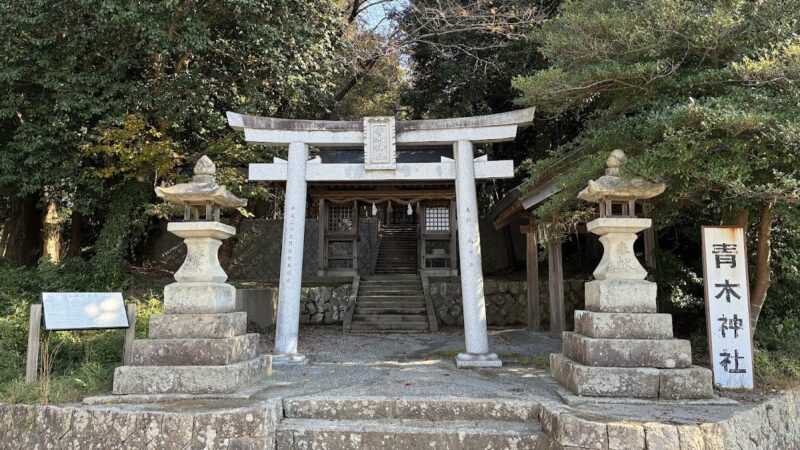
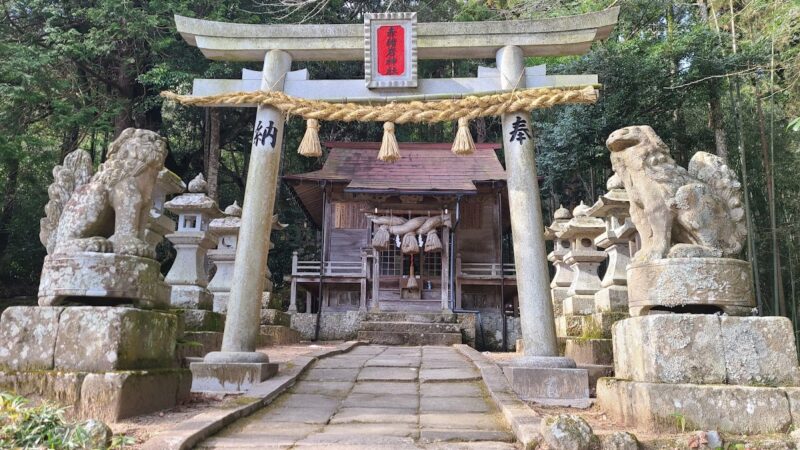
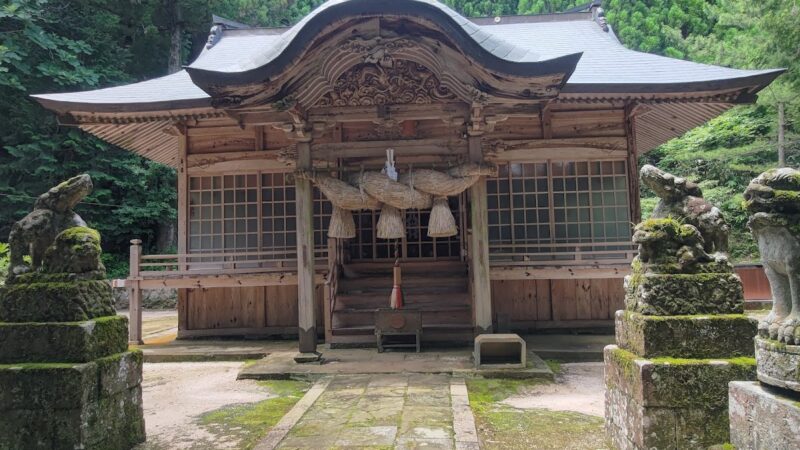
The shrine buildings of Kumano Shrine preserve the traditional shrine architectural style of the region. The main hall, though simple, is carefully maintained, reflecting the deep faith of the local residents.
Nature on the Shrine Grounds
The area surrounding the shrine is rich in nature, allowing visitors to enjoy its seasonal beauty. Especially during the fresh greenery of spring and the vibrant autumn foliage, visitors can worship in a tranquil atmosphere.
Stone Sculptures
Stone sculptures such as lanterns and guardian lion-dogs are placed throughout the shrine grounds. These are valuable cultural assets that convey the history and evolution of the region’s beliefs.
Annual Events and Festivals
Grand Festival
Kumano Shrine holds its annual Grand Festival. This is an important event in which all local residents participate, and may include a portable shrine procession and offering ceremonies.
New Year’s Day Festival
To welcome the new year, a festival is held to pray for peace and prosperity throughout the year. Local residents visit the shrine for their first shrine visit of the year and pray for safety in the new year.
Other Events
Spring festivals, autumn festivals, and other seasonal festivals are held according to local traditions.
Etiquette and Manners for Worship
Basic Worship Etiquette
- Bow before passing through the torii gate: Before entering the sacred area, bow to show respect.
- Purify yourself at the water basin: If there is a water basin, purify your left hand, then your right hand, and then your mouth.
- Walk along the edge of the approach to the shrine: The center of the approach is considered the path for the gods, so walk along the edge.
- Two bows, two claps, one bow: In front of the main hall, bow deeply twice, clap twice, and finally bow deeply once.
Mindset when visiting a shrine
Shrines are places for quiet prayer. Refrain from speaking loudly or running around the grounds. It is also important to be mindful that it is a sacred place and to visit with respect.
Access Information
Location
Kaneda, Nanbu-cho, Saihaku-gun, Tottori Prefecture
Access by Car
From the Yonago Expressway:
- Approximately 20 minutes from Yonago IC
- Approximately 15 minutes from Mizoguchi IC
From the center of Nanbu-cho, head towards the Kaneda area. Follow the local signs.
Access by Public Transportation
Since public transportation is limited in Nanbu Town, access by car is recommended. A taxi ride from JR Yonago Station takes approximately 30 minutes.
Parking
There may be parking spaces for visitors within the shrine grounds or nearby. During festivals or other times when congestion is expected, it is recommended to allow ample time for your visit.
Nearby Tourist Attractions
Highlights of Nanbu Town
Tottori Flower Corridor: One of Japan’s largest flower parks, where you can enjoy flowers throughout the seasons. Approximately 15 minutes by car from Kumano Shrine.
Kano Shrine: Another historical shrine within Nanbu Town, where you can learn about local culture.
Hoshoji Temple: An ancient temple located in the Hoshoji district of Nanbu Town, with historical buildings still standing.
Towards Yonago City
Kaike Onsen: A representative hot spring resort in the San’in region, popular for its open-air baths overlooking the Sea of Japan.
Yonago Castle Ruins: The ruins of a castle dating from the Sengoku period to the Edo period, offering magnificent views from the castle tower.
Towards Mt. Daisen
Mt. Daisen: The highest sacred mountain in the Chugoku region, offering opportunities for mountain climbing, hiking, and skiing.
About Nanbu Town
Town Overview
Nanbu Town was formed in 2004 through the merger of Kaiken Town and Saihaku Town, and is located in western Tottori Prefecture. With a population of approximately 10,000, agriculture remains its main industry, but in recent years, it has also been focusing on tourism.
Local Products
Persimmons: Nanbu Town is known as a persimmon producing area, with a particularly thriving cultivation of Fuyu persimmons.
White Leeks: One of Tottori Prefecture’s leading white leek producing areas.
Strawberries: Greenhouse-grown strawberries are also a local specialty.
How to Enjoy Visiting Kumano Shrine
Worship in Tranquility
Kumano Shrine is a simple shrine that hasn’t been commercialized for tourism. Therefore, you can escape the hustle and bustle of the city and worship in a quiet environment, calming your mind. You can take time to reflect on yourself, away from the busyness of daily life.
Feeling the History of the Region
Shrines are a crystallization of the history and culture of the region. By strolling through the grounds and reflecting on the faith and lives of the people who have lived in this area, you can have a deeper worship experience.
Visiting in Different Seasons
To enjoy the nature of the shrine grounds, which shows different expressions in each season, it is recommended to visit multiple times in different seasons. The budding of spring, the green of summer, the autumn leaves, and the silence of winter each have their own unique beauty.
Points to Note When Visiting
Attire
There are no specific dress code requirements for visiting the shrine, but it is desirable to wear modest attire that reflects the sacredness of the place. Also, since the grounds may have natural ground or gravel paths, comfortable walking shoes are recommended. ### Regarding Photography
Photography is generally permitted on the shrine grounds, but please be discreet in particularly sacred areas such as the main hall. Photography may also be restricted during festivals or other special occasions.
Visiting Hours
Shrines are generally open for worship at any time during the day, but daytime visits are recommended as it gets dark early in the morning and after sunset.
The Spread of Kumano Faith
Kumano Shrines Nationwide
There are said to be approximately 3,000 Kumano shrines throughout Japan, demonstrating the widespread influence of Kumano faith. While each region has developed uniquely, they share a common foundation: faith in the Kumano Sanzan (Three Grand Shrines of Kumano).
Kumano Faith in the San’in Region
Many Kumano shrines are also located in the San’in region, illustrating the spread of Kumano faith since the Middle Ages. The Kumano Shrine in Kaneda, Nanbu Town, is situated within this larger network of faith.
Local Community and the Shrine
Role as the Guardian Deity
Kumano Shrine serves as the guardian deity of the Kaneda district, a spiritual pillar for the local residents. It also functions as a place to strengthen community bonds through festivals and cleaning activities.
Preservation of Tradition
While maintaining local traditional events and shrines is a challenge amidst a declining birthrate and aging population, they are carefully preserved through the efforts of the residents. Each worshipper’s respect for the shrine is crucial for the continuation of tradition.
Summary
Kumano Shrine, located in Kaneda, Nanbu-cho, Saihaku-gun, Tottori Prefecture, is a shrine with a long history and deeply rooted local faith. While it lacks the glamour of a tourist destination, it offers a rare and peaceful place for worship.
Inheriting the faith from the Kumano Sanzan (Three Grand Shrines of Kumano), it is believed to offer various blessings, including matchmaking, family safety, and abundant harvests. When visiting Nanbu-cho, be sure to pay a visit. You will be able to experience the region’s history, culture, and the faith of its people.
In a lush natural setting, Kumano Shrine offers a tranquil space to pray, express gratitude for daily life, and pray for future peace. Such a place of solace is sure to be a precious haven for modern people.
Why not incorporate a visit to Kumano Shrine into your trip, as part of discovering the unique charm of this region while enjoying local specialties of Nanbu Town and exploring surrounding tourist attractions?