
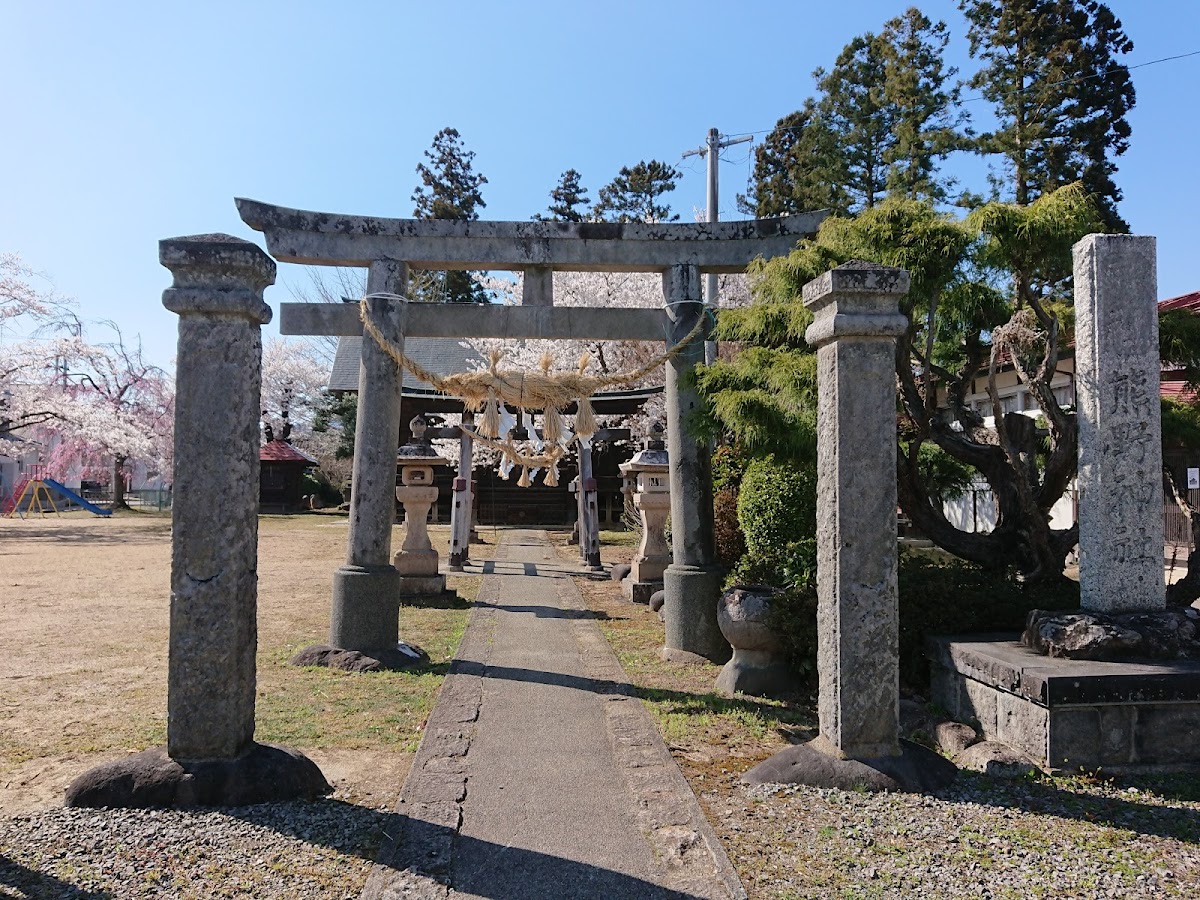
Complete Guide to Kumano Shrine (Maeda, Sasaya, Fukushima City, Fukushima Prefecture)
Kumano Shrine, located in Maeda, Sasaya, Fukushima City, Fukushima Prefecture, is a historic shrine beloved by the local community. This article provides detailed information useful for those considering a visit, from basic information and history to enshrined deities, highlights of the grounds, and access methods.
Basic Information about Kumano Shrine
Location and Address
Kumano Shrine is located at 53 Maeda, Sasaya, Fukushima City, Fukushima Prefecture. The postal code is 〒960-0241. It is located southwest of the center of Fukushima City, nestled in the quiet environment of the Sasaya area.
Corporate Number and Religious Corporation Information
Kumano Shrine’s corporate number is registered as “3380005000731”. This corporate number allows you to verify the official information as a religious corporation.
Phone Number and Contact Information
If you have any questions before visiting, it is recommended to contact the shrine in advance. Depending on the size and management style of the shrine, there may not be a resident priest. Therefore, it is important to check in advance if you wish to receive a Goshuin (shrine stamp) or special prayers.
Visiting Hours
Like most shrines, entry to the grounds is possible during the daytime. However, it is recommended to check the office hours and Goshuin issuance hours in advance. When visiting early in the morning or after sunset, please be considerate of the surrounding residents.
History and Origins of Kumano Shrines
Background of Kumano Faith
The name Kumano Shrine indicates that it is a shrine that was established by inviting deities from the Kumano Sanzan (Kumano Hongu Taisha, Kumano Hayatama Taisha, and Kumano Nachi Taisha) in Kii Province (present-day Wakayama Prefecture). Kumano faith spread throughout Japan from the Heian period to the Kamakura period, and many Kumano shrines were founded in the Tohoku region.
History of the Founding in the Sasaya District
While further research based on local historical documents and traditions is needed to determine the exact founding date of the Kumano Shrine in the Sasaya district of Fukushima City, it is believed, like many Kumano Shrines in the Tohoku region, to have developed as a center of local faith from the medieval to the early modern period.
Along with the development of the region and the advancement of agriculture, it has attracted fervent devotion from the people as a place to pray for abundant harvests and the peace and security of the community.
Connection with the Local Community
The Kumano Shrine in the Sasaya district has served not only as a place of worship but also as a central hub for the local community. Through seasonal festivals such as the autumn grand festival and New Year’s visits, it has become a place to deepen the bonds among local residents.
Deities and Divine Virtues
Main Deities
The deities enshrined at Kumano Shrines are generally the gods of the Kumano Sanzan (Three Grand Shrines of Kumano):
Kumano Hayatama no Okami
A deity often identified with Izanagi no Mikoto, bestowing blessings for matchmaking and protection against misfortune.
Kumano Fusumi no Okami
A deity often identified with Izanami no Mikoto, bestowing blessings for family safety, fertility, and safe childbirth.
Ketsumiko no Okami
A deity often identified with Susanoo no Mikoto, bestowing blessings for good fortune and protection against misfortune.
Divine Virtues and Faith
Kumano Shrine is known for the following divine virtues:
- Good Fortune and Prosperity: Bringing good fortune at turning points in life
- Protection from Evil and Disaster: Protection from various calamities
- Matchmaking: Successful relationships and marital harmony
- Family Safety: Health and peaceful living for the family
- Abundant Harvest: Prosperity in agriculture and abundant harvests
- Business Prosperity: Development and success in business
Highlights of the Shrine Grounds
Shrine Buildings
Kumano Shrine’s buildings are maintained at an appropriate scale for a local shrine. The structure of the main hall and worship hall retains the characteristics of traditional local shrine architecture, quietly welcoming visitors.
Atmosphere of the Shrine Grounds
Surrounded by the nature of the Sasaya area, the shrine grounds display different expressions throughout the four seasons. You can enjoy different beauty in each season: fresh greenery in spring, deep green in summer, vibrant autumn leaves, and snowscapes in winter.
Shrines within the Precincts and Subsidiary Shrines
Like many shrines, Kumano Shrine may also have subsidiary shrines within its precincts. These small shrines also hold the weight of local beliefs and history.
Access
Access by Car
From the center of Fukushima City
From the area around Fukushima Station, head south on National Route 13 towards Sasaya. The journey takes approximately 15-20 minutes.
From the Tohoku Expressway
Approximately 10 minutes from Fukushima-Nishi IC, or approximately 15 minutes from Fukushima-Iizaka IC.
Parking Information
While there are likely parking spaces commensurate with the size of the shrine, it is recommended to check the surrounding area during busy periods such as the annual festival. Street parking inconveniences local residents, so please park only in designated areas.
Access by Public Transportation
By Bus If using the bus from Fukushima Station, take a bus bound for Sasaya, get off at the nearest bus stop, and then walk. It is recommended to check the bus schedule and frequency in advance.
By Taxi If using a taxi from Fukushima Station, the journey takes approximately 15 minutes and the fare is approximately 2,000 to 3,000 yen.
Surrounding Area Information and Tourist Spots
Characteristics of the Sasaya Area
The Sasaya area is located in the southwestern part of Fukushima City and boasts a rich natural environment. It is a region where agriculture thrives, and you can enjoy the rural scenery throughout the seasons.
Nearby Shrines and Temples
Many historical shrines and temples are scattered throughout Fukushima City. After visiting Kumano Shrine, it is recommended to enjoy visiting the surrounding temples and shrines.
Nearby Tourist Facilities
Fukushima City Center Located about 20 minutes by car, Fukushima City Center boasts a wide variety of restaurants, souvenir shops, and cultural facilities.
Hot Spring Facilities Fukushima City has numerous famous hot springs, including Iizaka Onsen and Tsuchiyu Onsen. Relaxing in a hot spring after your visit is highly recommended.
Accommodation
Fukushima City offers a variety of accommodations, from business hotels to traditional hot spring inns. Those traveling from afar should consider staying near Fukushima Station or in a hot spring area.
Annual Events and Festivals
Annual Grand Festival
Like many shrines, Kumano Shrine holds an annual grand festival. Local parishioners and devotees gather, and traditional events such as portable shrine processions and Kagura (sacred dance) may take place.
New Year’s Visit
At the start of the new year, local people visit the shrine for their first shrine visit of the year, praying for peace and happiness throughout the year. The shrine is bustling with many visitors from January 1st to the third day of the year.
Other Annual Events
- Spring Festival: Celebrating the arrival of spring and praying for a bountiful harvest.
- Summer Purification Ceremony: Purifying oneself of the impurities accumulated over the past six months and praying for good health and protection from illness for the remaining half of the year.
- Autumn Festival: Giving thanks for the harvest and celebrating a good harvest.
- Shichi-Go-San: Celebrating the growth of children.
About Goshuin (Shrine Seals)
Issuance of Goshuin
The issuance of Goshuin varies depending on the size and operation of the shrine. If there is no resident priest, Goshuin may not be issued, or may only be available on specific dates and times.
For Those Wishing to Obtain a Goshuin
If you wish to obtain a Goshuin, we strongly recommend that you check with the shrine in advance. Also, please understand that Goshuin are proof of worship, not a stamp rally, and strive for a respectful visit.
Manners and Etiquette for Visiting a Shrine
Basic Etiquette for Visiting a Shrine
How to Pass Through a Torii Gate When passing through a torii gate, bow before entering. Since the center of the path is considered the path of the gods, it is polite to walk along the side.
Procedure for Washing Hands
- Take the ladle with your right hand and wash your left hand.
- Switch the ladle to your left hand and wash your right hand.
- Switch the ladle back to your right hand, receive water in your left hand, and rinse your mouth.
- Wash your left hand again.
- Hold the ladle upright, wash the handle, and return it to its original position.
Procedure for Worship
- Bow lightly in front of the offering box.
- Gently place your offering in the box.
- Ring the bell if there is one.
- Bow twice, clap twice, and bow once.
- Recite your wish silently.
Attire for Visiting a Shrine
Unless you are receiving a special prayer, everyday clothes are acceptable, but please dress in a clean and modest manner. It is best to avoid revealing or overly flashy clothing.
Photography
Photography is generally permitted on the shrine grounds, but it may be prohibited inside the main hall or in special areas. Please be considerate of other worshippers.
Other Kumano Shrines in Fukushima City
Kumano Shrine in Shimo-Iizaka
There is also a Kumano Shrine in Shimo-Iizaka, Fukushima City. Located approximately 1.7 km northwest of Higashi-Fukushima Station on the Tohoku Main Line, it is said that a man named Kurotsu Shohachi invited the Kumano deity from Kii Province during the medieval period.
Famous Kumano Shrines in Fukushima Prefecture
Shingu Kumano Shrine (Kitakata City)
This is a historical shrine said to have been established in 1055 (Tenki 3) by Minamoto no Yoriyoshi to pray for victory during the Former Nine Years’ War. The worship hall, “Nagatoko,” designated as a National Important Cultural Property, is a Heian period Shinden-zukuri style building characterized by its 44 thick pillars. Within the shrine grounds is a large ginkgo tree over 800 years old, offering magnificent autumn foliage.
Kumano Shrine (Iwaki City)
This shrine boasts a history of approximately 1240 years, said to have been established in 783 AD (Enryaku 2) with a divided spirit from the Kumano Sanzan shrines in Kishu. It is known as the shrine closest to Spa Resort Hawaiians.
Local History and Culture
History of Sasaya District
The Sasaya district has long developed as a settlement centered on agriculture. Located in the southwestern part of the Fukushima Basin, blessed with abundant water and fertile land, agriculture, primarily rice cultivation, has been practiced.
Faith and Life
Kumano Shrine has been deeply intertwined with the lives of the people in this region. The shrine has played an important role in milestones in agricultural work and rites of passage in life, serving as a spiritual pillar of the local community.
Charms of Fukushima City
Natural Environment
Fukushima City is located in a basin surrounded by mountains such as the Azuma Mountain Range and Mount Adatara, and is a region with vivid seasonal changes. You can enjoy beautiful nature throughout the year, from spring flowers and summer greenery to autumn foliage and winter snowscapes.
Fruit Kingdom
Fukushima City is known as a “fruit kingdom,” producing high-quality fruits such as peaches, pears, and apples. Fukushima peaches, in particular, are famous nationwide, and you can enjoy fruit picking from summer to autumn.
Hot Spring Culture
There are many hot spring resorts in the city, such as Iizaka Onsen, Tsuchiyu Onsen, and Takayu Onsen, each offering a different water quality and atmosphere. A trip combining temple visits and hot springs is also recommended.
Precautions When Visiting
Seasonal Precautions
Winter (December-March)
Fukushima City experiences snowfall in winter. When visiting, please take precautions against the cold and wear non-slip shoes. Stone steps within the temple grounds may be frozen, so please be careful of your footing.
Summer (July-August)
Summer temperatures are high. To prevent heatstroke, please wear a hat and stay hydrated.
Disaster Response
In the event of natural disasters such as earthquakes or heavy rains, please refrain from visiting the shrine and prioritize your safety. After a disaster, please refrain from entering the shrine grounds until their safety is confirmed.
Supporting the Shrine
Parishioners and Worshippers
Local shrines are maintained through the support of parishioners and worshippers. You can support the shrine in various ways, such as participating in festivals and other events, or cooperating with cleaning activities.
Protection of Cultural Properties
The buildings of the shrine and the natural environment of the grounds are valuable cultural properties of the region. Appropriate maintenance and protection activities are crucial to passing these on to future generations.
Summary
Kumano Shrine, located in Maeda, Sasaya, Fukushima City, Fukushima Prefecture, is a historical shrine deeply rooted in the community. While inheriting the traditions of Kumano faith, it plays an important role as a place of worship and spiritual refuge for the local people.
When visiting a shrine, please observe basic etiquette and manners, and take time to quietly and calmly connect with the deities. You will be able to spend a peaceful time while experiencing the rich nature and culture of Fukushima City.
Visiting a shrine is not merely sightseeing; it is a valuable opportunity to experience traditional Japanese culture and local history. By visiting Kumano Shrine, you will be able to gain a deeper understanding of the history of the Sasaya district, the faith of its people, and the charm of Fukushima.
Through worship, you can escape the hustle and bustle of daily life and have quiet time to reflect on yourself, which will be a valuable experience in modern society. We hope that Kumano Shrine will be a place where you can find peace of mind and renewed vitality.


