
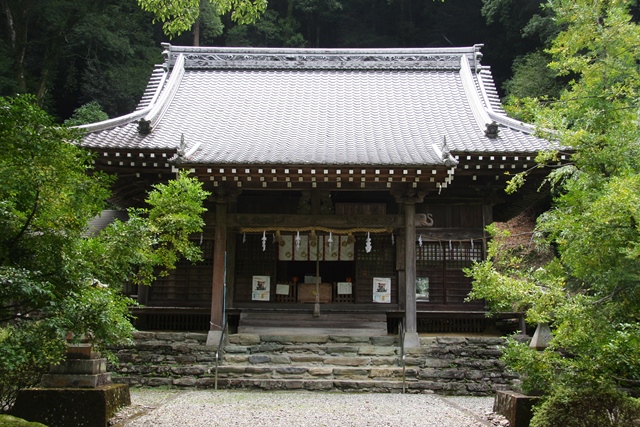
Complete Guide to Kumano Shrine (Shikokuchuo City, Ehime Prefecture) | One of Shikoku’s Foremost Ancient Shrines with 1200 Years of History and Legend
Located in Shingu-cho, Shikokuchuo City, Ehime Prefecture, Kumano Shrine is a venerable ancient shrine with a history of approximately 1200 years, founded in 807 (Daido 2) during the early Heian period. This shrine, which was established by inviting deities from the Kumano Sanzan in Kishu, was once revered as “Kumano Daigongen, the Foremost Sacred Place in Shikoku,” and had a wide range of parishioners and worshippers throughout the four prefectures of Shikoku.
This article provides detailed information you should know before visiting Kumano Shrine, including its history, enshrined deities, highlights, access methods, and surrounding tourist spots.
History and Origins of Kumano Shrine
Founded in the Early Heian Period
The founding of Kumano Shrine dates back to September 18, 807 (Daido 2), during the reign of Emperor Heizei, the 51st emperor. The shrine’s origins trace back to its establishment by the ancestors of the current chief priest’s family, who invited the deity from Kumano Shingu in Kishu (present-day Wakayama Prefecture).
At the time of its founding, this area was called “Komimura,” but after the enshrinement of Kumano Shrine, it came to be known as “Shingumura” around the Kamakura period. Therefore, the current place name, Shingu-cho, Shikokuchuo City, originates from the enshrinement of this Kumano Shrine.
Flourishing as Shikoku’s Foremost Sacred Site
From the Heian period to the Muromachi period, Kumano Shrine was widely revered as “Kumano Daigongen, Shikoku’s Foremost Sacred Site.” Its sphere of influence extended throughout the four prefectures of Shikoku, and it flourished as one of Shikoku’s leading sacred sites, attracting many pilgrims.
At that time, together with its affiliated temple, Jinguji, it was a large shrine with vast grounds. As a center of Kumano faith, it was visited by many Shugendo practitioners and was known as a sacred place with powerful spiritual efficacy.
Warfare and Reconstruction during the Sengoku Period
During the Sengoku period, Kumano Shrine suffered a tragic fire that destroyed it along with its affiliated temple, Jinguji. This disaster resulted in the loss of its former grand scale, and the shrine grounds were forced to shrink.
However, thanks to the fervent faith of the local people, the shrine was rebuilt, and its history has been passed down for over 1200 years to this day.
Deities and Divine Virtues
Main Deities
The deities enshrined at Kumano Shrine are the same as those of the Kumano Sanzan in Kishu:
- Ketsumimiko no Okami – The main deity of Kumano Hongu Taisha, also identified with Susanoo-no-Mikoto
- Kumano Hayatama no Okami – The main deity of Kumano Hayatama Taisha
- Kumano Fusumi no Okami – The main deity of Kumano Nachi Taisha, also identified with Izanami-no-Mikoto
Yatagarasu Belief
Kumano Shrine also enshrines the Yatagarasu, a three-legged sacred bird said to have guided Emperor Jimmu’s eastern expedition. The Yatagarasu (three-legged crow) is worshipped as a god of guidance and opening paths, and is also known as a symbol of the Japanese national soccer team today.
Many people involved in sports and those facing competitive situations visit the shrine, and it is particularly revered by those in the soccer world.
Divine Virtues
The main divine virtues of Kumano Shrine are as follows:
- Family Safety and Prosperity
- Business Prosperity and Success
- Protection from Misfortune and Good Fortune
- Healing from Illness and Longevity
- Matchmaking and Marital Harmony
- Improved Luck in Competitions and Prayer for Victory
- Opening Paths and Guidance in Life
Highlights of the Shrine Grounds
The Sacred Ginkgo Tree
The most striking feature of Kumano Shrine grounds is the gigantic sacred ginkgo tree, estimated to be about 400 years old. Its trunk circumference is several meters, and in autumn, its golden leaves adorn the shrine grounds. This large ginkgo tree is believed to have been planted during the reconstruction after the wars of the Sengoku period, and can be considered a living witness that has watched over the history of the shrine.
Main Hall and Worship Hall
The current shrine buildings were rebuilt after the Edo period. The main hall is a one-bay nagare-zukuri style building, and together with the worship hall, it is a valuable architectural structure that tells the story of the region’s history.
Subsidiary Shrines
Several subsidiary shrines are enshrined within the grounds of Kumano Shrine, each with different divine virtues. When visiting, it is recommended to pay your respects not only to the main hall but also to the subsidiary shrines.
Legends and Place Names Remaining in Shingu Town
Numerous legends related to Kumano Shrine remain in Shingu Town, and many place names derived from these legends still exist today.
Place Names Based on Legend
Shingu Town is dotted with place names related to Kumano Shrine and Kumano faith, such as the following:
- Jinguji Ruins – The site of the former head temple
- Otabisho – A resting place for the portable shrine during its procession
- Misogiba – A place where one purified oneself before religious ceremonies
These place names are remnants of the time when Kumano Shrine flourished as the foremost sacred site in Shikoku, and are valuable cultural heritage that conveys the history of the region to the present day.
Mysterious Legends
Kumano Shrine is also home to many mystical legends. Tales of miraculous events and strange occurrences indicate that this shrine was more than just a place of worship; it was a sacred place that attracted the reverence of people.
Visiting Information
Basic Information
- Official Name: Kumano Shrine
- Address: 483 Shingu, Shingu-cho, Shikokuchuo City, Ehime Prefecture 799-0303
- Phone Number: Please inquire at the shrine office
- Visiting Hours: Grounds are freely accessible (please check the shrine office’s opening hours)
- Admission Fee: Free
- Parking: Available (Free)
- Corporate Number: 1500005005926
Access Method
Access by Car
- From Shingu IC on the Kochi Expressway: Approximately 5 minutes
- From Mishima-Kawanoe IC on the Matsuyama Expressway: Approximately 30 minutes
- From Takamatsu area: Approximately 1 hour and 30 minutes via National Route 11
Located next to the former Shingu Village Office, its proximity to the Dozan River is also a landmark.
Access by Public Transportation
- From JR Yosan Line Kawanoe Station: Approximately 20 minutes by taxi
- From JR Yodo Line Shingu-Chuo Station: Approximately 15 minutes on foot
Due to the limited number of public transportation options, access by car is recommended.
About Goshuin (Shrine Seals)
Kumano Shrine offers Goshuin. Since the shrine office may be unattended, it is recommended to contact them in advance if you wish to receive a Goshuin.
The Goshuin features the calligraphy of “Kumano Shrine” and the shrine’s seal, serving as a memento of your visit. If you do not have a Goshuincho (seal book), you may be able to receive a pre-printed Goshuin.
Annual Events and Festivals
Main Festivals
Kumano Shrine holds various festivals throughout the year:
- Annual Grand Festival: The most important festival held in autumn
- New Year’s Day Festival: Prayers for safety and prosperity in the new year
- Setsubun Festival: Prayers for protection from evil and for good fortune
- Summer Purification Ceremony: Purification of impurities accumulated over the past six months
Festival dates may vary from year to year; please contact the shrine for details.
Differences from Other Kumano Shrines in Shikokuchuo City
In addition to the Kumano Shrine in Shingu-cho, Shikokuchuo City also has the “Kumano Hachiman Shrine” (681, Kangawa-yama, Tomisato-cho, Shikokuchuo City, Ehime Prefecture 799-0643) located in Kangawa-yama, Tomisato-cho.
The Kumano Shrine in Shingu Town is a central hub of Kumano faith in Shikoku-Chuo City, representing the region due to its history of direct enshrinement from the Kumano Sanzan shrines in Kishu and its historical significance as the origin of the place name “Shingu.”
Nearby Tourist Attractions
Roadside Stations Near This Spot
Michi-no-Eki Kirinomori (Approx. 15km, Approx. 20 minutes by car)
This roadside station is nationally famous for its “Kirinomori Daifuku” (rice cakes) made with Shingu tea. Enjoy local specialties and gourmet food in a quiet environment surrounded by tea fields.
- Address: 4491-1 Umadate, Shingu-cho, Shikokuchuo City, Ehime Prefecture
- Opening Hours: 8:30 AM – 5:30 PM (Varies by facility)
- Local Products: Kirinomori Daifuku (rice cake), Shingu Tea, Local Vegetables
Michi-no-Eki Komatsu Oasis (approx. 35km, approx. 40 minutes by car)
A roadside station located along National Route 11, offering a wide selection of local products from the Toyo region of Ehime Prefecture.
Hot Spring Facilities Near This Spot
Shingu Onsen Kirinomori Koyu-kan (approx. 15km, approx. 20 minutes by car)
A day-trip hot spring facility adjacent to Michi-no-Eki Kirinomori. Known as a “beauty spring” with its alkaline simple hot spring water that leaves skin smooth.
- Address: 4491-1 Umadate, Shingu-cho, Shikokuchuo City, Ehime Prefecture
- Opening Hours: 10:00 AM – 9:00 PM (Last entry 8:30 PM)
- Price: Adults 500 yen, Children 300 yen (Prices may vary depending on the season)
- Spring Water Quality: Alkaline simple hot spring
- Efficacy: Neuralgia, muscle pain, joint pain, fatigue recovery, etc.
Minepia Besshi Hadeba Onsen (Approx. 25km, Approx. 35 minutes by car)
This hot spring is located within a tourist facility utilizing the industrial heritage of the Besshi Copper Mine. You can enjoy the hot spring while learning about the history of the mine.
Dozan River and Shingu Dam
The Dozan River, which flows near Kumano Shrine, is known as one of Shikoku’s clearest rivers. Shingu Dam is located upstream, and the area around the dam lake is a scenic spot rich in nature.
Suiha Plateau (approx. 20km, 30 minutes by car)
This plateau, centered around Suiha Peak (892m above sea level), is covered in rapeseed blossoms in spring and cosmos flowers from summer to autumn. It’s a spectacular spot offering panoramic views of the Seto Inland Sea.
Points to Note and Manners When Visiting
Etiquette for Visiting
- Bow before passing through the torii gate: This is a courtesy before entering the sacred area.
- Purify your body and mind at the water basin: Purify your left hand, then your right hand, then your mouth.
- Walk along the edge of the path: The center is considered the path of the gods.
- Worship at the main hall: The basic procedure is two bows, two claps, and one bow.
Regarding Clothing
There are no specific dress code requirements, but as it is a sacred place, please avoid overly revealing clothing. Especially during festivals, formal attire is desirable.
Regarding Photography
Photography is generally permitted within the shrine grounds, but please refrain from taking photos inside the main hall or during religious ceremonies. If unsure, it is recommended to check with the shrine office.
Kumano Faith in Shikoku and Kumano Shrine (Shikokuchuo City)
Development of Kumano Faith in Shikoku
Since the Heian period, Kumano faith has spread throughout Japan, and many Kumano shrines were established in Shikoku. Kumano Shrine in Shikokuchuo City is one of the oldest shrines with a long history and was a central figure in Kumano faith in Shikoku.
Connection with Shugendo
Kumano Shrine has deep connections with Shugendo, and many Shugendo practitioners once visited for training. The surrounding mountains were used as training grounds, and during the era of syncretism of Shinto and Buddhism, it served as a center of faith along with Jinguji temples.
Connection with the Community
Identity of Shingu Town
Kumano Shrine not only gave its name to Shingu Town, but is also an important element in shaping the region’s identity. As the center of local festivals and events, it remains deeply rooted in the lives of the residents.
Core of the Local Community
The shrine functions as the core of the local community, serving as a place for intergenerational exchange through events such as the annual festival. The maintenance and management activities of the shrine are actively carried out by parishioners and devotees.
Summary: The Significance of Visiting Kumano Shrine
Kumano Shrine in Shingu-cho, Shikokuchuo City, Ehime Prefecture, boasts a history of over 1200 years and is a prestigious shrine that has played an important role as the center of Kumano faith in Shikoku.
With its history of being a branch shrine of the Kumano Sanzan in Kishu, its history as the foremost sacred site in Shikoku, and its cultural significance as the origin of the place name, this shrine possesses many attractions. More than just a tourist spot, it is a valuable place where you can experience Japanese religious culture and local history.
Why not quietly pay your respects in the shrine grounds, watched over by a 400-year-old ginkgo tree, while reflecting on its long and rich history? This shrine is a must-visit when you’re in Shikokuchuo City.
Visiting it in conjunction with the nearby Michi-no-Eki Kirinomori (roadside station) and hot spring facilities will make your trip to Shikokuchuo City even more fulfilling. Spend a refreshing day in Shingu Town, where history, nature, and local culture harmonize.


