Kumano Shrine (Shinkai, Tosayamada-cho, Kami City, Kochi Prefecture) Complete Guide: History, Relationship with Izanagi-ryu, and Visiting Information
Kumano Shrine, located in Shinkai, Tosayamada-cho, Kami City, Kochi Prefecture, is a historically significant shrine where the deeply rooted Kumano faith of the region and the unique folk belief “Izanagi-ryu” are fused. This article provides a detailed introduction to the shrine’s history, enshrined deities, relationship with Izanagi-ryu, and useful information for visitors.
Basic Information on Kumano Shrine
Location and Access
Kumano Shrine is located in Shinkai, Tosayamada-cho, Kami City, Kochi Prefecture. Kami City was formed on March 1, 2006, through the merger of Tosayamada-cho, Kahoku-cho, and Monobe-mura. It covers a vast area of 538 square kilometers, ranging from the commuter town area of Kochi City to the naturally rich mountainous region.
Address: Shinkai, Tosayamada-cho, Kami City, Kochi Prefecture (On-site confirmation of the exact address is recommended)
Postal Code: 782-0058
Access Method
The nearest station is Tosayamada Station on the JR Dosan Line. It takes approximately 10 minutes by car from Tosayamada Station to the Shinkai area. If using public transportation, local buses are available, but since the number of buses is limited, it is recommended to check the timetable in advance.
If accessing by private car, it takes approximately 30 minutes from the Nankoku IC on the Kochi Expressway via National Route 195. The route passes through the mountainous area of the Shinkai River basin, allowing you to enjoy the scenery of each season.
History and Origins of Kumano Shrine
The Origin of Kumano Faith and Kami City
The area including Kami City, formerly Kami County, has a historical background of being a Kumano manor from the beginning of the Middle Ages. The local name “Kami” is a word related to “kami” (god), and it is thought that the Monobe River was considered a sacred site (kamunabi/kaminabi/kannabi) where a god resided. “Kami” refers to Kami, and “Nabi” means “hidden.” As seen in Shugendo mountain ascetics (Kumano faith), Onmyoji (great generals), and Izanagi-ryu (folk beliefs), Kami County has been considered a land where gods reside, imbued with faith since ancient times.
The faith of the Kumano Sanzan (Hongu, Shingu, and Nachi) spread from the Kii Peninsula to Shikoku via sea and mountain routes. Several Kumano shrines exist around Kami City, each attracting local faith as a shrine that invited one of the Kumano Sanzan deities.
Characteristics of the Kumano Shrine in Shinkai, Tosa-Yamada Town
The Kumano Shrine located in Shinkai, Tosa-Yamada Town, is a valuable presence that preserves a unique form of faith specific to this region. While the exact founding date is unknown, it is certain that Kumano faith was deeply ingrained in this region from the medieval to the early modern period.
The place name Shinkai means “to renew,” suggesting that some kind of new development or reform took place in this area in the past. The geographical conditions of the mountainous region along the Shinkai River basin also provided a suitable environment for Kumano faith, which is deeply intertwined with mountain worship, to take root.
Deities Enshrined and the Nature of the Shrine
Kumano Sanzan and Forms of Enshrinement
The deities enshrined at Kumano shrines generally originate from the principal deities of the Kumano Sanzan. Representative examples include Ketsumiko-no-Okami (Susanoo-no-Mikoto) of Kumano Hongu Taisha, Hayatama-no-O-no-Mikoto of Kumano Hayatama Taisha, and Kumano Fusumi-no-Okami (Izanami-no-Mikoto) of Kumano Nachi Taisha.
There are several Kumano shrines within Kami City. For example, the Kumano shrine in Konan City is a shrine that invited the deity of Shingu, one of the three Kumano shrines. It was formerly called Shingu Gongen and enshrines Hayatama-no-O-no-Mikoto. The Kumano shrine in Shinkai, Tosa-Yamada Town, is also highly likely to be a shrine that invited the deity of one of the three Kumano shrines, but the specific circumstances of its enshrinement require on-site verification and research into local traditions.
Forms of Worship at Shrines
Kumano faith is originally closely linked to mountain asceticism. The Kumano Kodo, the pilgrimage route to the three Kumano shrines, was also a path of training for ascetics. Similarly, the tradition of mountain asceticism remains strong in the mountainous areas of Kochi Prefecture.
Kumano shrines have attracted the faith of local residents as places to pray for worldly benefits such as recovery from illness, abundant harvests, and family safety. Especially during times when agriculture was the main industry, rituals such as prayers for a bountiful harvest and rainmaking are thought to have held significant meaning.
Deep Connection with Izanagi-ryu
What is Izanagi-ryu?
Izanagi-ryu, a folk belief system passed down in Monobe-cho, Kami City, Kochi Prefecture (formerly Monobe Village, Kami District), is essential for understanding this region. Izanagi-ryu is a unique form of belief that arose from the blending of Kumano Shugendo and Onmyodo, and is attracting attention as a very rare cultural asset nationwide.
The name Izanagi-ryu is said to originate from Izanagi-no-Mikoto in Japanese mythology, but in reality, it is a comprehensive folk belief system in which elements of Buddhism, Shinto, Onmyodo, and Shugendo are intricately intertwined.
Izanagi-ryu Rituals and Kumano Faith
In Izanagi-ryu rituals, a hot water purification ceremony (yutate) is performed at the beginning of the festival. A unique feature of this ritual is that the cauldron used in this hot water purification ceremony is that the gods of Kumano are invoked into it. The boiled water is considered sacred water from the Shingu and Hongu shrines of Kumano and is used to purify the sacred site and the parishioners.
This ritual demonstrates that Kumano faith is incorporated as a core element of Izanagi-ryu. The idea of manifesting the miraculous power of the Kumano Sanzan (Three Grand Shrines of Kumano) in the real world through the medium of hot water is strongly influenced by Shugendo (mountain asceticism).
Fusion of Kumano Faith and Izanagi-ryu in Kami City
The Kami City area was a Kumano manor from the beginning of the Middle Ages, so Kumano faith was deeply ingrained there. This historical background provided the fertile ground for the creation of the unique form of faith known as Izanagi-ryu.
In the mountainous areas of the Monobe River basin, Shugendo practitioners dispatched from Kumano were active, spreading Kumano faith among the local residents. Simultaneously, local Onmyoji (diviners) and folk prayer practitioners developed their own unique ritual systems, incorporating elements of Kumano Shugendo (mountain asceticism). The result was the establishment of the Izanagi-ryu school.
The Kumano Shrine in Shinkai, Tosa-Yamada Town, is also thought to have played an important role in this history of faith. The shrine may have functioned not only as a place of worship but also as a venue for performing Izanagi-ryu rituals.
Geography and Cultural Background of Kami City
Monobe River and Kannabi Belief
The Monobe River, which flows through Kami City, is central to the faith of this region. The place name “Mononobe” itself suggests a connection to the Monobe clan, a powerful ancient clan. The Monobe clan was responsible for military affairs and rituals, and had deep ties to Shinto.
The belief in the Monobe River as a Kannabi (sacred mountain) and a dwelling place for the gods strongly reflects the tradition of nature worship. The belief that gods reside in natural objects such as mountains, rivers, and large rocks is a primal form of Japanese faith. This belief, combined with Kumano faith and Shugendo (mountain asceticism), led to the formation of a more complex system of beliefs.
Geographical Characteristics of the Shinkai River Basin
After passing Yamada, the JR Dosan Line enters the mountainous region of the Shinkai River basin, ascending towards Higashikawa, passing through the Hokiyama Tunnel, and reaching Haneto. This topography was not only a crucial transportation hub but also held significant importance as a center of mountain worship.
The mountainous region was a training ground for Shugendo practitioners and considered a sacred space. The Shinkai area is situated within this tradition of mountain worship. The presence of the Kumano Shrine in Shinkai indicates that this area was not merely a settlement but a place of religious importance.
Tourism and Cultural Resources of Kami City
Kami City boasts numerous tourist attractions, including Ryugado Cave (a nationally designated historical site and natural monument), the Yanase Takashi Memorial Museum (Anpanman Museum), Befu Gorge, Nishikuma Valley, and Mt. Miune. Alongside these tourist resources, the religious culture of Kumano Shrine and Izanagi-ryu is also recognized as an important cultural heritage of Kami City.
Izanagi-ryu, in particular, is being preserved and passed down as an intangible cultural property, making it a valuable cultural resource that demonstrates the uniqueness of this region. Visiting Kumano Shrine offers more than just sightseeing; it provides an opportunity to experience the deep history and culture of this area.
Grounds and Highlights of Kumano Shrine
Layout of the Shrine Grounds
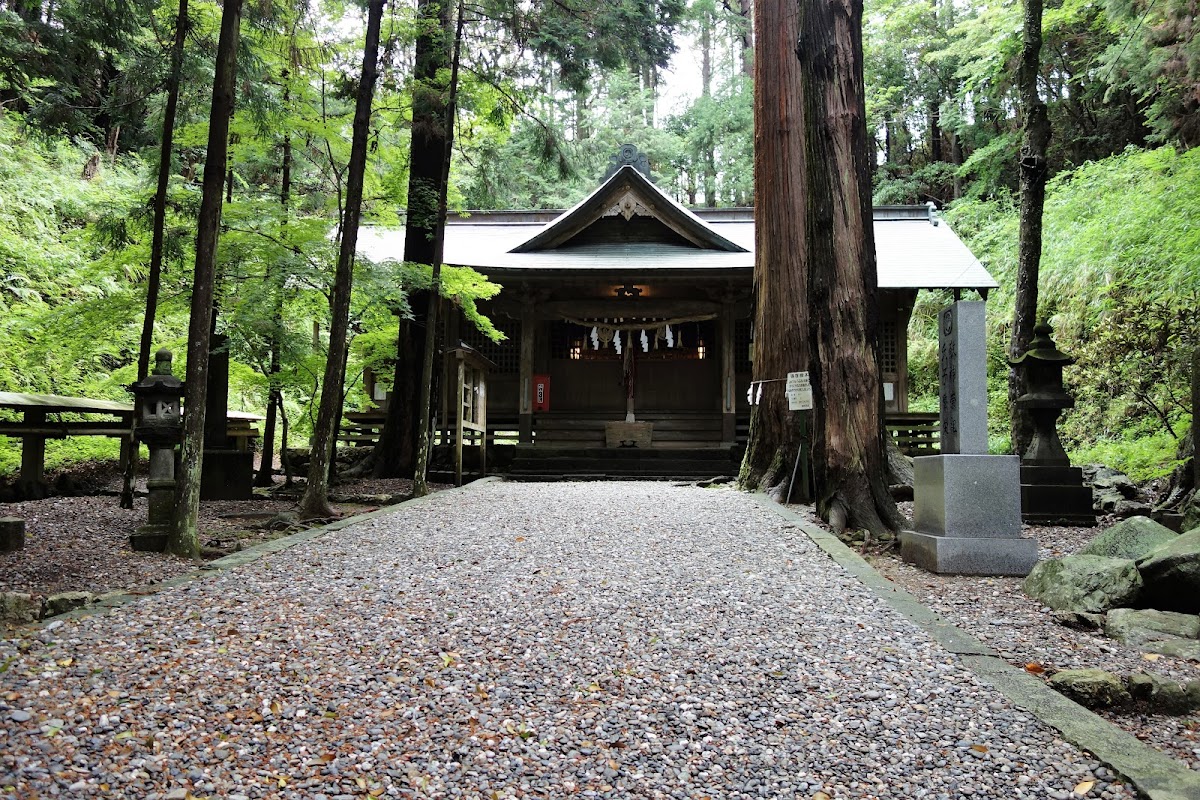
The grounds of Kumano Shrine maintain the typical form of a mountain shrine. As evidenced by the lack of a precise address, it is presumed to be located in a quiet area slightly towards the mountains, rather than in the center of a settlement.
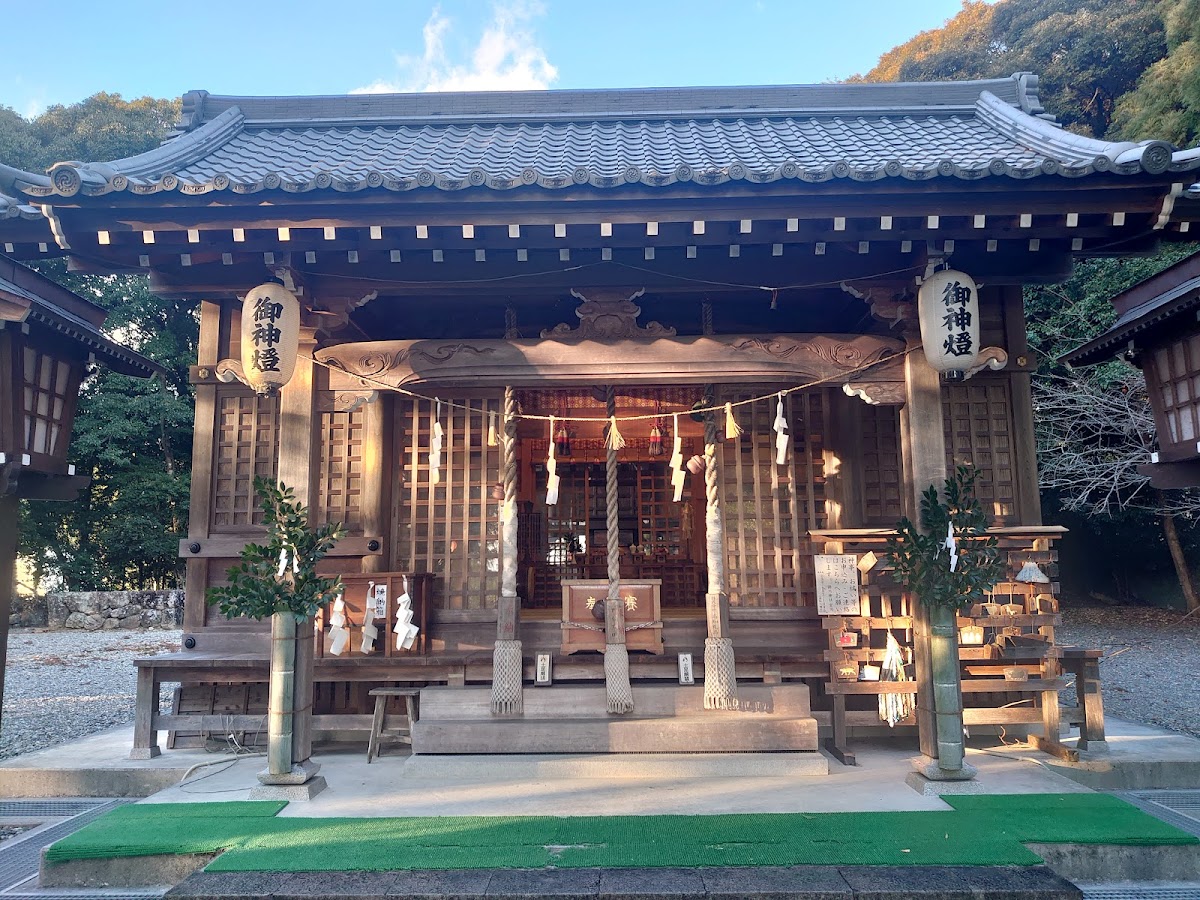
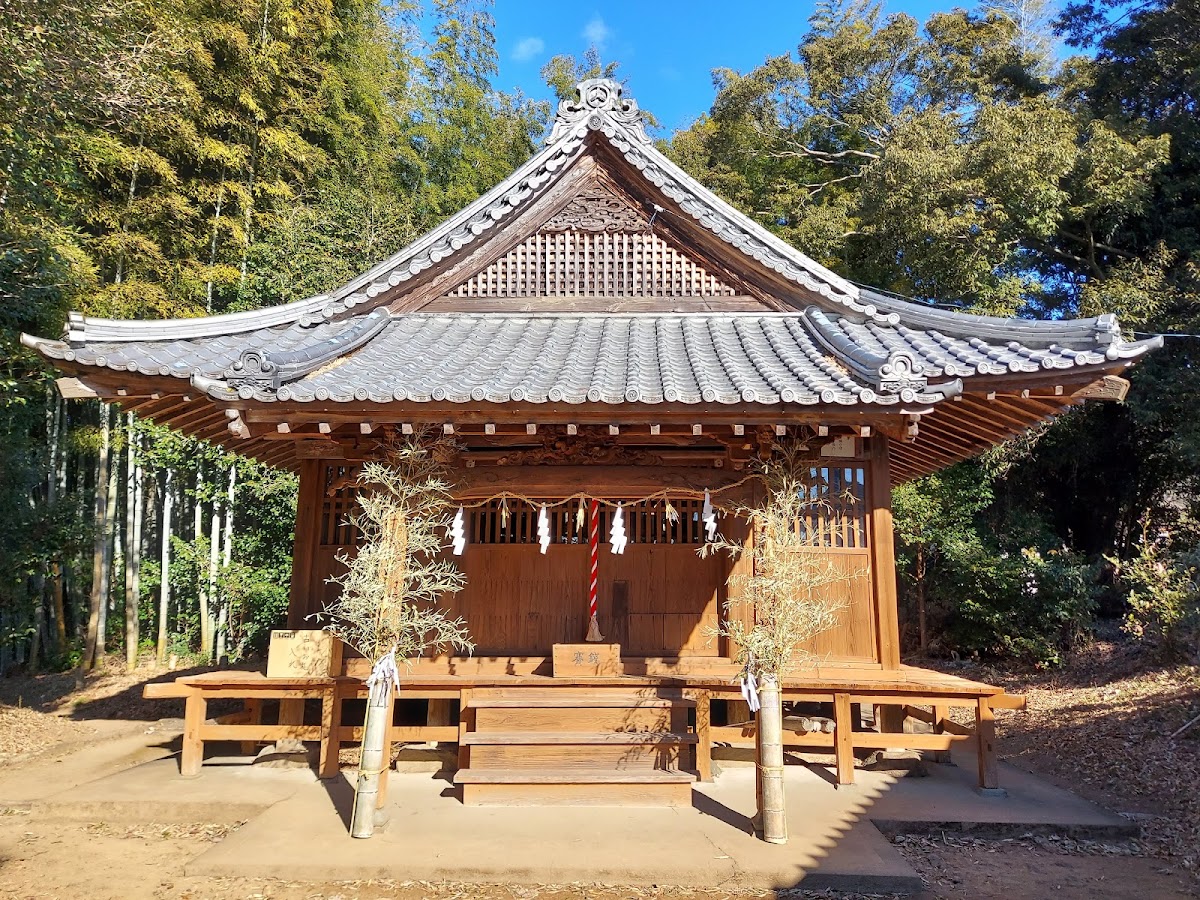
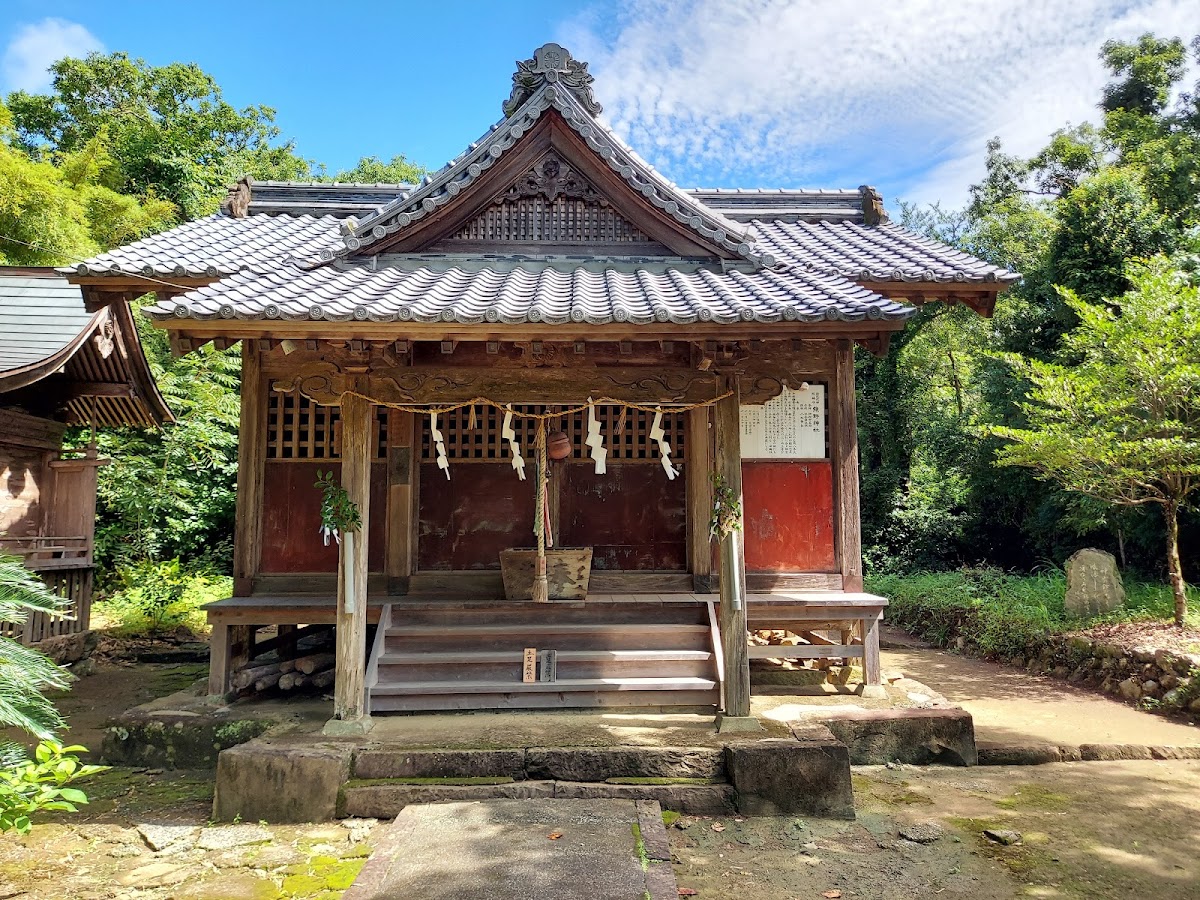
A typical Kumano Shrine grounds include basic facilities such as the main hall, worship hall, torii gate, and purification fountain. Often, smaller shrines such as Inari shrines and Aragami shrines are also enshrined within the grounds, making it a place of multifaceted worship.
Rituals and Annual Events
Kumano Shrines hold various rituals throughout the year. In addition to major festivals such as the spring Kinensai (harvest festival), the autumn Reitaisai (grand festival), and Niinamesai (harvest festival), there may be unique regional events.
In particular, areas influenced by the Izanagi school may exhibit distinctive ritual forms. Performing arts such as the Yudate Shinto ritual, sword dances, and lion dances may be offered, and these are passed down as regional traditional culture.
Etiquette for Worship
Worship at a Kumano Shrine follows the general etiquette for visiting any shrine. Bow before passing through the torii gate, purify your hands and mouth at the purification fountain, and worship in front of the worship hall using the two bows, two claps, and one bow ritual.
In Kumano faith, harmony with nature and purification of mind and body are highly valued. When visiting a shrine, it is important to be mindful of the surrounding natural environment and offer prayers quietly.
Comparison with nearby Kumano Shrines
Kumano Shrine in Monobe-cho, Kami City
There are several Kumano shrines within Kami City. The Kumano Shrine located at 166 Nakatanigawa, Monobe-cho (corporate number: 7490005004536) was designated as a religious corporation on October 5, 2015.
This Kumano Shrine is located in Monobe-cho, the base of the Izanagi school, and is geographically close to the Kumano Shrine in Shinkai, Tosa-Yamada-cho. It is highly probable that there was religious exchange and commonality in rituals between the two.
Kumano Shrine in Konan City
Konan City has a Kumano Shrine that enshrines Shingu, one of the three Kumano shrines. Formerly known as Shingu Gongen, this shrine has a history that gives its name to Shingu Village. The enshrined deity is Hayatama-no-o-no-Mikoto, and it is notable for the presence of an ema (votive tablet) said to have been created by Shingu Manosuke when he was 16 years old.
Thus, each Kumano Shrine in Kochi Prefecture, while having invited a deity from one of the three Kumano shrines, possesses its own unique regional history and traditions. The Kumano Shrine in Shinkai, Tosa-Yamada Town, can be understood as part of this network of Kumano faith.
Relationship with Kumano Shrines Nationwide
There are approximately 2,133 Kumano Shrines nationwide, making it the third largest number of shrines in Japan. This reflects the flourishing of Kumano faith in the Middle Ages and the nationwide missionary activities of Kumano Shugendo practitioners.
The Kumano Shrines in Kochi Prefecture are thought to have received their faith from the three Kumano shrines on the Kii Peninsula via sea and mountain routes. In particular, mountainous areas like Kami City developed uniquely, intertwined with the tradition of Shugendo.
Useful Information for Visiting the Shrine
Best Time to Visit
Visiting Kumano Shrine is generally possible year-round. However, as it is located in a mountainous area, there is a possibility of snow and icy roads in winter. Visiting from spring to autumn is relatively easy.
Especially during the season of fresh greenery (April-May) and autumn leaves (November), the surrounding natural scenery is beautiful, allowing you to enjoy nature along with your visit. Since famous spots such as Befu Gorge and Nishikuma Valley are nearby, combining a visit with sightseeing is also recommended.
Clothing and Items to Bring
No special clothing is required for visiting the shrine, but since it is a mountainous shrine, comfortable shoes and clothing that allows for easy movement are recommended. Insect repellent spray is recommended in summer, and warm clothing in winter.
When visiting, please prepare an offering. Also, if you wish to receive a Goshuin (shrine stamp), please bring your Goshuincho (stamp book). However, since there may not be a resident priest, it is recommended to check in advance.
Clothing and Items to Bring
No special clothing is required for visiting the shrine, but since it is a mountainous shrine, comfortable shoes and clothing that allows for easy movement are recommended. Insect repellent spray is recommended in summer, and warm clothing is recommended in winter.
When visiting, please prepare an offering. Also, if you wish to receive a Goshuin, please bring your Goshuincho. However, since there may not be a resident priest, it is recommended to check in advance.
Nearby Tourist Attractions
In addition to visiting Kumano Shrine, you can also visit other tourist attractions in Kami City.
Ryugado Cave: A nationally designated historical site and natural monument, this limestone cave boasts a history of approximately 175 million years. Yayoi period ruins have also been discovered within the cave, allowing visitors to enjoy both nature and history.
Yanase Takashi Memorial Museum: A memorial museum dedicated to Yanase Takashi, the cartoonist from Kami City and creator of Anpanman. As an Anpanman Museum, it’s a facility that can be enjoyed by both children and adults.
Befu Gorge: Known as a famous spot for fresh greenery and autumn leaves, it offers the beauty of a gorge and hot springs. Befu Gorge Onsen is a healing space surrounded by nature.
Local Food Culture
When visiting Kami City, be sure to enjoy the local food culture. Kochi Prefecture is famous for its seafood, including katsuo no tataki (seared bonito), but in the mountainous Kami City, you can also savor mountain vegetable dishes and river fish dishes.
Around Tosa-Yamada Town, you can find restaurants and izakayas (Japanese pubs) using local ingredients, where you can enjoy hearty Kochi cuisine and local sake.
Kumano Shrine and the Local Community
As the Center of the Local Community
Kumano Shrine has served not only as a place of worship but also as the center of the local community. During festivals, local residents participate wholeheartedly in the preparation and operation, creating a place for intergenerational exchange.
In mountainous and rural areas facing depopulation and an aging population, community activities centered around the shrine play a crucial role in maintaining the community. Through festivals and cleaning activities, community bonds are preserved.
Value as a Cultural Asset
Kumano Shrine and the rituals performed there are valuable cultural assets of the region. Their value is further enhanced, especially when they have a strong connection to Izanagi-ryu. Izanagi-ryu is designated as a National Important Intangible Folk Cultural Property and is a culturally significant heritage from an academic perspective.
Maintaining shrines and continuing religious rites is essential for passing on local history and culture to future generations. Visits from worshippers and tourists also contribute to raising awareness of the importance of protecting these cultural assets.
Passing on to the Future
In Kami City, efforts are being made to pass on traditional culture. The Izanagi-ryu Preservation Society is active, working to record rituals and train successors. Kumano Shrine is positioned as part of these cultural preservation efforts.
The challenge today is to pass on shrines and rituals to future generations in a sustainable way, while balancing tourism and cultural asset preservation. It is important for each visitor to understand and respect the value of this region’s culture.
Summary
Kumano Shrine, located in Shinkai, Tosayamada-cho, Kami City, Kochi Prefecture, is a historically and culturally important shrine where Kumano faith and the unique folk belief of Izanagi-ryu are fused. This region, which was a Kumano manor since the Middle Ages, has a deeply rooted and continuously preserved faith that blends Kumano Shugendo (mountain asceticism) and Onmyodo (Japanese esoteric cosmology).
This shrine embodies a multi-layered history of faith, encompassing the worship of the Monobe River as a sacred mountain, the mountain worship of the Shinkai River basin, and the enshrinement of deities from the Kumano Sanzan (Three Grand Shrines of Kumano). Visiting this shrine allows you to experience not just sightseeing, but the profound history and culture of this region.
When visiting Kami City, be sure to visit not only famous tourist spots like Ryugado Cave and the Anpanman Museum, but also local places of worship like Kumano Shrine. There, you will find the rich spiritual culture nurtured in the mountainous regions of Kochi Prefecture.
The Izanagi-ryu Yudate Shinto ritual, in which the deities of Kumano are enshrined and the boiled water is used as sacred, symbolizes the essence of the faith in this region. The traditional Japanese worldview, which emphasizes harmony between nature and humanity, and between gods and humans, continues to thrive here.
A visit to Kumano Shrine will be a valuable opportunity to experience the very roots of Japanese culture. Please do visit Kami City and experience the unique faith and culture of this region.