Complete Guide to Kyushoji Temple (Kanazawa City, Ishikawa Prefecture) | History, Access, and Highlights Explained in Detail
Kyushoji Temple, located in Kanazawa City, Ishikawa Prefecture, is a venerable Soto Zen Buddhist temple with ties to the Kaga Domain and Oda Nobunaga. This article comprehensively introduces information useful for those considering a visit, from the historical background of Kyushoji Temple to its highlights, access methods, and information on Goshuin (temple stamps).
Basic Information about Kyushoji Temple
Kyushoji Temple is a Soto Zen Buddhist temple located in Horikawa Shinmachi, Kanazawa City, Ishikawa Prefecture. Its official name is “Ekiyozan Kyushoji.”
Temple Overview
- Location: 7-50 Horikawa Shinmachi, Kanazawa City, Ishikawa Prefecture 920-0849
- Phone Number: 076-231-5634
- Sect: Soto Zen
- Mountain Name: Ekiyozan
- Principal Image: Shakyamuni Buddha
- Year of Founding: Keicho 15 (1610)
- Founding Priest: Ryozan Han’o Daiohsho
- Founder: Myogan Yofu Osho (with Gyokusenin-dono Shogan Eiju Daizenjo Ni as patron)
- Current Chief Priest: Watanabe Tomomitsu
Kyushoji Temple is also known as the 28th temple of the Kanazawa Thirty-Three Kannon Pilgrimage and is a historically significant temple visited by many worshippers.
History and Origin of Kyushōji Temple
Background of its Founding and Gyokusen-in
Kyushōji Temple was founded in 1610 (Keichō 15). Gyokusen-in (real name: Naga), the wife of Maeda Toshinaga, the second lord of the Kaga Domain, was deeply involved in the temple’s establishment.
Gyokusen-in was born the fourth daughter of Oda Nobunaga and later married Maeda Toshinaga. She had a strong desire to pray for the souls of her father, Oda Nobunaga, and her stepmother, Kyūan Keishō Daizenjōni, in Kaga Province.
To fulfill this wish, Gyokusen-in commissioned the monk Myōgan Yoden, a descendant of Oda Nobunaga, to build Kyushōji Temple. The temple’s name, “Kyushōji,” was derived from the characters “Kyū” and “Shō” from the posthumous Buddhist name of Kyūan Keishō Daizenjōni.
The Connection Between the Maeda and Oda Families
The founding of Kyushoji Temple speaks to the deep connection between the Maeda and Oda families of the Kaga Domain. Tamasen-in (Nagahime), who became the principal wife of Maeda Toshinaga, was the fourth daughter of Oda Nobunaga, and this marriage strengthened the ties between the two families.
After the death of her husband, Toshinaga, Tamasen-in remained in Kanazawa and became deeply devoted to Buddhism. The construction of Kyushoji Temple can be seen as a manifestation of her faith and longing for her family.
The Temple’s History
With a history of over 400 years since its founding, Kyushoji Temple has experienced various changes over time. About 100 years ago, it was moved to its current location in Kanazawa and rebuilt by the founder, Reiko Sojo, a grandson of Lord Yoshinori, the lord of the Kaga Domain.
This relocation and reconstruction resulted in Kyushoji Temple’s current form, and it has been passed down to this day as a center of local faith.
About the Soto Zen School
Kyushoji Temple belongs to the Soto Zen School, one of Japan’s Buddhist sects and a branch of Zen Buddhism.
Characteristics of the Soto Zen School
The Soto Zen School is based on the Zen teachings brought from China by Zen Master Dogen during the Kamakura period. It is a sect that emphasizes “Shikantaza,” that is, single-minded devotion to seated meditation.
- Head Temples: The two main head temples are Eiheiji Temple (Fukui Prefecture) and Sojiji Temple (Yokohama City, Kanagawa Prefecture)
- Principal Image: Shakyamuni Buddha
- Teachings: The practice of enlightenment through seated meditation
- Characteristics: The idea that all aspects of daily life are practice
Soto Zen temples often hold regular seated meditation sessions and sutra copying sessions, providing opportunities for the general public to experience Buddhist teachings.
Highlights of Kyushoji Temple
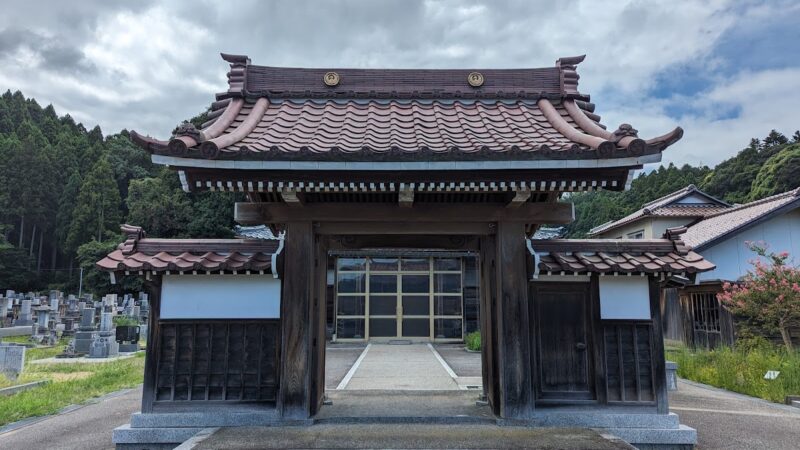
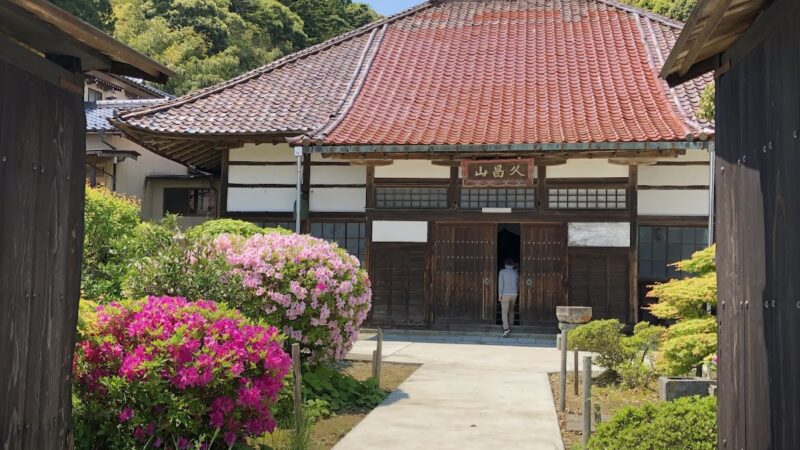
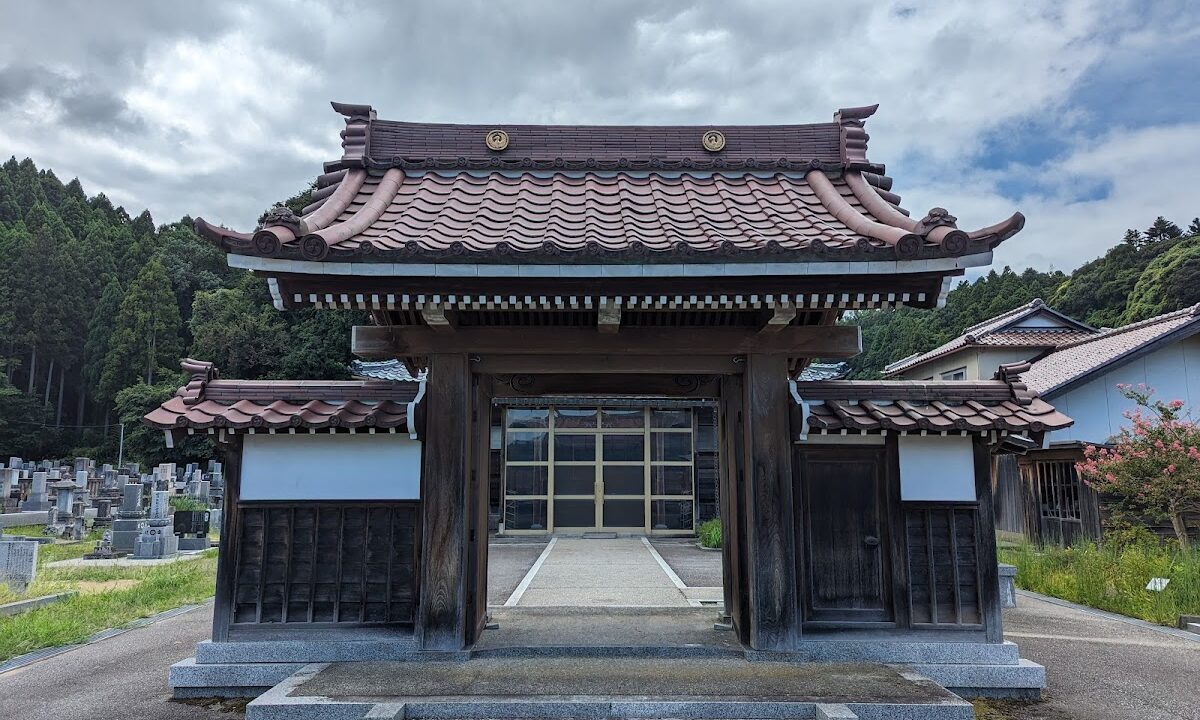
Main Hall and Temple Grounds
The main hall of Kyushoji Temple beautifully preserves the traditional beauty of temple architecture. It houses the principal image, Shakyamuni Buddha, and offers a serene atmosphere for worship.
The temple grounds are meticulously maintained, allowing visitors to appreciate the beauty of nature throughout the seasons. Many visitors come, especially during the cherry blossom season in spring and the autumn foliage season.
28th Temple of the Kanazawa Thirty-Three Kannon Pilgrimage
Kyushoji Temple is the 28th temple of the Kanazawa Thirty-Three Kannon Pilgrimage, and is popular among pilgrims. It is an important temple for those undertaking the Kannon pilgrimage.
During the pilgrimage, you can receive a Goshuin (temple stamp) at each temple, and Kyushoji Temple also offers a beautiful Goshuin.
Historical Value
As a temple associated with Oda Nobunaga and the Maeda family, important historical figures from the Sengoku period to the Edo period, Kyushoji Temple is a temple of high historical value.
As a place where the culture of Kaga Province (with its million koku of rice production) and the history of the Oda family intersect, it is a fascinating spot for history enthusiasts.
Access and Map
Access by Public Transportation
Kyushoji Temple can be visited using public transportation.
Nearest Station: Hokuriku Railway Asanogawa Line “Nanatsuya Station”
- Approximately 10 minutes on foot from Nanatsuya Station
Access from JR Kanazawa Station:
- Transfer to the Hokuriku Railway Asanogawa Line from JR Kanazawa Station and get off at Nanatsuya Station
- Alternatively, you can take a bus or taxi from Kanazawa Station.
Access by Car
If visiting by car, the following route is convenient.
- Approximately 10 minutes from central Kanazawa
- Approximately 15 minutes from the Kanazawa East Interchange on the Hokuriku Expressway
- Approximately 20 minutes from the Kanazawa West Interchange on the Hokuriku Expressway
We recommend contacting the temple in advance regarding parking availability.
Map Information of the Surrounding Area
Kyushōji Temple is located in the Horikawa Shinmachi area of Kanazawa City, making it easily accessible from the city center. Many other temples and shrines are scattered in the surrounding area, making it a recommended stop as part of a temple and shrine pilgrimage.
Goshuin (Temple Seal) Information
Issuance of Goshuin
Goshuin (temple seals) are available at Kyushōji Temple. As the 28th temple on the Kanazawa Thirty-Three Kannon Pilgrimage, the goshuin is a valuable memento for pilgrims.
Points to Note When Receiving a Goshuin
Please note the following points when receiving a goshuin.
- It is customary to receive a Goshuin (temple stamp) after offering prayers.
- Bring your Goshuincho (stamp book).
- Wait quietly while the stamp is being written.
- Prepare the Goshuin fee (usually around 300 yen).
- Reception hours vary by temple, so it is recommended to check in advance.
Goshuin are not merely stamps; they are important mementos of your visit.
Information on Perpetual Memorial Services, Graves, and Grave Closure
Memorial Services at Kyushoji Temple
Kyushoji Temple offers memorial services that meet modern needs, including perpetual memorial graves and columbariums.
Features of Perpetual Memorial Graves
Perpetual memorial graves are a form of memorial service for those who have no successors to their graves or who do not want to burden their descendants. Kyushoji Temple offers various options, including individual graves where remains are kept individually for a set period.
Support for Grave Closure
We also provide support for grave closure for those who wish to organize their existing graves. This is suitable for those who live far away and find it difficult to manage a grave, or those who want to reduce the burden of grave maintenance costs.
Costs and Consultation
The costs of perpetual memorial graves and columbariums vary depending on the type and duration. For details, we recommend contacting the temple directly or making a consultation through a visit reservation.
Many temples offer free consultations and will provide thorough explanations.
Manners and Precautions for Visiting a Temple
Basic Manners for Visiting a Temple
When visiting a temple, please observe the following basic manners.
- Bow at the Temple Gate: Bow before entering the temple grounds.
- Remain Quiet: Behave quietly within the temple grounds.
- Worship at the Main Hall: Place your offering in the main hall and bow with clasped hands.
- Photography: Refrain from taking photographs in areas where photography is prohibited.
- Attire: Avoid revealing clothing and visit in clean attire.
Etiquette at Soto Zen Temples
Soto Zen temples have the following etiquette:
- Clasped Hands: Bring both hands together in front of your chest.
- Bow: Bow deeply.
- Incense Offering: Follow the proper incense offering etiquette during memorial services.
If you are unsure of specific etiquette, it is important to observe those around you and offer your prayers with sincerity.
Nearby Tourist Attractions
Temples and Shrines of Kanazawa
Near Kyushoji Temple, there are numerous temples and shrines where you can experience the history of Kanazawa.
- Utatsuyama Temple Group: A group of temples located relatively close to Kyushoji Temple.
- Kanazawa Thirty-Three Kannon Pilgrimage: You can also visit other pilgrimage sites.
- Around the Asano River: Enjoy a scenic stroll along the river.
Major Tourist Attractions in Kanazawa City
You can enjoy sightseeing in Kanazawa City in conjunction with your visit to Kyushoji Temple.
- Kenrokuen Garden: One of Japan’s three most famous gardens.
- Kanazawa Castle Park: A castle where you can feel the history of Kaga, the Kaga domain.
- Higashi Chaya District: A tourist spot where traditional townscapes remain.
- Omicho Market: A market where you can enjoy Kanazawa’s food culture.
Kyushoji Temple is easily accessible from Kanazawa Station, making it a recommended stop as part of your Kanazawa sightseeing.
Annual Events and Memorial Services
Main Annual Events
Soto Zen temples hold various memorial services and events throughout the year. The following events may be held at Kyushoji Temple:
- Spring and Autumn Equinoxes: Important periods for ancestor worship
- Obon: Urabon-e memorial service
- Segaki Memorial Service: Memorial service for those without relatives
- New Year’s Eve Bell Ringing: Ringing of the bell on New Year’s Eve
For specific event dates, please contact the temple directly.
Zen Meditation and Dharma Talks
Soto Zen temples sometimes hold Zen meditation sessions and Dharma talks for the general public. Kyushoji Temple may also hold such activities, so please contact the temple if you are interested.
The 2024 Noto Peninsula Earthquake and Reconstruction
Impact of the Earthquake
The Noto Peninsula Earthquake, which occurred on January 1, 2024, caused extensive damage to Ishikawa Prefecture. Kanazawa City also experienced a seismic intensity of 5+, and many temples and shrines were affected.
Kyushoji Temple is listed in the reconstruction records of the Soto Zen Ishikawa Prefecture Office as one of the temples affected by the earthquake.
Efforts toward Reconstruction
Soto Zen temples in Ishikawa Prefecture are continuing their efforts toward reconstruction from the earthquake. Those considering visiting are advised to check the temple’s status beforehand.
Supporting affected temples and cooperating in their reconstruction is an important form of social contribution.
How to Contact Kyushoji Temple
Inquiries by Phone
Inquiries to Kyushoji Temple are accepted at the following phone number:
Phone Number: 076-231-5634
If you have any questions regarding visiting hours, memorial services, perpetual memorial services, temple stamps, etc., it is recommended to confirm by phone beforehand.
Things to Check Before Visiting
Checking the following points beforehand will make your visit smoother.
- Visiting Hours
- Hours for Receiving Goshuin (Temple Seals)
- Parking Availability
- Schedule of Memorial Services and Events
- Reservations for Visiting Perpetual Memorial Services and the Columbarium
Temples are religious facilities, and there may be times when they are unable to accommodate visitors due to memorial services, etc. Especially if you are visiting from afar, it is advisable to contact them in advance.
Summary
Kyushōji Temple is a historic and prestigious Sōtō Zen Buddhist temple located in Kanazawa City, Ishikawa Prefecture. It is a valuable temple that tells the story of the connection between the Maeda and Oda families, having been established in 1610 (Keichō 15) by Tamasen-in, the wife of Maeda Toshinaga, the lord of the Kaga Domain, to commemorate Oda Nobunaga.
As the 28th temple of the Kanazawa Thirty-Three Kannon Pilgrimage, Kyūshōji Temple attracts many visitors and pilgrims, possessing both historical value and importance as a place of faith. Located just a 10-minute walk from Nanatsuya Station on the Hokuriku Railway Asanogawa Line, Kyushoji Temple boasts excellent accessibility, making it a convenient stop for sightseeing in Kanazawa.
The temple offers a variety of services, including the issuance of Goshuin (temple stamps), perpetual memorial graves, and columbariums, catering to diverse needs. When visiting Kanazawa, be sure to visit Kyushoji Temple and experience its history and tranquil atmosphere.
Confirming by phone before your visit and observing proper etiquette will ensure a more fulfilling experience. With over 400 years of history, Kyushoji Temple continues to attract the faith of local people and provide solace to visitors.