Complete Guide to Soju-ji Temple (Kaga City, Ishikawa Prefecture) | History, Highlights, and Access Information
In the Daishoji district of Kaga City, Ishikawa Prefecture, there is a cluster of temples known as the “Yamanoshita Temple Group,” which retains strong traces of its former castle town past. Among them, Soju-ji Temple has a particularly distinctive history. This article provides a detailed explanation of Soju-ji Temple’s historical background, highlights, visiting information, and surrounding tourist attractions.
Basic Information on Soju-ji Temple
Soju-ji Temple is a Nichiren Buddhist temple located in Daishoji Shinmei-cho, Kaga City, Ishikawa Prefecture. Situated in a historic area that flourished as a castle town of the Daishoji Domain, it is known as one of the important temples that make up the Yamanoshita Temple Group.
Location and Access
Location: Daishoji Shinmei-cho, Kaga City, Ishikawa Prefecture
Access Method:
- Approximately 15 minutes on foot from JR Hokuriku Main Line “Daishoji Station”
- Approximately 10 minutes by car from Hokuriku Expressway “Kaga IC”
- Approximately 15 minutes by taxi from Kaga Onsen Station
The Yamanoshita Temple Group is located in the town of Daishoji, making it possible to visit multiple temples on foot.
Detailed Information as a Religious Corporation
Soju-ji Temple is a religious corporation under the jurisdiction of the prefectural governor, having obtained legal status after certification by the Governor of Ishikawa Prefecture. It is a temple that is properly managed and operated in accordance with the Religious Corporations Act.
Sect: Nichiren Buddhism
Corporate Type: Religious Corporation under the jurisdiction of the Prefectural Governor
Jurisdiction: Governor of Ishikawa Prefecture
History and Origins of Soju-ji Temple
Deep Connection with the Daishoji Domain
An essential aspect of discussing Soju-ji Temple is its historical relationship with the Daishoji Domain. The Daishoji Domain was a branch domain of the Kaga Domain, ruling southern Kaga throughout the Edo period. The domain was ruled by the Daishoji Maeda family, a branch of the Maeda family, and the town of Daishoji developed as a castle town.
The Yamanoshita district, where Soju-ji Temple is located, was developed as a castle town for Daishoji Castle, and temples were concentrated there, also serving a defensive role. This formation of a temple town was a typical urban planning method seen in temple towns in Kanazawa and other castle towns throughout Japan.
History as a Nichiren Buddhist Temple
The Nichiren Buddhist sect was founded by Nichiren Shonin during the Kamakura period. It is characterized by a faith centered on chanting the mantra “Namu Myoho Renge Kyo.” Soju-ji Temple upholds the teachings of the Nichiren sect and has served as a center of faith for the community for many years, a spiritual haven for the people.
The Kaga region is known for its strong influence from Jodo Shinshu Buddhism, but the castle town of the Daishoji Domain saw the coexistence of temples of various sects, and Soju-ji Temple is one example of this diversity.
Highlights of Soju-ji Temple
The Temple Gate, Relocated from the Daishoji Domain’s Checkpoint
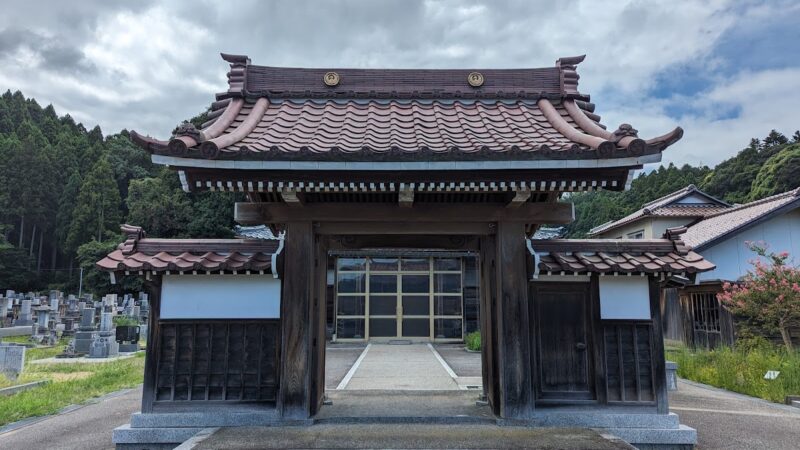
The greatest highlight of Soju-ji Temple is that the gate from the Daishoji Domain’s checkpoint was sold off and relocated as the temple gate. This gate is a valuable architectural relic from the feudal era and a must-see for anyone visiting Soju-ji Temple.
Checkpoints were crucial for traffic control during the Edo period, important facilities for monitoring the movement of people and goods. The fact that its gate was reused as the temple gate tells the story of the social changes brought about by the abolition of the feudal domains and the establishment of prefectures after the Meiji Restoration.
The architectural style and decoration of the temple gate show characteristics of samurai architecture, offering a different feel from typical temple architecture. It will be a particularly interesting sight for history buffs and those interested in architecture.
Atmosphere and Seasonal Scenery of the Temple Grounds
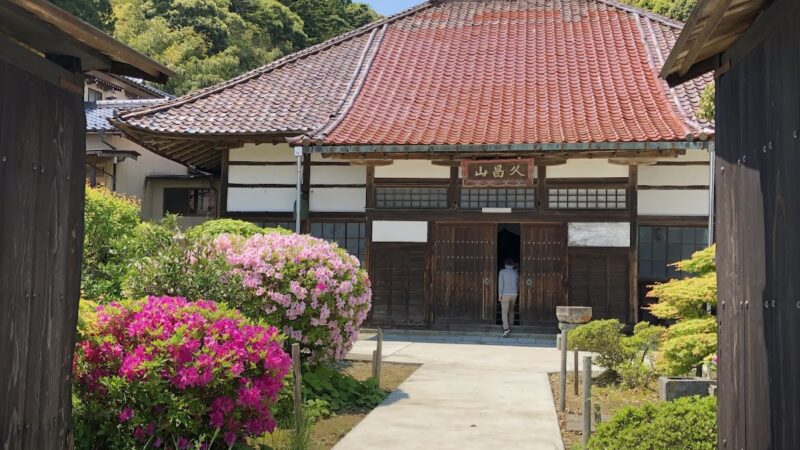
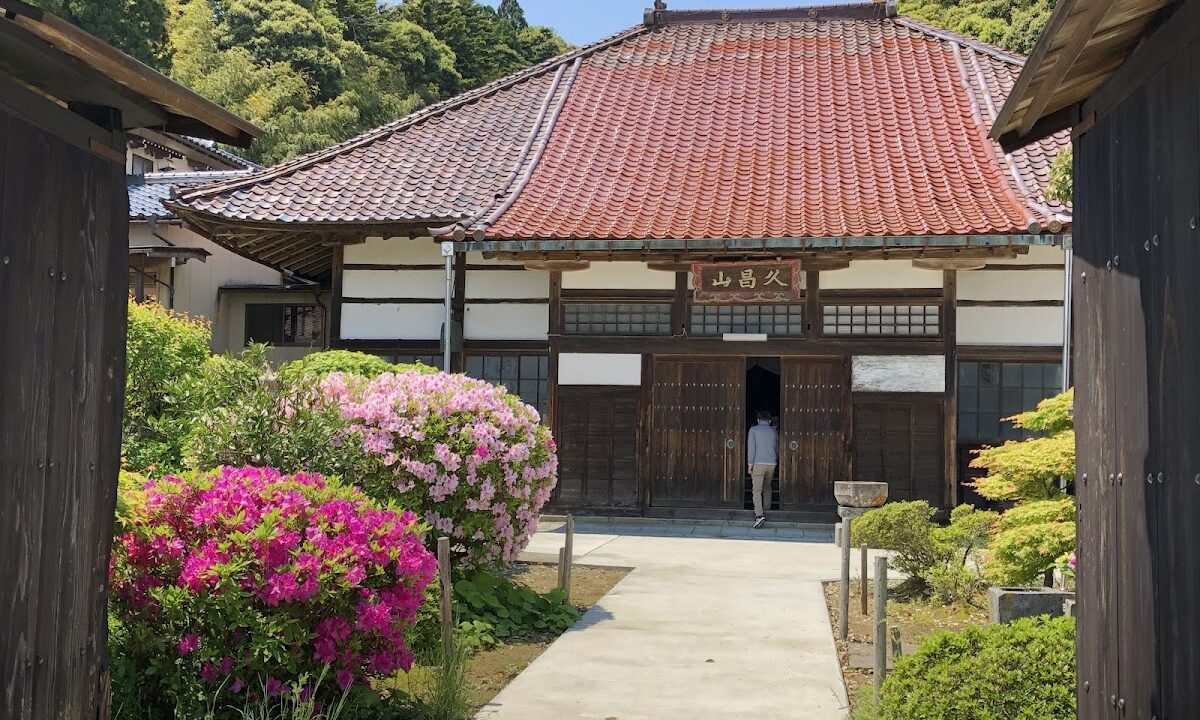
The grounds of Soju-ji Temple are enveloped in a tranquil atmosphere, offering a peaceful space despite its urban location. Situated in a corner of the Yamanoshita Temple Group, it is surrounded by several other temples, forming a calm streetscape characteristic of a temple town.
The temple grounds, which display different expressions with each season—cherry blossoms in spring, fresh greenery in early summer, and autumn leaves in fall—are a popular walking course for local residents.
About the Yamanoshita Temple Group
Formation and Historical Background of the Temple Group
The Yamanoshita Temple Group, where Soju-ji Temple is located, is a temple town formed in the southwestern part of the Daishoji Castle town. It is believed to have originated in the early Edo period when the Daishoji Domain, while developing the castle town, gathered temples in one place for defensive reasons.
In addition to Soju-ji Temple, several other temples, including Jissho-in, Honko-ji, and Renko-ji, line the streets of this area. Each temple belongs to a different sect, making this a valuable area where diverse Buddhist cultures coexist, including Jodo Shinshu, Soto Zen, and Nichiren Buddhism.
How to Enjoy Visiting the Temples
The Yamanoshita Temple Group is an ideal area for temple hopping, as several temples are clustered within walking distance. Each temple has its own unique history and architectural features, and comparing them during your visit will lead to a deeper understanding.
Recommended Itinerary:
- Walk from Daishoji Station to the Yamanoshita area
- Visit several temples, including Soju-ji Temple, in order
- Observe the differences in architectural styles and histories of each temple
- Enjoy a stroll while appreciating the quiet atmosphere of the temple town
The estimated time required is 1-2 hours, allowing you to enjoy a leisurely historical walk.
History and Culture of the Daishoji Area in Kaga City
The Origins of the Daishoji Castle Town
The name Daishoji originates from a temple called “Daishoji” that once stood in this area. During the Sengoku period (Warring States period), Daishoji Castle was built, and in the Edo period, it developed as a castle town of the Daishoji Domain, a branch domain of the Maeda family.
The Daishoji Domain had a size of approximately 70,000 koku (a unit of rice production), and flourished as the political, economic, and cultural center of southern Kaga Province. The castle town was developed with samurai residences, merchant districts, and temple districts, forming a planned urban structure.
Traces of the Castle Town Remaining Today
After the Meiji Restoration, Daishoji Castle was abandoned, but the town layout and temple district structure have been preserved to this day. The Yamanoshita Temple Group is a representative example of this, and is a valuable cultural heritage that conveys the urban planning of the Edo period.
In addition to the temple group, the Daishoji area retains many historical landscape elements, such as old townhouses, cobblestone streets, and irrigation canals.
Tourist Attractions Around Soju-ji Temple
Other Temples in the Yamanoshita Temple Group
Jissho-in: A Jodo Shinshu Buddhist temple with a magnificent main hall.
Honkoji: A historical building is a highlight.
Renkoji: Beautiful gardens within the temple grounds.
Visiting these temples together will allow you to gain a deeper understanding of Kaga’s temple culture.
Historical Spots in Daishoji
Kinjo-zan (Daishoji Castle Ruins): The site of Daishoji Castle, now developed as a park. From the summit, you can enjoy a panoramic view of the town of Daishoji.
Kutani Ware Kiln Site Exhibition Hall: A facility where you can learn about the history of Kutani ware, a representative traditional craft of Kaga. Daishoji is also known as the site of the revival of Kutani ware.
Ishikawa Prefectural Kutani Ware Museum: A museum exhibiting masterpieces of Kutani ware, where you can learn about the cultural aspects of Daishoji.
Access to Kaga Onsenkyo
Kaga City, where Soju-ji Temple is located, is the gateway to Kaga Onsenkyo (Kaga Hot Spring Village). Famous hot springs such as Yamashiro Onsen, Yamanaka Onsen, and Katayamazu Onsen are nearby, and sightseeing plans combining temple visits and hot springs are popular.
Points to Note and Manners When Visiting
Basic Manners When Visiting
As Soju-ji Temple is an active religious facility, please observe the following manners when visiting.
- Be Quiet: Please behave quietly on the temple grounds and be considerate of other visitors and nearby residents.
- Regarding Photography: Photography inside the building is prohibited in principle. When photographing the exterior, please be careful not to include other visitors in your photos.
- Dress Code: There are no specific dress code requirements, but please avoid revealing clothing and dress modestly.
- Bowing at the Temple Gate: It is customary to bow when passing through the temple gate.
Visiting Hours
Generally, you can enter the grounds of Soju-ji Temple during the daytime, but events and memorial services may be taking place. It is recommended to check in advance.
The Position of Soju-ji Temple Among Nichiren Buddhist Temples in Ishikawa Prefecture
Nichiren Buddhist Temples in Ishikawa Prefecture
While there are several Nichiren Buddhist temples in Ishikawa Prefecture, their number is small compared to Jodo Shinshu and Soto Zen temples. This is related to the fact that Kaga was historically known as a Jodo Shinshu kingdom due to the strong influence of Shinshu Buddhism.
In this context, Soju-ji Temple is a valuable temple that has continued to preserve the faith of Nichiren Buddhism in the unique environment of a castle town of the Daishoji Domain.
Distribution of Temples in Kaga City
Kaga City has numerous temples, representing a wide variety of sects. Besides areas where temples are concentrated, such as the Yamanoshita Temple Group, there are also patterns where temples are scattered throughout former villages.
Among these, Soju-ji Temple is positioned as a temple of special value due to its historical remains: the gate of the Daishoji Domain’s checkpoint.
Soju-ji Temple and Cultural Properties of Kaga
Cultural Property Protection in Ishikawa Prefecture
Ishikawa Prefecture is a region with a rich history and culture, and many cultural properties are protected. Important cultural properties exist in various fields, including temple architecture, Buddhist art, and historical buildings.
The gate of the Daishoji Domain’s checkpoint, which was relocated to serve as the main gate of Soju-ji Temple, is not currently designated as a cultural property, but it is recognized as an important architectural remains that conveys the history of the region.
Preservation and Utilization of Historical Buildings
In recent years, efforts to preserve historical buildings and utilize them as tourism resources have been progressing nationwide. The Yamanoshita Temple Group is an important element of the historical landscape of Daishoji, and efforts are being made to balance its preservation and utilization.
Information about the surrounding area when visiting Soju-ji Temple
Parking Information
There is no dedicated large parking lot around the Yamanoshita Temple Group, but there are public parking lots nearby. If you plan to visit the temples, it is recommended to use the parking lots around Daishoji Station and explore on foot.
Food and Rest Facilities
In the town center of Daishoji, there are restaurants and cafes that use local ingredients. You can enjoy dishes made with Kaga vegetables and local Japanese sweets.
Recommended Gourmet:
- Kaga Cuisine: Local cuisine using local seafood and mountain produce
- Meals served in Kutani ware: An experience where you can feel close to traditional crafts
- Local Japanese Sweets: A chance to taste Kaga’s confectionery culture
Accommodation
There are a variety of accommodations in Kaga City and the surrounding Kaga Onsenkyo hot spring area. You can choose from hot spring inns, business hotels, guesthouses, etc., according to your budget and purpose. ## Soju-ji Temple in Every Season
Soju-ji Temple in Spring
In spring, the temple grounds and surrounding temples are adorned with a delicate pink hue as the cherry blossoms bloom. The sight of the entire Yamanoshita temple complex enveloped in cherry blossoms is a quintessential spring scene in Daishoji.
Soju-ji Temple in Summer
In summer, the fresh greenery is beautiful, and the trees on the temple grounds display vibrant green. Visitors can be seen seeking respite from the heat in the quiet grounds, where the sound of cicadas fills the air.
Soju-ji Temple in Autumn
In autumn, the temple grounds are colored by the vibrant autumn leaves. The contrast between the historical appearance of the temple gate and the autumn foliage is a popular scene for photography enthusiasts.
Soju-ji Temple in Winter
In winter, a serene landscape unfolds, covered in snow. The snow-covered temple gate and main hall exude a solemn atmosphere, showcasing a beauty unique to winter.
Detailed Access Information to Soju-ji Temple
Access by Public Transportation
By Train:
- Get off at Daishoji Station on the JR Hokuriku Main Line, approximately 15 minutes on foot.
- Take the limited express train from Kanazawa Station on the Hokuriku Shinkansen (approximately 30 minutes), get off at Daishoji Station.
By Bus:
- Take a local bus from Kaga Onsen Station towards Daishoji.
- You can also use the city loop bus (Canvas).
Access by Car
Expressway:
- Approximately 10 minutes from Kaga IC on the Hokuriku Expressway.
- Approximately 15 minutes from Katayamazu IC on the same expressway.
General Roads:
- Take National Route 8 towards the city center.
- Take the prefectural road to the Daishoji city center.
When using car navigation, please search for “Soju-ji Temple” or “Shinmei-cho, Daishoji, Kaga City, Ishikawa Prefecture.”
Summary
Soju-ji Temple is a Nichiren Buddhist temple located in Daishoji, Kaga City, Ishikawa Prefecture. Its most distinctive feature is that it uses the gate of the Daishoji Domain’s checkpoint as its main gate. Occupying a corner of the Yamanoshita Temple Group, it forms a valuable historical space that conveys the atmosphere of an Edo-period castle town.
When visiting Daishoji, combining a stroll through the Yamanoshita Temple Group, including Soju-ji Temple, a visit to a Kutani ware cultural facility, and a hot spring experience in the nearby Kaga Onsenkyo hot spring resort will allow you to deeply appreciate the history and culture of Kaga.
Souju-ji Temple and the Yamanoshita Temple Group offer a luxurious experience of spending time slowly, reflecting on history in a quiet temple town atmosphere. If you have the opportunity to visit Ishikawa Prefecture, please be sure to stop by.