What is the Main Hall? A Thorough Explanation of the Heart of Shrine Architecture and Worship Etiquette
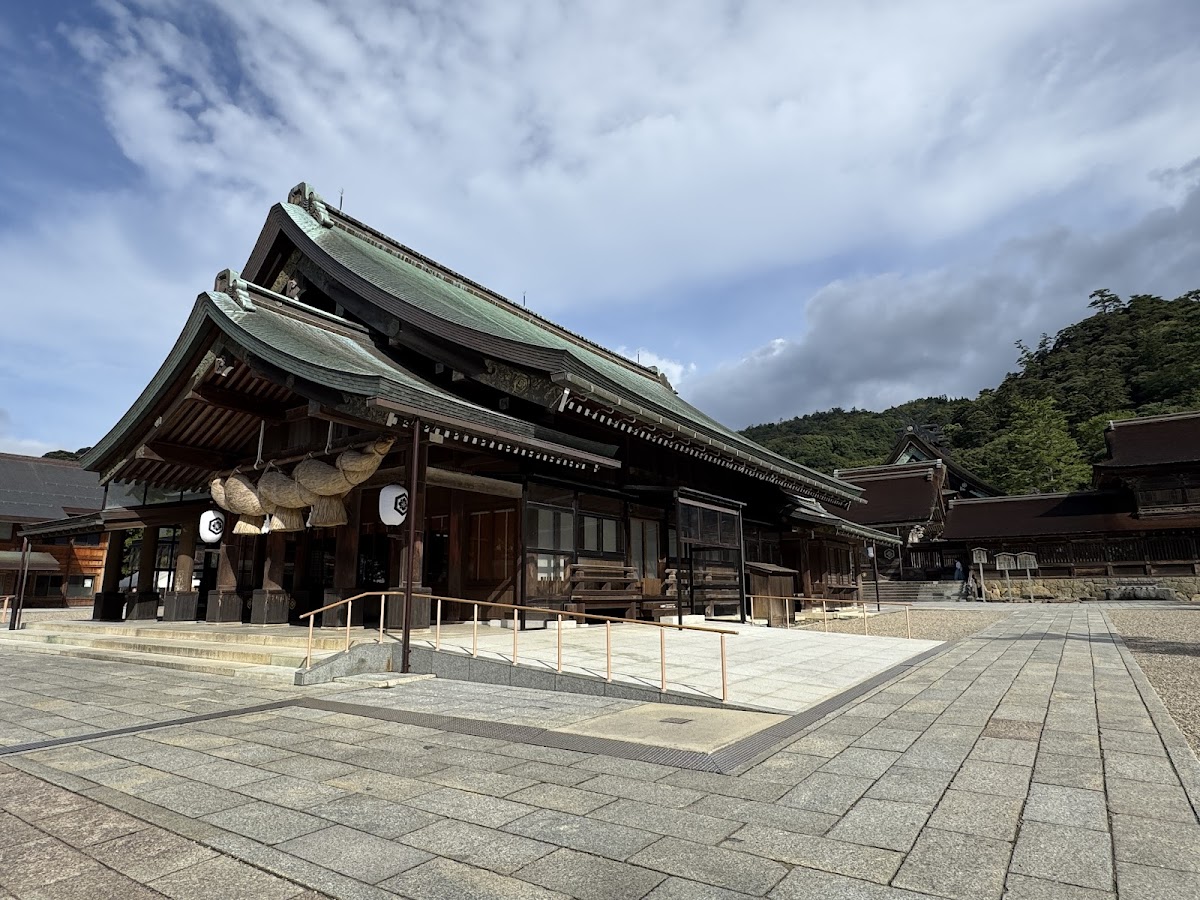
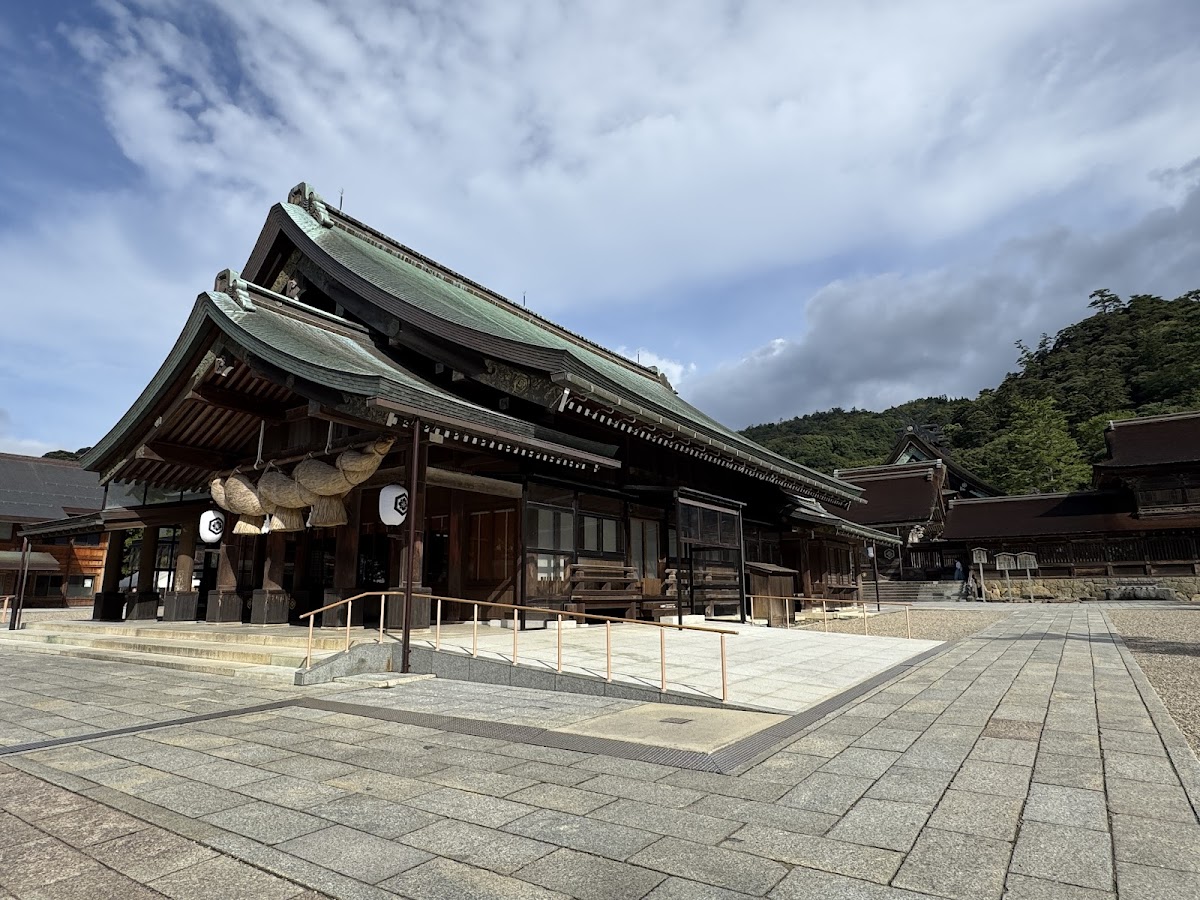
The Main Hall (Gohonden) is the most sacred building in a shrine, the central sanctuary where the deity is enshrined. General worshippers are usually not allowed to enter, and worship is conducted from afar at the Worship Hall.
Basic Knowledge of the Main Hall
What is the Main Hall?
The Main Hall is located at the very back of the shrine architecture and is the building that enshrines the deity, considered to be the god itself. Also called the “Main Hall” or “Seiden,” it is considered the most prestigious place as the heart of the shrine.
In many shrines, it is located behind the Worship Hall, which worshippers visit, and is surrounded by a stone fence or sacred fence. Many of the Main Halls of representative Japanese shrines, such as Ise Grand Shrine and Izumo Taisha, are designated as National Treasures or Important Cultural Properties.
Main Architectural Styles
There are several architectural styles for the Main Hall, each with its own characteristics.
Shinmei-zukuri
The oldest style, exemplified by Ise Grand Shrine. Characterized by a gabled roof, supporting pillars, and a raised floor, it possesses a simple, linear beauty.
Taisha-zukuri
Izumo Grand Shrine is a prime example. The entrance is on the side, not the front, and the interior is divided into a “田” (ta) shape. It is one of the oldest shrine architectural styles.
Nagare-zukuri
The most common style throughout Japan. Characterized by a long, extending roof covering the portico. Used at Kamo Shrine and Kasuga Grand Shrine, among others.
Kasuga-zukuri
Originating at Kasuga Grand Shrine. Similar to Nagare-zukuri, but smaller in scale, with a beautifully curved roof, resulting in an elegant style.
Hachiman-zukuri
A unique style seen at Usa Shrine and Iwashimizu Hachiman-gu Shrine. This is a complex building consisting of two structures placed one behind the other, with a “connecting room” in between.
Points to Note When Visiting
Proper Etiquette for Visiting the Main Shrine
There are specific manners to follow when visiting the main shrine to show respect to the deities.
Basic Worship Procedure
- Bow before passing through the torii gate – A greeting before entering the sacred area.
- Purify your body and mind at the water basin – Purify your left hand, right hand, mouth, and the handle of the ladle in that order.
- Walk along the edge of the path – The center is considered the path of the gods.
- Bow twice, clap twice, and bow once in front of the main hall – Basic etiquette (Izumo Taisha Shrine uses two bows, four claps, and one bow).
- Make your wish specific – State your address and name in your heart before making your wish.
Clothing and Items to Bring When Visiting
Desirable Attire
- Clean and presentable clothing is essential.
- For formal worship, men should wear suits, and women should wear suits or dresses.
- Avoid revealing or overly flashy clothing.
- Remove hats and sunglasses in front of the main hall.
Useful Items to Bring
- Offering (5,000 yen and up if receiving prayers)
- Handkerchief (for use at the purification fountain)
- Prayer beads (permitted at shrines with syncretism of Buddhism)
Suitable Time for Visiting
Benefits of Early Morning Visiting
Between 6:00 AM and 8:00 AM, there are fewer visitors, allowing for a peaceful visit in refreshing air. Many shrines open the doors of the main hall at sunrise, and morning rituals are performed by Shinto priests.
Times to Avoid
The first three days of the New Year and festival days are crowded. For a more relaxed visit, weekday mornings or evenings are recommended.
Benefits Received at the Main Hall
Main Types of Benefits
The benefits received vary depending on the deity enshrined in the main hall.
Matchmaking & Romantic Success
- Izumo Taisha (Shimane Prefecture) – Dedicated to Okuninushi-no-Okami, the pinnacle of matchmaking
- Kifune Shrine (Kyoto Prefecture) – Dedicated to the god of water, fostering good relationships
- Kawagoe Hikawa Shrine (Saitama Prefecture) – Dedicated to a married couple, famous for matchmaking
Business Prosperity & Increased Wealth
- Fushimi Inari Taisha (Kyoto Prefecture) – Inari is the god of business prosperity
- Kotohira-gu (Kagawa Prefecture) – Guardian deity of maritime traffic, bringing business prosperity
- Zeniarai Benzaiten (Kanagawa Prefecture) – Known for increasing wealth
Academic Success & Passing Exams
- Dazaifu Tenmangu (Fukuoka Prefecture) – Dedicated to Sugawara no Michizane, the god of learning
- Kitano Tenmangu (Kyoto Prefecture) – Head shrine of Tenjin worship
- Yushima Tenjin (Tokyo) – The shrines are especially crowded during exam season.
Health and Longevity, Recovery from Illness
- Kumano Hongu Taisha (Wakayama Prefecture) – A sacred place of rebirth
- Isonokami Jingu (Nara Prefecture) – Deity of health and longevity
- Sukunahikona Shrine (Osaka Prefecture) – Dedicated to the god of medicine
Protection from Evil and Good Fortune
- Meiji Jingu (Tokyo) – Comprehensive good fortune
- Nikko Toshogu (Tochigi Prefecture) – Dedicated to Tokugawa Ieyasu, for good fortune in victory
- Samukawa Shrine (Kanagawa Prefecture) – Famous for protection from all directions
How to Enhance Your Blessings
Regular Visits
It is believed that visiting shrines at significant milestones, rather than just once, deepens your connection with the gods. Visiting throughout the year, such as for New Year’s prayers, monthly visits, and year-end thanksgiving visits, is ideal.
Never Forget to Be Grateful
It is important to express gratitude not only for your wishes but also for your daily safety. Don’t forget to offer your thanks after your wish has been granted.
Using Goshuin (temple/shrine stamps) and Amulets Goshuin are proof of your visit and a record of your connection with the gods. Wearing an amulet at all times allows you to feel the protection of the gods.
Access to the Famous Main Shrine
Ise Grand Shrine (Mie Prefecture)
Access to the Inner Shrine
- Take the Mie Kotsu bus from Kintetsu/JR “Ise-shi Station” and get off at “Naiku-mae” bus stop.
- Approximately 10 minutes by bus from Kintetsu “Ujiyamada Station”.
- Approximately 5 minutes by car from Ise IC on the Ise Expressway.
- Parking: Inner Shrine A1-A4 parking lots (free, approximately 600 spaces)
Visiting Hours
October-December: 5:00-17:00, January-April & September: 5:00-18:00, May-August: 5:00-19:00
Izumo Taisha Shrine (Shimane Prefecture)
Access
- Approximately 25 minutes by Ichibata Bus bound for “Izumo Taisha” from JR “Izumo-shi Station”.
- Approximately 10 minutes on foot from Ichibata Electric Railway “Izumo Taisha-mae Station”.
- Approximately 15 minutes by car from the Izumo Interchange on the San’in Expressway
- Parking: Free parking available (approximately 385 spaces)
Visiting Hours
March to October: 6:00 AM to 8:00 PM, November to February: 6:30 AM to 8:00 PM
Meiji Jingu Shrine (Tokyo)
Access
- Approximately 1 minute walk from Harajuku Station (South Exit) on the JR Yamanote Line
- Approximately 1 minute walk from Meiji-jingumae Station on the Tokyo Metro Chiyoda Line and Fukutoshin Line
- Approximately 5 minute walk from Sangubashi Station on the Odakyu Line
- Parking: Parking lots 1-3 available (paid)
Visiting Hours
Varies by month (generally from sunrise to sunset). For example, 6:40 AM to 4:20 PM in January, and 5:00 AM to 6:10 PM in June.
Fushimi Inari Taisha Shrine (Kyoto Prefecture)
Access
- A short walk from JR Nara Line “Inari Station”
- Approximately 5 minutes on foot from Keihan Main Line “Fushimi Inari Station”
- Approximately 20 minutes by car from Meishin Expressway “Kyoto Minami IC”
- Parking: Free parking available (approximately 170 spaces, closed during the New Year period)
Visiting Hours
24-hour worship available (Shrine office open 8:30 AM – 4:30 PM)
Summary
The main shrine is the most sacred place in a Shinto shrine and the central building where the deity is enshrined. Architectural styles are diverse, including Shinmei-zukuri, Taisha-zukuri, and Nagare-zukuri, each with its own history and characteristics.
When visiting, it is important to observe proper etiquette and approach with gratitude. Understand the different blessings offered by each shrine, such as matchmaking, business prosperity, and academic success, and visit the shrine that best suits your wishes.
By regularly visiting shrines and temples and maintaining a grateful heart, you can deepen your connection with the gods and lead a richer life.