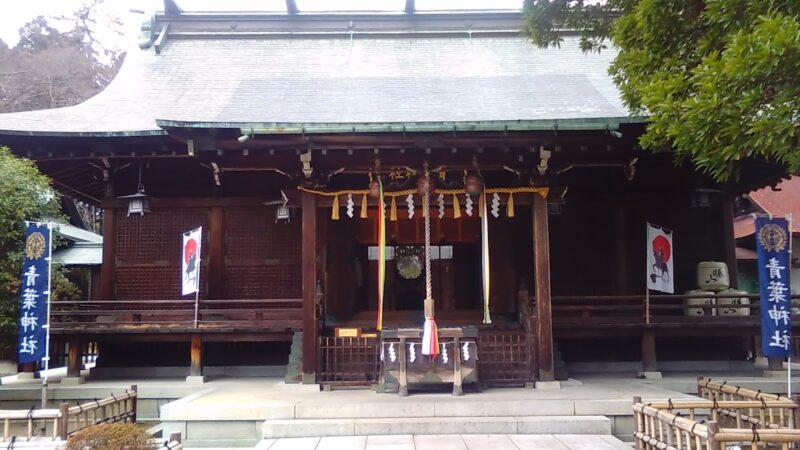
Manshoji Temple (Aoba-ku, Sendai City, Miyagi Prefecture) | Complete Guide to the History and Cemetery Information of the First Lord of the Date Clan
Manshoji Temple is a Rinzai Zen temple of the Tofukuji school located in Kashiwagi, Aoba-ku, Sendai City, Miyagi Prefecture. With a history of approximately 740 years as the family temple of Date Tomomune, the first lord of the Date clan, it is known as a venerable ancient temple and one of the Five Great Temples of the Date Clan. This article comprehensively explains the detailed history of Manshoji Temple, its highlights within the temple grounds, cemetery information, and access methods.
Basic Information on Manshoji Temple
Manshoji Temple is a temple nestled in a quiet residential area of Aoba-ku, Sendai City, and has a long history as a center of local faith.
Location and Contact Information
- Address: 3-5-13 Kashiwagi, Aoba-ku, Sendai City, Miyagi Prefecture 981-0933
- Phone Number: 022-234-6858
- Sect: Rinzai Zen, Tofuku-ji School
- Principal Image: Shakyamuni Buddha
- Chief Priest: Kirihara Masamichi
Temple Characteristics
Manshoji Temple, with its deep connection to the Date clan, is an indispensable presence when discussing the history of Miyagi Prefecture. The temple grounds are enveloped in tranquility, maintaining a peaceful atmosphere despite being located in an urban area. It is equipped with facilities for memorial services, a multi-purpose hall, and dining facilities, making it suitable for funerals and memorial services.
History and Origins of Manshoji Temple
Founding History
Manshoji Temple is believed to have been founded in 1283 (Koan 6). It has been believed that Manshoji Temple was founded in what is now Koori-machi, Date-gun, Fukushima Prefecture, by Masayori, the fourth head of the Date clan. This temple was established to commemorate Tomomune, the first head of the Date clan, and has since played an important role as the Date family’s ancestral temple.
New Facts from Recent Research
However, recent historical research has revealed the possibility that Manshoji Temple was established before Masayori. This suggests that the history of Manshoji Temple may be even older than previously thought, and necessitates a new interpretation of the relationship between the Date clan and the temple.
Positioning as one of the Date Five Temples
Manshoji Temple is counted as one of the “Date Five Temples.” The Date Five Temples refer to five Zen Buddhist temples that the Date clan particularly valued, and Manshoji Temple is known as one of the oldest among them. The other Date Five Temples include Kakuganji, Komyoji, Shifukuji, and Toshoji, all of which are renowned temples with deep ties to the Date family.
Relocation to Sendai
Manshoji Temple was originally located in Koori Town, Fukushima Prefecture. Following the founding of Sendai by Date Masamune, it relocated to Sendai along with many other temples associated with the Date family. It is believed to have settled in its current location in Kashiwagi, Aoba Ward, during the early Edo period, when the Sendai castle town was being developed.
Manshoji Temple Grounds and Highlights
Main Hall
Manshoji Temple’s main hall exhibits a simple yet dignified appearance, typical of a Rinzai Zen temple. The principal image, Shakyamuni Buddha, is enshrined here, and daily services and ceremonies are held. The interior of the main hall is filled with the tranquil atmosphere characteristic of Zen temples, providing peace of mind to visitors.
Garden
The temple grounds feature a well-maintained garden, where visitors can enjoy the changing seasons. The garden, with its simple beauty typical of Zen temples, offers a quiet place for meditation. Especially during the seasons of fresh greenery and autumn leaves, one can appreciate the temple’s atmosphere in harmony with the beauty of nature. ### Cemetery
Manshoji Temple has a vast cemetery attached to it, which is also used as a burial place for the general public. The cemetery is well-maintained and provides a comfortable environment for visitors.
Detailed Information on Manshoji Cemetery
Types and Features of the Cemetery
Manshoji Cemetery is a temple cemetery operated by a Rinzai Zen Buddhist temple. It has the following features:
- Cemetery Type: Temple Cemetery
- Religious Affiliation: Rinzai Zen (acceptance of other denominations requires consultation)
- Plot Type: General graves, graves with perpetual memorial services
- Facilities: Dining facilities, memorial service facilities/multipurpose hall, parking lot, perpetual memorial service facilities/ossuary
About Perpetual Memorial Services
Manshoji Temple also offers graves with perpetual memorial services, providing peace of mind for those without successors or those concerned about future grave maintenance. The cemetery is equipped with perpetual memorial service facilities and columbariums, and is prepared to meet a variety of needs.
Cemetery Atmosphere and Environment
Manshoji Cemetery, while located in a residential area, maintains a quiet and peaceful atmosphere. The grounds are kept clean, providing a tranquil environment for visitors to remember their loved ones. A parking lot is also available, making it convenient for those visiting by car.
The Process of Purchasing a Burial Plot
When considering purchasing a burial plot at Manshoji Cemetery, the following process is generally followed:
- Request for Information/Inquiry: First, request information or inquire about details by phone or in person.
- Visit: Visit the cemetery to check the atmosphere and facilities.
- Consultation: Discuss burial plot locations, prices, and memorial service methods with the head priest or staff.
- Contract: Sign a contract after agreeing on the terms.
- Gravestone Construction: Select and construct a gravestone (relocation is possible if an existing gravestone exists).
- Interment: Perform an eye-opening ceremony and inter the remains.
How to Access Manshoji Temple
Access by Public Transportation
Manshoji Temple is conveniently located and easily accessible from the center of Sendai City.
Using the JR Senzan Line
- Approximately 13 minutes on foot (approx. 1 km) from Kitayama Station
- Kitayama Station also has the sub-station name “Tohoku Fukushi University” and is known as the nearest station to Tohoku Fukushi University.
Using the Sendai City Subway Namboku Line
- Approximately 24 minutes on foot (approx. 1.9 km) from Kita-Yonbancho Station
- Bus access is also convenient from Kita-Yonbancho Station.
Using the Bus
If using Sendai City Buses, access is possible within a few minutes’ walk from the nearest bus stop. For detailed bus routes, please check the Sendai City Transportation Bureau website or call them.
Access by Car
Manshoji Temple has a parking lot.
- Approximately 15 minutes via National Route 48 from Sendai Station
- Approximately 20 minutes from Sendai Miyagi Interchange on the Tohoku Expressway
As the temple is located in a residential area, please pay attention to surrounding traffic conditions and drive quietly.
Surrounding Environment
The area around Manshoji Temple is a quiet residential area, with other historical temples such as Tohoku Fukushi University and Rinnoji Temple scattered nearby. The Kitayama area is home to the “Kitayama Gozan” (Five Temples of Kitayama), offering opportunities for temple and shrine hopping.
Main Events and Ceremonies Held at Manshoji Temple
Annual Events
As a Rinzai Zen temple, Manshoji Temple holds various Buddhist ceremonies throughout the year:
- New Year’s Day: Shusho-e (New Year’s Ceremony)
- Spring Equinox: Higan-e Ceremony
- Obon: Urabon-e Ceremony
- Autumn Equinox: Higan-e Ceremony
- New Year’s Eve: New Year’s Eve Bell Ringing
Individual Ceremonies and Funerals
Manshoji Temple also accommodates the following individual ceremonies and funerals:
- Funeral/Memorial Service: Funeral services using the memorial service facility and multi-purpose hall
- Memorial Service: Annual memorial services (first anniversary, third anniversary, seventh anniversary, etc.)
- Interment Ceremony: Memorial service when newly interring remains
- Perpetual Memorial Service: Perpetual memorial services
With a fully equipped dining facility, post-memorial service meals can be conducted smoothly.
Points to Note and Manners When Visiting Manshoji Temple
Manners for Visiting Temples
When visiting a temple, please observe the following basic manners:
- Dress Code: Avoid revealing clothing and aim for clean, understated attire.
- Greetings: Bow when passing through the temple gate and behave quietly within the temple grounds.
- Photography: When taking photographs within the temple grounds, please be considerate of other visitors.
- Mobile Phones: Put your phone on silent mode or turn it off.
- Smoking: Smoking is prohibited within the temple grounds.
Manners for Visiting Graves
When visiting the cemetery, please note the following:
- Cleaning: Clean around the grave and offer flowers and incense.
- Other Graves: Be careful not to enter other families’ graves.
- Garbage: Always take everything you bring with you home.
- Use of Water Facilities: Please keep the shared water area clean for the next person.
Attractions around Manshoji Temple
Kitayama Gozan
The Kitayama area, where Manshoji Temple is located, is home to a group of temples known as “Kitayama Gozan”:
- Rinnoji Temple: A Soto Zen temple associated with the Date family
- Kakuganji Temple: The family temple of Munetsuna, the fifth son of Date Masamune
- Komyoji Temple: The family temple of Date retainers
- Shifukuji Temple: The family temple of Aihime, the principal wife of Date Masamune
- Toshoji Temple: The family temple of Date retainers
The “Kitayama Walking Course,” which visits these temples, is a popular walking route where you can experience the history and culture of Sendai.
Tohoku Fukushi University
Near Manshoji Temple is Tohoku Fukushi University, creating a unique atmosphere where the vibrant energy of students coexists with the historical temple.
Frequently Asked Questions about Manshoji Temple
Q1: What is the sect of Manshoji Temple? A1: Manshoji Temple is a temple of the Tofukuji branch of the Rinzai school of Zen Buddhism. The Rinzai school is known for its emphasis on seated meditation (zazen).
Q2: Can I purchase a burial plot even if I belong to a different Buddhist sect?
A2: While it is primarily a Rinzai Zen temple cemetery, please contact the temple directly regarding acceptance of other sects. Recently, the number of temples that accept all sects has increased, so there is a possibility of flexible arrangements.
Q3: Who can use perpetual memorial services?
A3: Perpetual memorial services are mainly used by those without successors, those who may find it difficult to maintain the grave in the future, and those who do not want to burden their children. Please consult the temple for details.
Q4: Is a reservation required for a visit?
A4: If you wish to visit the cemetery, we recommend contacting us by phone in advance. The head priest or staff may be absent, so we recommend making a reservation to ensure you receive a guided tour.
Q5: Is there parking available?
A5: Yes, Manshoji Temple has ample parking. You can come by car when visiting graves or attending memorial services.
Q6: Can funerals be held here?
A6: Yes, Manshoji Temple has facilities for memorial services, a multi-purpose hall, and dining facilities, making it possible to hold funerals here. Please contact the temple directly for details.
Q7: How can I learn more about the history of Manshoji Temple?
A7: We recommend asking the head priest when you visit Manshoji Temple, or viewing materials related to the Date clan and the Date Five Mountains at the Sendai City Historical Museum or Library.
Q8: Can the general public participate in annual events?
A8: Many temples allow the general public to participate in annual events, but please contact the temple in advance for details.
Other Temples and Cemeteries in Aoba Ward, Sendai City
Besides Manshoji Temple, there are many other historical temples in Aoba Ward, Sendai City. If you are looking for a burial plot, you may want to consider the following temples:
- Rinno-ji Temple: A large Soto Zen temple with a vast cemetery.
- Shifuku-ji Temple: The family temple of Ai-hime, the principal wife of Date Masamune.
- Kakugan-ji Temple: One of the Five Great Temples of Date.
- Komyoji Temple: A historic temple in the Kitayama area.
Each temple differs in sect, atmosphere, facilities, and price, so we recommend visiting and comparing several temples.
Advantages of Choosing Mansho-ji Cemetery
History and Prestige
Mansho-ji Temple, with its history and prestige as the family temple of the first generation of the Date clan, provides a suitable environment for the resting place of your ancestors. Being able to receive perpetual memorial services at a temple with approximately 740 years of history provides great peace of mind.
Excellent Facilities
The temple boasts excellent facilities to meet modern needs, including dining facilities, memorial service facilities, a multi-purpose hall, and parking. It offers the convenience of being able to handle everything from funerals and memorial services to daily visits to the grave in one place.
Easy Access
It boasts excellent access from central Sendai, making it easily accessible by both public transport and car. Its proximity to Kitayama Station, within walking distance, is a significant advantage for those considering regular grave visits.
Perpetual Memorial Service Options
Perpetual memorial service facilities are also available, providing a system to address future concerns. The ability to choose flexible memorial service options that meet modern needs is a crucial point when selecting a burial site.
Summary
Manshoji Temple is a historic Rinzai sect Tofukuji branch temple located in Aoba-ku, Sendai City, Miyagi Prefecture. Since its founding in 1283, it has served as the family temple of Date Tomomune, the first lord of the Date clan, and as one of the Five Great Temples of Date, serving as a center of local faith for approximately 740 years.
Currently, while maintaining its historical prestige, it is a cemetery equipped with comprehensive facilities that meet modern needs, and is used by many people. With facilities for meals, memorial services, and perpetual memorial services, Manshoji Cemetery offers a complete environment to accommodate everything from funerals to daily visits to graves.
It boasts excellent access from central Sendai, being approximately a 13-minute walk from Kitayama Station on the JR Senzan Line, and also features ample parking, making it easily accessible by both public transport and car. The quiet and peaceful atmosphere of the Kitayama area, allowing for a serene and peaceful remembrance of loved ones, is a major attraction of Manshoji Cemetery.
For those who wish to learn more about purchasing a burial plot, perpetual memorial services, funerals, and memorial services, we recommend requesting brochures or scheduling a visit. Visiting the temple grounds and experiencing the atmosphere firsthand will help you form a more concrete image of what you’re looking for.
Manshoji Temple, while respecting history and tradition, will continue to be a temple that flexibly responds to modern needs, serving the local community for years to come.