Complete Guide to Matsuo Shrine (Tsuchima, Yamazaki-cho, Shiso City, Hyogo Prefecture)
Matsuo Shrine, located at 1136 Tsuchima, Yamazaki-cho, Shiso City, Hyogo Prefecture, is a guardian shrine that has been revered by the local community for centuries. This article comprehensively introduces detailed information useful for visiting Matsuo Shrine, including its history, enshrined deities, festivals, and access methods.
Basic Information about Matsuo Shrine
Matsuo Shrine is located in the Tsuchima district of Yamazaki-cho, Shiso City, Hyogo Prefecture, and plays an important role as a spiritual pillar of the local community.
Location and Contact Information
- Address: 1136 Tsuchiman, Yamazaki-cho, Shiso City, Hyogo Prefecture
- Postal Code: 671-2569
- Corporate Number: 5140005007146
- Jurisdiction: Hyogo Prefectural Shrine Association
Shrine Overview
Matsuo Shrine is one of the many shrines throughout Japan that bear the name “Matsuo.” Many Matsuo Shrines consider Matsuo Taisha in Nishikyo-ku, Kyoto City, as their head shrine, and were founded by inviting deities from there. Similarly, Matsuo Shrine in Shiso City is believed to enshrine Oyamakui-no-mikoto, known as the guardian deity of sake brewing, agriculture, and mountains, as its main deity.
Deities and Divine Virtues
About the Main Deity
The main deity of Matsuo Shrine is generally known as Ōyamakui-no-Mikoto. Ōyamakui-no-Mikoto is known as the “god who drives stakes into the mountains,” controlling the mountains and is a powerful deity who presides over flood control and agriculture.
Divine Virtues (Benefits)
By visiting Matsuo Shrine, you can expect the following divine virtues:
- Abundant Harvest: Prayers for agricultural prosperity and a bountiful harvest
- Prosperity in Sake Brewing: Success and development of the brewing industry
- Family Safety: Health and peace for the family
- Business Prosperity: Success and development of the business
- Protection from Misfortune and Good Fortune: Warding off disasters and inviting good fortune
- Flood Control and Protection: Protection from floods
History and Origins of Matsuo Shrine
Circumstances of Founding
While the exact founding date of Matsuo Shrine in Tsuchiman, Yamazaki-cho, Shiso City, requires investigation based on local historical documents and traditions, considering the history of this region’s long-standing development centered on agriculture and forestry, it is presumed that the shrine has been worshipped since ancient times as a guardian deity protecting the lives of local residents.
Connection with the Community
The Tsuchiman area is a naturally rich area within Shiso City, surrounded by mountains and forests. Matsuo Shrine, as a shrine dedicated to the gods of mountains and water, has been a central hub for the local community, attracting the faith of those engaged in agriculture and forestry in the region.
Annual Festivals and Events
The shrine holds various festivals and religious ceremonies throughout the year. The main annual festivals at Matsuo Shrine are as follows:
Major Festivals
New Year’s Day Festival (January 1st)
This festival celebrates the New Year and prays for peace and prosperity throughout the year. Held early in the morning on New Year’s Day, local residents visit to offer New Year’s greetings.
Spring Grand Festival (Spring)
This important festival prays for a bountiful harvest with the arrival of spring. Held to coincide with the start of the agricultural season, it prays for a good harvest that year.
Summer Purification Ceremony (June 30th)
This religious ceremony purifies and cleanses away the sins and impurities accumulated over the past six months. Sometimes, a ritual such as passing through a ring of reeds is performed.
Autumn Grand Festival (Autumn)
This is one of the most important festivals, expressing gratitude for the harvest and offering the first fruits to the gods. Local people gather, and portable shrines and dedication ceremonies are sometimes held.
Niiname-sai (November 23rd)
This festival offers the year’s new grain to the gods and expresses gratitude for the harvest.
Year-End Purification Ceremony (December 31st)
This Shinto ritual purifies the sins and impurities of the past year and prepares for the new year.
2026 Festival Schedule (Tentative)
- January 1st: New Year’s Day Festival
- Mid-January: Tondo-yaki (Dates vary by region)
- February (Setsubun): Setsubun Festival
- Spring (Around April): Spring Grand Festival
- June 30th: Summer Purification Ceremony
- Autumn (Around October): Autumn Grand Festival
- November 23rd: Niiname-sai (Harvest Festival)
- December 31st: Year-End Purification Ceremony
*Specific dates may vary from year to year, so it is recommended to check before visiting.
Highlights of the Shrine Grounds
Main Hall and Worship Hall
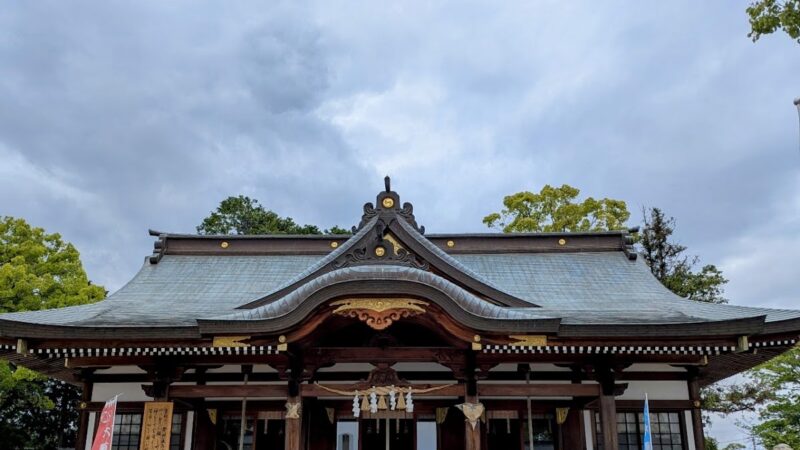
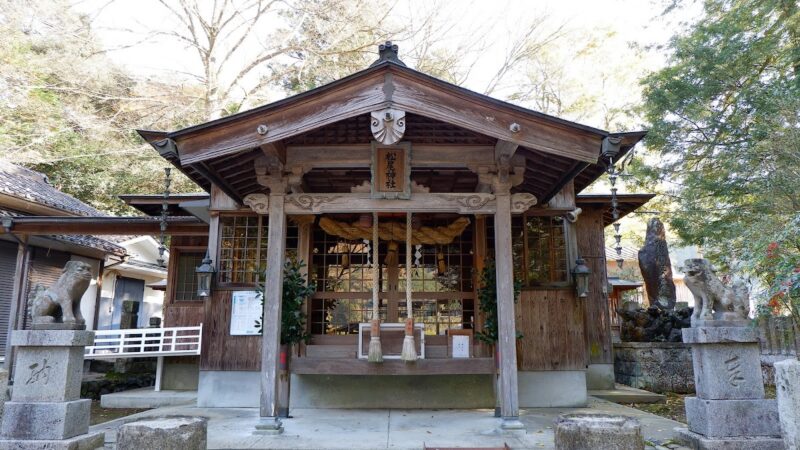
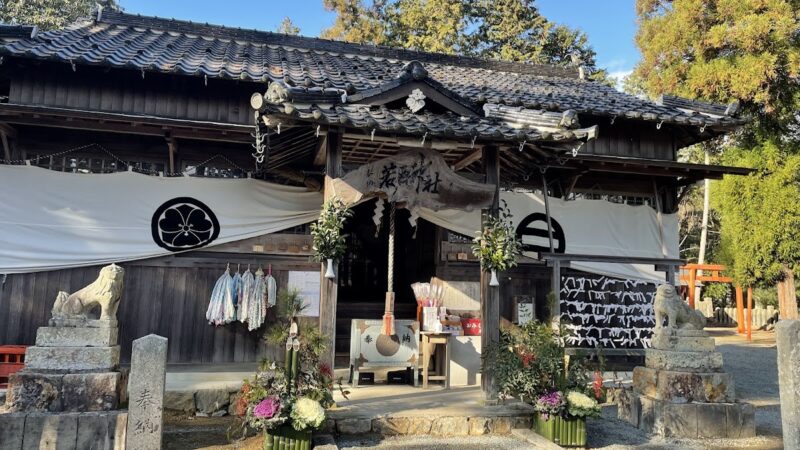
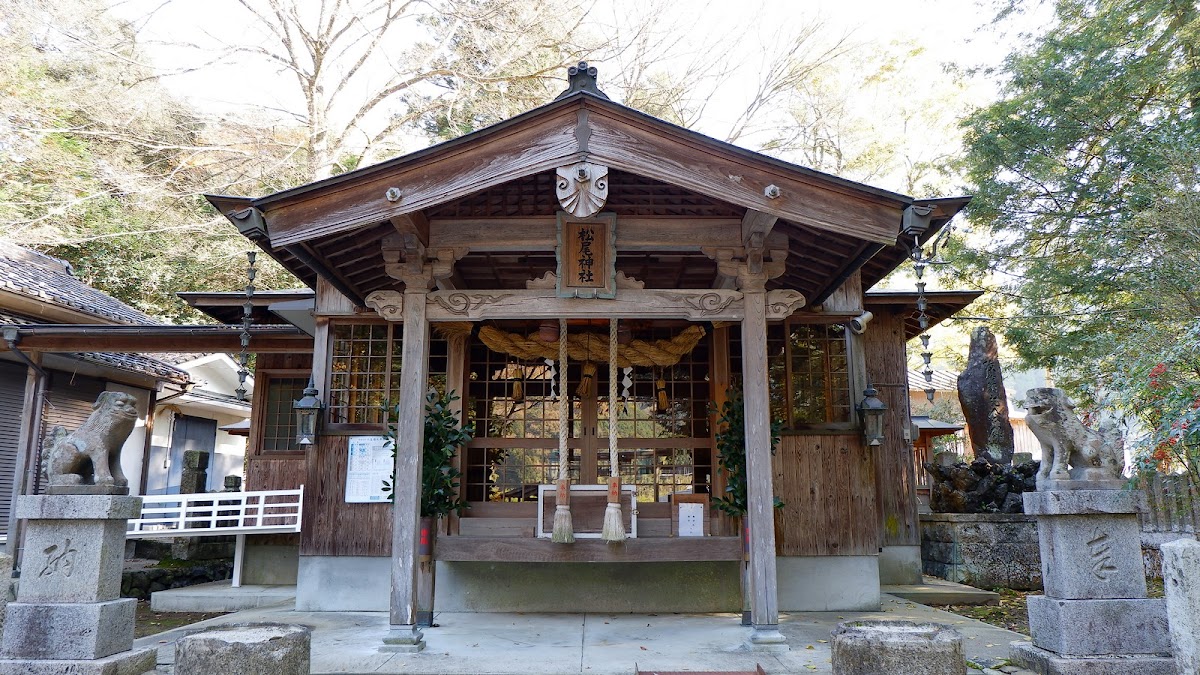
The main hall of Matsuo Shrine is built in the traditional style of shrine architecture. The worship hall is where daily prayers are offered, serving as a place of prayer for local residents.
Shrine Grove
The forest surrounding a shrine is called a “shrine grove” and is protected as a sacred area. Ancient trees stand tall, creating a sacred space where one can experience the changing seasons.
Stone Monuments and Memorials
Within the shrine grounds, there are sometimes stone monuments and memorials that tell the story of the local history. These are valuable resources for understanding the history of the region.
Access Information
Location
Address: 1136 Tsuchiman, Yamazaki-cho, Shiso City, Hyogo Prefecture 671-2569
Access by Car
- From Yamazaki IC on the Chugoku Expressway: Approximately 15 minutes
- From Harima-Shingu IC on the Harima Expressway: Approximately 25 minutes
- Using National Route 29: Head north from Shiso city center
Parking
There may be parking spaces for visitors around the shrine, but congestion is expected during festivals, so please allow ample time for your visit.
Access by Public Transportation
- From JR Himeji Station: Take the Shinki Bus bound for “Yamazaki”
- Nearest Bus Stop: A short walk from a bus stop near the Tsuchiman area
*Since public transportation services are limited in this area, we recommend checking the timetable in advance.
Map Information of the Surrounding Area
Matsuo Shrine is located in the Tsuchiman district, in the northern part of Yamazaki-cho, Shiso City. The surrounding area is a mountainous region rich in nature, surrounded by clear streams and forests.
Nearby Shrines and Temples
Many historical shrines and temples are scattered around Shiso City.
Major Shrines in Shiso City
- Iwa Shrine: A prestigious shrine known as the Ichinomiya (first-ranked shrine) of Harima Province
- Mikata Shrine: An ancient shrine in Yamazaki Town
- Hachiman Shrine: Shrines of Hachiman worship located in various districts
- Kasuga Shrine: Shrines of Kasuga worship associated with the Fujiwara clan
Shrines in the Neighboring Area
- Tsubuza Amaterasu Shrine: A Shikinaisha (shrine listed in the Engishiki) located in Tatsuno City
- Sumiyoshi Shrine: Shrines of the guardian deity of the sea located in various places
Etiquette and Manners for Worship
Basic Worship Etiquette
- Bow before passing through the torii gate: Bow lightly before entering the sacred area
- Purify at the water basin: Purify your left hand, right hand, and mouth in that order
- How to walk along the approach to the shrine: The center is the path for the gods, so walk along the sides
- Worship at the Main Hall: The basic procedure is two bows, two claps, and one bow.
- Bow deeply twice.
- Clap your hands twice.
- Bow deeply once.
Attire for Worship
Everyday clothes are acceptable, but please dress neatly. For special events such as festivals, slightly more formal attire is preferable.
Photography
Photography is generally permitted on the shrine grounds, but it is considered good manners to refrain from taking pictures inside the main hall or during religious ceremonies. Please be considerate of other worshippers.
History and Culture of Shiso City
Overview of Shiso City
Shiso City is located in the central-western part of Hyogo Prefecture and was formed in 2005 through the merger of Yamazaki Town, Ichinomiya Town, Haga Town, and Chigusa Town. It is a naturally rich area, with forests covering approximately 90% of its area, and is also known as the “Forest Kingdom.”
Characteristics of Yamazaki Town
Yamazaki Town is the central area of Shiso City and has flourished since ancient times as a post town on the Inaba Highway. During the Edo period, it developed as a castle town of the Yamazaki Domain, and even today, historical streetscapes and culture remain.
Local Industries
- Forestry: Forestry is thriving, utilizing the abundant forest resources.
- Agriculture: Rice cultivation and vegetable farming are practiced.
- Tourism: Tourism development utilizing the natural environment is progressing.
Matsuo Shrine and the Local Community
Parishioner Organization
Matsuo Shrine is the tutelary shrine of the Tsuchiman district and is protected by the local residents. The parishioner organization plays a central role in the maintenance and management of the shrine and the operation of festivals.
Connection to Local Events
The shrine is central to various local events. The custom of visiting the shrine at life’s milestones, such as New Year’s visits, Shichi-Go-San (a traditional rite of passage for children), and exorcisms, is still practiced today.
The Role of the Guardian Forest
The sacred grove of Matsuo Shrine serves not only as a religious site but also plays a vital role in protecting the local ecosystem. It provides a habitat for birds and insects, contributing to the conservation of biodiversity.
Matsuo Shrine Through the Seasons
Spring at Matsuo Shrine
In spring, the cherry blossoms and fresh greenery in the shrine grounds are beautiful, allowing one to feel the breath of life. The Spring Grand Festival is held, filling the community with energy.
Summer at Matsuo Shrine
The lush green grove is refreshing, making one forget the summer heat. The Summer Purification Ceremony cleanses away the impurities of the past six months, and prayers are offered for good health and protection from illness for the remaining half of the year.
Autumn at Matsuo Shrine
The autumn leaves turn beautiful colors, marking the start of the harvest season. The Autumn Grand Festival is held to give thanks for a bountiful harvest and to offer the first fruits to the gods.
Matsuo Shrine in Winter
The shrine grounds, enveloped in silence, are filled with a solemn atmosphere. After the year-end purification ceremony, preparations for welcoming the New Year are complete.
Practical Guide to Visiting Matsuo Shrine
First Shrine Visit of the New Year
The first shrine visit of the New Year is an important event where local residents gather. Many worshippers visit from early morning on New Year’s Day to pray for peace and prosperity throughout the year.
Shichi-Go-San Ceremony
Shichi-Go-San, a celebration of children’s growth, is often held in November. Children dressed in their finest attire visit the shrine with their families, praying for their healthy growth.
Exorcism for Unlucky Years
Those who have reached their unlucky year can receive a prayer for exorcism. This is generally held around Setsubun (the day before the beginning of spring) or in the spring.
First Shrine Visit (Omiyamairi)
The first shrine visit for a newborn baby, “Omiyamairi,” can also be performed at Matsuo Shrine. It is generally done around one month after birth.
Tourist Attractions in Shiso City
Here are some tourist attractions in Shiso City that you should visit in conjunction with your visit to Matsuo Shrine.
Hara Fudo Falls
A famous waterfall selected as one of Japan’s Top 100 Waterfalls, its three-tiered cascade is breathtaking.
Onzui Lake
A beautiful dam lake, also known as a famous spot for autumn foliage. Canoeing and kayaking are also available.
Mogamiyama Park Momijiyama
One of Kansai’s leading autumn foliage spots, attracting many tourists in the fall.
Akanishi Valley
A beautiful valley where clear streams and forests intertwine, perfect for hiking.
About Matsuo Faith
Matsuo Shrines Nationwide
There are many shrines throughout Japan that bear the name “Matsuo,” and most of them were established by inviting deities from Matsuo Taisha Shrine in Kyoto. Matsuo Taisha Shrine is said to have been founded by the Hata clan and is particularly famous as the god of sake brewing.
The Worship of Oyamakui-no-Kami
Oyamakui-no-Kami is an ancient deity appearing in the Kojiki and Nihon Shoki, and is widely worshipped as the god of mountains and water. It is also enshrined as the principal deity at Hiyoshi Taisha Shrine on Mount Hiei.
Connection to Sake Brewing
Matsuo Shrine is worshipped as the god of sake brewing and is revered by sake brewers nationwide. During the new sake season, many worshippers visit to pray for safe brewing.
How to Use with a Smartphone
Using Map Apps
By searching for “Matsuo Shrine, 1136 Tsuchiman, Yamazaki-cho, Shiso City, Hyogo Prefecture” in a map app such as Google Maps, you can check the route from your current location.
Recording Your Visit
You can take photos of the shrine grounds with your smartphone camera and keep them as a record of your visit. If you receive a Goshuin (shrine stamp), it’s a good idea to record it with a photo.
Information Gathering
The Hyogo Prefectural Shrine Association website allows you to search for information on shrines within the prefecture. It’s convenient for checking the latest information, such as festival schedules.
Summary
Matsuo Shrine, located at 1136 Tsuchiman, Yamazaki-cho, Shiso City, Hyogo Prefecture, is a shrine with a long history as the guardian shrine of the region. It enshrines Oyamakui-no-kami as its main deity and is believed to bestow blessings for abundant harvests, prosperity in sake brewing, and family safety.
The shrine grounds, surrounded by nature throughout the seasons, provide an ideal environment for peaceful worship. Various festivals are held throughout the year, and it plays a central role in the local community.
When visiting Shiso City, be sure to visit Matsuo Shrine and experience the region’s history and culture. In this rich natural environment, you can forget the hustle and bustle of everyday life and spend a peaceful time.
Frequently Asked Questions
Q1: Can I get a Goshuin (temple/shrine stamp) at Matsuo Shrine?
A1: For information on obtaining a Goshuin at Matsuo Shrine, please contact the shrine directly or check with the Hyogo Prefectural Shrine Association. Smaller shrines may not have a resident priest.
Q2: Can I receive prayers?
A2: For prayers such as exorcism and safety prayers, we recommend contacting the shrine or the Hyogo Prefectural Shrine Association in advance to confirm the schedule and procedures.
Q3: Is there parking available?
A3: There may be parking spaces for visitors around the shrine, but we recommend checking on-site or inquiring in advance for details.
Q4: Can I have a wedding ceremony here?
A4: Whether or not a Shinto wedding ceremony can be held here depends on the size and facilities of the shrine. If you wish to have a wedding ceremony here, we recommend consulting with the shrine in advance.
Q5: What are the nearest tourist attractions?
A5: Shiso City has many tourist attractions where you can enjoy nature, such as Hara Fudo Falls, Onzui Lake, and Momijiyama Park in Mogamiyama. Why not visit them along with your pilgrimage?