About Matsuo Taisha Shrine
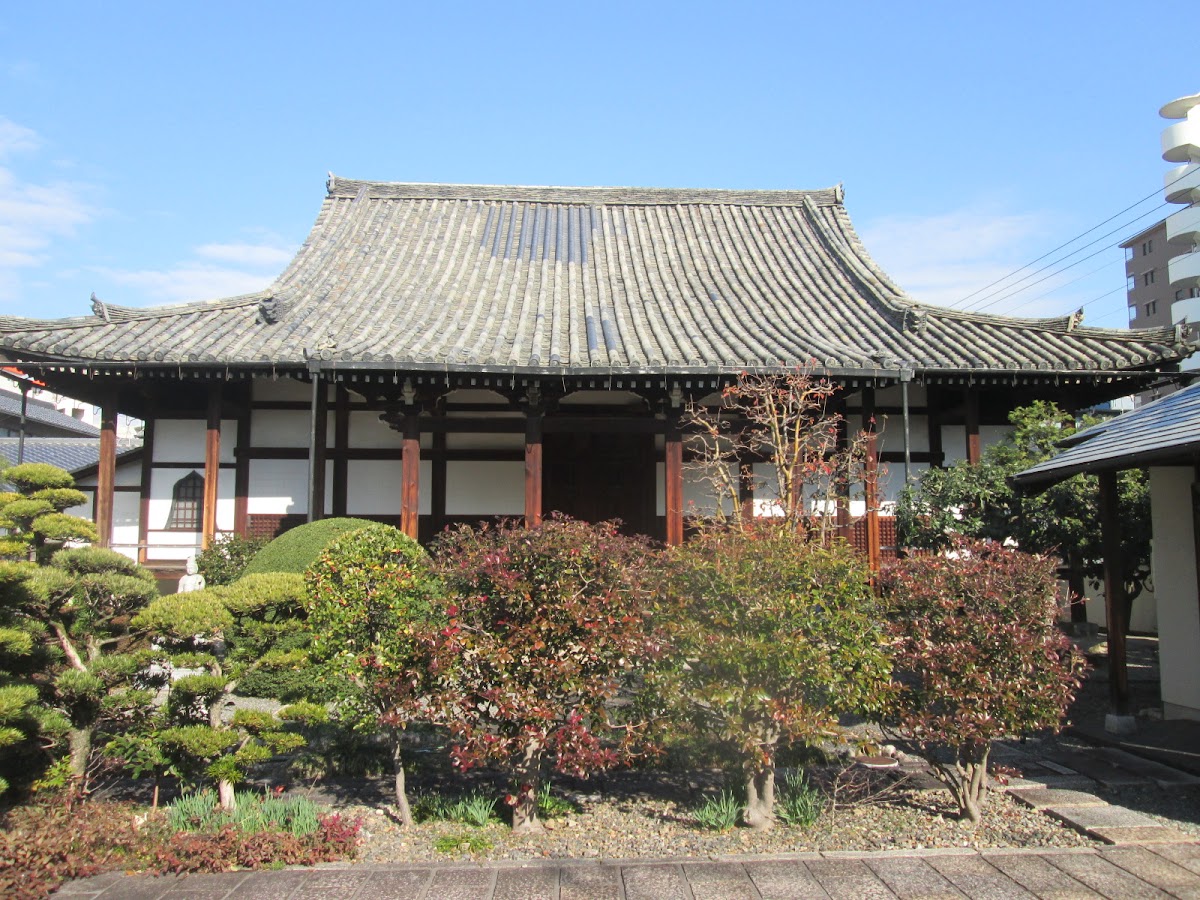
Matsuo Taisha Shrine, located in Nishikyo Ward, Kyoto City, is one of Kyoto’s oldest shrines. Founded in 701 AD by the Hata clan, it is revered as the god of sake brewing and attracts fervent devotion from brewers nationwide. The main hall is a valuable structure that preserves the architectural style of the Muromachi period and is designated as a National Important Cultural Property.
Within the shrine grounds, a spring called “Kame no I” (Turtle Well) flows. Legend says that sake brewed with this water will not spoil, and the custom of sake brewers throughout Japan taking this water home continues to this day.
Points to Note During Your Visit
Main Hall and Side Shrines
The main hall, designated as a National Important Cultural Property, features a unique architectural style called “Matsuo-zukuri.” It is a double-roofed structure, built in the early Muromachi period (1397). Side shrines are positioned on either side of the main hall, characterized by their beautiful symmetrical arrangement.
Sacred Water “Kame-no-i”
Kame-no-i, located at the back of the temple grounds, is a source of pure, clear water that springs from Mount Matsuo. This water is revered as “water of longevity” and “water of rebirth,” and visitors are free to draw and take it home. It is considered particularly sacred water by those involved in sake brewing, and is used as brewing water.
Dedication of Sake Barrels
Upon passing through the main gate, you will see a row of sake barrels donated by sake breweries from all over Japan. Barrels from famous brands such as Gekkeikan, Hakutsuru, and Shochikubai are lined up, demonstrating the deep reverence for the shrine as the god of sake brewing.
Garden “Shofu-en”
The three gardens of “Shofu-en,” designed by Shigemori Mirei, a leading landscape architect of the Showa era, are a must-see. Composed of “Kyokusui-no-niwa” (Winding Stream Garden), “Joko-no-niwa” (Ancient Garden), and “Horai-no-niwa” (Horai Garden), you can experience the styles of Japanese gardens from ancient times to the present day all at once.
Benefits
Brewing Safety & Business Prosperity
The main deities, Oyamakui-no-kami and Ichikishima-hime-no-mikoto, are known as the guardian deities of the brewing industry, including sake brewing. Brewers of not only sake, but also miso, soy sauce, and vinegar visit the shrine.
Good Fortune & Longevity
The sacred water of Kame-no-i (Turtle Well) is believed to grant longevity, and drinking this water is thought to bring good health and a long life. Furthermore, stroking the “Nade-kame” (stroking turtle) on the shrine grounds is believed to bring good fortune and prosperity.
Romantic Success & Marital Harmony
Ichikishima-hime-no-mikoto is identified with Benzaiten (the goddess of fortune), and the shrine also offers blessings for matchmaking and romantic success. The “Aioi-no-matsu” (twin pine tree) on the shrine grounds is worshipped as a symbol of marital harmony.
Access
Access by Train
- Hankyu Railway: Get off at Matsuo Taisha Station on the Hankyu Arashiyama Line, approximately 3 minutes on foot.
- Kyoto Municipal Subway: Transfer to the Hankyu Kyoto Line at Shijo Station on the Karasuma Line, then transfer to the Hankyu Arashiyama Line at Katsura Station.
Access by Bus
- Kyoto City Bus: Get off at Matsuo Taisha-mae bus stop, immediately adjacent.
- Approximately 40 minutes by Kyoto City Bus Route 28 from Kyoto Station.
Access by Car
Approximately 30 minutes from Kyoto Minami Interchange on the Meishin Expressway. Free parking available for visitors on the temple grounds (accommodates 100 regular cars).
Visiting Information
- Visiting Hours: Weekdays & Saturdays 9:00 AM – 4:00 PM, Sundays & Public Holidays 9:00 AM – 4:30 PM
- Admission Fee: Grounds Free, Garden & Divine Image Hall: Adults 500 yen, Students 400 yen, Children 300 yen
- Estimated Time Required: Grounds Only 30 minutes, Garden & Divine Image Hall 60-90 minutes
- Goshuin (Shrine Seal): Available (Offering Fee 300 yen)
Summary
Matsuo Taisha Shrine, with a history of over 1300 years, is one of Kyoto’s oldest shrines. It attracts visitors from all over Japan as the god of sake brewing and good fortune. With its main hall (a nationally important cultural property), the sacred spring “Kame no I,” and the garden designed by Mirei Shigemori, it boasts numerous attractions, making it an ideal shrine to visit in conjunction with Arashiyama sightseeing.