Complete Guide to Meiji Jingu Shrine’s Goshuin (Shrine Seals) | Thorough Explanation of Reception Hours, Types, Precautions, and Limited Edition Goshuin
Meiji Jingu Shrine, a representative shrine of Tokyo, is visited by over 3 million people annually. Many people want to receive a goshuin (shrine seal) at this shrine, which boasts the highest number of visitors in Japan during the New Year’s pilgrimage. This article provides a thorough explanation of Meiji Jingu Shrine’s goshuin, including reception locations, hours, types, and precautions, based on actual visitor experience.
Basic Information on Meiji Jingu Shrine’s Goshuin
Location for Receiving Goshuin
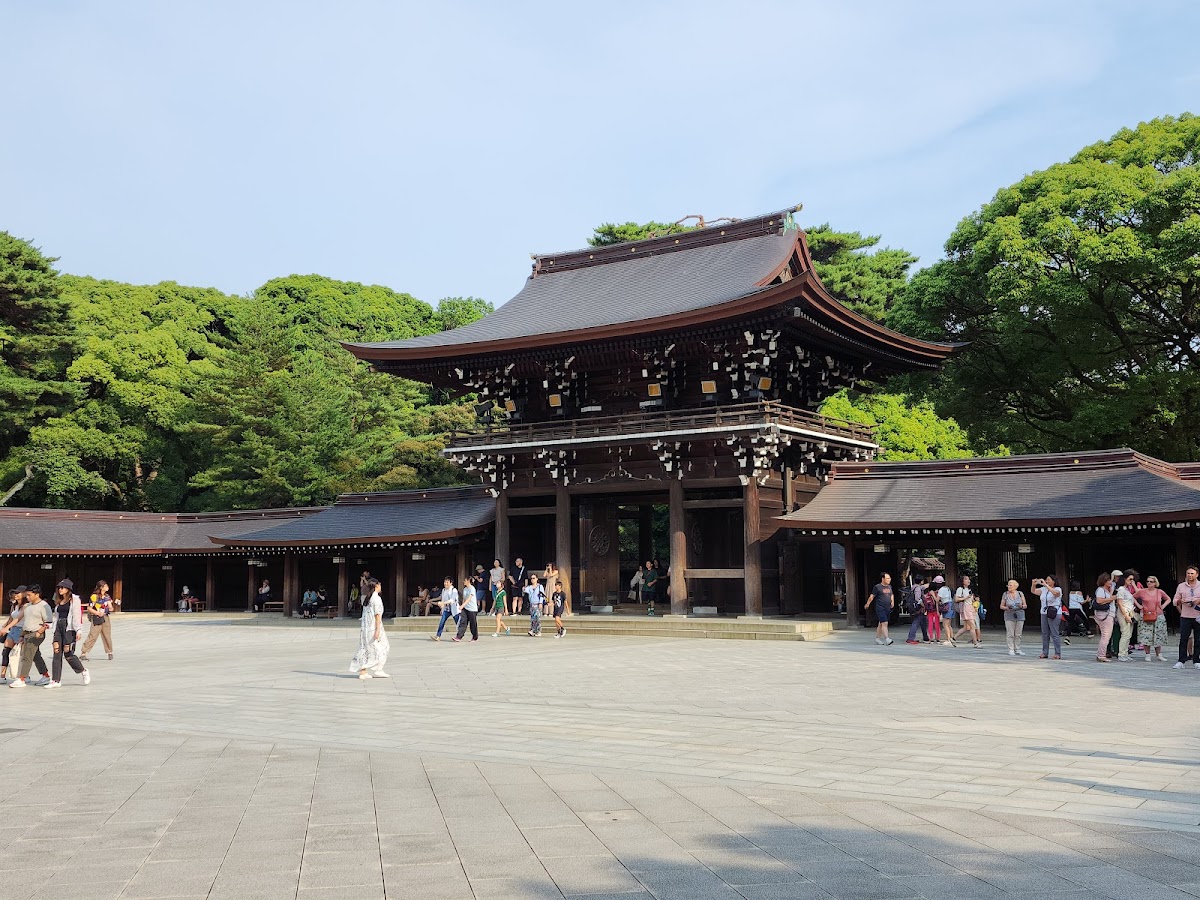
The place where you can receive a goshuin at Meiji Jingu Shrine is the office located to the right of the main hall. After passing through the large torii gate and proceeding along the approach to the main hall, proceed to the right and you will see the office. Goshuin are received at a dedicated window inside the office.
Because Meiji Jingu Shrine has a vast area, first-time visitors may get lost. While there are guide signs, if you have any questions, please feel free to ask the Shinto priests or guides along the approach to the shrine; they will be happy to assist you.
Reception Hours
The reception hours for obtaining Goshuin (shrine stamps) at Meiji Jingu Shrine are from opening time to closing time. However, please note that opening and closing times vary from month to month.
- January: Sunrise to 6:30 PM
- February: Sunrise to 6:00 PM
- March: Sunrise to 6:30 PM
- April & May: Sunrise to 7:00 PM
- June: Sunrise to 7:00 PM
- July & August: Sunrise to 7:20 PM
- September: Sunrise to 6:30 PM
- October: Sunrise to 6:00 PM
- November: Sunrise to 5:30 PM
- December: Sunrise to 5:00 PM
Sunrise times vary by season, so it is recommended to check in advance if you plan to visit early in the morning.
Offering Fee
The offering fee for the Goshuin (temple/shrine stamp) at Meiji Jingu Shrine is 500 yen. Payment is primarily by cash, so please have small change ready.
Characteristics and Types of Meiji Jingu Shrine’s Goshuin (Shrine Seals)
Standard Goshuin Design
Meiji Jingu Shrine’s goshuin are characterized by their simple yet dignified design.
Components of the Goshuin:
- Upper Center: Seal of the shrine’s crest (paulownia and chrysanthemum)
- Center: Ink calligraphy of “Meiji Jingu”
- Upper Right: Seal of the Imperial Era (Koki)
- Date of Visit: Ink calligraphy
Of particular note is the inclusion of the Imperial Era. The Imperial Era is a unique Japanese calendar system that uses the year of the enthronement of Emperor Jimmu, the first emperor (660 BC), as its first year. For example, 2024 AD is Imperial Era 2684. The inclusion of this Imperial Era is a distinctive feature of Meiji Jingu Shrine’s goshuin.
About the Shrine’s Crest
Meiji Jingu Shrine’s crest is a combination of the paulownia crest and chrysanthemum crest. The chrysanthemum crest is the emblem of the Imperial Family and is a fitting crest for Meiji Jingu Shrine, which enshrines Emperor Meiji and Empress Shoken. The paulownia crest is also a highly dignified crest that has been used by the Imperial Family and the government since ancient times.
Limited-Time and Special Goshuin (Shrine Seals)
At Meiji Jingu Shrine, in addition to the regular goshuin, limited-edition goshuin are sometimes given out on special occasions.
Main occasions for limited-edition goshuin:
- Annual Festival (November 3rd): The most important festival held on Culture Day, the birthday of Emperor Meiji
- New Year’s Special Period: Special goshuin during the Hatsumode (first shrine visit of the year) period
- Anniversary Festival: Special days such as the anniversary of the shrine’s founding
However, Meiji Jingu Shrine generally values its regular goshuin and does not offer flashy, colorful goshuin or specially designed pre-printed goshuin. This reflects its respect for the shrine’s status and tradition.
Meiji Jingu Shrine’s Original Goshuincho (Stamp Book)
Design and Features
At Meiji Jingu Shrine, you can purchase original goshuincho at the shrine’s reception area.
Types of Goshuincho:
- Navy Blue Goshuincho: A classic type with the shrine’s crest designed in gold on a calm navy background.
- White Goshuincho: An elegant design with the shrine’s crest standing out against a pure white background.
- Seasonal Limited Designs: Special designs may appear depending on the season.
The goshuincho is a standard large size (approximately 18cm x 12cm), suitable for collecting goshuin stamps from other shrines as well.
Price and Purchase Method
The price of a goshuincho is approximately 1,500 to 2,000 yen (depending on the design and material). The price may include the goshuin stamp, so please check at the time of purchase.
Purchases are possible at the reception area, but popular designs may sell out, so if you want a specific design, it is recommended to visit earlier in the day.
Points to Note When Receiving a Goshuin (Shrine/Temple Stamp) at Meiji Jingu Shrine
Always Pray Before Receiving a Goshuin
This is a basic courtesy common to all shrines and temples, not just Meiji Jingu Shrine, but always pray at the main hall before receiving a goshuin. A goshuin is proof of worship, not a stamp rally.
Meiji Jingu Shrine places particular emphasis on this point, and seeking a goshuin without praying is considered inappropriate.
Dealing with Crowds
Meiji Jingu Shrine is one of Tokyo’s most popular shrines, and is especially crowded during the following times:
- New Year’s Visit Period (January 1st-3rd): The highest number of visitors in Japan
- Weekends and Holidays: Especially from morning to early afternoon
- Shichi-Go-San Season (November): Bustling with families
- Annual Festival Day (November 3rd): Crowded due to special events
During peak times, you may have to wait 30 minutes to over an hour to receive a Goshuin (shrine stamp). It is recommended to visit with ample time, or aim for the following times for a smoother experience:
- Weekday mornings (especially right after opening)
- One hour before closing in the evening
- During rainy weather
What to do if you forget your Goshuincho (stamp book)
If you forget your Goshuincho or do not yet have one, you can purchase one at the reception area. Also, while pre-written goshuin (stamps) may be available, it is generally recommended to have them directly inscribed in your goshuincho (stamp book).
Photography Etiquette
Many people post photos of their goshuin on social media. While taking photos is generally acceptable, please refrain from taking pictures inside the reception area or engaging in any behavior that may disturb other visitors. Also, please avoid taking photos of the Shinto priests writing the goshuin without their permission.
How to Access Meiji Jingu Shrine
Access by Train
Meiji Jingu Shrine is located in the heart of Tokyo, yet is surrounded by a vast forest. It is accessible from several train stations.
Main Access Routes:
- Harajuku Station (JR Yamanote Line): 1-minute walk from the South Exit (closest)
- Meiji-jingumae Station (Tokyo Metro Chiyoda Line/Fukutoshin Line): 1-minute walk from Exit 2
- Yoyogi Station (JR Yamanote Line/Toei Oedo Line): 5-minute walk from the North Exit
- Sangubashi Station (Odakyu Line): 3-minute walk to the West Entrance
Recommended Route:
For first-time visitors, the South Entrance route from Harajuku Station is recommended. You can enjoy a walk through the forest while walking along the path from the large torii gate to the main shrine.
Access by Car and Parking
Meiji Jingu Shrine has a parking lot for visitors, but the number of spaces is limited, and it is often full on weekends and holidays.
Parking Information:
- Capacity: Approximately 50 cars
- Operating Hours: From opening time to closing time
- Fee: Free (However, you may be directed to a paid parking lot during busy times)
As this is a shrine in the city center, we strongly recommend using public transportation.
Flow and Highlights of Visiting Meiji Jingu Shrine
Basic Flow of Visiting
Before receiving your Goshuin (shrine stamp), let’s understand the correct flow of visiting.
- Bow before passing through the torii gate
- Walk along the edge of the path (The center is the path for the gods)
- Purify your body and mind at the water basin
- Pray at the main shrine (Two bows, two claps, one bow)
- Receive your Goshuin at the reception
Etiquette of Water Basin
The water basin at Meiji Jingu Shrine is located on the way to the main shrine. Follow these steps to purify yourself:
- Take the ladle with your right hand and purify your left hand.
- Switch the ladle to your left hand and purify your right hand.
- Switch the ladle back to your right hand, receive water in your left hand, and rinse your mouth.
- Purify your left hand once more.
- Hold the ladle upright, purify the handle, and return it to its original position.
Proper Worship at the Main Shrine
At the main shrine of Meiji Jingu, worship follows the same “two bows, two claps, one bow” procedure as at most shrines:
- Two bows: Bow deeply twice.
- Two claps: Clap your hands twice.
- One bow: Bow deeply once at the end.
When worshipping, express your gratitude for everyday blessings, and if you have a wish, pray quietly in your heart.
Highlights of the Shrine Grounds
Besides receiving a Goshuin (shrine stamp), there are many sights to see within the grounds of Meiji Jingu Shrine:
Great Torii Gate: One of the largest wooden torii gates in Japan, made from a 1500-year-old Taiwanese cypress tree.
Married Couple Camphor Trees: Two camphor trees in front of the main shrine, believed to bring good fortune in matchmaking.
Meiji Jingu Imperial Garden: A garden created by Emperor Meiji for Empress Shoken (admission fee 500 yen). Beautiful irises are in full bloom in June.
Kiyomasa’s Well: A well famous as a power spot. Legend says it was dug by Kato Kiyomasa.
Treasure Hall: Exhibits items related to Emperor Meiji and Empress Shoken (admission fee 500 yen).
History and Deities of Meiji Jingu Shrine
Founding of Meiji Jingu Shrine
Meiji Jingu Shrine was founded in 1920 (Taisho 9) to enshrine Emperor Meiji and Empress Shoken. Emperor Meiji passed away in 1912 (Meiji 45), and Empress Shoken in 1914 (Taisho 3). The shrine’s creation was prompted by a growing public demand for a shrine to enshrine their reigns.
The Miracle of the Artificial Forest
Currently, the grounds of Meiji Jingu Shrine are covered by a vast forest of approximately 700,000 square meters. However, this forest is actually artificially created. 100 years ago, this land was barren, but approximately 100,000 trees were donated from all over Japan, and a total of 110,000 youth group members volunteered to plant them.
The Miracle of the Artificial Forest
Currently, the grounds of Meiji Jingu Shrine are covered by a vast forest of approximately 700,000 square meters. During the landscaping process, a scientific tree-planting plan was developed with a view to 100 and 150 years into the future, resulting in a rich ecosystem that now resembles a natural forest.
Benefits
Meiji Jingu Shrine offers a wide range of benefits, but the following are particularly believed to be its blessings:
- Family Safety
- Business Prosperity
- Matchmaking (Married Couple Camphor Trees)
- Prayers for Success in Exams and Academic Achievement
- Protection from Evil
Emperor Meiji laid the foundation for modern Japan, and Empress Shoken dedicated herself to promoting women’s education. Therefore, the shrine is particularly believed to offer blessings related to pioneering a new era and to academics and education.
Combining with Nearby Tourist Attractions
Since Meiji Jingu Shrine is located in the Harajuku/Omotesando area, it is recommended to explore the surrounding area after visiting the shrine.
Harajuku/Omotesando Area
- Takeshita Street: A hub of youth culture
- Omotesando: Lined with stylish cafes and boutiques
- Omotesando Hills: Enjoy shopping and gourmet food
Yoyogi Park
A metropolitan park adjacent to Meiji Jingu Shrine. Events and flea markets are sometimes held there on weekends.
Nearby Shrines and Temples
For those who enjoy collecting Goshuin (temple/shrine stamps), the following shrines and temples are within walking distance:
- Yoyogi Hachimangu Shrine: 10-minute walk
- Hatomori Hachimangu Shrine: 15-minute walk (famous for its miniature Mount Fuji)
- Konno Hachimangu Shrine: 20-minute walk
Frequently Asked Questions (FAQ)
Q1: Are Goshuin only available as pre-printed stamps?
A: Generally, stamps are directly written into your Goshuincho (stamp book), but during busy times, pre-printed stamps may be used.
Q2: Can I use a Goshuincho from another temple or shrine? **
A: Yes, it’s fine to use a goshuincho (stamp book) that you’ve used at other shrines or temples. However, some people use separate goshuincho for shrines and temples.
Q3: Can I get a goshuin (stamp) during the New Year’s visit period?
A: Yes, you can, but it gets extremely crowded, so be prepared for a long wait. Often, they will provide pre-written stamps.
Q4: Do I need a reservation to get a goshuin?
A: No reservation is necessary. Anyone can get one by visiting the reception area during opening hours.
Q5: Can someone get a goshuin on my behalf?
A: Generally, the person who visited should receive it, but if there are extenuating circumstances, please consult with them.
Summary: Points to consider when getting a goshuin at Meiji Jingu Shrine
Meiji Jingu Shrine’s goshuin features a dignified design befitting one of Japan’s leading shrines. When receiving a Goshuin (temple/shrine stamp), please keep the following points in mind:
- Always pray before receiving your Goshuin.
- Weekday mornings are recommended to avoid crowds.
- Prepare 500 yen in coins for the offering.
- Bring your Goshuincho (stamp book) (you can purchase one on-site if you don’t have one).
- Check opening and closing times in advance, as they vary by month.
- Observe proper worship etiquette and pray quietly and respectfully.
Meiji Jingu Shrine is a special place surrounded by abundant nature despite being in the heart of the city. Beyond simply receiving a Goshuin, walking along the approach, exploring the sights within the grounds, and praying quietly will allow you to spend a precious time away from everyday life.
Whether you are receiving a Goshuin for the first time or have already collected many, we hope your visit to Meiji Jingu Shrine will be a memorable experience.