Meitoku Inari Shrine (Chuo Ward, Tokyo) Complete Guide | History, Goshuin (Shrine Seal), and Access Information
Meitoku Inari Shrine, located in Nihonbashi Kayabacho, Chuo Ward, Tokyo, is a historic Inari shrine quietly nestled in a corner of the financial district. While it may appear at first glance to be a subsidiary shrine of Hie Shrine Nihonbashi, it is actually an independent shrine with its own religious corporation status. This article provides a detailed overview of Meitoku Inari Shrine, including its history, enshrined deities, goshuin (shrine seal), annual events, and visiting information.
Overview of Meitoku Inari Shrine
Meitoku Inari Shrine is an Inari shrine located at 1-6-3 Nihonbashi Kayabacho, Chuo Ward, Tokyo. Although currently located on the same grounds as Hie Shrine Nihonbashi (Nihonbashi Hie Shrine), it is managed as a separate religious corporation.
Basic Information
- Location: 1-6-3, Nihonbashi Kayabacho, Chuo-ku, Tokyo 103-0025
- Deity Enshrined: Inari Okami (Inari Great God)
- Shrine Rank: Former Unranked Shrine
- Religious Corporation: Possesses independent religious corporation status
- Annual Festival Day: First Horse Day of February
- Concurrent Shrine: Concurrently managed by Hie Shrine Nihonbashi Branch Shrine
Located in the heart of Kayabacho, a financial district, this shrine is cherished by locals and worshippers for its tranquil atmosphere, far removed from the hustle and bustle of the city.
The History and Origins of Meitoku Inari Shrine
Founding and Location in the Edo Period
While the exact founding date of Meitoku Inari Shrine is unclear, records indicate that it was already located near the Kayabacho intersection, specifically around the current Kayabacho 1-chome intersection, during the Genroku era (1688-1704). At that time, it was revered by the local people as “Inari of Minami-Kayabacho.”
During the Edo period, the area around Kayabacho had already developed into a commercial district, and there was a strong faith in Inari Okami, the deity who presides over business prosperity and abundant harvests. Meitoku Inari Shrine has a long history as a spiritual center for merchants and residents of this area.
Relocation After the Great Kanto Earthquake
The Great Kanto Earthquake of 1923 (Taisho 12) was a major disaster that drastically altered the landscape of Tokyo. Due to land readjustment projects accompanying post-earthquake reconstruction, Meitoku Inari Shrine was relocated from its original site to its current location. This relocation took place in 1963 (Showa 38), and it has remained at its current location ever since.
Merger of Ubuchiyo Inari Shrine
In 1930 (Showa 5), Ubuchiyo Inari Shrine was merged with Meitoku Inari Shrine. This gave Meitoku Inari Shrine the character of a shrine integrating multiple Inari faiths. The merger of Ubuchiyo Inari Shrine was a measure to unify the local Inari faith and create a stronger center of worship.
Relationship with Hie Shrine Nihonbashi Branch Shrine
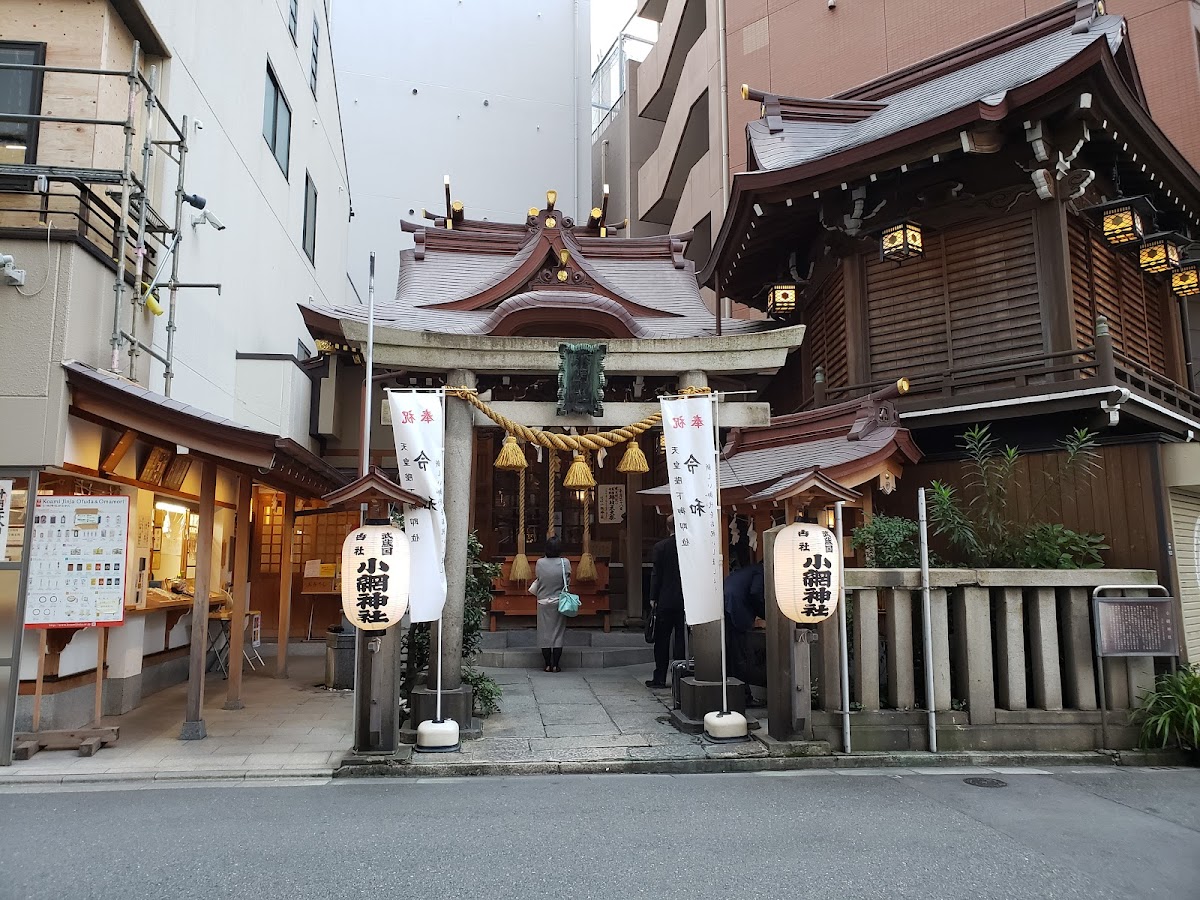
Currently, Meitoku Inari Shrine is located on the same grounds as Hie Shrine Nihonbashi Branch Shrine (Nihonbashi Hie Shrine). Therefore, at first glance, it may appear to be a subsidiary shrine of Nihonbashi Hie Shrine, but in reality, it is a separate shrine with independent religious corporation status.
Nihonbashi Hie Shrine manages Meitoku Inari Shrine as a subsidiary shrine, and Goshuin (shrine seals) are issued at the Nihonbashi Hie Shrine office. However, a key characteristic of Meitoku Inari Shrine is that it is legally an independent shrine.
Deities and Divine Virtues
About Inari Okami
The deity enshrined at Meitoku Inari Shrine is Inari Okami. Inari Okami is one of the most widely worshipped deities throughout Japan and is believed to bestow the following divine virtues:
- Business Prosperity: Success and prosperity in commercial activities
- Abundant Harvest: Abundant harvests of crops
- Industrial Development: Development of all industries
- Family Safety: Peace and safety in the home
- Good Fortune and Prosperity: Improvement of luck and the arrival of happiness
Located in Kayabacho, a financial and securities district, Meitoku Inari Shrine attracts many visitors, especially those praying for business prosperity and success.
Characteristics of Inari Worship
The fox, known as a symbol of Inari shrines, is considered the divine messenger of Inari Okami (the great Inari deity). A fox statue is enshrined at Meitoku Inari Shrine, welcoming visitors.
Inari worship is characterized by red torii gates and banners, and the vermilion torii gate at Meitoku Inari Shrine is particularly striking. This vibrant vermilion is considered a symbol of protection against evil and vitality.
Information on Meitoku Inari Shrine’s Goshuin (Shrine Seal)
About the Issuance of Goshuin
Goshuin for Meitoku Inari Shrine are issued at the shrine office of Hie Shrine Nihonbashi Branch (Nihonbashi Hie Shrine). Since Meitoku Inari Shrine itself does not have a shrine office, it is handled at Nihonbashi Hie Shrine, which is located on the same grounds.
Limited Edition Goshuin for the Hatsuumasai Festival
Of particular note is the limited edition goshuin issued on the day of the Hatsuumasai Festival, which takes place once a year. The Hatsuumasai festival is one of the most important festivals for Inari shrines, and special goshuin (shrine stamps) are available on this day.
The Hatsuumasai limited edition goshuin often uses different designs and stamps than the regular goshuin, making them popular among goshuin collectors. Since many worshippers visit on the day of the Hatsuumasai festival, early arrival is recommended.
Goshuin Issuance Hours and Offering Fee
- Issuance Location: Hie Shrine Nihonbashi Subsidiary Shrine Office
- Issuance Hours: Usually 9:00 AM to 5:00 PM (subject to change)
- Offering Fee: Usually around 300-500 yen
*Issuance hours and offering fees may change, so it is recommended to check before visiting.
Annual Events and Hatsuumasai Festival
Hatsuumasai Festival (First Horse Day in February)
The annual festival day for Meitoku Inari Shrine is the first Horse Day in February. Hatsuuma refers to the first Day of the Horse in February, and is celebrated nationwide as a festival at Inari shrines.
The Hatsuuma Festival is based on the legend that Inari Okami descended upon Mount Inari (Fushimi Inari Taisha in Kyoto) on this day, and is the most important festival in Inari worship.
Highlights of the Hatsuuma Festival
At the Hatsuuma Festival of Meitoku Inari Shrine, the following events are held:
- Shinto Ritual: A ceremony conducted by Shinto priests
- Special Goshuin Seal Issuance: A special Goshuin seal available only on this day
- Blessing of Good Fortunes to Worshippers: Distribution of lucky charms, etc.
On the day of the Hatsuuma Festival, the shrine is bustling with more worshippers than usual, with people visiting to pray for business prosperity and family safety.
Other Annual Events
In addition to the Hatsuuma Festival, various Shinto rituals are held throughout the year, such as the New Year’s Day Festival. For detailed event schedules, please contact Hie Shrine Nihonbashi Branch.
Highlights of the Shrine Grounds
“Origin of Meitoku Inari Shrine” Monument
A stone monument inscribed with “Origin of Meitoku Inari Shrine” stands on the shrine grounds. This monument records the history and origins of the shrine, conveying the origins of Meitoku Inari Shrine to visitors.
By reading the monument, you can learn about the history of the shrine, which dates back to the Edo period, and the circumstances surrounding its relocation after the Great Kanto Earthquake.
Shrine Building and Torii Gate
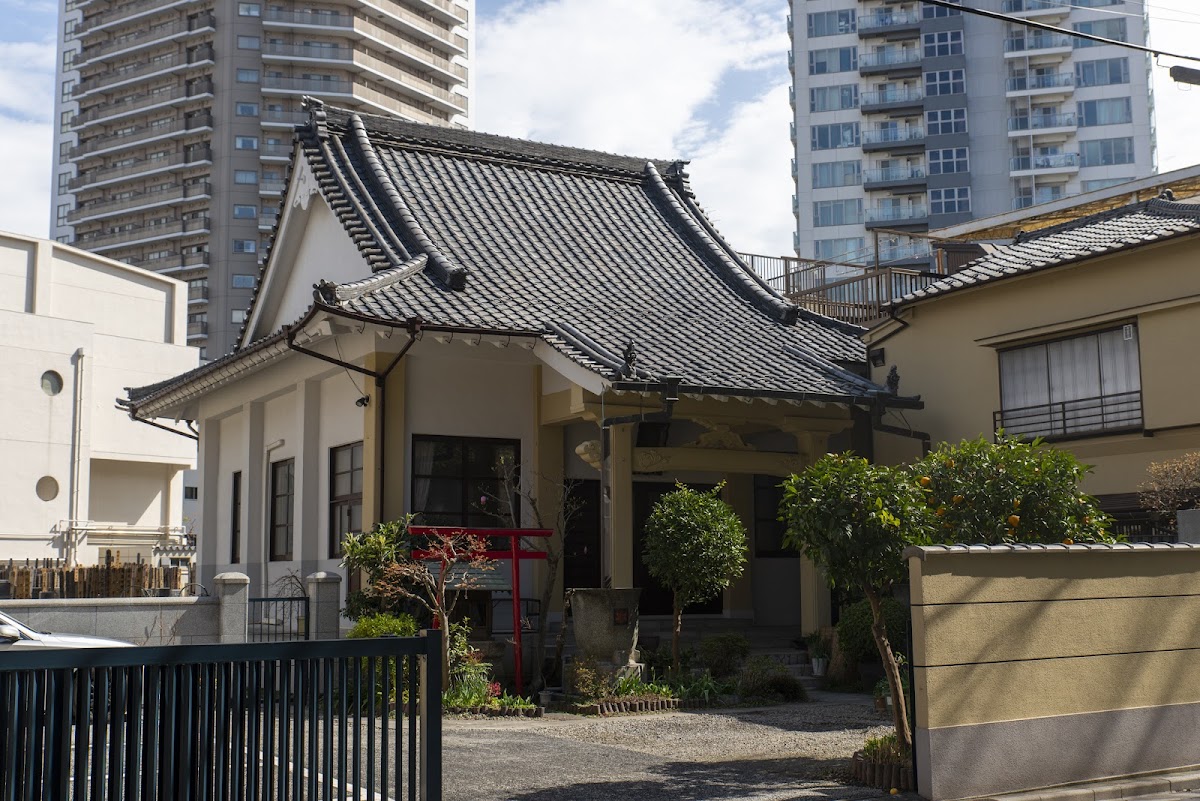
The shrine building of Meitoku Inari Shrine is compact but meticulously maintained. The vermilion torii gate is impressive, creating a sacred space despite being in the middle of the city.
Because it is adjacent to Hie Shrine Nihonbashi Branch, many people visit both shrines together.
Fox Statues and Votive Offerings
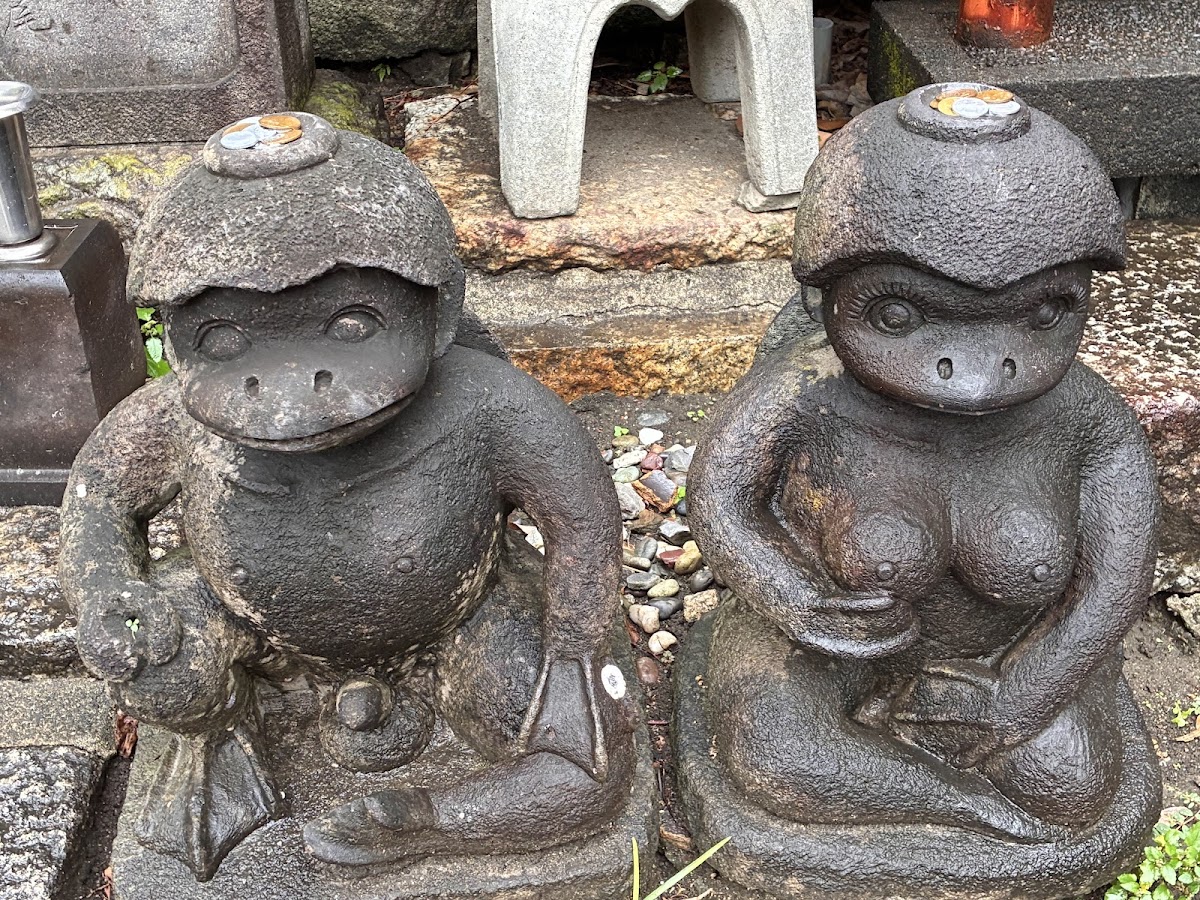
Fox statues, symbols of Inari shrines, are placed on the shrine grounds. These fox statues are considered messengers of Inari Okami (the Inari deity), watching over worshippers.
Related Shrines in the Surrounding Area
Around Nihonbashi Kayabacho in Chuo Ward, where Meitoku Inari Shrine is located, there are several other historical shrines.
Hie Shrine Nihonbashi Subsidiary (Nihonbashi Hie Shrine)
This shrine is located on the same grounds as Meitoku Inari Shrine. As a subsidiary shrine of Hie Shrine in Akasaka, it is revered as the guardian deity of this area. The enshrined deity is Oyamakui-no-kami, and it is believed to bestow blessings of business prosperity and protection from evil.
Kaedegawa Tenjin
There was once a Tenjin shrine called Kaedegawa Tenjin in the Kayabacho area. It is an important presence in the history of the region.
Okina Inari and Gion Inari
Other Inari shrines, such as Okina Inari and Gion Inari, exist in the surrounding area, demonstrating the deep-rooted Inari faith in this region.
Access
Access by Train
Meitoku Inari Shrine is accessible from multiple Tokyo Metro lines.
Nearest Station: Kayabacho Station
- Approximately 1-2 minutes on foot from Exits 9 and 10 of Kayabacho Station on the Tokyo Metro Hibiya Line
- Approximately 1-2 minutes on foot from Exits 9 and 10 of Kayabacho Station on the Tokyo Metro Tozai Line
Other Accessible Stations
- Approximately 5 minutes on foot from Exit D2 of Nihonbashi Station on the Tokyo Metro Tozai Line, Ginza Line, and Toei Asakusa Line
- Approximately 7 minutes on foot from Mitsukoshimae Station on the Tokyo Metro Ginza Line, Hanzomon Line, and Toei Asakusa Line
Access from Kayabacho Station is the most convenient, as the shrine is located immediately outside the station.
Access on Foot
Exit Kayabacho Station from Exit 9 or 10 and proceed along Shin-Ohashi Street. You will arrive shortly. Look for the sign for Hie Shrine Nihonbashi Branch Shrine.
Access by Car and Parking
Meitoku Inari Shrine does not have its own parking lot. If you are visiting by car, please use the nearby coin-operated parking lots. There are several hourly parking lots around Kayabacho.
However, since this area is a very congested financial district on weekdays, we recommend using public transportation.
Manners and Etiquette for Visiting a Shrine
Basic Etiquette for Visiting a Shrine
The basic etiquette for visiting a shrine is as follows:
- Bow before passing through the torii gate: This is a courtesy before entering the sacred area.
- Purify yourself at the water basin: Purify your left hand, then your right hand, then your mouth.
- Walk along the edge of the path: The center is considered the path of the gods.
- Etiquette in front of the main hall: Two bows, two claps, and one bow are the basics.
Points specific to worshipping at Inari shrines
At Inari shrines, respect is also shown to the fox statues. It is important to treat the foxes, which are messengers of the gods, with respect.
Also, if you are praying for business prosperity, it is said to be good to silently recite your specific wish.
The charm of Meitoku Inari Shrine
An oasis in the city
Despite being located in the heart of Kayabacho, a financial district, Meitoku Inari Shrine has a quiet and peaceful atmosphere. It is a precious space where you can pray in peace amidst the surrounding buildings.
The Weight of History
Meitoku Inari Shrine boasts a long history dating back to the Genroku era, having survived the Great Kanto Earthquake and continuing to the present day. The weight of this history can be felt throughout the shrine grounds.
Unique Characteristics as an Independent Religious Corporation
Located on the same grounds as Hie Shrine’s Nihonbashi subsidiary shrine, its unusual status as an independent religious corporation makes it an interesting case study for learning about the history of the Shinto shrine system.
Nearby Tourist Attractions
Nihonbashi Area
Many famous Nihonbashi landmarks are within walking distance of Meitoku Inari Shrine.
- Nihonbashi: The heart of Tokyo since the Edo period
- Mitsukoshi Main Store: A historic department store
- Bank of Japan Head Office: A building designated as an Important Cultural Property
- COREDO Nihonbashi: A modern commercial complex
Around Kayabacho
Kayabacho is known as a financial district with many securities companies, but it also has historical buildings and temples and shrines scattered throughout.
- Kabutocho: The area where the Tokyo Stock Exchange is located
- Yoroi Bridge: A historic bridge
- Peace Bell: A symbol in front of the Stock Exchange
Notes on Visiting
Visiting Hours
While the grounds of Meitoku Inari Shrine are generally open at all times, the issuance of Goshuin (shrine stamps) and office services are limited to certain hours during the day. If you wish to receive a Goshuin, it is recommended to visit between 9:00 AM and 5:00 PM.
Photography
Photography is generally permitted on the shrine grounds, but please note the following:
- Be considerate of other visitors.
- Refrain from taking photographs during Shinto rituals.
- Permission may be required to photograph inside the shrine buildings.
Dress Code
There are no specific dress code requirements, but clean and modest attire appropriate for visiting a shrine is desirable. During special festivals such as the Hatsuumasai (First Horse Day Festival), many visitors are seen in slightly more formal attire.
Summary
Meitoku Inari Shrine is a historic Inari shrine located in Nihonbashi Kayabacho, Chuo-ku, Tokyo, with a history dating back to the Edo period. While possessing independent religious corporation status, it has the unique characteristic of being located on the same grounds as the Hie Shrine Nihonbashi branch shrine.
Due to its location in the heart of the financial district, it attracts many worshippers praying for business prosperity and success, and is particularly bustling during the Hatsuumasai festival in February. Its excellent accessibility, just a 1-2 minute walk from Kayabacho Station, is also a major draw.
When visiting the Nihonbashi area, be sure to stop by Meitoku Inari Shrine to calm your mind in its tranquil urban setting and experience the divine blessings of Inari Okami. For those collecting Goshuin (shrine stamps), a visit to obtain the limited-edition Goshuin available during the Hatsuumasai festival is highly recommended.
Meitoku Inari Shrine continues to uphold its unwavering faith in Kayabacho, where history and modernity intersect. Its tranquil atmosphere makes it a precious sanctuary for those seeking peace of mind amidst their busy daily lives.