What is a Chumon (Middle Gate)? A Thorough Explanation of its Role in Shrines and Temples and Etiquette During Worship
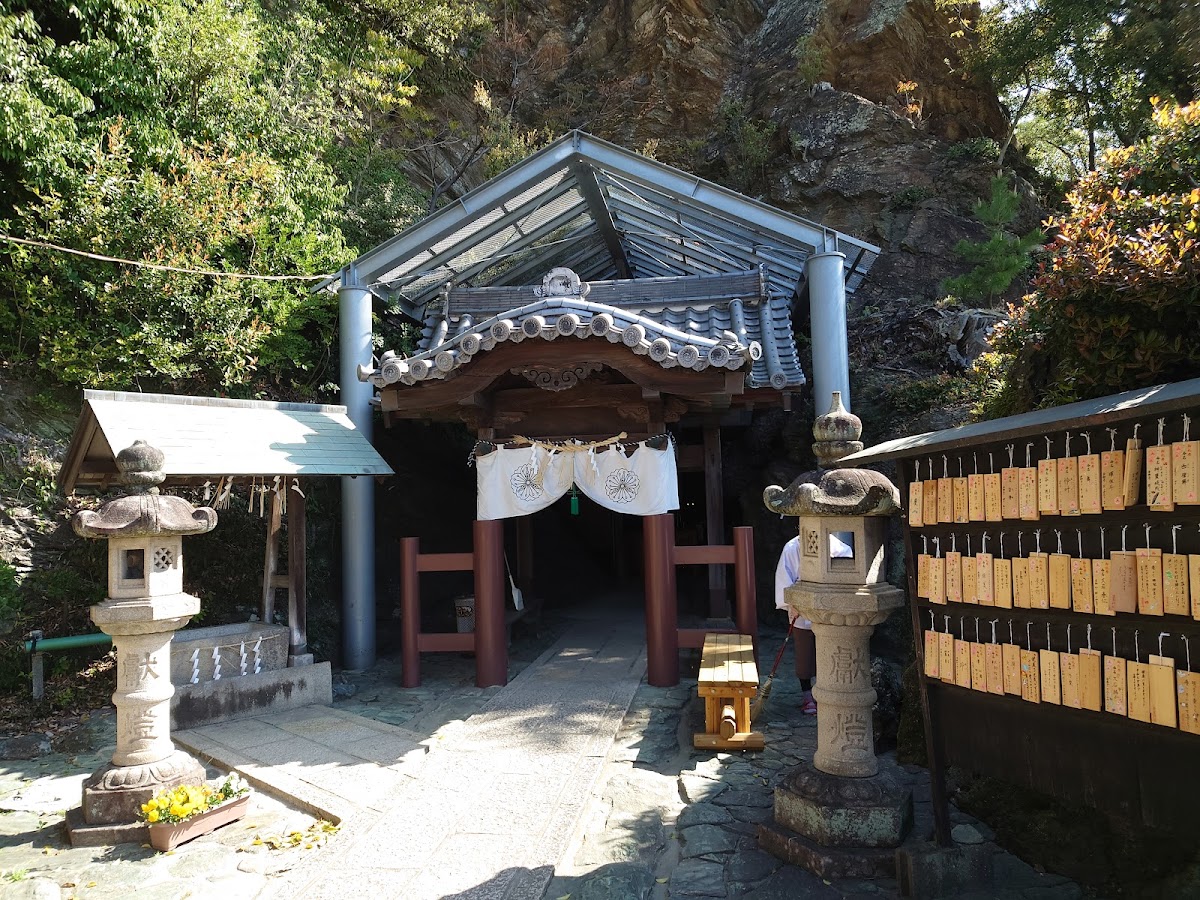
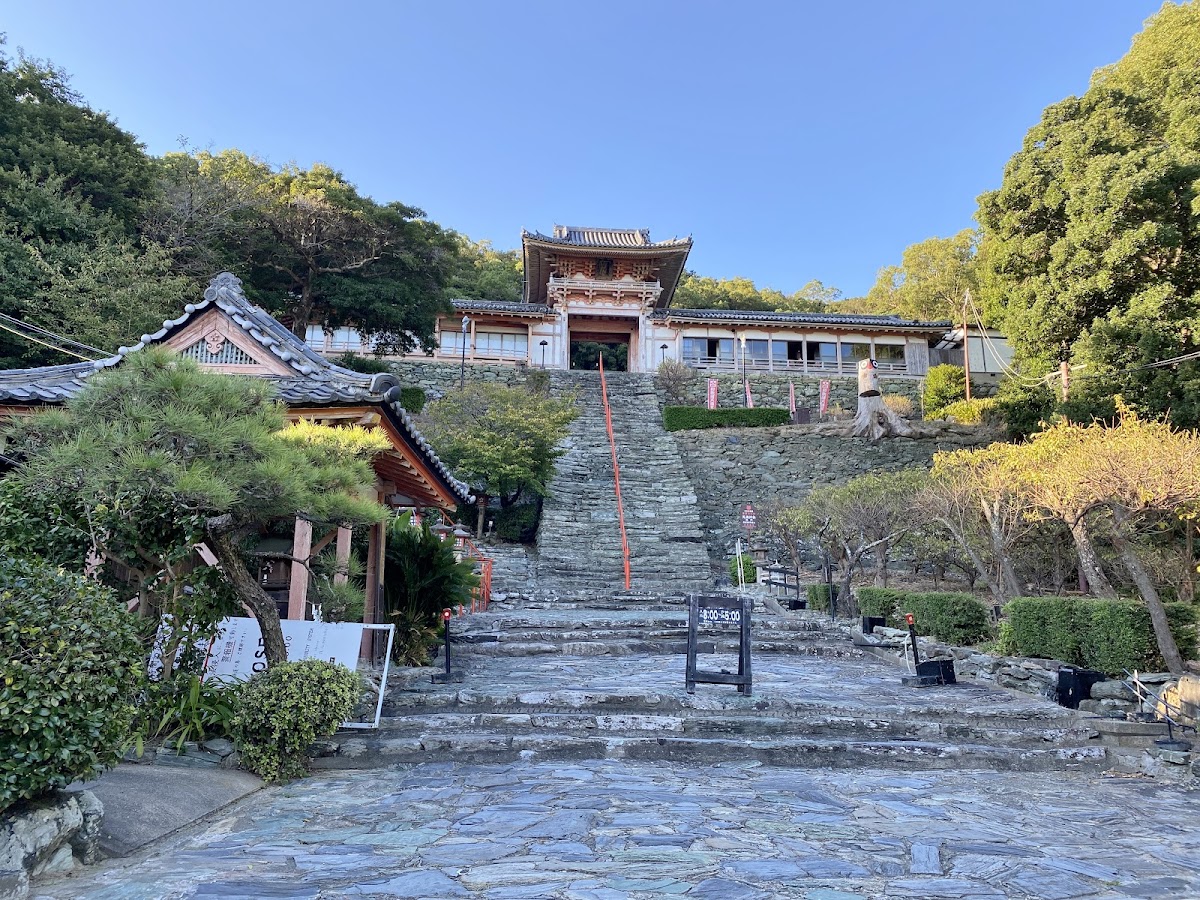
A Chumon (middle gate) is a gate located in front of the main hall or sanctuary within the grounds of a shrine or temple. It serves as a boundary separating the outside world from the sacred area, and occupies an important position in Japanese religious architecture.
Basic Role of the Chumon
Boundary Between the Sacred and the Secular World
The Chumon is located between the main gate (Sōmon or Sanmon) and the main hall/sanctuary, functioning as an entrance to a more sacred space. By passing through this gate, worshippers gradually approach the realm of gods and Buddhas from the everyday world.
Architectural Characteristics
Many middle gates (Chumon) have the following characteristics:
- Two-story structure: Many are in the style of a two-story gatehouse, and sometimes Buddhist or Shinto statues are enshrined on the upper level.
- Corridors on both sides: Corridors extend from the middle gate to the east and west, surrounding the main hall or sanctuary.
- Decorative features: Many boast architectural beauty, adorned with carvings and coloring.
Examples of Famous Middle Gates
Horyu-ji Temple Middle Gate (Nara Prefecture)
A national treasure that preserves the architectural style of the Asuka period, and part of the world’s oldest wooden building complex. It has a rare structure called a “central pillar,” with a central pillar, and Kongo Rikishi statues are enshrined on either side.
Todai-ji Temple Middle Gate (Nara Prefecture)
Functioning as the entrance to the Great Buddha Hall, it was rebuilt during the Edo period. It welcomes visitors with its magnificent scale.
Kasuga Taisha Shrine’s Middle Gate (Nara Prefecture)
This beautiful vermilion-painted gate exudes a solemn atmosphere, serving as the final gateway to the main shrine.
Points and Etiquette for Visiting the Temple
Basic Manners When Passing Through the Middle Gate
- Bow Before Passing: Bow lightly before the gate and compose yourself before passing through.
- Avoid the Center: The center is considered the path of gods and Buddhas, so walk to either the left or right side.
- Walk Quietly: Be mindful of entering a sacred area and proceed with a calm gait.
Precautions for Photography
The Middle Gate is a popular photo spot due to its architectural value, but please note the following:
- Always obey any signs prohibiting photography.
- Take photos from a position that does not obstruct other visitors.
- Refrain from using flash photography from the perspective of cultural property preservation.
Flow of Visiting the Temple
The general flow of visiting the temple, including the Middle Gate, is as follows:
- Bow at the main gate/mountain gate.
- Purify yourself at the water basin.
- Bow at the Middle Gate and pass through.
- Visit the main hall/main hall.
- Bow at the Middle Gate on your way back.
Benefits of Passing Through the Middle Gate
Protection Against Evil and Misfortune
The middle gate often features guardian deities such as Nio statues and Komainu (guardian lion-dogs), which serve to ward off evil spirits and protect worshippers. Passing through the gate is believed to cleanse oneself of misfortune and allow one to face the gods and Buddhas with a pure heart.
Purification of the Mind
By consciously passing through the middle gate, the boundary between the secular world and the sacred realm, one can shake off daily worries and distractions, and expect a mental reset.
Good Fortune and Prosperity
It is believed that passing through the formal entrance to the sacred space with the correct etiquette deepens one’s connection with the gods and Buddhas, leading to good fortune and prosperity.
Access and Visiting Information
How to Get to the Main Gates
Horyuji Temple (Nara Prefecture)
- Approximately 8 minutes by bus from JR Horyuji Station, get off at “Horyuji-monzen” bus stop
- Visiting Hours: 8:00-17:00 (Varies depending on the season)
- Admission Fee: 1,500 yen (General)
Todaiji Temple (Nara Prefecture)
- Approximately 20 minutes on foot from Kintetsu Nara Station, or get off at “Daibutsu-den Kasuga Taisha-mae” bus stop on the city loop bus
- Visiting Hours: 7:30-17:30 (Varies depending on the season)
- Entrance Fee to the Great Buddha Hall: 600 yen (General)
Kasuga Taisha Shrine (Nara Prefecture)
- Immediately accessible from “Kasuga Taisha Honden” bus stop on the city loop bus from Kintetsu Nara Station
- Visiting Hours: 6:30-17:30 (Varies depending on the season)
- Main Hall Admission Fee: 500 yen
Best Time to Visit
- Spring (March-May): Beautiful cherry blossoms and fresh greenery, and mild weather.
- Autumn (September-November): Autumn leaves adorn the main gate, making it ideal for photography.
- Early Morning: Fewer tourists, allowing for peaceful worship.
Summary
The main gate is not merely a passageway, but an important religious and architectural element in shrines and temples. Understanding its history and significance, and passing through it with proper etiquette, will lead to a deeper worship experience. Next time you visit a shrine or temple, be sure to pay attention to the main gate.