Misaki Shrine (Kofu City, Yamanashi Prefecture) Complete Guide | Visiting the Five Kofu Shrines Associated with the Takeda Clan
Misaki Shrine, located in Kofu City, Yamanashi Prefecture, is a historic shrine revered by the Takeda clan, a powerful samurai family during the Sengoku period. It is one of the five Kofu shrines and has a history dating back to its construction within the third enclosure of the Tsutsujigasaki Castle built by Takeda Nobutora.
This article comprehensively covers everything you need to know before visiting Misaki Shrine, from its historical background and highlights to access information and surrounding tourist attractions.
History and Origins of Misaki Shrine
Deep Connection with the Takeda Clan
The origins of Misaki Shrine can be traced back to the time when the Takeda clan, a branch of the Kai Minamoto clan, established their residence in Isawa. Initially, the Takeda clan enshrined Misaki Shrine as their guardian deity within their residence.
The turning point came in Eisho 16 (1519). When Lord Takeda Nobutora moved his residence from Isawa to Tsutsujigasaki and built a new castle, he erected a shrine within the third enclosure and relocated the Misaki Shrine. Since then, the Misaki Shrine has been revered by successive generations of the Takeda family, playing a role as a guardian deity of Kai Province.
Positioning as one of the Five Kofu Shrines
Misaki Shrine is counted as one of the “Five Kofu Shrines.” The Five Kofu Shrines is a collective term for five shrines considered particularly important in the Kofu castle town, and have functioned as a spiritual pillar of the region. From the Takeda era through the Edo period to the present day, it has continued to attract the faith of local residents.
Changes since the Meiji Era
Under the Meiji era’s shrine ranking system, it was designated a village shrine, officially recognized as a local shrine. Through the post-war shrine system reforms, it has continued to be protected as a spiritual anchor for the citizens of Kofu.
Deities and Divine Virtues
Let’s take a closer look at the deities enshrined at Misaki Shrine and their divine virtues.
Main Deity
The main deity of Misaki Shrine is known as the god of safe voyages, traffic safety, and business prosperity. Because the Takeda clan revered this deity as their guardian, it is also believed to grant blessings for long-lasting military fortune and family prosperity.
Benefits Seen Through Worship
- Family Safety and Prosperity: Many worshippers pray for the prosperity of their families, as the Takeda family revered this deity for generations.
- Business Prosperity: As the guardian deity of local commerce.
- Traffic Safety: Car blessings are also performed here today.
- Protection from Misfortune and Good Fortune: Many worshippers visit at important turning points in their lives.
Highlights of the Shrine Grounds
Magnificent Shrine Gate (Romon)
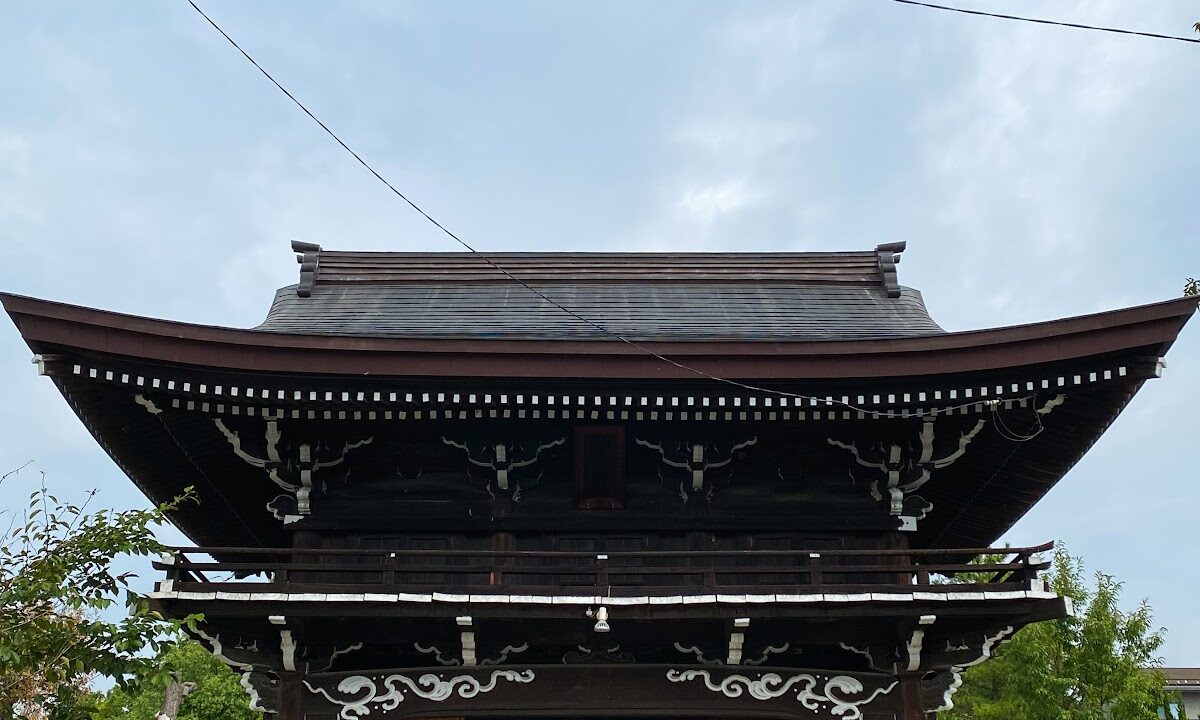
A magnificent shrine gate (Romon) stands on the south side of the entrance to the shrine grounds. This gatehouse is a symbolic landmark of Misaki Shrine, its imposing structure welcoming visitors. The gate, with its vermilion-painted pillars and intricate carvings, is a popular photo spot.
Main Hall and Worship Hall
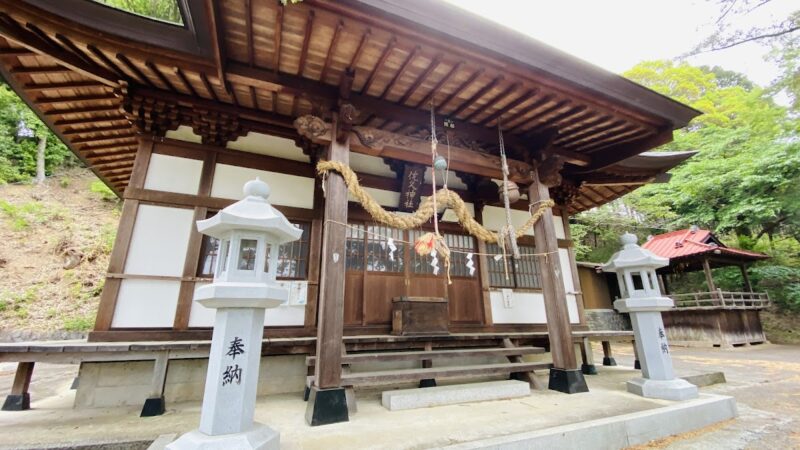
Passing through the gatehouse, you’ll find the worship hall directly ahead, with the main hall beyond. The main hall is built in a traditional shrine architectural style, preserving the atmosphere of the Takeda clan era. It offers a tranquil space for worship.
Subsidiary Shrines and Stone Monuments
Several subsidiary shrines are enshrined within the grounds, each with its own history. Stone monuments telling the history of Misaki Shrine have also been erected, making them a must-see for history buffs.
Adjacent Fukuju Zen-in Temple
To the east of Misaki Shrine is Fukuju Zen-in Temple, where you can feel the remnants of the syncretism of Shinto and Buddhism. If you have time, visiting both is recommended.
Goshuin (Shrine Seal) Information
About the Issuance of Goshuin
Misaki Shrine offers Goshuin. It will be a valuable memento of your visit and a precious keepsake for those collecting Goshuin.
Goshuin Issuance Hours: Generally during daytime visiting hours (please inquire directly for details)
Offering Fee: Typical market price (around 300-500 yen)
*Please note that Goshuin may not be available when the shrine priest is absent. If you wish to be sure of receiving a Goshuin, it is recommended to check in advance.
Access and Visiting Information
Basic Information
Location: 2-10-34 Misaki, Kofu City, Yamanashi Prefecture 400-0032
Visiting Hours: Grounds are freely accessible (shrine office has limited hours)
Admission Fee: Free
Access by Train
Approximately 12 minutes on foot (approx. 950m) from the North Exit of JR Kofu Station. Walking from Kofu Station through the city center is one way to enjoy your visit.
Walking the paths from Kofu Station North Exit: From the north exit of Kofu Station, you can reach Misaki Shrine by walking along paths that offer a glimpse into the historic townscape. Along the way, you’ll find tourist attractions such as Koshu Yume Koji, allowing you to enjoy a stroll while visiting the shrine.
Access by Bus
Nearest bus stop: “National Hospital” bus stop (approx. 2-minute walk, approx. 110m)
If using a local bus from Kofu Station, take a bus bound for National Hospital and get off at the National Hospital bus stop.
Access by Car
Approximately 15 minutes from the Chuo Expressway Kofu-Showa Interchange
Parking: There may be parking spaces on the shrine grounds or nearby, but it is recommended to check details in advance. There are also coin-operated parking lots in the surrounding area.
Landmarks
- South of Kofu Hospital (National Hospital Organization Kofu Hospital)
- West of Fukuju Zen-in Temple
- Northern area of Kofu city center
Nearby Tourist Attractions
When visiting Misaki Shrine, we recommend also visiting nearby tourist attractions.
Koshu Yume Koji
A tourist facility located right outside the north exit of Kofu Station, this retro space recreates the streetscape of Kofu during the Meiji, Taisho, and Showa periods. It features wine shops, cafes, and general stores, allowing visitors to enjoy Yamanashi’s local specialties. It’s within walking distance of Misaki Shrine and is also known as a place associated with Osamu Dazai.
Takeda Shrine (Tsutsujigasaki Mansion Site)
This shrine stands on the site of Tsutsujigasaki Mansion, the residence of three generations of the Takeda clan: Nobutora, Shingen, and Katsuyori. Visiting the location where Misaki Shrine once stood within the third enclosure will provide a deeper understanding of the Takeda clan’s history. It’s approximately a 10-minute bus ride from Kofu Station.
Kofu Castle Ruins (Maizuru Castle Park)
This park preserves the remains of Kofu Castle from the Edo period, allowing visitors to see the stone walls and reconstructed turrets. It’s easily accessible, about a 5-minute walk from Kofu Station.
Yamanashi Prefectural Museum of Art
A museum famous for its Millet collection. It’s about a 15-minute bus ride from Kofu Station.
Annual Events and Festivals
Misaki Shrine holds various festivals and religious ceremonies throughout the year.
Annual Grand Festival
The annual grand festival is held at a fixed time each year, with local residents in attendance. Processions of portable shrines and dedication ceremonies may also take place.
New Year’s Visit
Many worshippers visit the shrine for their first shrine visit of the new year. It’s also one of the five shrines visited in Kofu, and many people visit multiple shrines as part of the Kofu Five Shrines Pilgrimage.
Other Events
- Setsubun Festival
- Shichi-Go-San Ceremony
- Summer Purification Ceremony
- Year-End Purification Ceremony
Seasonal Shinto rituals are held here.
Relationship with Osamu Dazai
It is known that the renowned author Osamu Dazai lived near Misaki Shrine during his stay in Kofu. It is said that he would take walks around the shrine between writing sessions, making it an interesting spot for literature fans.
Visiting Misaki Shrine while following the path Osamu Dazai walked is also a popular way to enjoy the area, and it is a popular route for literary walks.
Manners and Points for Visiting a Shrine
Basic Worship Etiquette
- Bow before passing through the torii gate: This is a courtesy when entering the sacred area.
- Purify yourself at the water basin: Purify your left hand, right hand, and mouth in that order.
- Worship: Two bows, two claps, one bow: Follow the general etiquette of a Shinto shrine.
- Worship quietly: Consideration for other worshippers is important.
Photography
Photography is generally permitted on the shrine grounds, but common sense consideration is required, such as refraining from taking photos inside the main hall or during Shinto rituals. The gate tower and the scenery of the grounds are beautiful photo spots.
Clothing
There are no specific dress code regulations, but please dress appropriately and respectfully, as this is a sacred place like a shrine.
Recommendation for Visiting the Five Shrines of Kofu
Misaki Shrine is one of the Five Shrines of Kofu. If you have time, why not visit the other four shrines as well?
What are the Five Shrines of Kofu?
The Five Shrines of Kofu are a collective term for five shrines considered particularly important in the Kofu castle town (there are various theories regarding the specific composition of the five shrines). Each has its own unique history and divine virtues, and visiting all of them allows for a deeper understanding of Kofu’s history and culture.
Benefits of Visiting the Five Shrines
- You can systematically learn about Kofu’s history.
- They are scattered within walking or bus distance of each other.
- Each offers different blessings.
- You can enjoy collecting Goshuin (shrine stamps).
Seasonal Highlights
Spring (March-May)
During cherry blossom season, the surrounding street trees add color, making for a refreshing visit. The trees within the shrine grounds are also beautiful in the season of fresh greenery, and you can feel the refreshing air.
Summer (June-August)
This is the time when the Natsukoshi no Oharae (summer purification ritual) is held. The shade of the trees within the shrine grounds is cool, allowing you to spend a quiet time away from the hustle and bustle of the city.
Autumn (September – November)
During the autumn foliage season, the trees on the shrine grounds begin to change color. This is also the time of the annual festival, and you can feel the vibrancy of the local community.
Winter (December – February)
The shrine is bustling with many visitors during the New Year’s pilgrimage. The snow-covered grounds are also charming, allowing for a solemn and serene atmosphere during worship.
Points to Note When Visiting Misaki Shrine
Shrine Office Opening Hours
If you wish to receive a Goshuin (shrine stamp) or other items, it is recommended to check the shrine office’s opening hours in advance. There are times when priests are not always present.
Crowds on Festival Days
Crowds are expected during the annual festival and New Year’s pilgrimage. For those who wish to worship at a leisurely pace, weekdays or early mornings are recommended.
Road Conditions in the Surrounding Area
Because the shrine is located in the city center of Kofu, some surrounding roads are one-way or narrow. If you are visiting by car, it is advisable to check a map beforehand.
Summary: Misaki Shrine, a place that conveys the history of the Takeda clan to the present day
Misaki Shrine in Kofu City, Yamanashi Prefecture, is a historic shrine that was built when Takeda Nobutora constructed Tsutsujigasaki Mansion and has been revered by successive generations of the Takeda family. As one of the five major shrines of Kofu, it has a history of functioning as a spiritual pillar of the region.
With its convenient location within walking distance of Kofu Station, its magnificent gate, tranquil grounds, and historical connections to the Takeda clan and Osamu Dazai, it is a shrine with many attractions.
When visiting Kofu, be sure to visit Misaki Shrine and feel the breath of history that has continued since the Sengoku period. Combining it with a visit to the nearby Koshu Yume Koji and Takeda Shrine will allow you to enjoy a more fulfilling Kofu sightseeing experience.
Spending time praying in the quiet grounds and reflecting on the view of Kofu seen by the Takeda clan will be a precious experience that will allow you to forget the hustle and bustle of everyday life.