Mitsushuji Temple (Sapporo, Hokkaido) Complete Guide | Goshuin (Temple Seal), Access, History, and Pilgrimage Information
Located in Chuo-ku, Sapporo, Mitsushuji Temple is a Shingon Buddhist temple belonging to the Kokubunji branch of the Shingon sect. As the 67th and 73rd temples of the Hokkaido 88 Sacred Sites Pilgrimage, it attracts fervent devotion from pilgrims throughout Hokkaido. This article comprehensively introduces all the information visitors should know, from the history of Mitsushuji Temple, its principal image, visiting information, goshuin (temple seal), and access methods.
Overview and Basic Information of Mitsushuji Temple
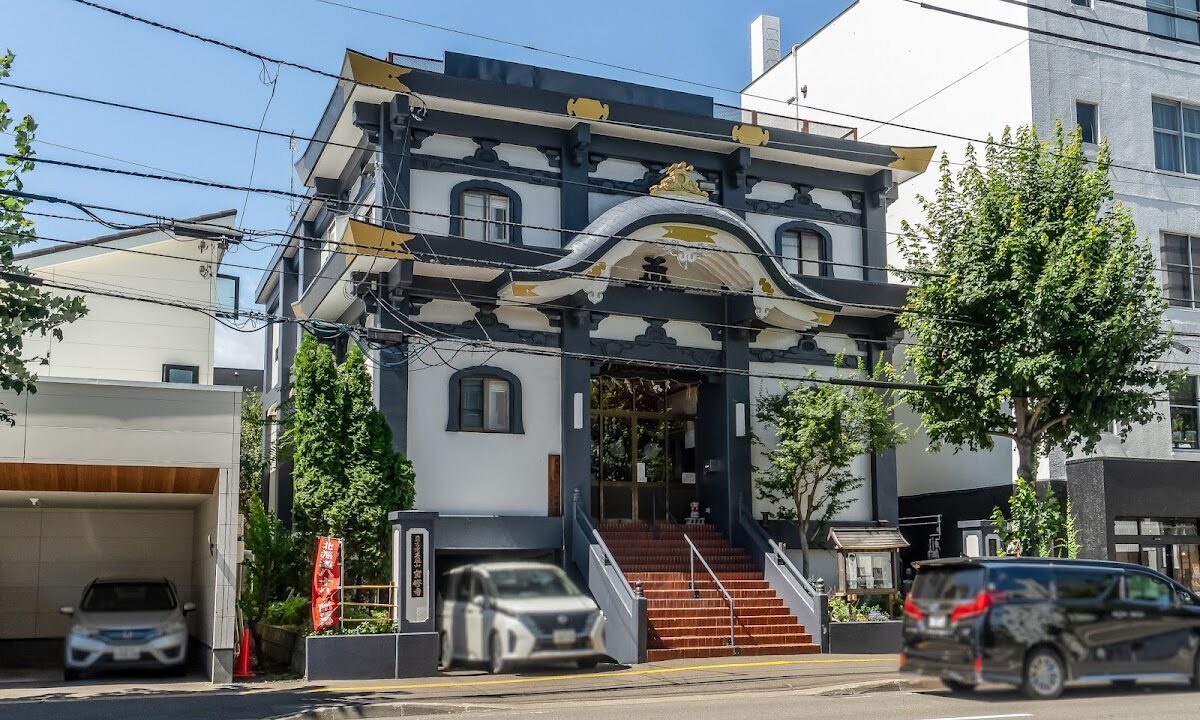
Mitsushuji Temple is officially called “Bodaisan Mitsushuji” and is a Shingon Buddhist temple of the Kokubunji branch, located in Miyanomori, Chuo-ku, Sapporo.
Basic Data
- Official Name: Bodaisan Mitsushuji Temple
- Sect: Shingon-shu Kokubunji School
- Principal Deity: Dainichi Nyorai (Vairocana Buddha)
- Pilgrimage Site: Hokkaido Eighty-Eight Sacred Sites, Site No. 67 and Site No. 73
- Location: Miyanomori, Chuo-ku, Sapporo City, Hokkaido
- Nearest Station: JR Soen Station, Subway Nishi 28-chome Station
The temple name Mitsushuji Temple carries the profound meaning of “a training ground for esoteric Buddhism aimed at approaching the state of enlightenment (bodhicitta).” Esoteric Buddhism is the fundamental teaching of Shingon Buddhism, and this temple was established as a place to practice the doctrine of attaining Buddhahood in this lifetime, centered on Dainichi Nyorai.
History and Founding of Mitsushuji Temple
The First Chief Priest and Background of the Temple’s Founding
The founding of Mitsushuji Temple is deeply intertwined with the profound faith of its first chief priest, Reverend Hirotsugu Okumura. As a young girl, Reverend Okumura suffered a serious illness, and her deep devotion to Kannon worship in an attempt to heal her illness became the origin of this temple’s establishment.
Having experienced a complete recovery from her illness through fervent faith in and prayer to Kannon Bodhisattva, Reverend Okumura decided to enter the Buddhist path and dedicate herself to the practice of Shingon Esoteric Buddhism. This personal experience later led to the founding of a temple that would transmit Buddhist teachings to many people and provide them with peace of mind.
Temple Establishment in 1984
In 1984 (Showa 59), Mitsushuji Temple was officially established at its current location in Miyanomori, Chuo-ku, Sapporo City. At this time, Dainichi Nyorai was enshrined as the principal image, establishing a place of worship centered on the fundamental Buddha of Shingon Esoteric Buddhism.
In Shingon Buddhism, Dainichi Nyorai embodies the very truth of the universe and is considered the source of all Buddhas. At Mitsushuji Temple, practices and faith based on the teachings of Esoteric Buddhism are centered around Dainichi Nyorai.
The Role of Esoteric Buddhist Temples in Hokkaido
Hokkaido is a region where full-fledged Buddhist temples were established after the Meiji era’s development, and compared to Honshu, the history of many temples is relatively recent. However, Shingon Buddhist temples like Mitsushuji Temple have played a crucial role in rooting the ancient traditions of Esoteric Buddhism in the northern land.
In particular, the Kokubunji branch of Shingon Buddhism has inherited the teachings of Kobo Daishi Kukai while developing faith activities rooted in the local community. Mitsushuji Temple, too, functions as a center for transmitting the teachings of Esoteric Buddhism to the modern age in the urban area of Sapporo.
Characteristics of the Principal Deity and Faith
About Dainichi Nyorai
The principal deity of Mitsushuji Temple, Dainichi Nyorai, is called Mahavairocana in Sanskrit, meaning “Great Light.” In Shingon Esoteric Buddhism, Dainichi Nyorai is the fundamental Buddha who embodies the truth of the universe itself and is considered the source of all existence.
The faith in Dainichi Nyorai is not merely about prayer or the fulfillment of wishes, but is linked to practical training aimed at cultivating one’s inner Buddha-nature and achieving instantaneous Buddhahood (becoming a Buddha in this very body). As the temple name Mitsushuji suggests, this temple has the character of a training ground for Esoteric Buddhism.
Inheritance of Kannon Faith
Due to the deep devotion of the first head priest, Reverend Hirotsugu Okumura, to Kannon faith, Mitsushuji Temple, while centering on Dainichi Nyorai, also cherishes the faith in Kannon Bodhisattva. Kannon Bodhisattva is widely worshipped as a symbol of compassion, a bodhisattva who relieves the suffering of all beings and grants their wishes.
Kannon worship, which addresses people’s everyday wishes such as recovery from illness, peace of mind and body, and safety of the family, forms the foundation of the faith at Mitsushu-ji Temple, and many worshippers visit to offer prayers to Kannon.
Hokkaido Eighty-Eight Sacred Sites and Mitsushu-ji Temple
What is the Hokkaido Eighty-Eight Sacred Sites?
The Hokkaido Eighty-Eight Sacred Sites are a pilgrimage route established in Hokkaido, modeled after the Shikoku Eighty-Eight Sacred Sites. Based on the faith in Kobo Daishi Kukai, it is composed mainly of Shingon Buddhist temples throughout Hokkaido.
Mitsushu-ji Temple is a special temple within the Hokkaido Eighty-Eight Sacred Sites, holding two numbers: the 67th and the 73rd temple. It is rare for a single temple to have multiple pilgrimage site numbers, indicating the significant position Mitsushu-ji Temple holds within the sacred site.
Significance as a Pilgrimage Site
Pilgrimage to the sacred sites is not merely sightseeing, but is positioned as an integral part of Buddhist practice. The number 88 is said to represent the 88 worldly desires that humans possess, and by visiting each temple, the aim is to eliminate these desires one by one and attain inner purity.
Pilgrims visiting Mitsushu-ji Temple can receive a temple stamp and have time to quietly reflect on themselves in the solemn atmosphere unique to a Shingon Buddhist temple. Despite being located in the urban area of Sapporo, Mitsushu-ji Temple continues to function as a place for spiritual training.
Methods of Pilgrimage
There are various ways to perform the pilgrimage to the 88 sacred sites of Hokkaido, including “jun-uchi” (going in order), “gyaku-uchi” (going in reverse order), and “random uchi” (starting from anywhere). Mitsushuji Temple is located within Sapporo City, making it a popular pilgrimage site for many pilgrims visiting the central Hokkaido area.
Traditionally, pilgrims wear formal attire such as white robes, straw hats, and walking sticks, but nowadays, visiting in everyday clothes is widely accepted. What is important is not formality, but heartfelt faith and a sincere attitude toward walking the Buddhist path.
Mitsushuji Temple’s Goshuin (Temple Seal) Information
Types and Characteristics of Goshuin
Mitsushuji Temple offers goshuin to visitors. Goshuin are not merely commemorative stamps, but important items that serve as proof of worship and forge a connection with Buddha.
Mitsushuji Temple offers two types of goshuin: one for regular visitors and another for pilgrims of the Hokkaido Eighty-Eight Sacred Sites Pilgrimage. The goshuin for pilgrims of the sacred sites includes the pilgrimage site number, either “No. 67” or “No. 73,” and is recorded in a special pilgrimage notebook. ### Etiquette for Receiving a Goshuin (Temple/Shrine Seal)
When receiving a Goshuin, it is important to observe the following etiquette:
- Complete your visit first: A Goshuin is proof of your visit, so always visit the main hall before going to the Goshuin office.
- Prepare a Goshuincho (Shrine/Temple Seal Book): Prepare a dedicated Goshuincho. It is preferable to use a Goshuincho specifically for temples and shrines, rather than a stamp book or notebook.
- Prepare the offering: Having the offering for the Goshuin (generally around 300-500 yen) ready in small change will make the process smoother.
- Use polite language: Ask politely, “May I receive a Goshuin?”
- Wait quietly while the Goshuin is being written: While the Goshuin is being written, refrain from talking and wait quietly.
About Collecting Goshuincho (Temple Stamp Books)
In recent years, collecting Goshuin (temple stamps) has become popular, but it is important to remember the original meaning of visiting a temple. When visiting Mitsushuji Temple, we recommend visiting not merely as a collection, but as an opportunity to connect with the teachings of Esoteric Buddhism and to calm your mind.
How to Access Mitsushuji Temple
Access by Public Transportation
Mitsushuji Temple is located in Miyanomori, Chuo-ku, Sapporo City, and is accessible by public transportation.
Access from JR Soen Station
- Approximately 15-20 minutes on foot from JR Hakodate Main Line Soen Station
- Soen Station is just one stop from Sapporo Station, making it easily accessible.
Access by Subway
- Approximately 15 minutes on foot from Sapporo Municipal Subway Tozai Line “Nishi 28-chome Station”
- Alternatively, you can take a bus from “Maruyama Park Station”.
Access by Bus
- Take a Sapporo Municipal Bus and get off at “Miyanomori” or a nearby bus stop.
- A few minutes’ walk from the bus stop.
Access by Car
If visiting by car, the following route is convenient:
- Approximately 10-15 minutes from central Sapporo via National Route 5 (Ishiyama-dori)
- The Miyanomori area is a quiet residential area, so please drive carefully and pay attention to your speed.
- We recommend checking with the temple in advance regarding parking availability.
Nearby Attractions
The following tourist spots are located near Mitsushuji Temple:
Maruyama Park
- A representative park of Sapporo, also known as a famous cherry blossom viewing spot.
- Within walking distance of Mitsushuji Temple, allowing you to enjoy a stroll before or after your visit.
Hokkaido Shrine
- The main shrine of Hokkaido, adjacent to Maruyama Park.
- Many people visit both Mitsushuji Temple and Hokkaido Shrine.
Miyanomori Area
- A quiet, upscale residential area, known for its tranquil atmosphere.
- Cafes and restaurants are scattered throughout the area.
Points to Note When Visiting and How to Spend Your Time at the Temple
Etiquette for Visiting
The basic etiquette for visiting Mitsushuji Temple is as follows:
- Bow at the Temple Gate: Before entering the temple grounds, bow at the temple gate.
- Purify at the Water Basin: If there is a water basin, purify your hands and mouth.
- Visit the Main Hall: Join your hands in prayer in front of the main hall and offer your heartfelt prayers. In Shingon Buddhism, it is common to chant “Namu Daishi Henjo Kongo.”
- Quietly stroll around the temple grounds: Spend time quietly, soaking up the atmosphere of the temple grounds.
- Bow upon departure: When leaving the temple grounds, bow at the main gate before exiting.
Atmosphere unique to Esoteric Buddhist temples
As Mitsushu-ji Temple is an Esoteric Buddhist temple, mandalas and Esoteric Buddhist ritual implements may be found inside the main hall. Spending time quietly in the solemn atmosphere that expresses the worldview of Esoteric Buddhism will be a valuable experience, far removed from the hustle and bustle of everyday life.
Events and Ceremonies
Mitsushu-ji Temple holds various ceremonies and events throughout the year. The main events include the following:
- New Year’s Day First Visit: Many worshippers visit to pray for the new year.
- Spring and Autumn Equinox Memorial Services: Memorial services for ancestors are held.
- Obon Memorial Service: A memorial service for hungry ghosts is held during the summer Obon festival.
- Kobo Daishi Memorial Service: The 21st of every month is the memorial day for Kobo Daishi.
For specific dates and details, it is recommended to inquire with the temple in advance.
Mitsushuji Temple and Sapporo’s Buddhist Culture
Temple Environment in Sapporo
Sapporo is the political, economic, and cultural center of Hokkaido, and has many temples. However, compared to the ancient capitals of Honshu, the history of temples is relatively short, with many being built during the pioneering period after the Meiji Restoration.
Among them, esoteric Buddhist temples like Mitsushuji Temple play an important role in transmitting the ancient Buddhist traditions to the present day. In Sapporo, a city undergoing rapid urbanization, the continued provision of a tranquil place of worship holds great significance for the local community.
About the Kokubunji Branch of Shingon Buddhism
The Kokubunji Branch of Shingon Buddhism, to which Mitsushuji Temple belongs, is a branch of Shingon Buddhism that inherits the teachings of Kobo Daishi Kukai. The Kokubunji Branch is a sect that carries on the traditions of Kokubunji temples throughout Japan while developing activities rooted in the local community.
A key characteristic of Shingon Esoteric Buddhism is the teaching of attaining Buddhahood in this very body. This is a groundbreaking doctrine that states one can become a Buddha in this very body, rather than attaining Buddhahood in the next life after long periods of training. At Mitsushuji Temple, faith and practice based on this teaching are put into practice.
Cemetery and Burial Ground Information
Cemeteries and Burial Grounds Around Mitsushuji Temple
Several cemeteries and burial grounds exist around Mitsushuji Temple. We introduce information that may be helpful for those looking for a burial plot in Sapporo.
Maruyama Cemetery
- A historic Sapporo municipal cemetery, adjacent to Maruyama Park.
- Relatively close to Mitsushuji Temple.
- Enjoy a beautiful natural environment, especially during cherry blossom season.
Hokkaiji Temple “Jakkoden”
- A columbarium-style facility, allowing for indoor worship.
- Offers the advantage of being able to visit regardless of the weather.
Horinkaku
- Known as a modern columbarium.
- Characterized by its easy access and well-maintained environment.
Consultations Regarding Graves
Mitsushuji Temple may also accept consultations regarding the danka system and cemeteries. For consultations regarding Buddhist rituals such as grave construction, perpetual memorial services, and memorial services, please contact the temple directly.
As a Shingon Buddhist temple, you can receive respectful memorial services in accordance with the practices of Esoteric Buddhism.
Recommendation for Visiting Mitsushuji Temple
The Significance of Temple Visits for Modern People
Modern society is an information-overloaded and stressful environment. In such circumstances, visiting a temple and taking time for quiet self-reflection is extremely important for mental well-being.
Esoteric Buddhist temples like Mitsushu-ji are particularly suitable as places for meditation and introspection. Sitting quietly before the Dainichi Nyorai (Vairocana Buddha), regulating your breathing, and calming your mind will allow you to experience a deep sense of peace rarely found in daily life.
The Charm of Pilgrimage
The pilgrimage to the 88 sacred sites of Hokkaido is a precious opportunity to embark on a spiritual journey while experiencing Hokkaido’s rich nature and history. Mitsushu-ji is located within Sapporo City, making it easily accessible even for those living in urban areas.
Taking time to confront oneself and contemplate the meaning of life through pilgrimage may be an experience particularly necessary for modern people.
Advice for First-Time Visitors
First-time visitors to Mitsushu-ji should keep the following points in mind:
- Attire: Clean, understated clothing is preferable. While there are no strict rules, please dress appropriately for a temple.
- Time of Visit: The best time to visit is from morning to early afternoon. The temple may be closed in the evening, so it’s a good idea to check beforehand.
- Manners: Please be quiet on the temple grounds and be considerate of other visitors. Photography is only permitted in designated areas.
- Offerings: When visiting, please offer a small donation. There is no set amount, but it is meant to express gratitude.
The Future of Mitsushuji Temple and its Role in the Community
As a Temple Open to the Community
Modern temples are expected to serve not only as places of worship but also as community centers. Mitsushuji Temple is also expected to fulfill its function as an open temple through interaction with local residents and activities to promote Buddhist culture.
Inheritance of Esoteric Buddhism Culture
Shingon Esoteric Buddhism is an important cultural heritage of Japan with a history of over 1200 years. The fact that temples like Mitsushuji Temple are passing on this precious culture to future generations is of great significance to Japanese culture as a whole.
Especially in Hokkaido, a region with a relatively short history of Buddhist culture, preserving and transmitting the traditions of Esoteric Buddhism plays a crucial role in maintaining cultural diversity.
Message to Visitors
Mitsushuji Temple began with the first head priest’s wish for recovery from illness. At its core lies a compassionate heart, a desire to empathize with human suffering and extend a helping hand.
We, living in modern times, also carry various worries and sufferings. We hope that by visiting Mitsushuji Temple, you can lighten some of these burdens and gain the strength to live positively.
Summary
Mitsushuji Temple is a Shingon sect Kokubunji school temple located in Miyanomori, Chuo-ku, Sapporo City. It is the 67th and 73rd temples of the Hokkaido Eighty-Eight Sacred Sites Pilgrimage, and is beloved by many pilgrims and visitors.
Founded in 1984 with Dainichi Nyorai as its principal deity, Mitsushuji Temple, originating from the first head priest’s devotion to Kannon (Goddess of Mercy), continues to uphold the traditions of Esoteric Buddhism, operating under the philosophy of being a “training ground for Esoteric Buddhism aimed at approaching enlightenment.”
Despite its urban location, Mitsushuji Temple offers a tranquil place of worship, a precious space to escape the hustle and bustle of everyday life and find peace of mind. It warmly welcomes a diverse range of people, including pilgrims seeking temple stamps, visitors seeking inner peace, and those interested in Buddhist culture.
Conveniently located near JR Soen Station and Nishi 28-chome Subway Station, it can be easily visited in conjunction with nearby tourist attractions such as Maruyama Park and Hokkaido Shrine.
A visit to Mitsushuji Temple offers an opportunity to experience a part of Hokkaido’s Esoteric Buddhist culture and reflect on oneself. Whether you aspire to a pilgrimage or simply seek inner peace in your daily life, we encourage you to visit Mitsushuji Temple.