Complete Guide to Miyama Shrine (Hirauchi-cho, Higashitsugaru-gun, Aomori Prefecture)
Miyama Shrine, located in Hirauchi-cho, Higashitsugaru-gun, Aomori Prefecture, is a shrine with a long history as a center of local faith. The shrine grounds, surrounded by tranquil nature, offer peace and solace to visitors. This article provides a detailed introduction to Miyama Shrine, including its history, enshrined deities, blessings, highlights of the grounds, and access information.
Basic Information on Miyama Shrine
Miyama Shrine is located in Hirauchi-cho, Higashitsugaru-gun, Aomori Prefecture, and has been cherished by local residents for centuries. Hirauchi-cho is a town rich in nature, facing Mutsu Bay, and is also known for its scallop farming. Miyama Shrine is a place of worship that has been passed down through generations, serving as a spiritual anchor for this region.
Location and Basic Data
- Location: Hiranai-machi, Higashitsugaru-gun, Aomori Prefecture
- Shrine Rank: Village Shrine
- Founding: Details below
- Main Deity: Guardian deity of the region
History of Miyama Shrine
The history of Miyama Shrine’s founding is based on old local records and oral traditions. Shrines in Aomori Prefecture have long been deeply connected to mountain worship and nature worship, and Miyama Shrine is no exception.
Origin of Founding
As the name “Miyama” (meaning “deep mountain”) suggests, this shrine is thought to have been founded in a mountainous area or a place associated with mountain worship. Aomori Prefecture’s shrine culture has developed as Shinto while inheriting the tradition of nature worship from the Jomon period.
The area around Hiranai Town has been inhabited by people since ancient times. It is presumed that the shrine was built as a place to express gratitude for nature’s blessings and pray for bountiful harvests, abundant catches, and family safety, within a lifestyle centered on agriculture and fishing.
From the Edo Period to the Meiji Period
During the Edo period, in the villages surrounding Hiranai Town, which were under the control of the Tsugaru Domain, Miyama Shrine functioned as the guardian shrine of the villages. Villagers held various festivals throughout the year, such as the spring Kinensai (harvest festival) and the autumn Niinamesai (harvest festival), forming a community centered around the shrine.
With the arrival of the Meiji era, the separation of Shinto and Buddhism led to significant changes for shrines nationwide. Miyama Shrine was no exception, and during this period, its rank was determined, and it was positioned as a village shrine.
From the Modern to the Contemporary Era
Throughout the Showa era, Miyama Shrine continued to exist as a spiritual pillar of the region. Despite facing rural challenges such as depopulation and population decline, the shrine’s maintenance and management have continued thanks to the efforts of local residents and parishioners.
Even today, many worshippers visit the shrine for New Year’s prayers and the annual festival, and it plays a central role in the local community.
Deities and Blessings
The deities enshrined at Miyama Shrine have been revered as guardian deities of the region.
Main Deity
The main deity enshrined at Miyama Shrine is a god based on local traditions and the history of the shrine. Like many local shrines, the following deities may be enshrined here:
- Ōyamatsumi-no-kami: Known as the god of mountains, a central deity in mountain worship
- Ōmononushi-no-kami: God of land development and agriculture
- Ukanomitama-no-mikoto: God of abundant harvests
Benefits
The benefits you can expect at Miyama Shrine are as follows:
- Abundant Harvest: Prayers for a bountiful harvest in agricultural areas
- Family Safety: Health and peaceful living for the family
- Business Prosperity: Development of local industries and business success
- Protection from Mikage: Protection from disasters and illnesses
- Traffic Safety: Safe travel and safe journeys
- Maritime Safety: The blessings unique to Hirauchi Town, a town with a thriving fishing industry.
Highlights of the Shrine Grounds
The grounds of Miyama Shrine offer various points of interest that evoke a sense of history.
Shrine Buildings
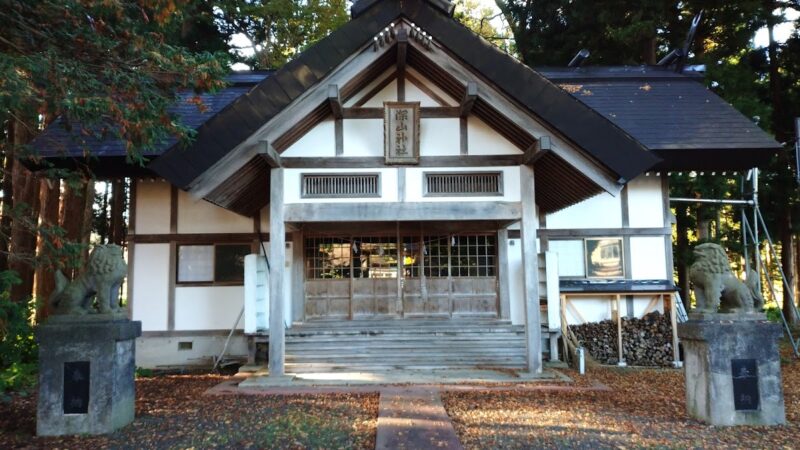
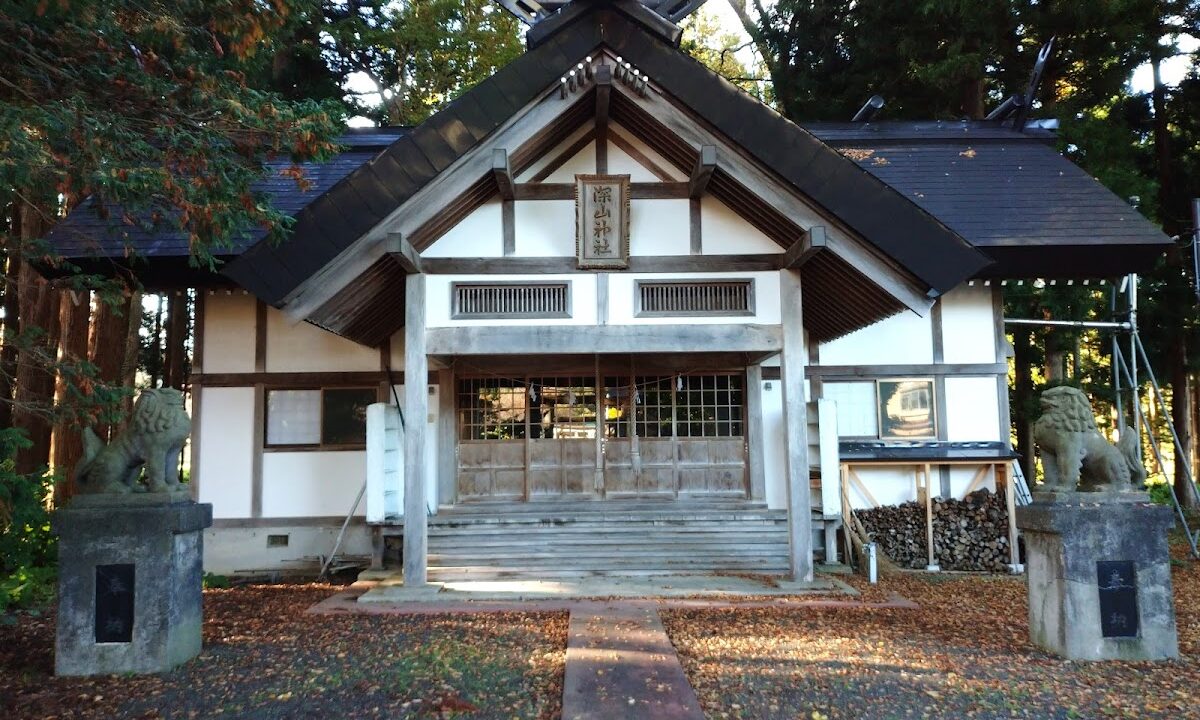
The main hall is built in the traditional style of shrine architecture, exuding a simple yet solemn atmosphere. In the worship hall, worshippers offer their daily gratitude and prayers.
Nature of the Shrine Grounds
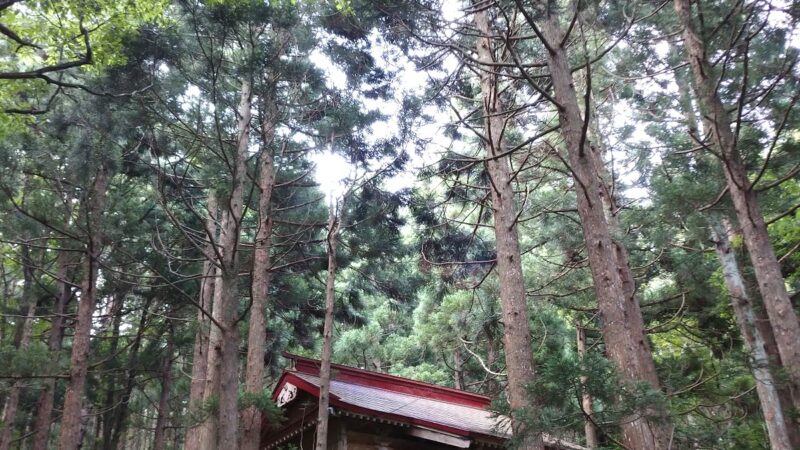
The grounds of Miyama Shrine are surrounded by abundant nature. You can enjoy the beautiful scenery of each season: cherry blossoms in spring, lush greenery in summer, autumn leaves in fall, and snowscapes in winter.
In particular, the large trees on the grounds are estimated to be several hundred years old, telling the story of the shrine’s long history. These trees are cherished as sacred trees and are also attracting attention as a power spot.
Stone Monuments and Memorials
The shrine grounds are dotted with stone monuments and memorials from various eras. These are valuable historical materials that convey the history of the shrine and events in the region.
Annual Events and Festivals
Miyama Shrine holds various festivals and events throughout the year.
Main Annual Events
- Hatsumode (January 1st-3rd): Prayers for safety and prosperity in the new year
- Kinensai (Spring): A major spring festival praying for a bountiful harvest
- Reitaisai (Summer or Autumn): The shrine’s most important festival
- Niinamesai (November): A festival of gratitude for the harvest
- Oharai (June/December): A Shinto ritual to purify oneself of sins and impurities accumulated over the past six months
Characteristics of the Reitaisai
The Reitaisai sometimes features the presentation of local traditional culture, such as the procession of the portable shrine and the dedication of performing arts. It is an important opportunity for local residents to participate and reaffirm the unity of the community centered around the shrine.
Etiquette and Manners for Visiting a Shrine
This section outlines the basic etiquette for visiting Miyama Shrine.
Procedure for Visiting a Shrine
- Passing Through the Torii Gate: Bow before entering the shrine grounds.
- Purifying at the Water Basin: Purify your left hand, right hand, and mouth in that order.
- Proceeding to the Main Hall: Proceed quietly to the front of the main hall.
- Offering a Coin: Carefully place your offering in the offering box.
- Ringing the Bell: Ring the bell if one is present.
- Two Bows, Two Claps, One Bow: This is the basic bowing etiquette.
- Expressing Gratitude: Express gratitude not only for your wishes but also for your daily gratitude.
Attire for Visiting a Shrine
No special attire is required, but it is preferable to wear clean and understated clothing, as this is a sacred place.
Access Information
This section provides directions to Miyama Shrine.
Access by Car
Hirauchi Town is located on the east side of Aomori City, making it easily accessible by car.
- From central Aomori City: Approximately 30-40 minutes via National Route 4 and National Route 280
- From Aomori Airport: Approximately 50 minutes
- Parking: Parking available on the shrine grounds or nearby (please confirm)
Access by Public Transportation
- Nearest Station: Aoimori Railway “Kominato Station” or “Asamushi Onsen Station”
- Bus: Take a bus from Aomori City towards Hiranai Town
- Taxi: Taxis are also available from the nearest station
Nearby Tourist Attractions
When visiting Miyama Shrine, you can also enjoy Hiranai Town and surrounding tourist attractions:
- Asamushi Onsen: A representative hot spring resort of Aomori
- Yogoshiyama Forest Park: A park rich in nature
- Mutsu Bay: Beautiful coastline and fresh seafood
- Hotate Hiroba: A facility where you can enjoy Hiranai Town’s specialty scallops
History and Culture of Hiranai Town
Let’s take a closer look at Hiranai Town, where the Miyama Shrine is located.
Overview of Hiranai Town
Hiranai Town is located in Higashitsugaru District, Aomori Prefecture, and is a town of approximately 10,000 people facing Mutsu Bay. It is known as the “Scallop Town” due to its thriving scallop farming industry.
Regional Characteristics
- Fisheries: Scallop farming in Mutsu Bay is the main industry.
- Agriculture: Fruit cultivation, including apples.
- Nature: A rich natural environment surrounded by the sea and mountains.
- Hot Springs: Abundant tourist resources, including Asamushi Onsen.
Culture and Tradition
Hiranai Town is dotted with shrines and temples, including the Miyama Shrine, and its traditional culture is passed down through generations. While belonging to the Tsugaru cultural sphere, it possesses its own unique regional characteristics.
The Charm of Miyama Shrine and Why Visiting is Recommended
The greatest charm of Miyama Shrine lies in its simple, warm atmosphere deeply rooted in the local community. Because it hasn’t been commercialized for tourism, you can experience the true essence of a shrine.
Recommended for the following people:
- Those who want to worship in peace: A tranquil space away from the hustle and bustle
- Those interested in local history: A place where you can feel the history of Hiranai Town
- Those who want to feel nature: Enjoy the beauty of nature in all four seasons
- Those who are visiting power spots: A place where you can feel sacred energy
Points to note when visiting
- Shrine office opening hours: Since staff may not always be present, please check in advance if you wish to receive a Goshuin (shrine stamp).
- Visiting in winter: Aomori Prefecture experiences heavy snowfall, so please be careful of your footing in winter.
- Insect repellent: Insect repellent spray is useful in summer.
- Consideration for the community: Please be considerate of noise, etc., if the shrine is near a residential area.
About Goshuin
For those who visit shrines, Goshuin are important mementos.
Availability of Goshuin (Shrine Seals)
It is recommended to check in advance whether Goshuin are available at Miyama Shrine. Smaller shrines may not have a resident priest.
Manners for Receiving Goshuin
- Receive after worship: Avoid receiving only the Goshuin before worship.
- Prepare a Goshuincho (stamp book): This is a symbol of faith, not a stamp rally.
- Prepare a donation: Generally around 300-500 yen.
- Express gratitude: Be polite and respectful.
Miyama Shrine and the Local Community
Miyama Shrine is not merely a place of worship, but also plays a central role in the local community.
Relationship between Parishioners and the Shrine
Local parishioners cooperate in the maintenance and management of the shrine and support the operation of festivals. In rural areas facing depopulation, protecting the shrine is also linked to protecting the community’s identity.
Contribution to Regional Development
Shrine festivals provide an opportunity for people from the area who live far away to return home, strengthening community ties. They also have the potential to increase the number of visitors to the region as a tourist resource.
Shrine Culture of Aomori Prefecture
Understanding the Miyama Shrine is also beneficial, as it provides insight into the shrine culture of Aomori Prefecture as a whole.
Characteristics of Shrines in Aomori Prefecture
Aomori Prefecture has approximately 900 shrines, each reflecting the history and culture of the region.
- Iwaki-san Shrine: The general guardian shrine located at the foot of Mt. Iwaki, also known as Tsugaru Fuji.
- Utou Shrine: An ancient shrine located in the heart of Aomori City.
- Kushihiki Hachimangu Shrine: A historical shrine housing a national treasure suit of armor.
Beliefs in the Tsugaru Region
In the Tsugaru region, a unique form of belief can be seen, a fusion of Shinto and Buddhism. Furthermore, folk beliefs such as Itako (female shamans) remain strong, resulting in the coexistence of diverse religious cultures.
Things to do after visiting the shrine
After visiting Miyama Shrine, take a leisurely stroll around Hirauchi Town and the surrounding area.
Enjoying local cuisine
- Scallop dishes: Fresh scallops, a specialty of Hirauchi Town
- Seafood rice bowl: Fresh seafood from Mutsu Bay
- Tsugaru soba: Traditional local soba noodles
- Apple sweets: Desserts made with apples from Aomori Prefecture
Relaxing in a hot spring
If you extend your trip to Asamushi Onsen, you can enjoy a day trip to the hot springs. It’s perfect for relieving the fatigue of your shrine visit.
Choosing Souvenirs
- Scallop Products: Dried scallops and processed scallop products
- Apples: Fresh Aomori apples
- Local Sake: Aomori Prefecture’s sake
- Crafts: Traditional crafts such as Tsugaru lacquerware
Thoughts on Miyama Shrine
Miyama Shrine is not a flashy tourist shrine, but it is a shrine that has been closely intertwined with the lives of the local people and has preserved its faith throughout its long history.
While it may not attract many visitors, this allows for quiet reflection and a time to calm the mind. Spending time in the shrine grounds, surrounded by nature and away from the hustle and bustle of the city, will surely be a memorable experience.
Summary
Miyama Shrine is a historical shrine deeply rooted in the community, located in Hiranai-cho, Higashitsugaru-gun, Aomori Prefecture. Its tranquil grounds, surrounded by abundant nature, offer peace and healing to visitors.
The shrine is believed to bring blessings for abundant harvests, family safety, and maritime safety, and has long been revered by the local people. When you visit Hirauchi Town, be sure to stop by Miyama Shrine and experience the local history and culture.
When visiting the shrine, please remember to show respect and observe proper etiquette. After your visit, enjoy Hirauchi Town’s delicious scallops and the surrounding tourist attractions to make the most of your time.
We hope that Miyama Shrine will become a place of solace and a place of wonderful memories for you.