Miyazaki Shrine (Miyazaki Prefecture) Complete Guide: History, Highlights, and Visiting Information for the Sacred Site Associated with Emperor Jimmu
Miyazaki Shrine, located in Jingu 2-chome, Miyazaki City, Miyazaki Prefecture, is a prestigious shrine dedicated to Emperor Jimmu, the first emperor of Japan. Formerly a Kanpei Taisha (a high-ranking government-supported shrine), it is now a Beppyo Jinja (a special shrine) of the Association of Shinto Shrines, and welcomes many visitors as one of Miyazaki Prefecture’s leading shrines.
This article provides a detailed explanation of Miyazaki Shrine, from its historical background and highlights within the grounds to the religious ceremonies held throughout the year and useful access information for visitors.
History and Origins of Miyazaki Shrine
Origin of Founding
According to shrine tradition, Miyazaki Shrine was founded when Takeiwatatsu-no-Mikoto, grandson of Emperor Jimmu, became the governor of Kyushu (also known as the enshrined deity of Aso Shrine), and established a shrine to honor the virtues of his grandfather, Emperor Jimmu. This founding tradition holds significant meaning in passing on the achievements of Emperor Jimmu in Hyuga Province to future generations.
Emperor Jimmu was born and raised in Hyuga Province (present-day Miyazaki Prefecture), and at the age of 45, he is said to have embarked on his eastern expedition toward Yamato Province. Miyazaki Shrine holds special significance as a shrine built in Hyuga, the land where Emperor Jimmu spent his youth.
Changes in Shrine Name
The name of Miyazaki Shrine has changed over time. In the past, it was called “Jinmu Tenno-gu” or “Jinmu Tenno Gobyō,” and during the Edo period, it was known as “Jinmu Tenno-sha.” Following the Meiji Restoration and the establishment of the modern shrine ranking system, the shrine’s name was changed as follows:
- 1873 (Meiji 6): Renamed “Miyazaki Shrine”
- 1878 (Meiji 11): Renamed “Miyazaki-gu”
- 1885 (Meiji 18): Promoted to Kanpei Taisha (Grand Imperial Shrine)
- Showa Era: Renamed “Miyazaki Jingu” (Miyazaki Grand Shrine), which it remains to this day.
The promotion to Kanpei Taisha signifies the national recognition of the shrine’s importance as a shrine dedicated to Emperor Jimmu.
Deities and Divine Virtues
Main Deity
The main deity of Miyazaki Jingu is Kamuyamato Iwarehiko no Mikoto, also known as Emperor Jimmu. As the first emperor of Japan, his divine virtues in laying the foundation of the nation are celebrated.
Enshrined Deities
Along with the main deity, the father and mother of Emperor Jimmu are also enshrined:
- Ugayafukiaezu-no-Mikoto: Father of Emperor Jimmu
- Tamayorihime-no-Mikoto: Mother of Emperor Jimmu
The enshrinement of these three deities is believed to bring blessings of family bonds and prosperity of descendants.
Divine Blessings
Miyazaki Shrine is believed to offer the following divine blessings:
- National peace and security
- Good fortune and prosperity
- Victory and success prayers
- Family safety
- Abundant harvests and industrial development
- Matchmaking and prosperity of descendants
Especially due to the legend of Emperor Jimmu’s eastern expedition, many worshippers visit to pray for blessings when starting new ventures or challenges.
Highlights of the Shrine Grounds
Features of the Shrine Architecture
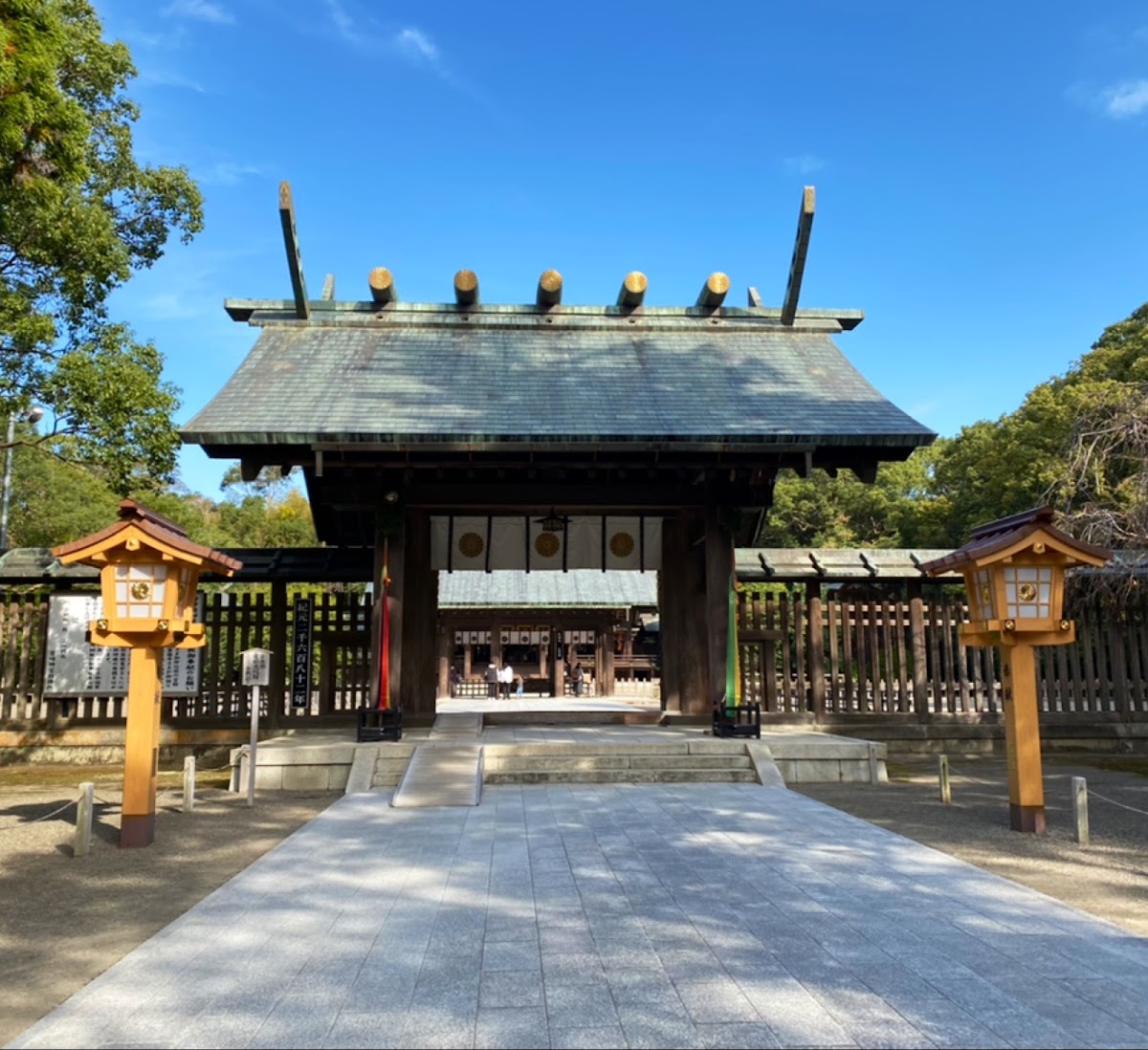
The current shrine building was constructed in 1907 (Meiji 40) and is designated as a National Registered Tangible Cultural Property. The architectural style is based on the Shinmei-zukuri style, and it makes luxurious use of Sano cedar, a renowned material from the Hyuga region.
Sano cedar is a high-quality cedar wood produced in the Sano region of Takaharu-cho, Nishimorokata-gun, Miyazaki Prefecture. It was chosen as a specially significant wood because it grows around Sano Shrine (a former sub-shrine of Miyazaki Jingu), which is considered the birthplace of Emperor Jimmu.
Features of the Shrine Building:
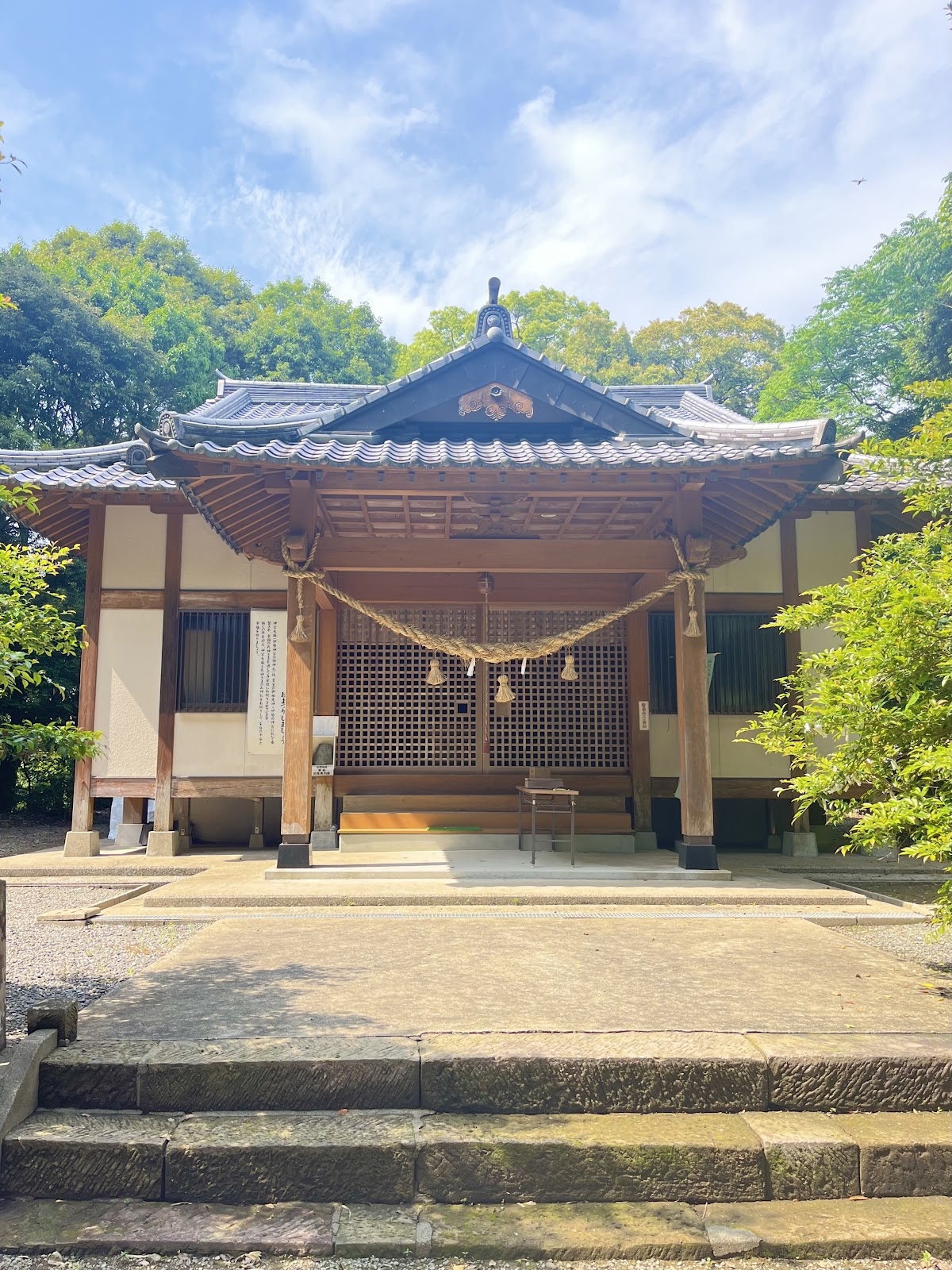
- Main Hall: Shinmei-zukuri style, cypress bark roofing
- Worship Hall: Irimoya-zukuri style, copper plate roofing
- Corridor: Not painted vermilion, but utilizing the simple beauty of the wood
The entire shrine grounds are surrounded by giant trees hundreds of years old, maintaining the atmosphere of a sacred forest despite being in an urban area. ### Subsidiary Shrines
Several subsidiary shrines are located within the shrine grounds:
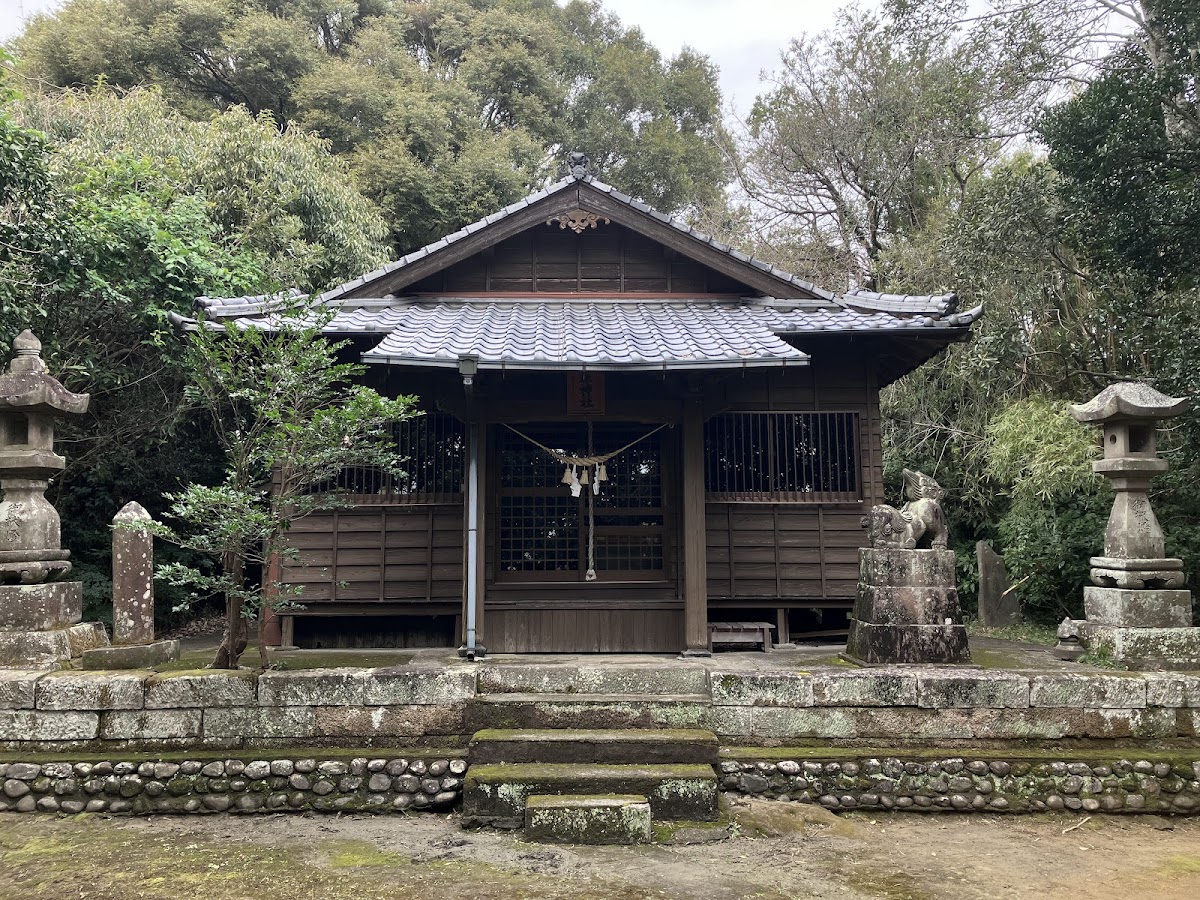
- Gokoku Shrine: Dedicated to war dead from Miyazaki Prefecture
- Soreisha Shrine: Dedicated to the ancestors of the parishioners
- Inari Shrine: Deity of business prosperity and abundant harvests
Visiting these subsidiary shrines as well will enhance your pilgrimage experience.
Miyazaki Prefectural Museum
Adjacent to the shrine grounds is the Miyazaki Prefectural Museum, where you can learn about Miyazaki’s history, culture, and nature. Visiting it in conjunction with your visit to the shrine will give you a deeper understanding of the historical background of Hyuga Province.
Major Annual Rituals and Events
Various rituals are held at Miyazaki Shrine throughout the year.
Annual Festival (Emperor Jimmu Enshrinement Commemoration Festival)
This is the most important festival, held on October 26th. This festival honors the divine virtues of Emperor Jimmu and prays for national peace and a bountiful harvest. The annual festival includes solemn ceremonies such as the dedication of Gagaku (ancient Japanese court music) and the offering of sacred food.
Yabusame (mounted archery)
Among the rituals of Miyazaki Shrine, the Yabusame is particularly famous. Held annually on April 3rd, this traditional event is a magnificent ceremony of archers shooting at targets from galloping horseback, attracting many spectators.
Yabusame is a valuable ritual that preserves the traditions of samurai society, and is conducted according to ancient customs, from the archers’ attire and movements to the horse tack. It is believed that hitting the target brings blessings of a bountiful harvest and good health.
Other Major Annual Events
- January 1st: Saitansai (New Year’s Day Festival)
- February 11th: Kigensai (National Foundation Day Festival)
- Spring/Autumn: Oharae-shiki (Great Purification Ceremony) (A Shinto ritual to cleanse away the sins and impurities accumulated over the past six months)
- November 23rd: Niiname-sai (Harvest Thanksgiving Festival)
These Shinto rituals are deeply rooted in Miyazaki’s annual events, and visiting in each season allows you to enjoy the different facets of the shrine.
Cultural Properties and Historical Value
Nationally Registered Tangible Cultural Property
The shrine buildings of Miyazaki Jingu have been recognized for their historical and architectural value and designated as a Nationally Registered Tangible Cultural Property. They retain many characteristics of Meiji-era shrine architecture and are valuable structures that convey the traditional architectural techniques of the Hyuga region to the present day.
Its Place in Miyazaki’s History
Miyazaki Shrine is more than just a religious facility; it has played a symbolic role in the history and culture of Miyazaki Prefecture. During the modernization that followed the Meiji Restoration, it contributed to the formation of the region’s identity as the central shrine of Hyuga Province.
In the Showa era, it became a base for movements commemorating the achievements of Emperor Jimmu, and even today, it remains a special place for Miyazaki citizens to visit for important life events such as New Year’s prayers and Shichi-Go-San (a traditional rite of passage for children).
Visiting Information and Access
Basic Information
- Address: 2-4-1 Jingū, Miyazaki City, Miyazaki Prefecture 880-0053
- Phone Number: 0985-27-4004
- Visiting Hours: Grounds are freely accessible (Shrine office is generally open from 9:00 to 17:00)
- Admission Fee: Free
- Parking: Available (Free)
Access by Public Transportation
By JR:
- Get off at Miyazaki Jingū Station on the JR Nippo Main Line, approximately 10 minutes on foot
- Approximately 15 minutes by taxi from Miyazaki Station
By Bus:
- Immediately after getting off at the Miyazaki Jingū bus stop (Miyazaki Kotsu Bus)
From Miyazaki Jingū Station, you can walk by following the signs. After passing through a residential area, you will see the lush green grounds.
Access by Car
- Approximately 15 minutes from Miyazaki IC on the Miyazaki Expressway
- Approximately 10 minutes by car from the center of Miyazaki City
The shrine grounds have a free parking lot for visitors, with space for several dozen regular cars. However, it can get crowded during events such as New Year’s visits and annual festivals, so using public transportation is recommended.
Nearby Tourist Attractions
The following tourist attractions are located near Miyazaki Shrine:
- Miyazaki Prefectural Museum: A short walk away
- Heiwadai Park: Approximately 20 minutes by car, an observation park with the Tower of Peace
- Aoshima Shrine: Approximately 30 minutes by car, famous for matchmaking
- Miyazaki City Phoenix Zoo: Approximately 25 minutes by car
Visiting these attractions in conjunction with sightseeing in Miyazaki City will allow you to create a more fulfilling itinerary.
Manners and Points for Visiting a Shrine
Basic Worship Etiquette
When visiting Miyazaki Shrine, please observe the following etiquette:
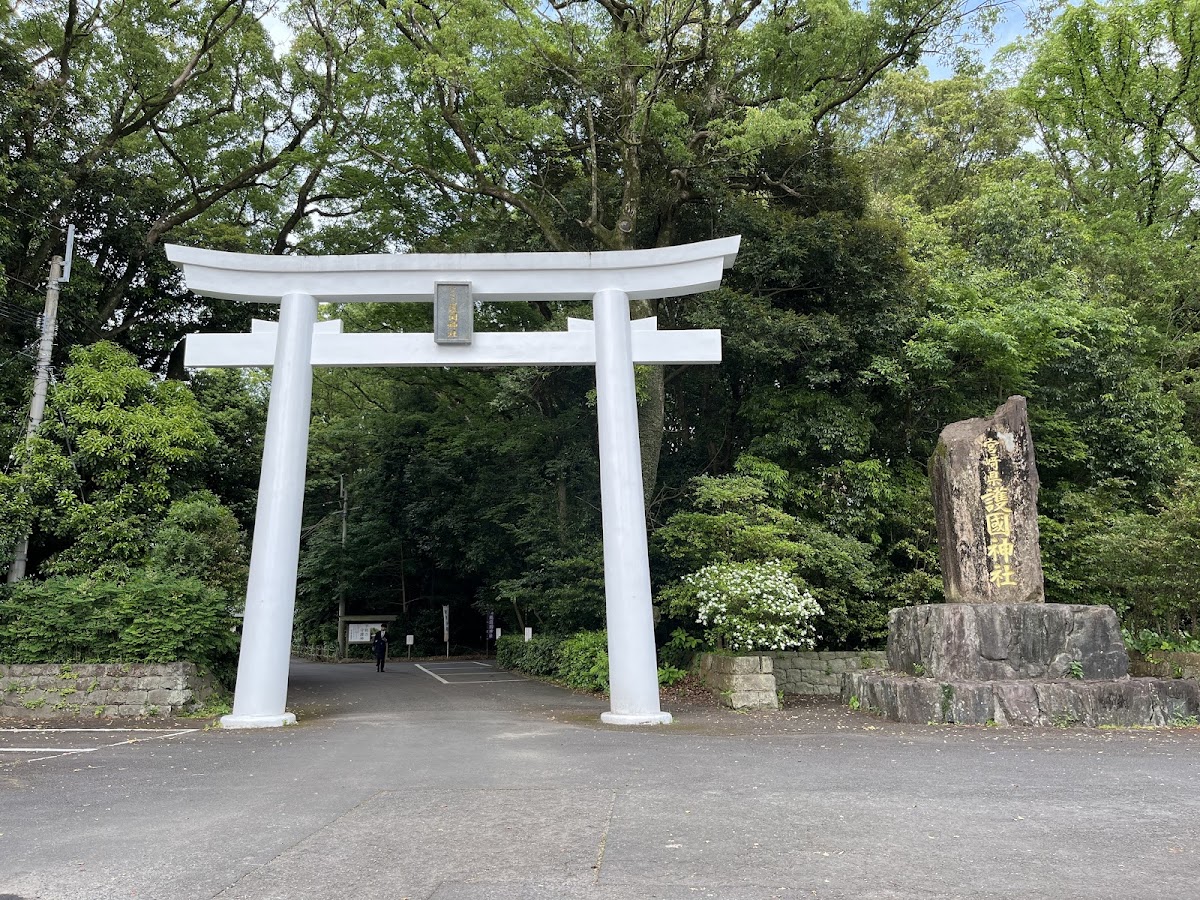
- Bow before passing through the torii gate: A courtesy before entering the sacred area.
- Purify yourself at the water basin: Purify your left hand, right hand, and mouth in that order, and finally wash the handle of the ladle.
- Avoid walking in the center of the path: The center is the path of the gods.
- Etiquette at the main hall: Two bows, two claps, one bow.
Goshuin (Shrine Seals) and Amulets
You can receive a goshuin at the shrine office. Miyazaki Shrine’s goshuin features calligraphy that reflects its status as a shrine dedicated to Emperor Jimmu.
Various amulets and talismans are also available, including amulets for victory and matchmaking.
Recommended Time to Visit
- Spring (Late March to April): Beautiful cherry blossoms, and the Yabusame (mounted archery) ritual is held.
- Autumn (Late October): The shrine is busiest during the annual festival.
- New Year’s Visit (January 1st to 3rd): While crowded with many visitors, you can enjoy the refreshing atmosphere of the new year.
Weekday mornings are relatively quiet and recommended for a peaceful visit.
Miyazaki Shrine and Hyuga Mythology
Miyazaki Prefecture is known as the setting for Japanese mythology, and is particularly deeply connected to the stories of the descent of the heavenly grandchild and Emperor Jimmu. Miyazaki Shrine is an important place that conveys the world of this mythology to the present day.
Emperor Jimmu and Hyuga Province
Emperor Jimmu is said to have been born in Takachiho in Hyuga Province (or possibly in Sano), and spent his youth in what is now the Miyazaki Plain. At the age of 45, he embarked on an eastward expedition to Yamato Province, and after enduring many hardships, he pacified Yamato and ascended to the throne as the first emperor.
The site where Miyazaki Shrine stands is also said to be the legendary location of the “Koguya” (Imperial Palace), where Emperor Jimmu had his palace before his eastward expedition, making it a sacred site that can be considered the origin of Japan’s founding.
Related Shrines
Throughout Miyazaki Prefecture, there are numerous shrines related to Emperor Jimmu and the Hyuga mythology:
- Sano Shrine (Takaharu Town): The birthplace of Emperor Jimmu, a former sub-shrine of Miyazaki Shrine
- Kogu Shrine (Miyazaki City): The legendary site of Emperor Jimmu’s imperial palace
- Eda Shrine (Miyazaki City): A sacred site for purification rituals
- Takachiho Shrine (Takachiho Town): The site of the descent of the heavenly grandchild
Visiting these shrines as part of a “mythological tour” is a popular Miyazaki tourist route.
Summary: The Charm of Miyazaki Shrine
Miyazaki Shrine, a venerable shrine dedicated to Emperor Jimmu, Japan’s first emperor, holds a historically and culturally significant position. It boasts numerous attractions, including beautiful shrine buildings constructed during the Meiji period, sacred grounds surrounded by centuries-old trees, and traditional annual events such as the Yabusame (mounted archery) ritual.
Despite its convenient location within walking distance of Miyazaki Jingu Station, easily accessible from central Miyazaki City, stepping onto the shrine grounds offers a tranquil escape from the hustle and bustle of the city.
When visiting Miyazaki Prefecture, be sure to visit Miyazaki Shrine, a sacred site of Japan’s founding, and immerse yourself in its long history and mythology. It’s a shrine worth visiting for various occasions, from life’s milestones like New Year’s visits, Shichi-Go-San (a traditional rite of passage for children), and exorcisms, to expressing gratitude for everyday blessings or praying before new challenges.