Moto

Moto
住所 〒620-0323 京都府福知山市大江町内宮217
電話 +81 773-56-1011
公式サイト https://www.motoisenaiku.com/

About Motoise Naiku Kōtaijinja Shrine

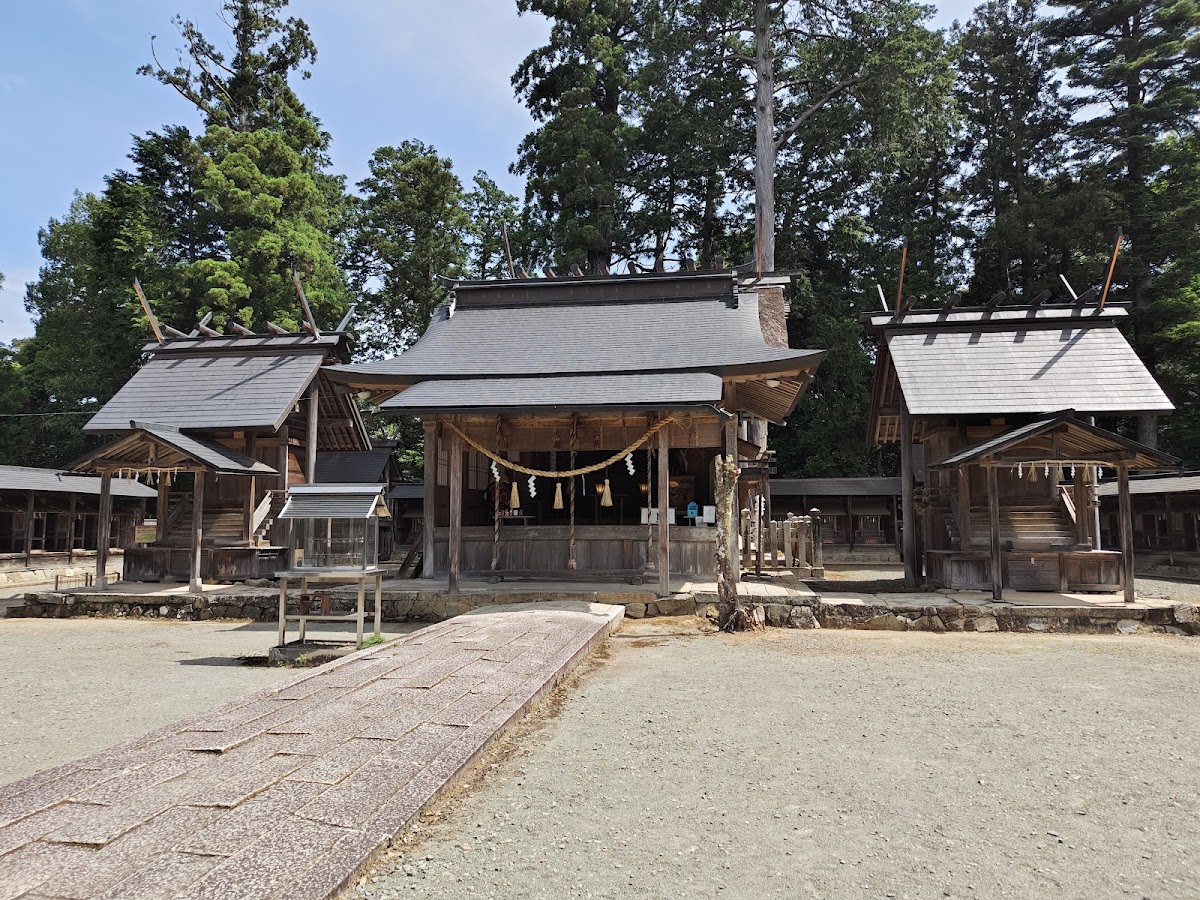
Motoise Naiku Kōtaijinja Shrine is an ancient shrine located in Ōe-chō, Fukuchiyama City, Kyoto Prefecture. It bears the name “Motoise” (original Ise) due to the tradition that it was enshrined here before Amaterasu Ōmikami was moved to Ise Grand Shrine.

History and Origins

Founding Legend

During the reign of Emperor Sujin, the 10th emperor, Princess Toyosukiirihime no Mikoto is said to have departed Yamato Province carrying the sacred object (mitamashiro) of Amaterasu Ōmikami. After traveling through various regions, she is said to have resided in this area for four years. For approximately 50 years afterward, before being moved to Ise, the shrine moved around the Tango and Tanba regions, resulting in the existence of several shrines called “Motoise” in this area.

Deities Enshrined

Main Deity

  • Amaterasu Omikami

Enshrined Deities

  • Amenotajikarao no Mikoto
  • Takuhata Chijihime no Mikoto

Highlights of the Shrine Grounds

Main Hall and Worship Hall

The main hall is built in the Shinmei-zukuri style, adopting the same architectural style as Ise Grand Shrine. The cypress bark roof and unpainted wooden structure convey the appearance of ancient shrine architecture. A solemn atmosphere emanates from the worship hall, allowing worshippers to offer prayers in silence.

Sacred Tree “Ryūtō no Sugi” (Dragon Lantern Cedar)

Within the shrine grounds stands a giant sacred cedar tree estimated to be approximately 2000 years old. This cedar is called “Ryūtō no Sugi” (Dragon Lantern Cedar), and a legend remains that a mysterious light once shone from its top at night. The trunk circumference is approximately 10 meters, and its presence is overwhelming.

Ama-no-Iwato Shrine

Ama-no-Iwato Shrine is located in the mountains, about a 10-minute walk from the main shrine. This shrine enshrines the rock cave where Amaterasu Omikami is said to have hidden, and a massive rock is worshipped as the sacred object. Since it requires climbing a section with chains, comfortable clothing and shoes are recommended for visitors.

Points to Note When Visiting

Etiquette for Visiting

  1. Bow Before Passing Through the Torii Gate: Bow before entering the shrine grounds.
  2. Purify at the Water Basin: Purify your left hand, right hand, and mouth in that order.
  3. Worship at the Main Hall: Worship using the two bows, two claps, and one bow ritual.
  4. Visit the Inner Shrine of Ama-no-Iwato: If you have time, visit the inner shrine, Ama-no-Iwato Shrine.
  • Early Morning (8:00-9:00): Fewer visitors, allowing for a peaceful and tranquil visit.
  • Weekdays: Less crowded than weekends, allowing for a calm and peaceful visit.
  • Season of Fresh Greenery (May): The shrine grounds are beautifully green, and you can enjoy the refreshing air.
  • Season of Autumn Leaves (November): The surrounding mountains change color, offering a beautiful landscape.

Estimated Time Required

  • Visiting the Main Shrine Only: Approximately 30 minutes
  • Visiting Including Ama-no-Iwato Shrine: Approximately 90 minutes to 2 hours

Benefits

The following benefits are believed to be offered at Moto-Ise Naiku Kōtaijinja Shrine:

Main Benefits

  • Good Fortune and Prosperity: Benefits of increased luck through the divine virtue of Amaterasu Ōmikami
  • Family Safety: Protection of family health and peace
  • Business Prosperity: Development and prosperity of business
  • Protection from Evil: Protection from disaster and self-preservation
  • Fulfillment of Wishes: Power to grant sincere wishes

Goshuin (Shrine Seal)

Goshuin can be obtained at the shrine office. There are two types of goshuin: one for Moto-Ise Naiku Kōtaijinja Shrine and one for Ama-no-Iwato Shrine, each costing 300 yen. Pre-printed goshuin are also available.

Access Information

Access by Train and Bus

From Kyoto

  1. Get off at Fukuchiyama Station on the JR San’in Main Line.
  2. Transfer to the Kyoto Tango Railway Miyazu Line and get off at Oe Station (approx. 20 minutes).
  3. From Oe Station, take the Tankai Bus bound for Oeyama no Ie and get off at the Naiku bus stop (approx. 15 minutes).
  4. Approximately 5 minutes on foot from the bus stop.

From Osaka

  1. Take the JR Fukuchiyama Line to Fukuchiyama Station (approx. 1 hour 30 minutes).
  2. From there, follow the same route as from Kyoto.

*Since bus service is infrequent, we recommend checking the timetable in advance.

Access by Car

Using the Kyoto Expressway

  • Approximately 30 minutes from the “Maizuru-Wakasa Expressway Fukuchiyama IC” via National Route 9 and Prefectural Route 55.

Parking

  • Free parking available (approximately 20 regular cars)
  • Large buses can be parked.

Address and Contact Information

  • Address: 217 Naimiya, Oe-cho, Fukuchiyama City, Kyoto Prefecture 620-0321
  • Phone: 0773-56-1011
  • Visiting Hours: Grounds are open freely (Shrine office is open from 9:00 to 17:00)
  • Admission Fee: Free

Nearby Tourist Attractions

Moto-Ise Geku Toyouke Daijingu Shrine

Moto-Ise Geku is located about 5 minutes by car from Naiku (Inner Shrine). It enshrines Toyouke-no-Okami, and many people visit it in conjunction with Naiku.

Mt. Oe

Mt. Oe, known for its legend of demon slaying, is a popular hiking destination. From the summit, you can enjoy a spectacular view stretching all the way to the Tango Peninsula.

Museum of Japanese Demon Exchange

A museum themed around the demon legend of Mt. Oe. It features a rich collection of exhibits showcasing demon culture from various regions of Japan.

Points to Note When Visiting

  • Since you will be walking along a mountain path to Ama-no-Iwato Shrine, please wear comfortable walking shoes such as athletic shoes.
  • Bringing insect repellent spray is recommended during the summer months.
  • In winter, there is a possibility of snow, so please check in advance.
  • The shrine office may be unattended, so if you wish to receive a Goshuin (shrine stamp), it is recommended to contact them in advance.

Summary

Moto-Ise Naiku Kōtaijinja Shrine is a historically romantic shrine tracing the roots of Ise Grand Shrine. With its tranquil grounds, 2000-year-old sacred tree, and the mystical Ama-no-Iwato Shrine, it offers plenty to see. Although it’s a bit of a distance from central Kyoto, you can feel a sacred atmosphere that sets you apart from the mundane world. Even if you’ve already visited Ise Grand Shrine, why not take a trip to Moto-Ise and reflect on its origins?
Map

Open in Google Maps

Open in Google Maps

Nearby Shrines & Temples

Moto

Moto
住所 〒620-0325 京都府福知山市大江町天田内178−2
電話 +81 773-56-1560
公式サイト https://www.city.fukuchiyama.lg.jp/soshiki/65/1115.html

About Motoise Geku Toyouke Daijingu Shrine

Motoise Geku Toyouke Daijingu is a shrine located in Oe-cho, Fukuchiyama City, Kyoto Prefecture. It is considered the original shrine of the Outer Shrine of Ise Grand Shrine (Toyouke Daijingu), and enshrines Toyouke-no-Okami, the deity who presides over food and grains, as its principal deity.

Deities and Benefits

Main Deity

  • Toyouke-no-Okami (Toyouke-hime-no-Kami)
  • Goddess of food, grains, and industry
  • A deity enshrined at the Outer Shrine of Ise Grand Shrine as Miketsukami, the deity who oversees the meals of Amaterasu-Omikami

Main Benefits

  1. Industrial Prosperity and Business Success – Prayers for business development as the guardian deity of food and industry
  2. Abundant Harvest and Bountiful Crop – Protection of primary industries such as agriculture and fishing
  3. Family Safety and Food Safety – Peace and tranquility in daily meals and life
  4. Protection of Clothing, Food, and Shelter – Stability and prosperity in all aspects of life

History and Origin

Founding Legend

The founding of Toyouke-no-Okami Shrine is said to date back to the time of Emperor Sujin, the 10th emperor (around 97 BC). It is said that when Amaterasu Omikami was moved from Tanba Province to Kasasagi Village in Yamato Province, Toyouke Omikami was also enshrined in this location, marking the beginning of the shrine’s existence.

Relocation to Ise

Later, in the 22nd year of Emperor Yuryaku’s reign (around 478 AD), according to a divine oracle from Amaterasu Omikami, Toyouke Omikami was moved to Ise Province (present-day Ise City, Mie Prefecture) and enshrined as the Outer Shrine of Ise Grand Shrine. Because of this history, this shrine is known as “Moto-Ise Geku” (Original Outer Shrine of Ise).

One of the Three Original Ise Shrines

Toyouke Daijingu Shrine, along with the nearby Moto-Ise Naiku Kōtaijinja and Ama-no-Iwato Shrine, constitutes the “Three Original Ise Shrines,” and it has been customary since ancient times to visit them before making a pilgrimage to Ise Grand Shrine.

Highlights of the Shrine Grounds

Main Hall and Shrine Architecture

The main hall adopts the same Shinmei-zukuri style as Ise Grand Shrine. It is characterized by its cypress bark roof and the simple beauty of its unpainted wood construction. Following the example of Ise Grand Shrine’s Shikinen Sengu (periodic rebuilding), it was once regularly rebuilt.

Black Wood Torii Gate

At the entrance to the shrine grounds stands a black wood torii gate, made from logs with the bark left intact. This is considered the oldest form of shrine architecture and is a valuable relic that conveys the primitive form of faith.

Dragon Lantern Cedar

Within the shrine grounds stands the “Dragon Lantern Cedar,” a gigantic sacred cedar tree said to be approximately 2000 years old. A legend remains that a mysterious light lit from its branches at night, symbolizing the mystical nature of the sacred area.

Points to Note When Visiting

Etiquette for Visiting

  1. Bow at the Torii Gate – Bow before passing through the black wooden torii gate.
  2. Purify at the Water Basin – Purify in the following order: left hand → right hand → mouth → handle of left hand.
  3. Two Bows, Two Claps, One Bow at the Main Shrine – Worship respectfully in front of the Shinto-style main shrine.
  4. Visit the Subsidiary Shrines – It is believed that visiting the subsidiary shrines will increase your good fortune.
  • Early Morning (7:00-9:00) – You can worship quietly in the refreshing air.
  • Morning – There are fewer tourists, allowing you to stroll around the shrine grounds at your leisure.
  • Autumn Foliage Season – The autumn leaves on the grounds are beautiful, deepening the sacred atmosphere.

Points to Note When Visiting

  • The interior of the main shrine is usually closed to the public, so worship is conducted from the outside.
  • Photography is permitted within the temple grounds, but please refrain from taking photos directly in front of the main hall.
  • Please refrain from loud conversations, as this is a sacred and tranquil area.

Annual Events

  • January 1st – Saitansai (New Year’s Festival)
  • February 17th – Kinensai (Spring Grand Festival praying for a bountiful harvest)
  • April 18th – Reitaisai (Most important annual festival)
  • November 23rd – Niinamesai (Autumn Grand Festival giving thanks for the harvest)

Access Information

Access by Train and Bus

  1. From Kyoto Tango Railway Oe Station
  • Take the city bus bound for “Oeyama no Ie,” get off at “Naiku-mae,” and walk for about 5 minutes.
  • Approximately 10 minutes by taxi.
  1. From JR Fukuchiyama Station
  • Take the Kyoto Kotsu bus bound for “Oeyama no Ie” (approximately 40 minutes), get off at “Naiku-mae” bus stop, and walk for approximately 5 minutes.

Access by Car

  • Approximately 15 minutes from Maizuru-Oe IC on the Kyoto Jukan Expressway
  • Approximately 30 minutes from Fukuchiyama IC on the Maizuru-Wakasa Expressway
  • Parking: Free parking available (approximately 30 regular cars)

Nearby Tourist Attractions

  • Moto-Ise Naiku Kōdaijinja – Approximately 10 minutes on foot, the original shrine dedicated to Amaterasu Ōmikami
  • Ama-no-Iwato Shrine – Approximately 15 minutes on foot from Kōdaijinja Shrine, a recreation of the setting of mythology
  • Oeyama – A sacred mountain famous for the legend of demon slaying
  • Fukuchiyama Castle – A castle built by Akechi Mitsuhide

Basic Information

| Item | Content |
|——|——|
| Official Name | Toyouke Daijinja |
| Location | 60 Amadauchi, Oe-cho, Fukuchiyama City, Kyoto Prefecture |
| Phone Number | 0773-56-1560 |
| Visiting Hours | Grounds are freely accessible (Shrine office is open 9:00-17:00) |
| Admission Fee | Free |
| Goshuin (Shrine Seal) | Available (Available at the shrine office) |
| Official Website | Motoise Sansha Official |

Summary

Motoise Geku Toyouke Daijingu is an ancient shrine with a history of over 2000 years, serving as the origin of the Outer Shrine of Ise Grand Shrine. The worship of Toyouke-no-Okami, who presides over food and industry, continues to attract many worshippers praying for industrial prosperity and business success.

The shrine’s architecture, including the black wooden torii gate and the Shinmei-zukuri style main hall, is a valuable reminder of ancient forms of worship. Be sure to visit it as part of a pilgrimage to the Motoise Sansha. Spending time in a tranquil, sacred mountain area to offer prayers of gratitude to the guardian deities of Japan’s food culture and industry will be a precious and purifying experience for the soul.

Map

Open in Google Maps

Open in Google Maps

Nearby Shrines & Temples