Myohoji Temple (Kashihara City, Nara Prefecture) Complete Guide | History of Mizushi Kannon, Goshuin (Temple Seal), and Access Information
Myohoji Temple, located in Higashiikejiri-cho, Kashihara City, Nara Prefecture, is an ancient temple of the Koyasan Shingon sect, affectionately known as “Mizushi Kannon.” It is said to have been founded to commemorate the return of Kibi no Makibi, a scholar of the Nara period, from his mission to Tang China. As a historical temple with an eleven-faced Kannon Bodhisattva as its principal image, it attracts the faith of the local people.
This article comprehensively introduces information you should know before visiting Myohoji Temple, from its historical background to visiting information and access methods.
History and Origin of Myohoji Temple
The Story of Kibi no Makibi and the Japanese Mission to Tang China
The founding of Myohoji Temple dates back to the Nara period. The origins of this temple are deeply connected to Kibi no Makibi (695-775), who played a crucial role in Japanese history.
Kibi no Makibi was a leading scholar and politician of the Nara period, and he traveled to Tang China twice as an envoy, in 717 (Yōrō 1) and 752 (Tenpyō Shōhō 4). Sailing at that time was perilous, and a safe return was by no means guaranteed.
Myōhōji Temple is said to have been founded as an expression of gratitude for Kibi no Makibi’s safe completion of his mission as an envoy and his return from Tang China. This historical background gives the temple special significance.
Origin of the name “Mizushi Kannon”
Myōhōji Temple is also widely known by the alternative name “Mizushi Kannon.” This name is thought to originate from the fact that the principal image, the Eleven-Faced Kannon Bodhisattva, is enshrined in a zushi (a small shrine).
A zushi is a Buddhist implement used to house Buddhist statues and scriptures; it is a box-shaped structure with doors. The fact that the temple’s name originated from the zushi, a protective structure for the precious principal image, demonstrates the deep faith in this Kannon (Goddess of Mercy).
The Spider Legend and “Spider Kannon”
Myohoji Temple has an intriguing legend. While Kibi no Makibi was staying in Tang China, he was imprisoned due to a political conspiracy. It is said that a spider appeared and saved Makibi from peril.
This spider is believed to have been an incarnation of Kannon Bodhisattva, and from this legend, the principal image of Myohoji Temple came to be called “Spider Kannon.” This mysterious origin story is still told today as a tale illustrating how Kannon’s compassion manifests itself in different forms.
The Principal Image and Faith of Myohoji Temple
Eleven-Faced Kannon Bodhisattva
The principal image of Myohoji Temple is the Eleven-Faced Kannon Bodhisattva. The Eleven-Faced Kannon is a Bodhisattva of Kannon with eleven faces on its head, worshipped for watching over all directions and saving all sentient beings.
Each of the eleven faces has a different expression, representing various emotions such as compassion, anger, and laughter. This symbolizes Kannon’s ability to guide people appropriately in all situations.
As a Temple for Dementia Prevention Prayers
In modern times, Myohoji Temple is also known as a temple for “dementia prevention” prayers. In Japan, which is facing an aging society, many worshippers visit to pray for physical and mental health.
Dementia prevention prayers are by reservation only, and people from all over the country come to pray for personal health and longevity, and the peace and well-being of their families. The temple has gained trust through its careful and respectful prayers based on the traditional Shingon Buddhist prayer methods.
A Temple of the Koyasan Shingon Sect
Myohoji Temple belongs to the Koyasan Shingon sect. Shingon Buddhism is one of the major schools of Japanese Buddhism, founded by Kobo Daishi Kukai, and is based on the teachings of Esoteric Buddhism.
At Myohoji Temple, the Goma fire ritual and Kaji prayers, characteristic of Shingon Buddhism, are performed according to traditional procedures, and many visitors come seeking the spiritual efficacy of Shingon Esoteric Buddhism.
Goshuin (Temple Seal) and Amulets
Myohoji Temple’s Goshuin
Due to the recent boom in goshuin, the number of visitors seeking goshuin at Myohoji Temple has also increased. Myohoji Temple’s goshuin features the characters “Mizushi Kannon” (御蔵子観音) written in ink, and is stamped with the temple’s seal.
Goshuin are not merely commemorative stamps, but important proof of worship and a way to forge a connection with Buddha. When requesting a goshuin, it is polite to first complete your prayers at the main hall.
Even if you do not have a goshuin book, pre-written goshuin may be available, so please check with the temple office. ### Amulets and Offerings
Myohoji Temple offers amulets for protection against dementia, health and longevity, and traffic safety. The dementia-prevention amulet, in particular, is popular not only for oneself but also as a gift for elderly parents and grandparents.
Amulets are believed to allow one to feel the protection of Kannon (Goddess of Mercy) on a daily basis. It is important to treat them with care and gratitude.
Highlights of the Temple Grounds
Main Hall
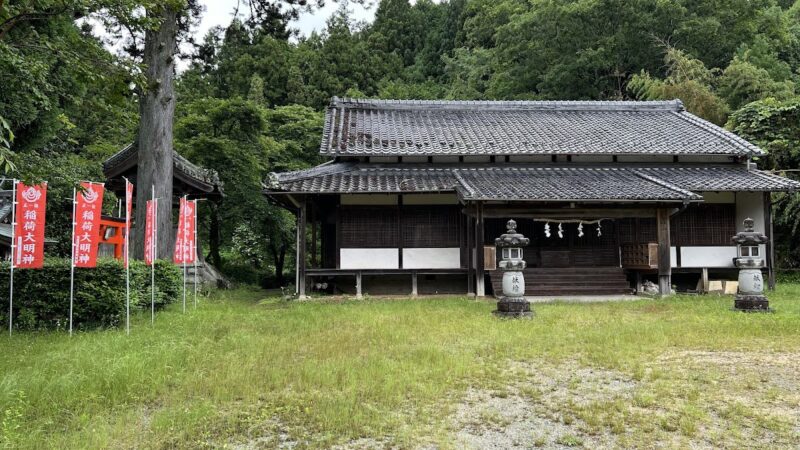
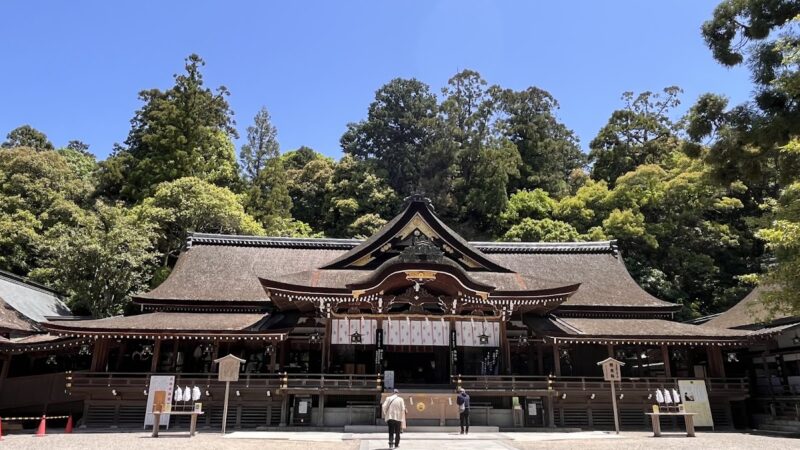
The main hall of Myohoji Temple is the central building where the Eleven-Faced Kannon Bodhisattva is enshrined. The tranquil atmosphere of the main hall quietly welcomes visitors.
Inside the main hall, one can join their hands in silence, calm their mind, and offer prayers. It is a space where one can escape the hustle and bustle of everyday life and spend precious time reflecting on oneself.
Atmosphere of the Temple Grounds
Despite being located in the city center, Myohoji Temple maintains a quiet and peaceful atmosphere. The well-maintained approach and gardens allow visitors to appreciate the beauty of nature throughout the seasons.
Especially during the cherry blossom season in spring and the autumn foliage season, the temple grounds are beautifully colored, allowing visitors to enjoy the changing seasons while paying their respects.
Cemetery and Burial Grounds
Myohoji Temple also has a cemetery and burial grounds. With a history as a temple cemetery, applications for burial plots are accepted not only from temple parishioners but also from people of all religious sects.
With a resident caretaker, the cemetery is well-managed and maintained, providing a safe environment for honoring ancestors. The temple also has facilities for memorial services, allowing Buddhist ceremonies to be held within the temple grounds.
Visiting Information
Visiting Hours and Admission Fees
Myohoji Temple’s visiting hours are usually from 9:00 to 16:00. Admission is generally free, but advance reservations are required for prayer services.
For information regarding prayer fees, please contact the temple office directly. While it is possible to visit without a reservation, it is recommended to call ahead to confirm availability if you wish to receive a Goshuin (temple stamp) or prayers.
Annual Events and Seasonal Activities
As a Shingon Buddhist temple, Myohoji Temple holds various Buddhist services and events throughout the year.
Traditional Buddhist events such as the New Year’s visit, the spring and autumn equinox services, and the Obon (Buddhist festival) memorial service are held, and the temple is bustling with many visitors during these times. For information on special service dates, please check the temple’s official website or inquire by phone.
Parking and Accessibility
Myohoji Temple has a parking lot for visitors with approximately 40 spaces. Parking is free.
The temple is conveniently located and easily accessible by car, making it relatively easy for the elderly and those with mobility issues to visit. However, there are some steps within the temple grounds, so it is recommended to consult in advance if you wish to visit in a wheelchair.
Access Information
Location and Basic Information
Address: 420 (or 424) Higashiikejiri-cho, Kashihara City, Nara Prefecture 634-0021
Phone Number: 0744-22-3928
Sect: Koyasan Shingon Buddhism
Opening Hours: 9:00 AM – 4:00 PM
Closed Days: None (Prayers require reservations)
Access by Public Transportation
Using Kintetsu Railway
There are several nearby stations, all accessible on foot.
- Approximately 20 minutes on foot (approx. 1.5 km) from Kintetsu Osaka Line Daifuku Station
- Approximately 20 minutes on foot from JR Sakurai Line (Manyo Mahoroba Line) Kaguyama Station
Since it’s a bit of a distance from the stations, we recommend allowing ample time for your visit. Depending on the weather and your physical condition, you may also consider taking a taxi.
By Bus
Community buses and taxis are available within Kashihara City. Please check the latest information on bus routes and timetables on the Kashihara City official website or transportation guide.
By Car
Access by car is the most convenient. Access from major roads is as follows:
- Approximately 10-15 minutes from Kashihara Kita IC or Kashihara Takada IC via the Keinawa Expressway
- Accessible from National Route 24 and National Route 165
When using a car navigation system, search for “Myohoji Kashihara City” or “Mikuri Kannon,” or enter the address “420 Higashiikejiri-cho, Kashihara City, Nara Prefecture.”
Nearby Tourist Attractions
Kashihara City, where Myohoji Temple is located, is situated in the Asuka-Kashihara region, the center of ancient Japan, and boasts numerous historical tourist attractions.
- Kashihara Shrine: A shrine dedicated to Emperor Jimmu, the first emperor of Japan (approximately 10 minutes by car)
- Imai-cho: A designated Important Preservation District for Groups of Traditional Buildings, preserving the townscape of the Edo period (approximately 10 minutes by car)
- Asuka-dera Temple: Japan’s oldest full-fledged temple (approximately 15 minutes by car)
- Ishibutai Kofun: A representative megalithic burial mound of the Asuka region (approximately 20 minutes by car)
A sightseeing plan that combines a visit to Myohoji Temple with a tour of these historical spots is highly recommended.
Manners and Precautions When Visiting Temples
Basic Manners When visiting temples, please observe the following basic manners.
- Bow at the Temple Gate: Bow before entering the temple grounds to compose yourself.
- Proper Hand-Washing Ritual: If there is a hand-washing station, cleanse your hands and mouth.
- Worship at the Main Hall: Quietly join your hands in prayer and pray with sincerity.
- Photography: Refrain from taking photographs in areas where photography is prohibited, such as inside the main hall.
- Silence: Avoid speaking loudly on the temple grounds and remain quiet.
Regarding Attire
There are no specific dress code requirements, but it is desirable to dress appropriately, keeping in mind that this is a sacred place. Avoid revealing or overly flashy clothing, and aim for clean and presentable attire.
Receiving Prayers
If you wish to receive prayers such as prayers for protection against dementia, please be sure to make a reservation by phone in advance. It is also helpful to confirm the prayer fee, duration, and what to bring at that time.
Historical Background of Myohoji Temple and Kashihara City
History of Kashihara City
Kashihara City is located in the central part of Nara Prefecture and flourished as the political and cultural center of ancient Japan. According to the Nihon Shoki (Chronicles of Japan), Emperor Jimmu, the first emperor, was enthroned at Kashihara Palace, and it is known as the birthplace of Japan.
During the Asuka period, many temples were built in this region, and Buddhist culture blossomed. Myohoji Temple, as one of the temples founded during the Nara period, preserves the region’s Buddhist culture to this day.
The Footsteps of Kibi no Makibi
Kibi no Makibi, who was involved in the founding of Myohoji Temple, was a leading intellectual of the Nara period. As an envoy to Tang China, he learned about Tang culture and institutions, and after returning to Japan, he made significant contributions to the development of Japanese politics and culture.
Makibi was well-versed in a wide range of fields, including astronomy, calendrical science, military strategy, and music, and his knowledge greatly influenced the formation of Japanese culture. Myohoji Temple holds historical value as a temple embodying the faith and gratitude of such great figures.
Faith at Myohoji Temple and the Modern Age
A Temple Rooted in the Community
Despite its history of over a thousand years, Myohoji Temple continues to function as a place of faith for local people today. While maintaining a danka (parishioner) system, it is open to a wide range of people regardless of their religious affiliation, attracting diverse visitors.
It plays a variety of roles, serving as a place of relaxation for the elderly in the community and a place where younger generations can experience history and culture.
Wishes for Health and Longevity
In particular, prayers for “preventing dementia” address the heartfelt wishes of many people in modern Japan, a super-aging society. While medical technology has extended life expectancy, interest in aging healthily, both physically and mentally, is increasing.
Prayers at Myohoji Temple serve as an important refuge for people seeking peace of mind and spiritual support, distinct from medical approaches.
Role as a Cemetery
Myohoji Temple plays an important role as a cemetery and memorial park. Temple cemeteries are chosen by many as a place for ancestral worship and as their final resting place.
The fact that it is open to people of all denominations, even those who are not temple members, demonstrates a flexible operation that meets modern needs. Because it is equipped with facilities for memorial services, memorial services can be held within the temple grounds, making it convenient for bereaved families.
Contact Information and Latest Information
Direct Inquiries
Inquiries to Myohoji Temple are accepted at the following contact information:
Phone Number: 0744-22-3928
Reception Hours: 9:00 AM – 4:00 PM
For detailed information such as prayer reservations, confirmation of temple seals, and consultations regarding cemeteries, please contact us directly by phone.
Kashihara City Tourism Information
Information about Kashihara City, including Myohoji Temple, is available on the official Kashihara City website and the Nara Prefecture tourism website, “Aoniyoshi Nara Tabi Net.”
You can also find information on combinations with surrounding tourist spots and seasonal events, so please use this as a reference when planning your visit.
Checking the Latest Information
It is highly recommended to check the latest information regarding memorial service dates, special viewings, and temporary closures before visiting. Please note that procedures may differ from normal during the New Year and Obon periods.
Summary
Myohoji Temple (Mikuri Kannon) in Kashihara City, Nara Prefecture, is an ancient Shingon Buddhist temple steeped in history and faith, founded to commemorate the return of Kibi no Makibi, a scholar of the Nara period, from his mission to Tang China. With the Eleven-Faced Kannon Bodhisattva as its principal image, and also known as “Kumo Kannon” (Spider Kannon) due to a spider legend, the temple is particularly known today for its prayers for warding off dementia. While upholding the traditions of the Koyasan Shingon sect, Myohoji Temple is an open temple that welcomes worshippers of all denominations, serving as a center of faith in the region. It serves as a spiritual haven for people in various ways, including offering Goshuin (temple stamps), various prayers, and functioning as a cemetery and memorial park.
Visiting Myohoji Temple in conjunction with other historical tourist spots in Kashihara City will allow you to more deeply experience Japan’s history and culture, which has continued since ancient times. The time spent calming your mind in the tranquil temple grounds and experiencing the compassion of Kannon (Goddess of Mercy) will be a precious experience that will allow you to forget the hustle and bustle of everyday life.
When visiting Nara Prefecture, be sure to visit Myohoji Temple (Mikuri Kannon) and experience the world of faith woven over more than a thousand years of history.