Myokoin Hozoji Temple (Yokoshibahikari Town, Chiba Prefecture) Complete Guide | History, Cultural Properties, and Access Information
Located in Takarabe, Yokoshibahikari Town, Sanbu District, Chiba Prefecture, Myokoin Hozoji Temple is a historic temple belonging to the Chizan branch of the Shingon sect. It houses valuable Buddhist statues dating from the late Heian period to the Kamakura period and has a long history as a center of local faith. This article comprehensively introduces information you should know before visiting Myokoin Hozoji Temple, including its history, cultural properties, highlights within the temple grounds, and access methods.
Basic Information on Myokoin Hozoji Temple
Myokoin Hozoji Temple is a Shingon Chizan sect temple located in Yokoshibahikari Town, facing Kujukuri Beach in eastern Chiba Prefecture. Its mountain name is Takarazuka-yama, and it is affectionately known locally as “Myokoin of Takarabe.”
Location and Access
Address: 1204 Takaramai, Yokoshibahikari-machi, Sanbu-gun, Chiba Prefecture
Phone Number: 0479-85-1360
Nearest Station: Approximately 10 minutes by car from Yokoshiba Station on the JR Sobu Main Line
Yokoshibahikari-machi was formed in 2006 through the merger of Hikari-machi (Sosa-gun) and Yokoshiba-machi (Sanbu-gun). Located south of Narita Airport, it is a naturally rich area facing Kujukuri Beach. Myokoin Hozoji Temple is located in the Takaramai district, slightly away from the town center, nestled amidst a peaceful rural landscape.
Sect and Principal Image
Sect: Shingon-shu Chizan-ha
Principal Image: Dainichi Nyorai
The Shingon-shu Chizan-ha is a sect belonging to the Chizan branch of Shingon Buddhism, with Chishaku-in Temple in Kyoto as its head temple. There are approximately 3,000 temples throughout Japan, and many are located within Chiba Prefecture. Myokoin Hozoji Temple is one such temple, preserving and transmitting the teachings of Shingon Esoteric Buddhism.
History of Myokoin Hozoji Temple
While detailed records of Myokoin Hozoji Temple’s founding date are unavailable, the age of its Buddhist statues suggests it existed at least from the late Heian period to the Kamakura period.
Establishment from the Late Heian to the Kamakura Period
The eastern region of Chiba Prefecture was under the control of samurai groups, including the Chiba clan, from the Heian to the Kamakura period. During this time, temples were built throughout the region, and Buddhist culture flourished. Myokoin Hozoji Temple is believed to have been founded during this period and has attracted the faith of the local people.
Development during the Edo Period
During the Edo period, it established a firm position as a Shingon Buddhist temple and developed while maintaining close ties with the local community under the danka system (parishioner system). It is believed that the temple grounds were developed during this period, forming the foundation of the current temple.
From Showa to Reiwa
With the arrival of the Showa era, the wave of modernization reached even rural areas, changing the environment surrounding temples. However, Myokoin Hozoji Temple has continued to protect its valuable cultural assets while fulfilling its role as a center of local faith. Even in the Reiwa era, various Buddhist services and events are held throughout the year, attracting many worshippers.
Town-Designated Cultural Property: Wooden Standing Amida Triad
The greatest highlight of Myokoin Hozoji Temple is the Wooden Standing Amida Triad, designated as a cultural property of Yokoshibahikari Town.
Characteristics of the Standing Amida Triad
The Amida Triad is a combination of three Buddhist statues: Amida Buddha in the center, Kannon Bodhisattva on the right, and Seishi Bodhisattva on the left. The standing Amida Triad statues at Myokoin Hozoji Temple are ancient Buddhist statues believed to have been created between the late Heian period and the Kamakura period, and are highly valued as precious cultural assets within Chiba Prefecture.
Period of Creation and Style
The period from the late Heian period to the Kamakura period was a crucial turning point in Japanese Buddhist sculpture. It represents a transitional period from the elegant and gentle style of the Heian period to the realistic and powerful style of the Kamakura period. The standing Amida Triad statues at Myokoin Hozoji Temple are a valuable example of this period and hold significant importance from an art historical perspective.
Preservation and Public Access
Despite the passage of many years, the statues remain in relatively good condition, conveying the skill and depth of faith of the time. While usually kept under strict security, they are sometimes displayed on special occasions. It is recommended to inquire with the temple in advance before visiting.
Highlights on the Temple Grounds
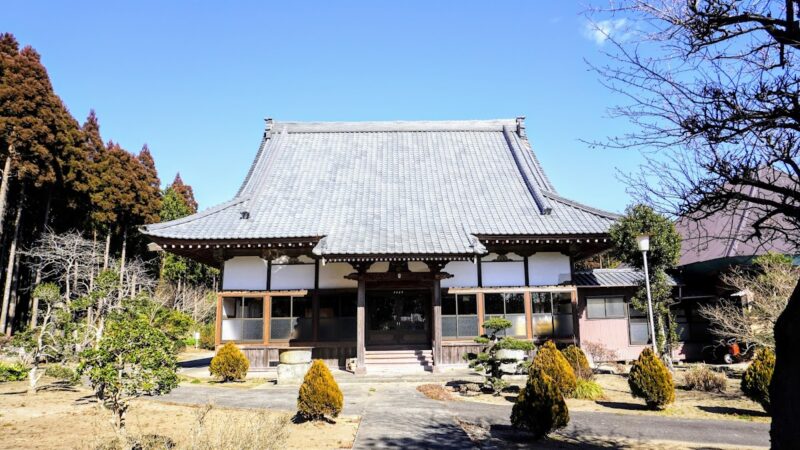
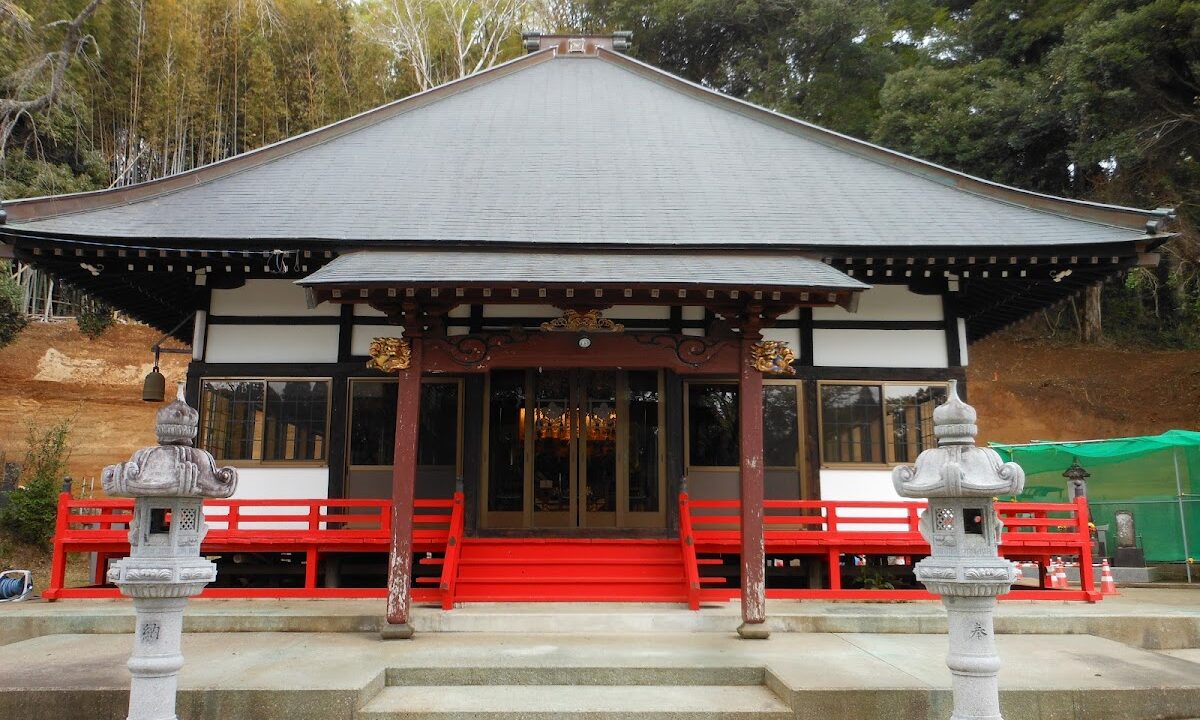
The grounds of Myokoin Hozoji Temple offer various points of interest, including the main hall. ### Main Hall
The main hall is the central building of the temple, housing the principal image, Dainichi Nyorai (Vairocana Buddha). It possesses a solemn atmosphere characteristic of Shingon Buddhist temples, providing a quiet space for prayer.
Stone Monuments and Sanskrit Characters
Several stone monuments, telling the story of the temple’s history, stand within the temple grounds. Some are inscribed with Sanskrit characters, a characteristic of Shingon Esoteric Buddhism temples. Sanskrit characters, symbolizing Buddhas and Bodhisattvas, hold significant meaning in Shingon Buddhism.
Nature within the Temple Grounds
The temple is surrounded by abundant nature, allowing visitors to enjoy the scenery of each season. Cherry blossoms bloom particularly in spring, and the autumn leaves are beautiful, soothing the hearts of visitors.
Annual Events and Memorial Services
At Myokoin Hozoji Temple, various annual events and memorial services are held in accordance with Shingon Buddhist traditions.
Main Annual Events
- First three days of the New Year: New Year’s visit to the shrine, Shusho-e (New Year’s ceremony)
- Spring Equinox: Equinox memorial service
- Obon: Urabon-e (Buddhist festival)
- Autumn Equinox: Equinox memorial service
- End of the year: New Year’s Eve bell ringing
These events are important milestones for the local community, attracting many parishioners and worshippers.
Goma Prayer Ceremony
In Shingon Buddhist temples, the Goma prayer ceremony is one of the important rituals. At Myokoin Hozoji Temple, Goma prayer ceremonies are performed with various wishes, including prayers for health, family safety, and protection from disaster. The flames of the Goma are believed to burn away worldly desires and grant wishes.
History and Culture of Yokoshibahikari Town
Yokoshibahikari Town, where Myokoin Hozoji Temple is located, is a region with a rich history and culture.
The Origins of Yokoshibahikari Town
Yokoshibahikari Town was formed on March 27, 2006, through the merger of Hikari Town (Sōsa District) and Yokoshiba Town (Sanbu District). Located south of Narita Airport and facing Kujūkuri Beach, it is a town rich in natural beauty. Agriculture is thriving, and it is particularly known for its specialty products such as green onions and tomatoes.
Cultural Properties in the Town
Yokoshibahikari Town boasts many cultural properties, including the standing Amida Triad statue at Myōkōin Hōzōji Temple. The town has created a “Yokoshibahikari Town Cultural Heritage Guide” and is striving to preserve and utilize the region’s historical heritage.
Surrounding Shrines and Temples
Around Myōkōin Hōzōji Temple, there are numerous shrines, including Shisha Shrine, and other temples. These religious facilities have served as centers of local faith, deeply intertwined with people’s lives throughout a long history.
Manners and Attitudes for Visiting Temples
When visiting temples, it is important to observe appropriate manners.
Basic Manners for Visiting a Temple
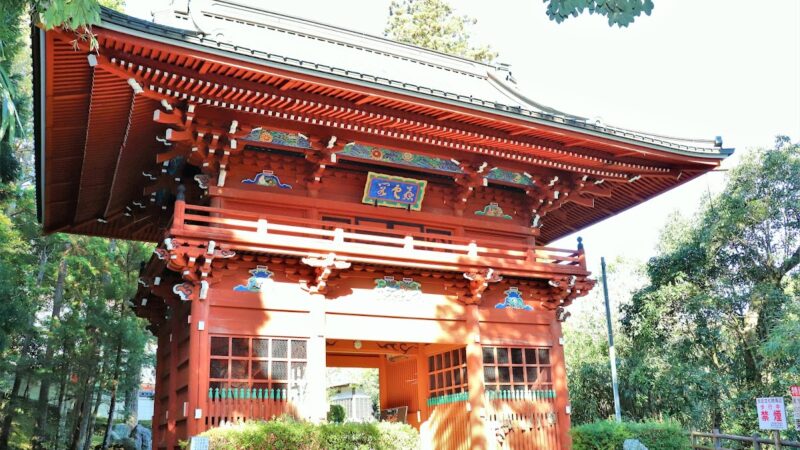
- Bow at the Temple Gate: Bow at the temple gate before entering the temple grounds.
- Proper Hand-Washing Etiquette: Cleanse your hands and mouth at the water basin.
- Quiet Worship: Walk quietly within the temple grounds and refrain from speaking loudly.
- Worship at the Main Hall: Join your hands in prayer in front of the main hall and pray quietly.
- Photography: Refrain from taking photographs outside of designated areas.
Clothing and Belongings
No special attire is required, but it is advisable to avoid revealing or flashy clothing and opt for subdued attire. Remember sun protection in summer and warm clothing in winter. Also, bring your goshuincho (stamp book) if you wish to receive a goshuin (temple stamp).
Detailed Access Information
Detailed access information for Myokoin Hozoji Temple is provided below.
Access by Train
The nearest station is Yokoshiba Station on the JR Sobu Main Line. From Tokyo Station, it takes approximately 1 hour 30 minutes to 2 hours by transferring between the Sobu Rapid Line and the Sobu Main Line. It’s a long walk from Yokoshiba Station, so we recommend taking a taxi or bus.
Access by Car
From Tokyo:
- Take the Higashi-Kanto Expressway, then from Narita IC, via National Route 296 and prefectural roads (approximately 40 minutes).
- Alternatively, there is a route via the Keiyo Road and National Route 126.
Parking: There is parking space on the temple grounds or nearby, but we recommend checking in advance.
Access by Bus
A town loop bus operates from Yokoshiba Station, but the number of services is limited, so it’s important to check the timetable in advance.
Nearby Tourist Attractions
When visiting Myokoin Hozoji Temple, we recommend also visiting nearby tourist attractions.
Kujukuri Beach
Yokoshibahikari Town faces Kujukuri Beach, offering beautiful coastline enjoyment. Swimming is available in the summer, and marine sports such as surfing can be enjoyed year-round. ### Roadside Station “Hikari”
This roadside station offers fresh local produce and specialty products. Processed goods made with Yokoshibahikari’s famous green onions and tomatoes are also sold.
Agricultural Experiences in Yokoshibahikari
Agricultural experience programs are offered in the town, allowing visitors to experience harvesting various crops depending on the season.
Goshuin (Temple Seals) and Gifts
At Myokoin Hozoji Temple, you can receive a Goshuin as a memento of your visit.
About Goshuin
A Goshuin is a calligraphic inscription and red seal given by a temple as proof of worship. Myokoin Hozoji Temple’s Goshuin includes the temple name and the name of the principal deity. When receiving a Goshuin, please bring your Goshuincho (stamp book) and request it respectfully.
Amulets and Gifts
Amulets are available for various wishes, such as health, academic success, and protection from disaster. As befits a Shingon Buddhist temple, they also offer amulets inscribed with Sanskrit characters.
Connections with the Community
Myokoin Hozoji Temple plays an important role not only as a religious facility but also as a central hub for the local community.
The Danka System and Local Community
Due to the Danka system, which has continued since the Edo period, the temple and local residents have deep ties. The temple plays a central role not only in funerals and memorial services but also in various community events.
Cultural Property Preservation Activities
Yokoshibahikari Town is committed to preserving cultural properties, including the standing Amida Triad statue at Myokoin Hozoji Temple. In cooperation with the town’s board of education, efforts are being made to pass on this valuable cultural heritage to future generations.
Participation in Local Events
Myokoin Hozoji Temple also plays an important role in town festivals and cultural events. As a hub for conveying local history and culture, it participates in various activities.
Teachings of the Shingon Chizan School
Let’s deepen our understanding of the teachings of the Shingon Chizan School, to which Myokoin Hozoji Temple belongs.
Characteristics of Shingon Esoteric Buddhism
Shingon Buddhism is a school of esoteric Buddhism that was introduced to Japan from China by Kobo Daishi Kukai. It centers on the teaching of “Sokushin Jobutsu” (becoming a Buddha in this very body) and emphasizes esoteric Buddhist rituals such as Goma prayer and Kaji prayer.
History of the Chizan School
The Chizan School belongs to the Shingi Shingon school within Shingon Buddhism, with Chishakuin Temple in Kyoto as its head temple. It has a tradition of emphasizing scholarship, and Chizan school temples throughout Japan are actively involved in educational activities.
Worship of Dainichi Nyorai
The principal deity of Shingon Buddhism is Dainichi Nyorai. Dainichi Nyorai represents the truth of the universe itself and is considered the source of all Buddhas. Myokoin Hozoji Temple also enshrines Dainichi Nyorai as its principal deity and practices its teachings.
Precautions When Visiting
Please note the following points when visiting Myokoin Hozoji Temple.
Visiting Hours
Visiting hours are during daylight hours. Visiting may not be possible during religious services or events, so it is recommended to check by phone in advance.
Protection of Cultural Properties
The temple grounds contain numerous valuable cultural properties, including the standing statue of Amida Triad, a town-designated cultural property. Touching or photographing them without permission is strictly prohibited.
Response in Case of Disaster
Chiba Prefecture is prone to natural disasters such as typhoons. Please refrain from visiting during bad weather and prioritize your safety.
Summary
Myokoin Hozoji Temple is an ancient temple of the Shingon Chizan sect located in Yokoshibahikari Town, Chiba Prefecture. It is a historical temple that houses valuable cultural properties from the late Heian period to the Kamakura period. The wooden standing statue of Amida Triad, a town-designated cultural property, is an important legacy that speaks to the richness of the Buddhist culture in this region and holds high value from an art historical perspective.
The temple grounds contain various elements that evoke the atmosphere of Shingon Esoteric Buddhism, such as stone monuments inscribed with Sanskrit characters, creating an ideal environment for quiet worship. Various Buddhist services and events are held throughout the year, and the temple continues to play an important role as a center of faith for the local people.
Yokoshibahikari Town is a naturally rich area facing Kujukuri Beach, and when visiting Myokoin Hozoji Temple, you can also enjoy the surrounding tourist attractions. Despite being only about two hours from Tokyo, it is a precious place where you can enjoy tranquil rural scenery and ocean views.
When visiting, please observe proper manners and offer your prayers quietly to pray for peace of mind and good health. Please fully appreciate the charm of this historic temple while also being mindful of the preservation of cultural properties.
Myokoin Hozoji Temple is a valuable place where you can experience the history and culture of Chiba Prefecture. Why not visit at least once and experience its tranquil atmosphere and the weight of its history for yourself?