Nago Shrine (Miyazaki Prefecture) Complete Guide | History, Benefits, and Goshuin Information for Miyazaki’s Oldest Shrine
What is Nago Shrine? | The Oldest Shrine that Originated the Place Name of Miyazaki
Nago Shrine, located in Mikota, Minamikata-cho, Miyazaki City, Miyazaki Prefecture, is known as one of the oldest shrines in Miyazaki Prefecture. It is said to have been founded before 142 AD, making it a prestigious shrine and one of the oldest in Miyazaki.
The most distinctive feature of Nago Shrine is that it is believed to be the origin of the place name “Miyazaki.” The prevailing theory is that the land in front of the shrine was called “Miyazaki,” making it a cornerstone of the region’s history and culture.
Located on the eastern slope of Mount Nago, the shrine grounds, surrounded by abundant nature, evoke a sense of tranquility and historical weight for visitors. Nago Shrine has deep ties to Miyazaki Shrine and, being located within the traditional site of Ninigi-no-Mikoto’s tomb, is an important location as a stage for Hyuga mythology.
Deities enshrined at Nago Shrine | Three gods related to the descent of the heavenly grandchild
Nago Shrine enshrines three gods deeply connected to Hyuga mythology.
Amatsuhikohikohono Ninigi-no-Mikoto
He is the grandson of Amaterasu-Omikami and the main character of the myth of the descent of the heavenly grandchild. It is said that Nago Shrine was founded when he descended from Takamagahara to Takachiho Peak in Hyuga Province and enshrined the gods of heaven and earth there. As the god of abundant harvests, he is a deity who brings about the development of agriculture and industry.
Ugayafukiaezu-no-Mikoto
He is the grandson of Ninigi-no-Mikoto and the father of Emperor Jimmu. Born to Toyotama-hime, the daughter of the sea god, and raised in Hyuga, he is worshipped as a god of safe childbirth and child-rearing.
Kamuyamato Iwarehiko-no-Mikoto | Emperor Jimmu
He is Emperor Jimmu, the first emperor of Japan. He led an eastward expedition from Hyuga to Yamato and was enthroned in Kashihara. He is revered as a god of national peace and victory.
These three deities symbolize the lineage of Hyuga mythology, from the descent of the heavenly grandchild to Emperor Jimmu’s eastward expedition, indicating that Nago Shrine is a shrine that enshrines the origin of the imperial lineage in Hyuga.
History and Origins of Nago Shrine | A Faith Continuing from the Reign of Emperor Seimu
Legend of its Founding and the Descent of Ninigi-no-Mikoto
The exact founding date of Nago Shrine is unclear, but according to the shrine’s legend, it is said to have begun when Ninigi-no-Mikoto descended from heaven to Takachiho-Kushifuru Peak in Hyuga Province, toured the country, and arrived at this location, where he enshrined the gods of heaven and earth.
A legend remains that when Ninigi-no-Mikoto arrived at this location, he asked, “This land is a land where the morning sun shines and the evening sun illuminates. Whose land is this?” to which Kotokatsukunikatsunagasa replied, “It is my land.” This place, known as “Agata no Nagaya,” is believed to be the current location of Nago Shrine.
Rituals by Takenouchi no Sukune in the Thirteenth Year of Emperor Seimu’s Reign
Later, in the thirteenth year of Emperor Seimu’s reign (around 142 AD), Takenouchi no Sukune is said to have enshrined Iwarehiko no Mikoto (Emperor Jimmu) and Fukiage no Mikoto, according to the shrine’s history. This period is the oldest recorded official founding date of Nago Shrine.
From Nago Hachimangu Shrine to Nago Shrine
Nago Shrine was formerly known as Gongen, and later, because Emperor Jimmu was revered as Usa Hachiman, it received the imperial title of Nago Hachimangu. It was also called Nagaya Shrine and was revered by the local people as the tutelary deity of six villages.
In the early Edo period, it was one of the leading shrines in the region, and visits and proxy visits by the Nobeoka domain’s magistrates and influential local figures were frequent. Many donations and land contributions were made by the lord’s retainers, and it flourished as a center of faith in the region.
Following the separation of Shinto and Buddhism during the Meiji era, the shrine was renamed Nago Shrine and has continued to attract worshippers as the guardian deity of the region to this day.
Benefits of Nago Shrine | Divine Virtue of Abundant Harvests and Protection from All Directions
Abundant Harvests and Business Prosperity
The enshrined deity, Ninigi-no-Mikoto, is a god of abundance who descended to earth after receiving rice stalks from Amaterasu-Omikami. Therefore, the most prominent benefit of Nago Shrine is abundant harvests, attracting worshippers not only from the agricultural sector but also from business owners seeking prosperity.
Prayer for Protection from All Directions
Nago Shrine is known as one of the few shrines in Miyazaki Prefecture where prayer for protection from all directions is offered. This prayer aims to ward off misfortunes related to directions and protect against calamities from all directions. Many worshippers visit the shrine to seek protection from misfortune during life’s turning points, such as moving, changing jobs, or building a new house.
Other Benefits
- Family Safety: Protects the region as a local guardian deity
- Safe Childbirth and Child-Rearing: Divine virtue of Ugayafukiaezu-no-Mikoto
- Prayer for Victory: In connection with Emperor Jimmu’s eastern expedition
- National Peace and Security: Due to the enshrinement of deities of the imperial lineage
Nago Shrine Grounds and Highlights
Main Hall and Worship Hall
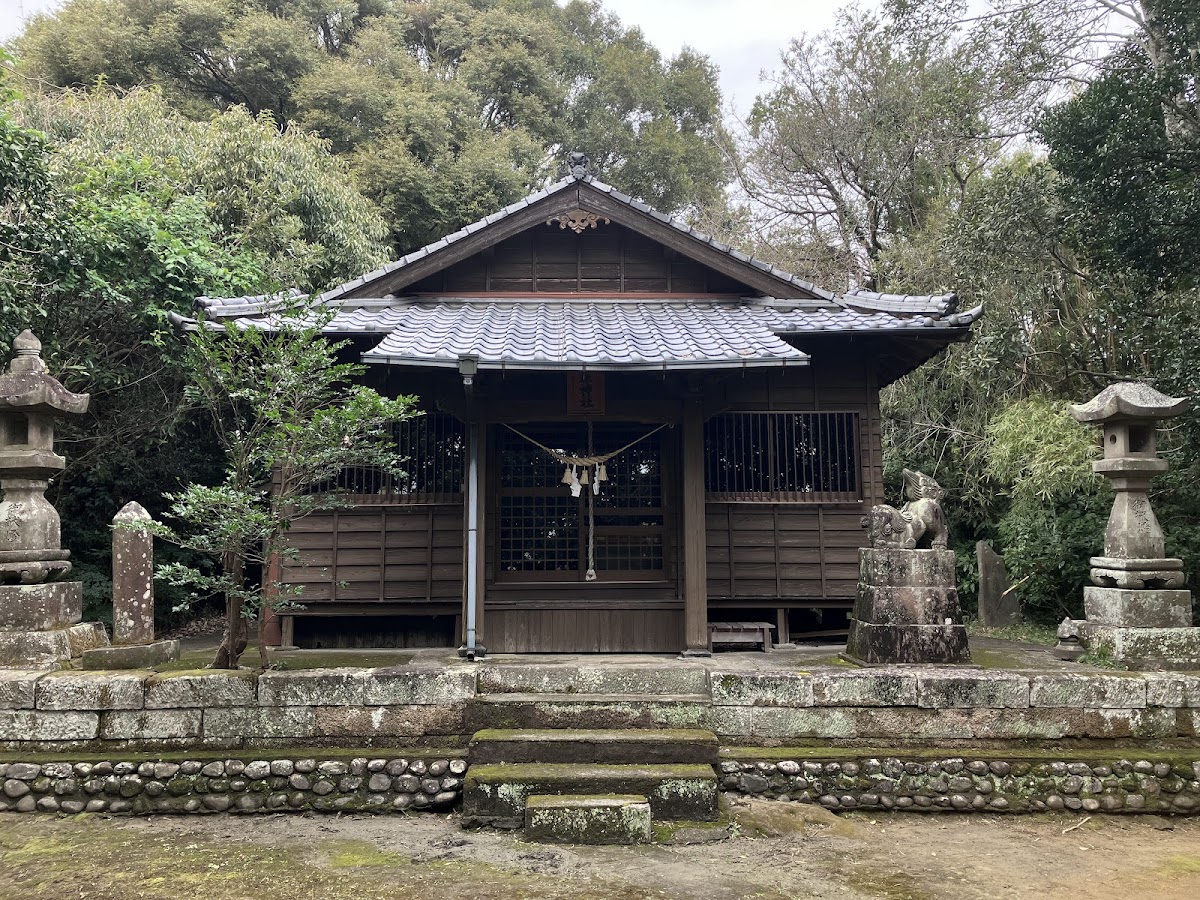
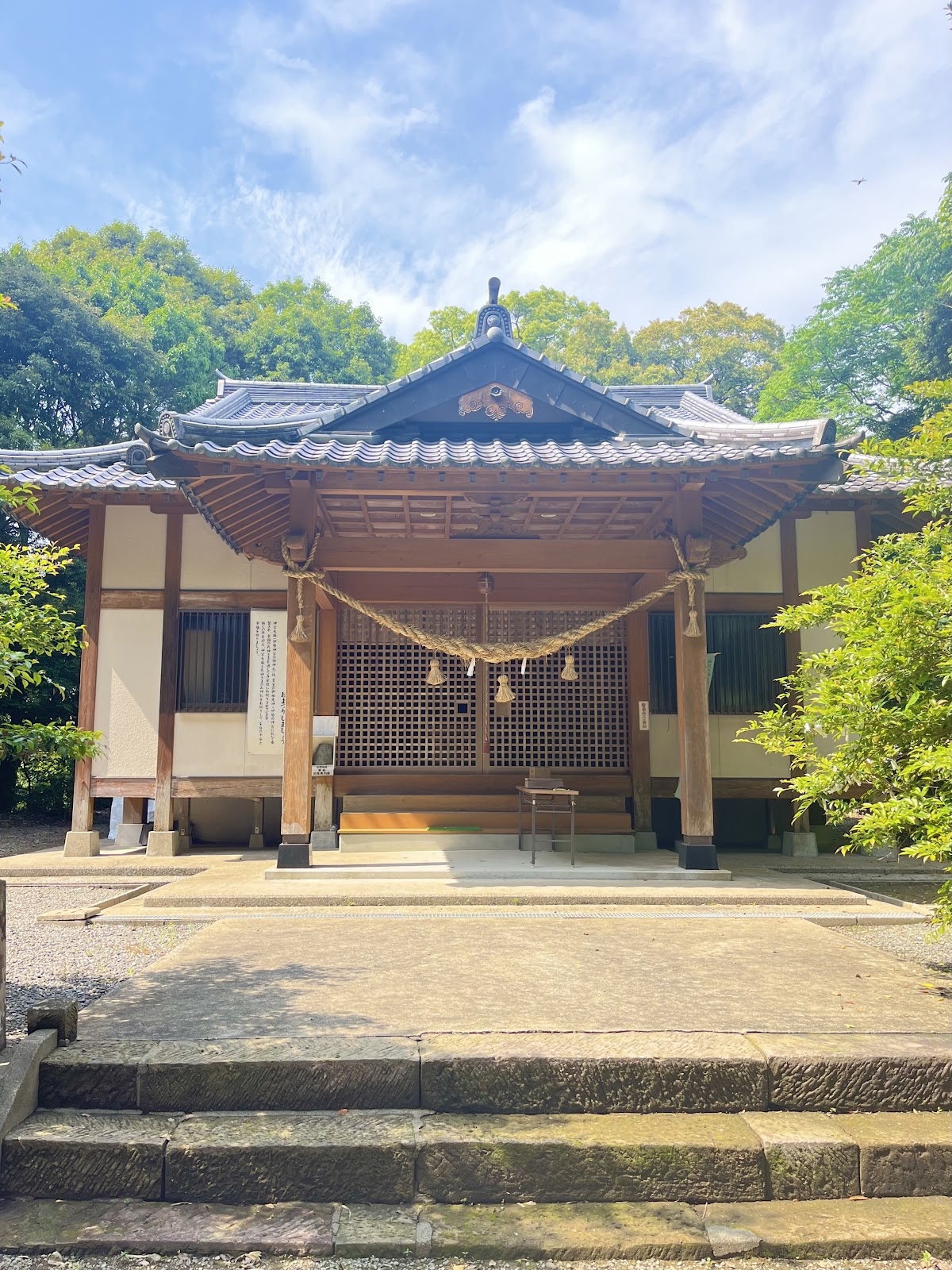
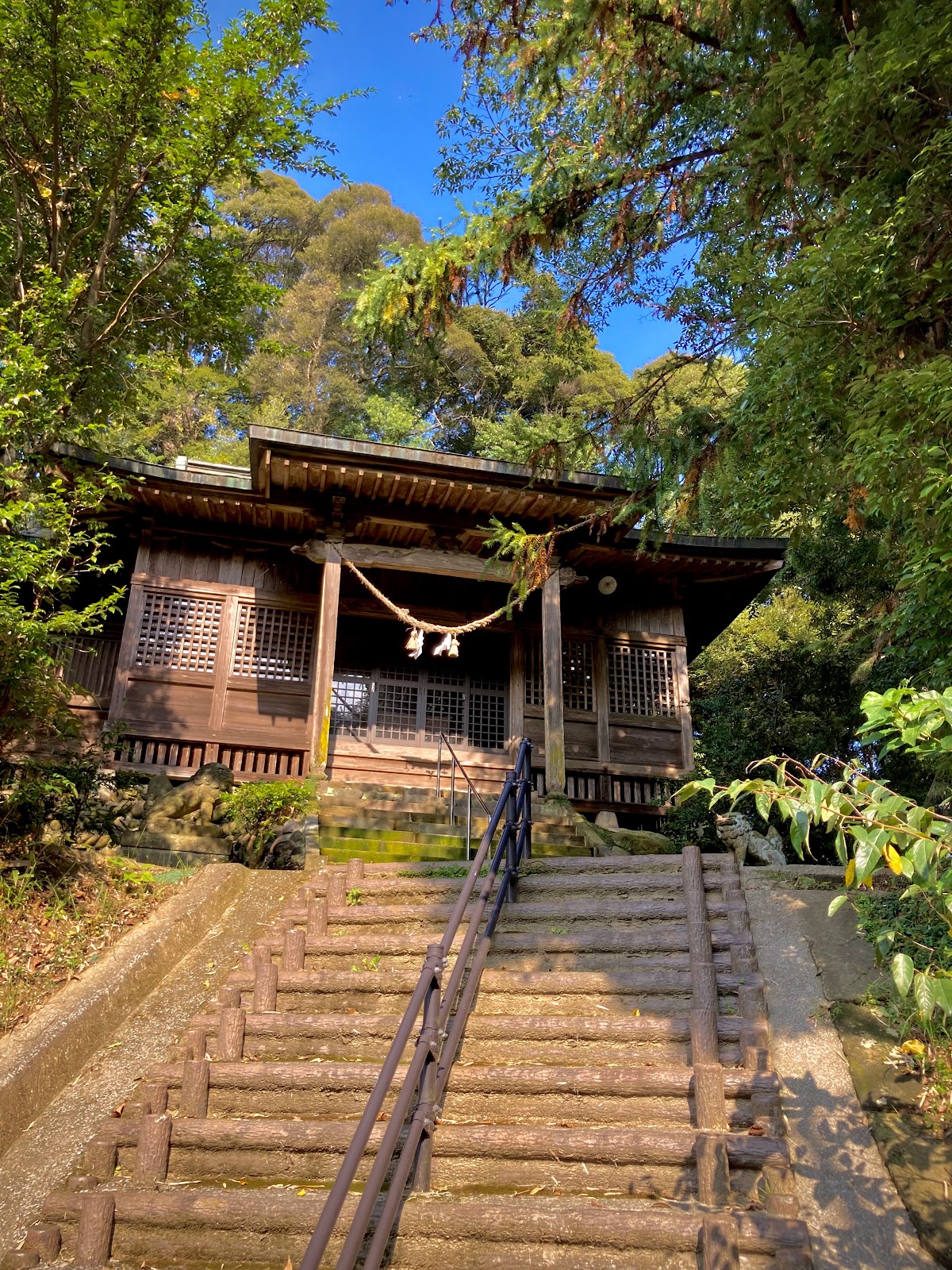
The main hall, built on the eastern slope of Mount Nago, preserves traditional shrine architecture. The worship hall is enveloped in a solemn atmosphere that quietly welcomes worshippers, conveying the history of ancient faith.
Nago Mausoleum Legend Site
Around Nago Shrine lies the legendary site of Ninigi-no-Mikoto’s mausoleum. While there are several Ninigi-no-Mikoto mausoleum legend sites in Miyazaki Prefecture, the area where Nago Shrine is located holds an important position as one of them.
A Shrine Surrounded by the Greenery of Mount Nagoyama, the shrine grounds offer beautiful scenery throughout the seasons. The sacred atmosphere is particularly enhanced during the fresh greenery of spring and the vibrant autumn foliage.
Annual Events and Festivals of Nara Shrine
Spring Kagura
Every year, Spring Kagura is performed at Nago Shrine. This traditional Kagura, passed down through generations in the region, is an important Shinto ritual praying for a bountiful harvest and the peace and prosperity of the community. It provides a precious opportunity for local people to gather and offer gratitude and prayers to the gods.
Grand Festivals
Several grand festivals are held throughout the year, attracting many worshippers. These festivals feature special rituals and serve as a platform for preserving the region’s traditional culture.
Daily Prayers and Outreach Ceremonies
Nago Shrine accepts various prayers for important life events such as baby blessings, Shichi-Go-San (a traditional rite of passage for children), exorcisms, and ground-breaking ceremonies. Furthermore, the shrine also accommodates off-site ceremonies and functions as a center of local faith.
Items and Goshuin (Shrine Seals) at Nago Shrine
Items
At Nago Shrine, you can receive various items such as amulets, talismans, and lucky charms. Amulets for a bountiful harvest, business prosperity, and protection from all directions are particularly popular.
Goshuin (Shrine Seals)
You can receive a goshuin as a memento of your visit. Due to its historical value as the oldest shrine in Miyazaki Prefecture and its origin as the source of the Miyazaki place name, it attracts attention from goshuin collectors.
Access and Visiting Information for Nago Shrine
Location
Address: Mikoto, Minamikata-cho, Miyazaki City, Miyazaki Prefecture
Access Methods
Access by Car:
- Approximately 15 minutes from central Miyazaki City
- Approximately 20 minutes from Miyazaki IC on the Miyazaki Expressway
- Parking available
Public Transportation:
- Take a bus from JR Miyazaki Station
- Walk from the nearest bus stop
For detailed access information, please check the official Nago Shrine website.
Visiting Hours
While visiting the shrine grounds is generally free, the shrine office has limited hours. Therefore, it is recommended to check in advance if you wish to receive a Goshuin (shrine stamp) or make a prayer.
Relationship with Miyazaki Jingu Shrine
Nago Shrine has a deep relationship with Miyazaki Jingu Shrine located in Miyazaki City. Both shrines are related to the legendary tomb of Ninigi-no-Mikoto and are positioned as important settings in Hyuga mythology.
While Miyazaki Shrine was a Kanpei Taisha (a high-ranking shrine) with Emperor Jimmu as its principal deity, Nago Shrine has been revered as the local tutelary deity by six villages. Visiting both shrines will provide a deeper understanding of the mythology, traditions, and history of Miyazaki.
Nago Shrine and the Origin of the Place Name Miyazaki
There are several theories regarding the origin of the place name “Miyazaki,” but the most plausible theory is that it refers to the land that spreads out in front of the shrine of Nago Shrine (Miya-no-mae = Miyazaki). This indicates that a shrine has existed in this area since ancient times, and the region was formed based on that “shrine.”
Furthermore, the words of Ninigi-no-Mikoto, “The land where the morning sun shines, the land where the evening sun illuminates,” describe Miyazaki’s warm and sunny climate, indicating that this land was recognized as fertile from ancient times.
Nago Shrine is not merely a shrine; it is an entity deeply connected to the very foundation of Miyazaki’s regional identity.
Etiquette and Manners for Visiting Nago Shrine
Basic Etiquette for Worship
- Bow before the Torii Gate: A greeting before entering the sacred area.
- Purify yourself at the water basin: Purify your left hand, right hand, and mouth in that order.
- Walk along the edge of the path: The center is the path for the gods.
- Two bows, two claps, one bow: Basic worship etiquette.
Photography
Photography is generally permitted within the shrine grounds, but please be mindful of respectful behavior, such as refraining from taking photos inside the main hall or during Shinto rituals.
Attire
There are no specific dress code requirements, but clean and modest attire that reflects the sacred nature of the place is desirable.
Tourist Attractions Around Nago Shrine
When visiting Nago Shrine, we recommend also visiting other tourist attractions in Miyazaki City.
- Miyazaki Shrine: A Grand Imperial Shrine dedicated to Emperor Jimmu
- Aoshima Shrine: A seaside shrine famous for matchmaking
- Heiwadai Park: An observation park with a Tower of Peace
- Miyazaki Prefectural Museum: A place to learn about Miyazaki’s history and culture
Miyazaki City is a treasure trove of mythology and history, and Nago Shrine is an important center with the oldest history among them.
The Present and Future of Nago Shrine
Nago Shrine, with a history of over 1800 years since its founding, continues to function as a center of local faith. It is also engaged in modern information dissemination, such as posting daily updates and event information through its official website and social media (Instagram).
Regularly updating information as Nago Shrine News, the shrine is open not only to local residents but also to visitors from outside the prefecture, adapting to the new era while preserving tradition.
Through multifaceted activities such as the preservation of traditional events like spring kagura dances, education in mythology and history for younger generations, and its role as a community hub, Nago Shrine will be passed down to future generations as a cultural heritage of Miyazaki.
Summary | Nago Shrine: The Origin of Miyazaki
Nago Shrine, located in Mikoto, Minamikata-cho, Miyazaki City, Miyazaki Prefecture, is the oldest shrine in Miyazaki and the origin of the name Miyazaki itself. It can be considered the origin of the region’s history and culture.
It enshrines three deities, including Ninigi-no-Mikoto, the main character of the myth of the descent of the heavenly grandchild, and is known for its blessings of abundant harvests, business prosperity, and protection from all directions. Throughout its long history, dating back to the reign of Emperor Seimu, it has been revered by the local people as a tutelary deity, and continues to attract many worshippers today.
When you visit Miyazaki, be sure to visit Nago Shrine and experience the spirit of Hyuga mythology and the origin of Miyazaki. Nestled amidst the lush greenery of Mount Nagoya, this tranquil temple grounds offer a glimpse into its long history and the presence of the gods.