About Narazuhiko Shrine
Narazuhiko Shrine is a Shikinaisha (a shrine listed in the Engishiki Jinmyocho, a historical record of shrines) located in Narazaka-cho, Nara City, Nara Prefecture. It is also written as “Narazuhiko Shrine” and is affectionately known as “Narazuhiko-san” by locals. Located in Narazaka, north of Heijo-kyo (the ancient capital), it has long been revered as a shrine protecting a vital transportation hub.
Deities and History
Main Deities
- Narazuhiko-no-kami
- Narazuhime-no-kami
- Kasuga-no-O
History of the Shrine
The exact founding date is unclear, but it is a Shikinaisha listed in the Engishiki Jinmyocho, confirming its existence before the Heian period. According to shrine tradition, the shrine originated when Prince Kasuga, son of Emperor Kōnin, died in this area, and his spirit was enshrined here.
Prince Kasuga is said to have excelled in scholarship and was also deeply knowledgeable in the performing arts. Many people came to worship him out of admiration for his virtues. From the medieval period onward, the shrine came under the influence of Kōfuku-ji Temple and adopted a form of syncretism between Shinto and Buddhism. However, the separation of Shinto and Buddhism in the Meiji era resulted in its current form.
Okina-mai and Important Intangible Folk Cultural Property
History of Okina-mai
Narazuhiko Shrine is known as the birthplace of Okina-mai. Okina-mai is a Shinto ritual performing art considered to be the origin of Noh theater, and is performed annually at the festival on October 8th. This Okina-mai is designated as an Important Intangible Folk Cultural Property of Japan and occupies an extremely important position in the history of Japanese performing arts.
Characteristics of the Okina Dance
The Okina dance at Narazuhiko Shrine is performed using three Okina masks: Hakushikijō, Kokushikijō, and Chichinojō. Considered the prototype of the Noh play “Okina,” it is a valuable performing art that retains strong ancient traditions, attracting attention from performing arts researchers and enthusiasts.
Highlights of the Shrine Grounds
Main Hall and Worship Hall
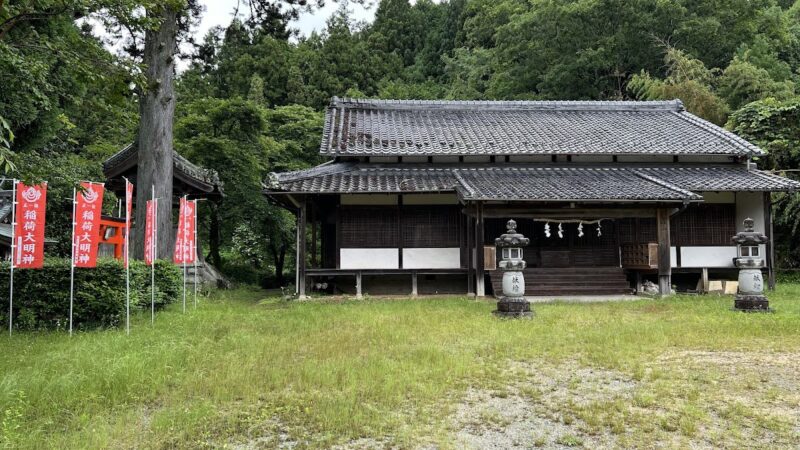
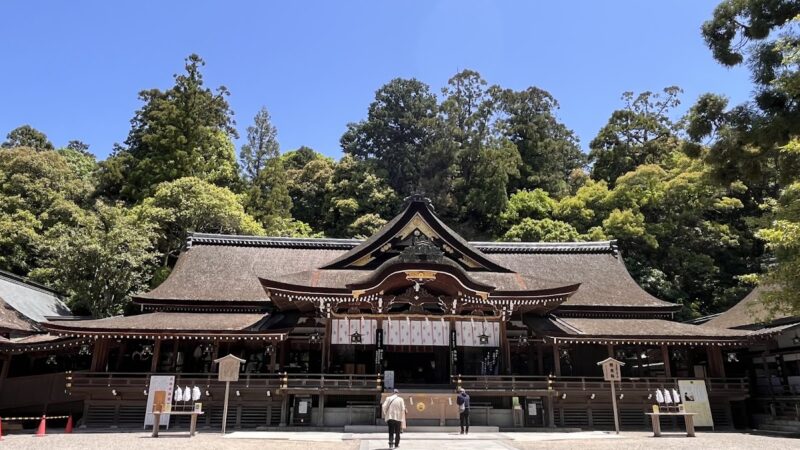
The main hall is built in the Kasuga-zukuri style and is believed to have been constructed in the mid-Edo period. The worship hall has a hip-and-gable roof and a tranquil atmosphere that quietly welcomes visitors.
Subsidiary Shrines
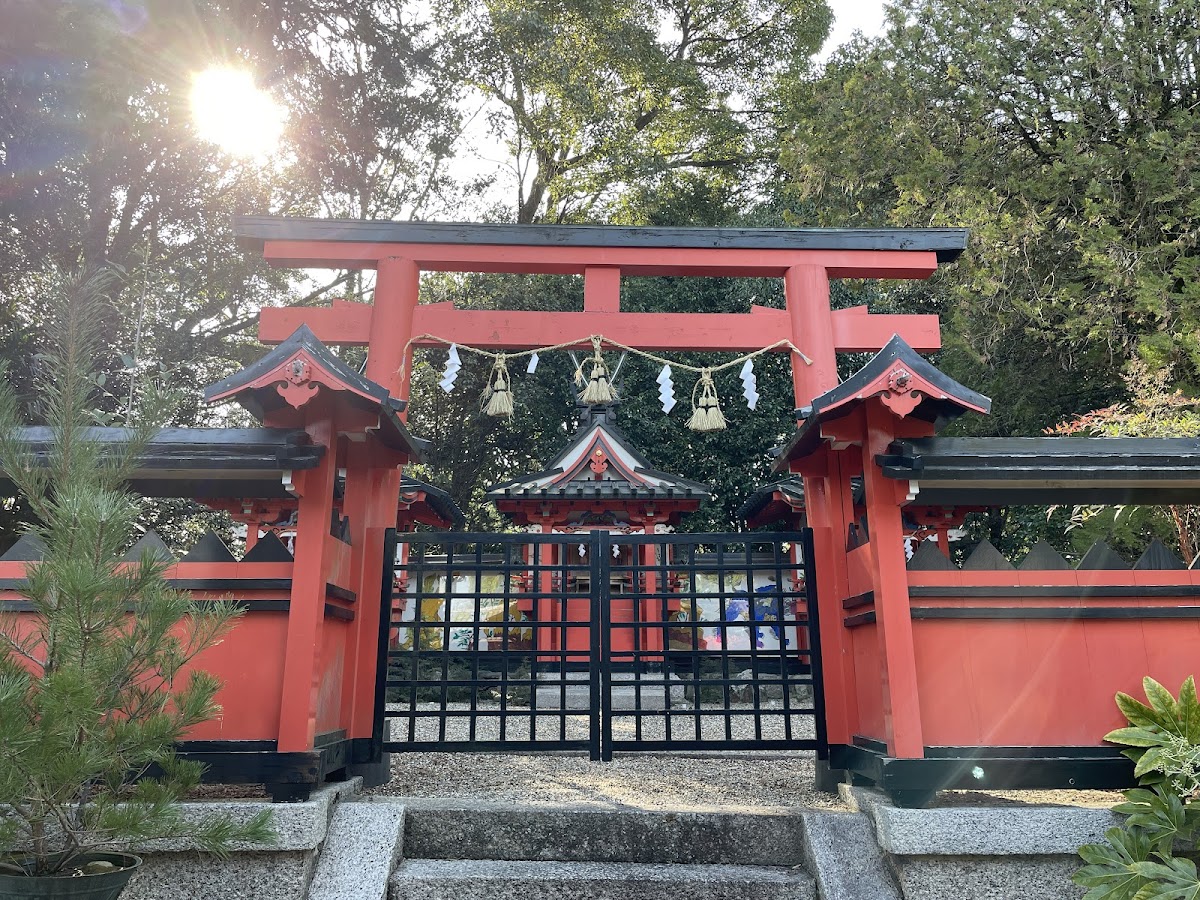
Several subsidiary shrines are enshrined within the grounds, each offering unique blessings.
- Jinushi Shrine – Guardian deity of the land
- Inari Shrine – Prayers for business prosperity and abundant harvests
- Kasuga Shrine – Shows a connection to Kasuga Taisha Shrine
Sacred Tree and Nature
Within the shrine grounds stands a sacred camphor tree, said to be several hundred years old. Its majestic presence leaves a deep impression on visitors. The tranquil environment surrounded by the nature of Narasaka allows you to forget the hustle and bustle of the city.
Points to Note When Visiting a Shrine
Etiquette for Visiting a Shrine
- Bow before passing through the torii gate – As a sign of respect when entering the sacred area.
- Purify yourself at the water basin – Purify your left hand, right hand, and mouth in that order.
- Bow twice, clap twice, and bow once in front of the main hall – Follow the general etiquette for visiting a shrine.
- Quietly recite your wish in your heart – Make a specific and positive wish.
Recommended Time to Visit
- October 8th (Annual Festival/Okina Dance Dedication) – The most important festival day. A rare opportunity to witness the Okina-mai dance
- Spring (April) – The cherry blossom season, the natural beauty of the shrine grounds
- Autumn (November) – The autumn foliage season, ideal for a quiet visit
- Weekday mornings – For those who want to avoid crowds and visit at their own pace
Estimated time required for visit
A typical visit takes about 20-30 minutes. If you want to stroll around the grounds at a leisurely pace, allow 45 minutes to 1 hour.
Benefits
Main Benefits
Narazuhiko Shrine is said to offer the following benefits:
Academic Success and Passing Exams
Because Prince Kasuga excelled in academics, many visitors come to pray for passing exams and academic success. Especially during exam season, many votive tablets praying for success are dedicated.
Improvement in Performing Arts
As the birthplace of the Okina-mai dance, this shrine is believed to bring blessings for improvement in performing arts and enhancement of skills. A wide range of people involved in the performing arts, including traditional performers, musicians, actors, and dancers, visit the shrine.
Protection from Misfortune and Good Fortune
Located at a transportation hub, this shrine has long been a place of worship for safe travel and protection from misfortune. Many people visit at important turning points in their lives.
Items Offered
- Amulet for Academic Success – Popular with students taking exams
- Amulet for Improvement in Performing Arts – For those pursuing artistic pursuits
- Goshuin (Temple Seal) – Regular goshuin and limited edition goshuin available on special days
Access Information
Access by Train
From Kintetsu Nara Station
- Take the Nara Kotsu bus bound for “Shumidai 8-chome” or “Aoyama Jutaku”
- Get off at the “Narasaka” bus stop and walk for approximately 5 minutes
- Travel time: Approximately 15 minutes (bus ride + walking)
From JR Nara Station
- Take the Nara Kotsu bus bound for “Shumidai 8-chome” or “Aoyama Jutaku”
- Get off at the “Narasaka” bus stop and walk for approximately 5 minutes
- Travel time: Approximately 20 minutes (bus ride + walking)
On Foot
- Approximately 30 minutes on foot from Kintetsu Nara Station
- The route heading north through Nara Park is perfect for a stroll.
Access by Car
- Approximately 15 minutes from the Kizu IC on the Keina-Wa Expressway
- Approximately 20 minutes from the Horai IC on the Daini-Hanna Expressway
- Accessible via National Route 24
- Parking: Free parking available for visitors on the temple grounds (approximately 10 cars)
Address and Contact Information
- Address: 2489 Narazaka-cho, Nara City, Nara Prefecture 630-8104
- Phone: 0742-23-1025
- Visiting Hours: Grounds are freely accessible (temple office is open from 9:00 to 17:00)
- Admission Fee: Free
Nearby Tourist Attractions
Hannya-ji Temple (approximately 10 minutes on foot)
An ancient temple known as the Cosmos Temple. In autumn, the temple grounds are covered in blooming cosmos flowers. ### Nara Park (approx. 20-minute walk)
The heart of Nara tourism. It’s home to numerous World Heritage sites, including Todai-ji Temple, Kasuga Taisha Shrine, and Kofuku-ji Temple.
Heijo Palace Site (approx. 10-minute drive)
A Nara period palace site registered as a World Heritage site. It’s developed as a vast historical park.
Summary
Narazuhiko Shrine is a shrine that preserves the Okina-mai dance, an important cultural asset in the history of Japanese performing arts, and is also revered as the god of learning and performing arts, attracting many worshippers. Its quiet location, slightly removed from the city center of Nara, is also appealing, allowing for a peaceful visit.
When sightseeing in Nara, visiting shrines with deep history and culture like this one, in addition to major tourist spots, will allow you to experience a deeper charm of Nara. The Okina-mai dance, especially the one performed at the annual festival in October, is a valuable traditional performing art well worth seeing.