Nishihata Shrine (Hyogo Prefecture) Complete Guide | A Thorough Explanation of History, Deities, Blessings, and Visiting Information
What is Nishihata Shrine?
Nishihata Shrine is a historical shrine located in Hyogo Prefecture. It has long been cherished by local people as the guardian deity of the region, and is known for its blessings of abundant harvests, family safety, and business prosperity. The tranquil grounds are surrounded by nature throughout the seasons, providing a peaceful and calming place of worship for visitors.
Hyogo Prefecture has a long history of strong shrine worship, and Nishihata Shrine is one of the important shrines that plays a part in that history. As a center of the local community, various festivals are held throughout the year, serving as a spiritual anchor for local residents.
History and Origins of Nishihata Shrine
Origin of Founding
While there are no clear records regarding the founding date of Nishihata Shrine, local traditions suggest it has a history of several hundred years or more. This shrine has long been deeply intertwined with the agricultural culture of this region and has been revered as a deity for praying for bountiful harvests.
The name of the shrine, “Nishihata,” is thought to originate from the fact that this area was once rich farmland. A strong theory suggests that the name was given because the deity was enshrined as the guardian of the fields that stretched to the west.
Changes Through the Ages
Records show that during the Edo period, the shrine buildings were renovated by local village headmen and influential figures. During the Meiji era’s separation of Shinto and Buddhism, the shrine maintained its independence while continuing to serve as a center of local faith.
In the Showa period, despite being affected by war damage and natural disasters, it was restored through the fervent faith of local residents, reaching its current form. From the Heisei to the Reiwa era, the shrine grounds were improved and the shrine buildings were repaired, creating a system to welcome more worshippers.
Deities and Benefits
Main Deity
The deity enshrined at Nishihata Shrine is a god who has been worshipped since ancient times as the guardian deity of the region. Generally revered as a god of agriculture and a guardian deity of the land, the following deities are believed to be enshrined here:
- Okuninushi-no-Mikoto: God of nation-building, god of matchmaking and business prosperity
- Sarutahiko-no-Mikoto: God of opening paths, god of traffic safety and guidance
- Amaterasu-Omikami: Goddess of the sun, goddess of national peace and abundant harvests
Main Benefits
By visiting Nishihata Shrine, the following benefits are believed to be received:
- Abundant Harvest and Agricultural Prosperity: Due to its nature as a god of agriculture, many farmers visit to pray for a bountiful harvest.
- Family Safety and Harmony: As the local guardian deity, people pray for the health and happiness of their families.
- Business Prosperity and Success: It is deeply revered by local shop owners and business managers.
- Protection from Evil and Misfortune: It is customary to visit the shrine at life’s milestones and during unlucky years.
- Traffic Safety: As a deity protecting the safety of the region, the shrine also offers blessings for cars.
- Matchmaking and Prayer for Good Relationships: When Okuninushi-no-Mikoto is enshrined, blessings for matchmaking can also be expected.
Highlights of the Shrine Grounds
Main Hall and Worship Hall
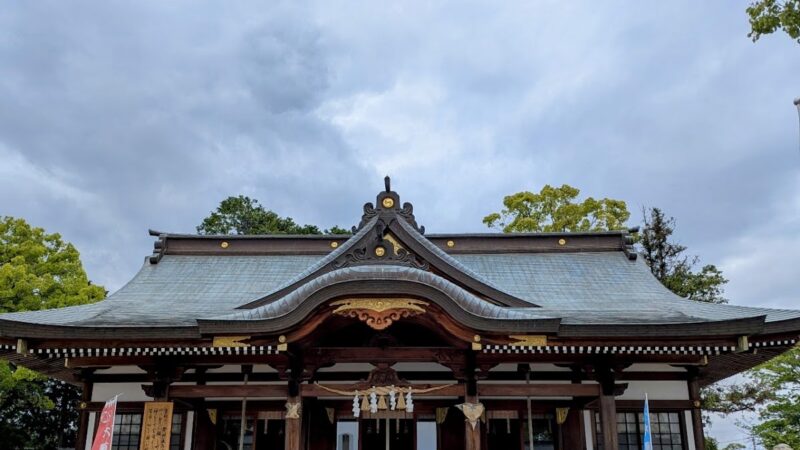
The main hall of Nishihata Shrine follows traditional shrine architectural styles. The worship hall, a place where worshippers offer prayers, is kept clean and exudes a solemn atmosphere.
The architectural style is adapted to the local climate and environment, allowing you to feel the warmth of wood and the beauty of Japanese architecture. In particular, the carvings and decorations showcase the skill of the craftsmen, and we recommend observing the details carefully when you visit.
Torii Gate and Approach
The torii gate standing at the entrance of the shrine serves as a boundary separating the secular world from the sacred realm. When passing through the torii gate, bowing and avoiding walking in the center of the approach path is the proper etiquette for worship.
The approach path is surrounded by nature that changes with the seasons, showing different expressions each time: cherry blossoms in spring, fresh greenery in summer, autumn leaves in fall, and a tranquil snowscape in winter.
Water Basin
The water basin, where you purify your body and mind before worship, is located near the entrance to the shrine grounds. By purifying your hands and mouth with the correct etiquette, you show respect to the gods.
Water Basin Etiquette:
- Take the ladle with your right hand and purify your left hand.
- Switch the ladle to your left hand and purify your right hand.
- Switch the ladle back to your right hand, receive water in your left hand, and rinse your mouth.
- Purify your left hand once more.
- Hold the ladle upright, purify the handle, and return it to its original position.
Subsidiary Shrines and Auxiliary Shrines
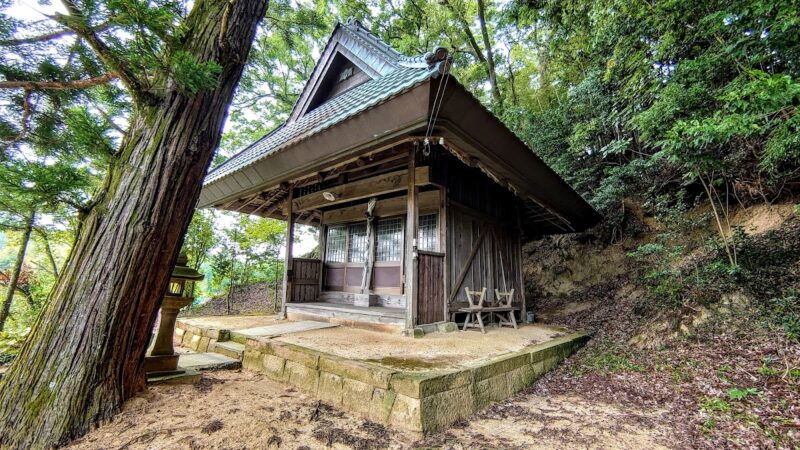
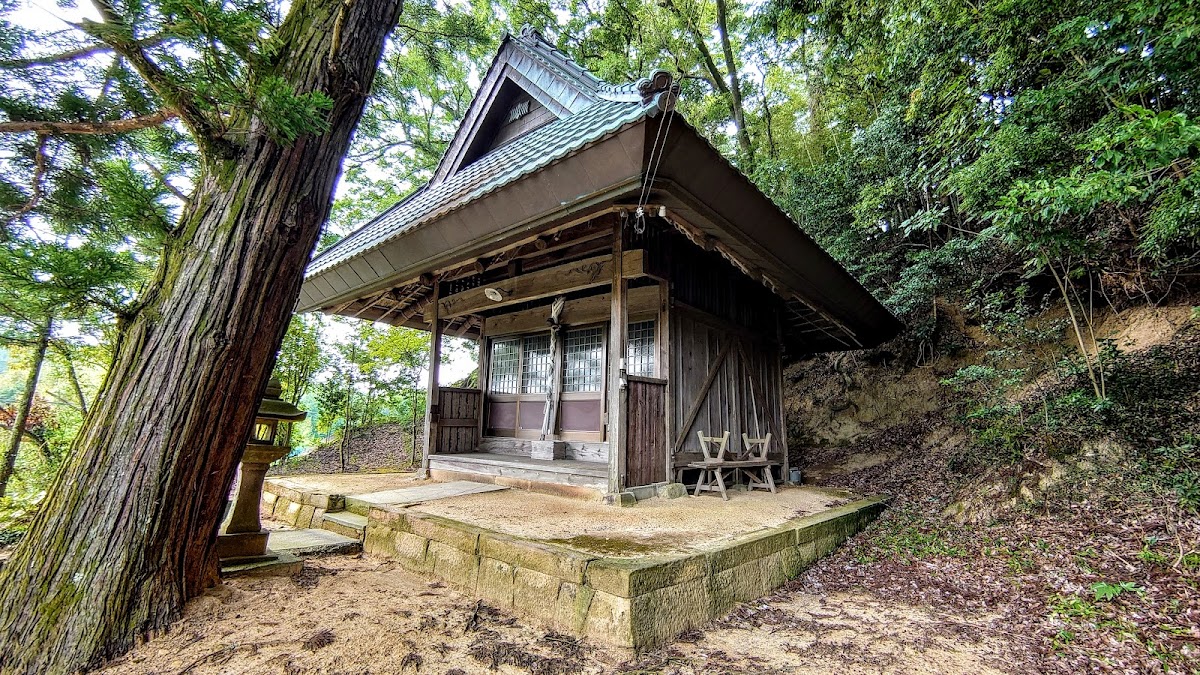
Several subsidiary shrines and auxiliary shrines may be enshrined around the main shrine. These are small shrines dedicated to deities other than the main shrine’s enshrined deity, each offering different blessings.
When Inari shrines, Ebisu shrines, or Tenmangu shrines are located alongside, it’s possible to pray specifically for particular wishes, such as business prosperity or academic success.
Sacred Trees
Sometimes, sacred trees, said to be hundreds of years old, stand within the shrine grounds. These large trees are believed to be inhabited by deities, and many visitors come to these power spots. By touching the sacred trees or taking deep breaths nearby, you can feel the energy of nature.
Annual Events and Festivals
Grand Festival
The most important festival at Nishihata Shrine is the Grand Festival. Often held around autumn each year, it’s a lively event featuring a portable shrine procession, performances, and food stalls. The entire community participates in making it the most vibrant time of the year.
New Year’s Visit and Events
For the New Year’s visit, many worshippers, mainly local residents, come to the shrine. The period from January 1st to 3rd is particularly crowded, with prayers offered for family safety, business prosperity, and academic success.
During the New Year period, amazake (sweet rice wine) may be served, and lucky charms such as hamaya (demon-repelling arrows) and kumade (rakes) may be distributed.
Setsubun Festival
The Setsubun Festival, held around February 3rd, involves bean-throwing and prayers for warding off evil. With the chant of “Fortune in, demons out!”, prayers are offered for good health and protection from illness throughout the year.
Summer Purification Ceremony
The Summer Purification Ceremony (Nagoshi no Oharai), held at the end of June, is a Shinto ritual to purify oneself of sins and impurities accumulated over the past six months. If a ritual involving passing through a ring of reeds is performed, passing through it three times in a figure-eight pattern is believed to purify the mind and body.
Autumn Grand Festival/Harvest Festival
During the autumn harvest season, a harvest festival is held to give thanks for a bountiful harvest. The year’s harvest is offered to the gods, expressing gratitude for the bountiful harvest and praying for a good harvest the following year.
How to Worship and Manners
Correct Worship Etiquette
There are basic manners to follow when visiting a shrine. Follow these steps when visiting a shrine:
- Bow at the Torii Gate: Bow before passing through the torii gate to show respect for entering the sacred area.
- Walking the Path: The center of the path is the path of the gods, so walk along the sides.
- Purify at the Water Basin: Purify your hands and mouth at the water basin to cleanse your mind and body.
- Worship at the Main Hall:
- Quietly place your offering in the offering box.
- Ring the bell (if present).
- Perform the two bows, two claps, one bow (bowing deeply twice, clapping twice, bowing deeply once).
- State your wish clearly in your heart.
- Bow Upon Departure: When leaving, turn back to the torii gate and bow.
Attire for Visiting a Shrine
Unless you are receiving a special prayer, everyday clothing is acceptable, but please note the following:
- Wear clean clothing.
- Avoid revealing clothing.
- Shoes are preferable to sandals.
- Remove hats and sunglasses before entering the main hall.
Photography Etiquette
Photography is generally permitted on the shrine grounds, but please observe the following etiquette:
- Refrain from photographing the interior of the main hall or the Shinto priests.
- Be considerate of the privacy of other worshippers.
- Check in advance before using a tripod.
- Use flash photography sparingly.
Information on Amulets and Goshuin (Shrine Seals)
Types of Amulets
Nishihata Shrine offers various types of amulets:
- Family Safety Amulet: Protects the health and peace of the family.
- Traffic Safety Amulet: Prays for safe driving of cars and bicycles.
- Business Prosperity Amulet: Prays for the development and prosperity of business.
- Academic Success Amulet: Prays for success in exams and academics.
- Exorcism Amulet: Prays for warding off misfortune and evil.
- Health Amulet: Prays for recovery from illness and maintenance of good health.
- Matchmaking Charm: A charm for good relationships and harmonious interpersonal connections.
It is customary to replace charms with new ones approximately every year and return old charms to the shrine.
About Goshuin (Shrine Seals)
You can receive a Goshuin as a memento of your visit to the shrine. A Goshuin is not merely a stamp; it is a symbol of your visit and a way to forge a connection with the deities.
Manners for Receiving a Goshuin (Shrine Stamp):
- Always pray before receiving a Goshuin.
- Prepare a Goshuincho (stamp book) (notebooks or paper are not acceptable).
- Prepare the offering fee (usually 300-500 yen).
- Don’t forget to express your gratitude to the Shinto priest.
- Be prepared to wait during busy times.
Prayers and Exorcisms
Nishihata Shrine sometimes accepts prayers and exorcisms for individuals and families:
- Prayer for Protection from Misfortune: Protection from misfortune for those in their unlucky year.
- Prayer for Family Safety: Health and peace for the family.
- Prayer for Business Prosperity: Development of the business.
- Vehicle Purification: Purification of new and used cars.
- First Shrine Visit: Praying for the healthy growth of a baby.
- Shichi-Go-San Visit: Celebrating a child’s growth.
If you wish to have a prayer performed, it is recommended to contact the shrine office in advance to make a reservation.
Access and Parking Information
Location
For the exact location of Nishihata Shrine, it is recommended to check official information or the local tourist information center before visiting. It is located in the relevant area within Hyogo Prefecture.
Access by Public Transportation
It is often within walking distance from the nearest station or accessible by bus. Specific access methods can be confirmed using the following methods:
- Inquire with the local tourist association
- Search using online map services
- Ask at the tourist information center at the nearest station
Access by Car
Access by car is also possible. Searching for “Nishihata Shrine” on a car navigation system or smartphone map app will display route guidance.
Parking
Parking for visitors is generally available on the shrine grounds or nearby. However, please note the following:
- The parking lot may be full during peak times such as the annual festival or New Year’s visit.
- The number of available parking spaces may be limited.
- Please be considerate of the neighbors.
- Avoid parking for extended periods.
Nearby Tourist Attractions
Visiting Shrines and Temples in Hyogo Prefecture
When visiting Nishihata Shrine, it is recommended to also visit the surrounding shrines and temples. Hyogo Prefecture has many historical shrines, each with its own unique charm.
Local Landmarks and Tourist Attractions
Around the shrine, there are many local tourist spots and natural landscapes. Enjoy a leisurely stroll while appreciating the nature that changes with the seasons.
Local Cuisine
After visiting the shrine, it is recommended to sample local specialties and regional cuisine. Hyogo Prefecture has a rich food culture, and you can enjoy various gourmet foods such as Kobe beef, Akashi-yaki, and Banshu soba.
Best Time of Year for Visiting
Seasonal Highlights
Spring (March-May)
- The temple grounds are beautifully adorned with cherry blossoms.
- The fresh greenery is beautiful, and you can feel the refreshing air.
- The weather is mild, making it ideal for visiting.
Summer (June-August)
- Summer events such as the Summer Purification Ceremony are held.
- Visiting in the early morning or evening is recommended for its coolness.
- You can enjoy nature in the lush green temple grounds.
Autumn (September-November)
- Major events such as the annual festival are held.
- The autumn leaves are beautiful, making it ideal for photography.
- You can feel the bounty of the region at the harvest festival.
Winter (December-February)
- A busy time for New Year’s visits.
- You can visit in peace in the tranquil temple grounds.
- You can participate in winter events such as the Setsubun Festival.
Recommended Visiting Time
- Early Morning (6:00 AM – 8:00 AM): Enjoy a peaceful and refreshing visit in quiet air.
- Morning (9:00 AM – 12:00 PM): The sunlight is pleasant, making it ideal for photography.
- Afternoon (1:00 PM – 4:00 PM): The shrine office is open, and you can receive Goshuin (shrine stamps) and amulets.
- Evening (4:00 PM – 6:00 PM): The shrine grounds illuminated by the setting sun create a magical atmosphere.
If you want to avoid crowds, weekday mornings are recommended.
Guidelines for Visiting Nishihata Shrine
The Significance of Worship
Visiting a shrine is not merely sightseeing or visiting a power spot; it is an act of expressing gratitude and respect to the gods. It is important to pray not only for your own happiness but also for the happiness of those around you, such as gratitude for daily life, the health of your family, and peace in your community.
How to Express Your Wish
When making a wish during your visit, keep the following points in mind:
- Self-Introduction: Mentally state your address and name.
- Gratitude: First, express gratitude for the blessings you receive daily.
- Specific Wish: State your wish specifically, not abstractly.
- Declaration of Commitment: Vow to make an effort to fulfill your wish.
How to Spend Time After Your Visit
After your visit, take a leisurely stroll around the shrine grounds or take a deep breath in front of the sacred tree to fully appreciate the pure air of the shrine. Instead of rushing home, cherishing time to calm your mind will enhance the effectiveness of your visit.
Connection with the Community
Parishioners’ Organization and Local Community
Nishihata Shrine has been carefully protected by local residents as the guardian deity of the region. The parishioners’ organization plays a central role in the maintenance and management of the shrine and the operation of festivals.
The shrine plays an important role as a place to deepen community bonds and serves as a place for intergenerational exchange.
Activities Supporting the Shrine
The maintenance of the shrine requires the cooperation of local residents. The following activities are carried out:
- Cleaning of the shrine grounds
- Preparation and operation of festivals
- Repair and maintenance of the shrine buildings
- Preservation of traditional events
- Preservation of local culture
Worshippers can also contribute to the maintenance of the shrine through offerings and donations.
Summary
Nishihata Shrine is a historical and traditional shrine located in Hyogo Prefecture. It is believed to bring blessings such as abundant harvests, family safety, and business prosperity, and has long been revered as the local guardian deity.
The shrine grounds, surrounded by nature throughout the seasons, are a sacred space where one can worship in peace. By observing the correct worship etiquette and visiting with gratitude, one can forge a good connection with the deities.
Various festivals are held throughout the year, and the shrine plays an important role as a center of the local community. By participating in seasonal events such as New Year’s visits, annual festivals, and Setsubun festivals, you can experience traditional Japanese culture firsthand.
When visiting Hyogo Prefecture, be sure to visit Nishihata Shrine. This historic shrine will cleanse your soul and provide an opportunity to face your daily life with a renewed spirit.
When visiting, please remember to be considerate of the local people and observe proper etiquette. Shrines are treasures of the community and cultural heritage that each of us should cherish and protect.