Complete Guide to Saiju-ji Temple (Kyoto Prefecture) | The Healing Sanctuary Whispered by a Suikinkutsu and the Charm of Scattering Ashes and Perpetual Memorial Services
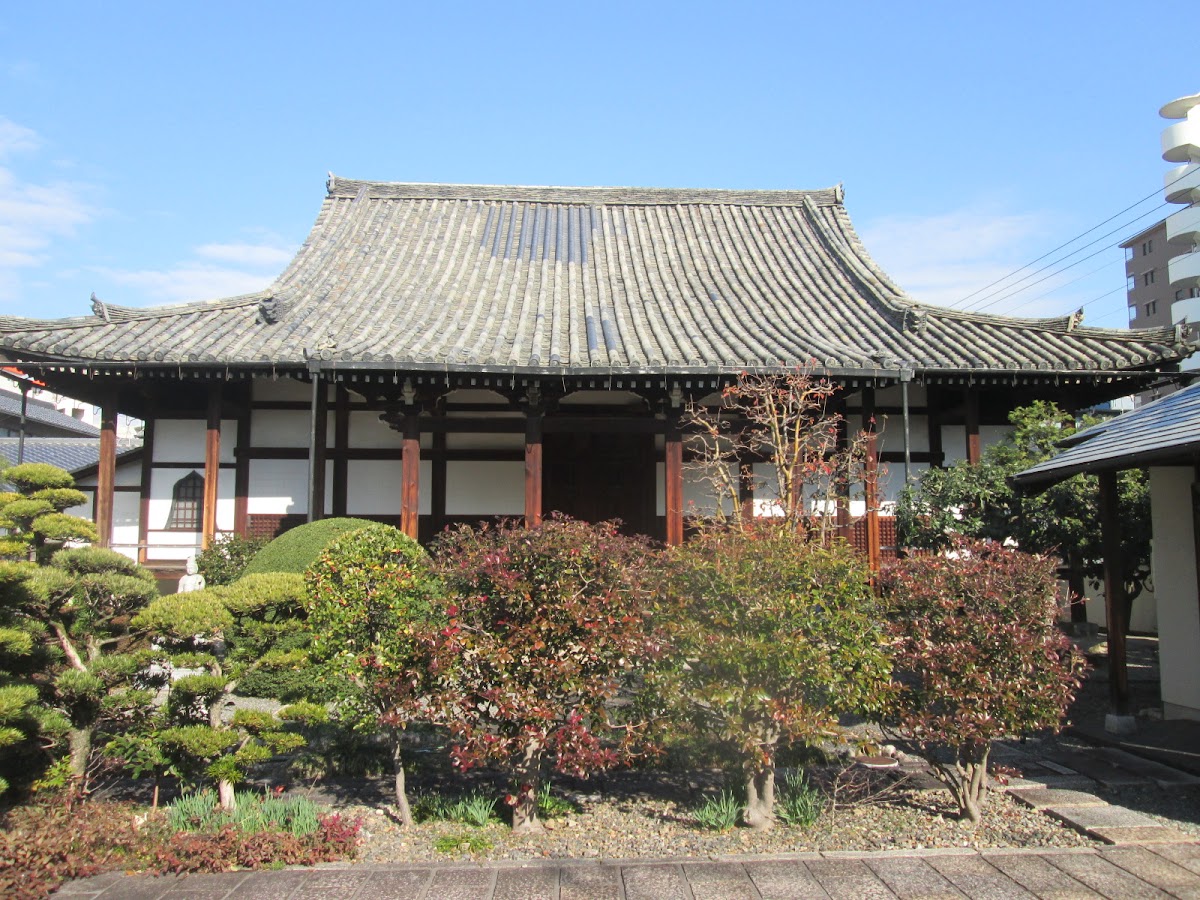
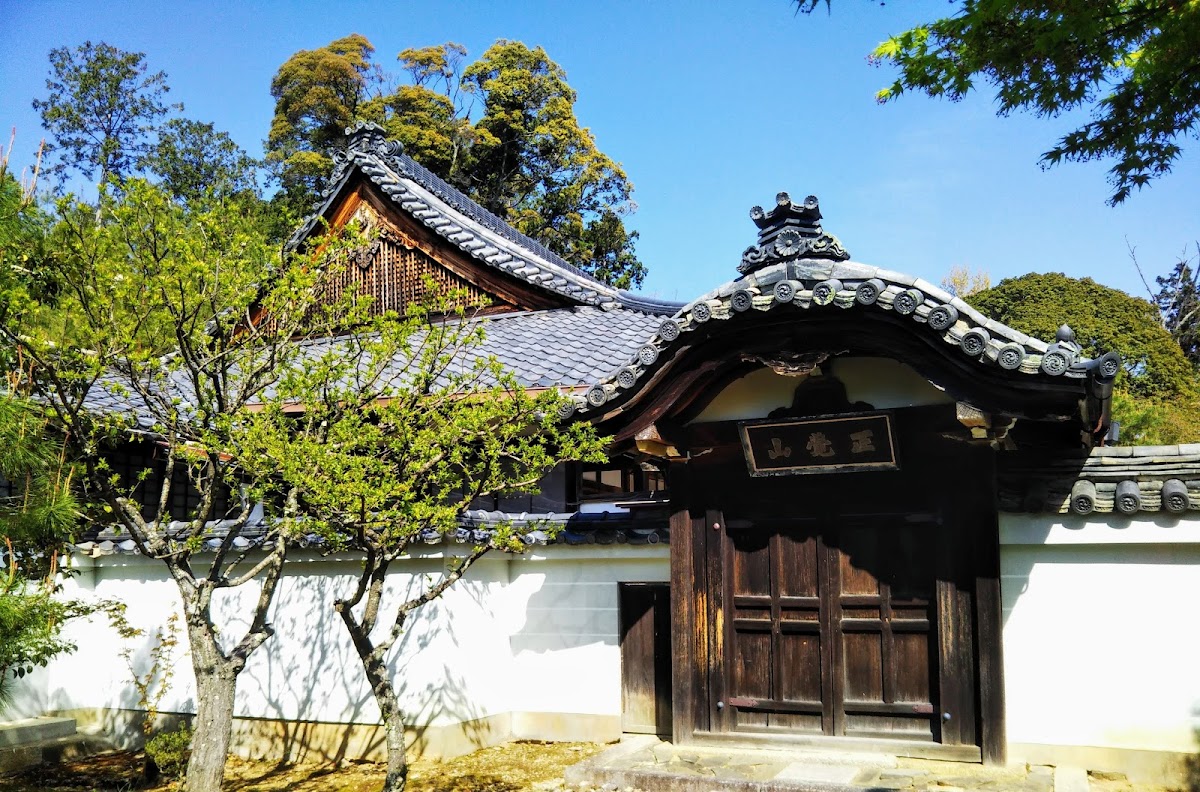
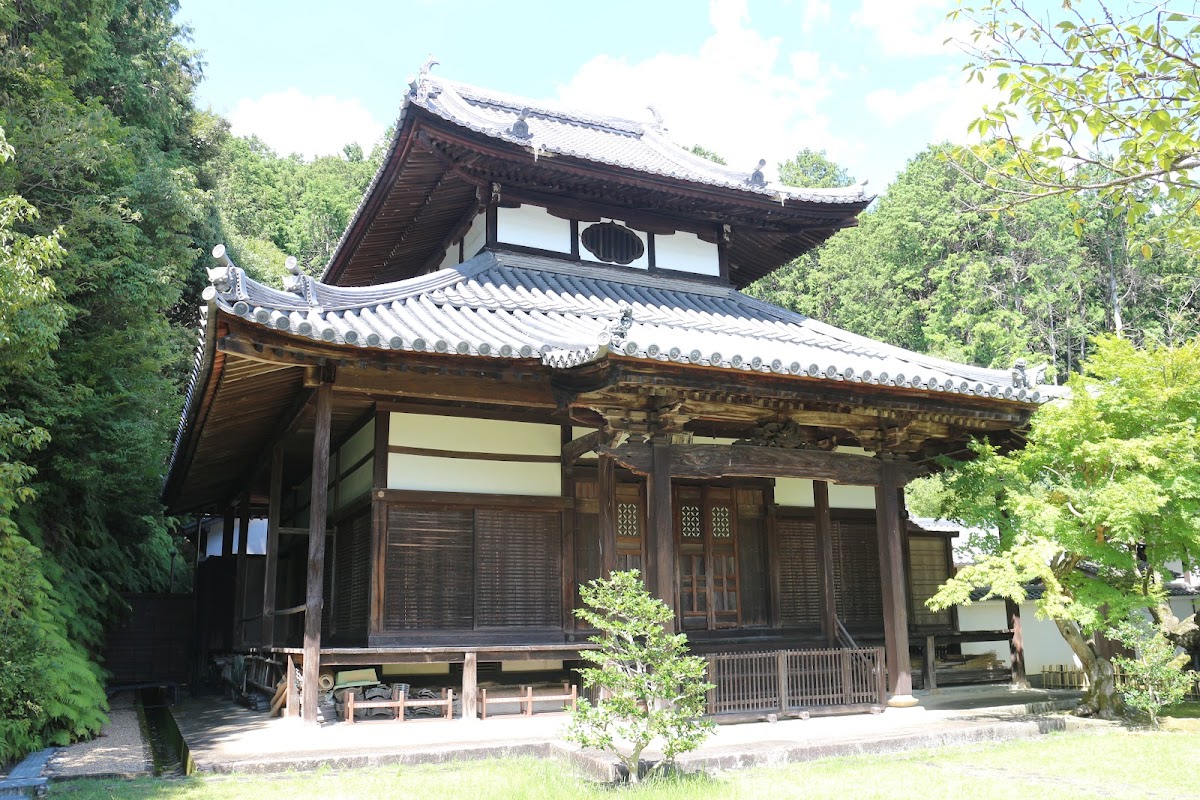
Nariju-ji Temple, nestled in Narutaki Izumitani-cho, Ukyo-ku, Kyoto City, is a quiet sanctuary with a history of approximately 400 years as a nunnery of the Jodo-shu Shasei-ha sect. A suikinkutsu (water harp) is installed on the temple grounds, creating a unique atmosphere where the sound of water resonates instead of the Heart Sutra. In recent years, it has also attracted attention as a cemetery equipped with a scattering of ash and perpetual memorial graves, offering healing and peace to many people in its superb location overlooking Kyoto City.
History and Origins of Saiju-ji Temple
Founded by Taichu Shonin
Saiju-ji Temple is said to have originated as a Nembutsu (Buddhist chanting) training hall established in 1627 (Kanei 4) during the early Edo period by the eminent priest, Taichu Shonin. Taichu Shonin is known as a Jodo-shu monk and is also famous for his missionary work in Ryukyu (present-day Okinawa). The establishment of a Buddhist chanting hall in this area led to the development of the present-day Seiju-ji Temple.
The Origin of the Mountain Name “Senkokusan” and the Legend of the Sankoseki Stone
Seiju-ji Temple’s mountain name is “Senkokusan,” and an interesting legend surrounds this name. It is said that when the land was being prepared for the construction of the main hall, a “Sankoseki” stone, carved with the sun, stars, and moon, emerged from the ground. Furthermore, a pure spring gushed forth from beneath the stone, giving rise to the mountain name “Senkokusan.”
This legend of the Sankoseki stone and the spring indicates that Seiju-ji Temple has long been recognized as a sacred place, and it remains an important element in shaping the spiritual atmosphere of the temple grounds today.
History as a Nunnery
Seiju-ji Temple has a long history as a Jodo sect nunnery, functioning as a training ground for women. While Kyoto has many temples, nunneries are relatively few, making Seiju-ji Temple a precious and valuable example. Characterized by its simple and tranquil atmosphere rather than ostentatious displays, and less crowded than typical tourist temples, it offers a peaceful environment for worship.
Highlights and Features of the Temple Grounds
The Healing Sound of the Suikinkutsu (Water Harp Cave)
One of the most distinctive features of Seiju-ji Temple is the suikinkutsu (water harp cave) installed on the temple grounds. A suikinkutsu is a decorative element in Japanese gardens, where water flowing from a water basin or similar falls into a hollow underground cavity, producing a beautiful, koto-like sound.
The suikinkutsu at Seiju-ji Temple is particularly ingenious, designed to emit the sound of water instead of the Heart Sutra. Visitors can find inner peace and healing by listening intently to the sound of the suikinkutsu. The phrase “a sacred place of healing where the suikinkutsu whispers” is widely known as a symbolic phrase of Seiju-ji Temple.
A Breathtaking View of Kyoto City
Seiju-ji Temple is located at the foot of a mountain in Ukyo Ward, Kyoto City, and offers panoramic views of Kyoto city from its grounds. Especially on clear days, you can see the entire Kyoto Basin, and the view never fails to captivate visitors.
It has also been used as a filming location for television dramas, and its beautiful scenery has been highly praised in visual media. The scenery, a tapestry of nature in each season and the cityscape of Kyoto, with cherry blossoms in spring and autumn leaves in fall, is truly worthy of being called a spectacular sight.
Principal Image: Seated Amida Buddha Statue
The principal image of Seiju-ji Temple is a seated Amida Buddha statue, said to have been brought from Koga. A Jōroku refers to a size of 16 feet (approximately 4.8 meters), and a magnificent Buddha statue is enshrined there. This Amida Buddha is the central object of faith in the Jodo sect, and worshippers pray for their attainment of rebirth in paradise.
Natural Beauty in Each Season
The temple grounds are surrounded by trees, allowing visitors to experience the beauty of nature in each of the four seasons. In particular, the area known as “Sakura Sankotsu/Shidare no Mori” (Cherry Blossom Scattering and Weeping Forest) is planted with weeping cherry trees, and in spring, the temple grounds are adorned with cherry blossoms in full bloom. Along with the cherry blossoms within the temple grounds, you can enjoy the changing seasons in a tranquil atmosphere overlooking the Kyoto Nishiyama mountains.
Goshuin (Temple Seal) Information
Goshuin at Seiju-ji Temple
You can receive a goshuin at Seiju-ji Temple. As a Jodo sect temple, goshuin related to Amida Buddha and the Nembutsu (chanting of Amida Buddha’s name) are given out. Goshuin are popular among many visitors as a memento of their temple visit and as proof of their faith.
Points to Note When Receiving a Goshuin
Seiju-ji Temple is a nunnery, and they may not always be able to accommodate requests. It is recommended to contact them in advance or confirm during your visit when requesting a goshuin. Also, a goshuin is not merely a stamp rally; it holds significance as proof of your visit, so it is important to receive it with respect.
Features and Types of Burial Options at Seijuji Cemetery
Diverse Burial Options
The greatest feature of Seijuji Cemetery is the wide variety of burial options available. Traditional grave plots, garden burials, natural burials, communal burial towers, and scattering of ashes are offered, providing diverse choices to meet modern needs.
Traditional Grave Plots: A traditional type where a tombstone is erected, allowing for family inheritance.
Garden Burial: A plot where one can rest in a beautiful garden-like environment.
Natural Burial: A burial method that emphasizes returning to nature, allowing for environmentally conscious burial.
Communal Burial Tower: A form of burial where one is commemorated together with others without an individual tombstone.
Scattering of Ashes: A scattering of ashes area was established on the temple grounds in 2006, allowing for the option of returning cremated remains to nature.
Features of the Scattering of Ashes Area
The scattering of ashes area at Seijuji Cemetery was established on the temple grounds in 2006 and attracted attention as a pioneering initiative in Kyoto Prefecture. In one corner of the scattering grounds is the aforementioned suikinkutsu (water harp cave), designed to play the sound of water instead of the Heart Sutra. This symbolizes the wish that the soul of the deceased will become one with nature and attain eternal peace.
At “Sakura Sankotsu Shidare no Mori” (Cherry Blossom Scattering – Weeping Forest), scattering of ashes takes place under weeping cherry trees, allowing people to remember their loved ones amidst the full bloom of cherry blossoms in spring. This new form of memorial service, catering to modern values of returning to nature, is being chosen by many.
Perpetual Memorial Service Options
Nishiju-ji Temple also offers perpetual memorial services, providing a suitable option for those without successors or those who do not wish to burden their descendants. By paying a perpetual memorial service fee, the temple takes responsibility for continuing the memorial service in perpetuity, allowing for peace of mind.
Sections Where Pets Can Be Buried Together
In response to the growing interest in pet memorial services in recent years, Nishiju-ji Temple offers burial plots where pets can be buried together. It is one of the few temple cemeteries that can fulfill the wish to be buried alongside beloved family members.
Acceptance of All Religions
Nishijuji Cemetery, while a Jodo sect temple, accepts people of all religions. Because it can be used by non-Buddhists and those of other denominations, it is chosen by a wide range of people.
Nishijuji Cemetery Prices and Fees
Pricing System for General Cemeteries
Nishijuji Cemetery offers various general burial plots, each with its own perpetual use fee. The perpetual use fee is the cost of obtaining the right to use the burial plot indefinitely; once paid, it can be used for generations.
Prices vary depending on the size and location of the plot, but are relatively reasonable for a cemetery in Kyoto City. For specific prices, please contact the cemetery administrator directly or request a detailed price list.
Costs of Perpetual Memorial Graves
The cost of perpetual memorial graves is often lower than that of general burial plots, with lower initial costs, and generally, management fees are waived or set at a low rate. Nishijuji Temple’s perpetual memorial graves are priced appropriately for those who wish to reduce their financial burden.
Costs of Scattering Ashes
Scattering ashes is significantly less expensive than purchasing a typical burial plot. Because it eliminates the need to purchase and maintain a tombstone, it is gaining attention as a less financially burdensome option.
Points to Note Regarding Costs
Cemetery prices include both tax-exempt and taxable areas, and may change without notice. It is crucial to always check the latest price list before signing a contract and to confirm with the representative whether there are any additional costs.
Access and Location
Basic Information
Name: Senkokusan Saijuji Temple
Location: 16 Narutaki Senkokucho, Ukyo-ku, Kyoto City, Kyoto Prefecture
Sect: Jodo-shu Shasei-ha
Principal Image: Seated Amida Buddha Statue
Access by Train
Nearest Station: Utano Station, Keifuku Electric Railway Kitano Line
Travel Time from Station: Approximately 12 minutes on foot
Utano Station is on the Kitano Line and is easily accessible from central Kyoto. The route from the station to Saijuji Temple passes through a residential area and down to the foot of the mountain, offering a quiet walk.
Access by Bus
If using Kyoto City Buses, it is also possible to access the temple on foot from a bus stop along the Shuzan Kaido road. It is located at the foot of the mountain, a short distance from the Fukuoji intersection towards Takao. From the bus stop, you will need to walk uphill.
Access by Car
Access by car is possible, and the road from Shuzan Kaido to Seiju-ji Temple is relatively easy to follow. It is recommended to check parking availability in advance.
Ease of Access
Access from Kyoto city is excellent, and it is relatively close to famous tourist spots such as Kinkaku-ji Temple and Ninna-ji Temple. The surrounding area is a quiet residential area, offering a peaceful atmosphere, making it ideal for those who wish to visit in tranquility.
Temple Weddings at Seiju-ji Temple
Seiju-ji Temple offers temple weddings. A Buddhist wedding is a solemn ceremony where eternal love is pledged before Buddha, offering a unique atmosphere different from Shinto or church weddings.
The beautiful scenery and tranquil environment of the temple grounds make it a fitting place to celebrate a new chapter in life. Those interested in a temple wedding can easily inquire at Seiju-ji Temple.
Tourist Attractions Around Seiju-ji Temple
Takao/Arashiyama Area
Seiju-ji Temple is located midway between Takao and Arashiyama, and there are many tourist attractions in the surrounding area. The three temples of Takao (Kozanji, Jingoji, and Saimyo-ji) are famous for their autumn foliage and are bustling with tourists in the fall.
Kinkaku-ji and Ninna-ji
The World Heritage sites of Kinkaku-ji and Ninna-ji are also nearby and can be visited in conjunction with a visit to Saiju-ji. Ninna-ji, in particular, is famous for its Omuro cherry blossoms, and visitors can enjoy magnificent cherry blossoms in the spring.
Nature along the Shuzan Kaido
The Shuzan Kaido is a road that runs from Kyoto city center towards Kitayama, and the roadside is lined with rich natural scenery. It is suitable for driving and cycling, and you can enjoy the scenery of each season.
Points to Note When Visiting Saiju-ji
Manners for Visiting
Saiju-ji is a nunnery and a place of quiet spiritual practice. Please observe the following manners when visiting the temple:
- Refrain from loud conversations
- Take photographs only in designated areas
- Do not damage the plants or facilities on the temple grounds
- When enjoying the sound of the suikinkutsu (water harp), be considerate of other visitors.
Regarding Attire
While there are no strict dress code regulations, please dress appropriately when visiting a temple. Even when visiting the cemetery, it’s best to avoid overly casual attire.
Advance Contact Recommended
If you wish to receive a goshuin (temple stamp) or tour the cemetery, it is recommended to contact the temple in advance. Especially for consultations regarding the cemetery, making an appointment with the person in charge beforehand will ensure a smoother process.
Seasonal Highlights
Spring: The weeping cherry blossoms are in full bloom, making the “Sakura Sankotsu (Cherry Blossom Scattering) and Shidare no Mori (Weeping Grove)” the most beautiful season. The entire temple grounds are bathed in cherry blossom pink.
Summer: The refreshing sound of the suikinkutsu feels even more pleasant in the lush green temple grounds.
Autumn: The autumn foliage is beautiful, and combined with the panoramic view of Kyoto city, it offers a spectacular view.
Winter: The snow-covered temple grounds are enveloped in silence, creating a solemn atmosphere.
Advantages of Choosing Seijuji Cemetery
Diverse Options
The ability to choose from a variety of memorial options, from traditional burial plots to scattering of ashes, is a major advantage of Seijuji Cemetery. It allows for choices that adapt to changing values and lifestyles.
Healing Environment
The soothing sounds of the suikinkutsu (water harp), the changing seasons, and the panoramic views of Kyoto city create an environment that soothes the soul. It is an ideal environment for remembering loved ones and for one’s own final resting place.
Non-Religious Acceptance
Although a Jodo sect temple, it accepts people of all religions, making it a significant advantage that it can be used regardless of sect.
Easy Access
It is easily accessible from Kyoto city center, and can be reached by train or bus. Minimizing the burden of visiting the grave is an important point in the long run.
Pet Memorial Services
Having plots where you can be buried with your pet is an invaluable option for those who cherished their pets as family.
How to Request Information and Visit
If you are interested in Nishijuji Cemetery, we recommend requesting information first. The materials include a detailed price list, plot types, and perpetual memorial service details, allowing you to carefully consider your options.
Requesting information is free and can be done through multiple cemetery information websites. It is also important to actually visit the site. The atmosphere of the grounds, the sound of the suikinkutsu (water harp), and the views are all charms that can only be appreciated by visiting in person.
When visiting, contacting the site in advance and having a staff member guide you will allow you to receive more detailed explanations. It is important to ask questions about any doubts or uncertainties so that you can make a decision you are satisfied with.
Summary
Nishiju-ji Temple, a Jodo sect nunnery with a history of approximately 400 years, stands quietly at the foot of a mountain in Ukyo Ward, Kyoto City. It is a healing sanctuary where the sound of a suikinkutsu (water harp) whispers, and a modern cemetery offering diverse forms of memorial services, making it a popular choice for many.
The legend of the Sankoseki stone and the gushing spring, the breathtaking panoramic views of Kyoto city, the beauty of nature throughout the seasons, and the soothing sound of the suikinkutsu instead of the Heart Sutra—Nishiju-ji Temple possesses a special charm that welcomes those seeking peace of mind and healing.
The availability of various types of memorial services—general burial plots, garden burials, natural burials, communal burial towers, and scattering of ashes—is a major feature that meets modern needs. Flexible services, such as plots where pets can be buried alongside their owners and acceptance of people of all religions, are also attractive features.
Its convenient access, approximately a 12-minute walk from Utano Station on the Keifuku Electric Railway Kitano Line, is also an important point for those who wish to continue visiting the graves over the long term.
Nishiju-ji Temple is a sacred place unique to Kyoto, where tradition and innovation harmonize. Why not visit and experience its charm for yourself, whether as the final resting place of a loved one or as your own resting place? You can spend a precious time quietly contemplating the end of life while listening to the sounds of the suikinkutsu (water harp) and gazing at the view overlooking the city of Kyoto.