Niu Shrine (Naokawa, Wakayama City) Complete Guide | History, Deities, and Access Explained in Detail
Nui Shrine, located in Naokawa, Wakayama City, is a historic shrine situated on a gentle hillside on the north bank of the Kinokawa River. It enshrines Niutsuhime-no-kami as its principal deity and has long been revered as the local tutelary deity. This article provides a thorough explanation of Niu Shrine’s detailed history, enshrined deities, highlights within the grounds, and access methods.
Basic Information on Niu Shrine (Naokawa, Wakayama City)
Location: 1793 Naokawa, Wakayama City, Wakayama Prefecture
Former Shrine Rank: Village Shrine
Principal Deity: Niutsuhime-no-kami, Sōsha-no-kami
Parking: Available
Nui Shrine is located in the northeastern part of Wakayama City, in an area called Naokawa. The place name Naokawa itself is said to originate from “Niugawa,” indicating a deep connection between this region and the Niu faith since ancient times.
About the Deities Enshrined
Niutsuhime-no-kami
Niutsuhime-no-kami, the principal deity of Niu Shrine, is known as the goddess who presides over mercury (cinnabar). In ancient times, mercury was an extremely important resource as a raw material for vermilion (red pigment) and for medicinal purposes.
The worship of Niutsuhime-no-kami is widespread throughout Wakayama Prefecture, with Niutsuhime Shrine in Katsuragi Town serving as the head shrine, and numerous Niu Shrines scattered throughout the prefecture. She is also known as the deity who guided Kukai (Kobo Daishi) during the founding of Koyasan, and is a deity deeply connected to Shingon Esoteric Buddhism.
Sōsha-shin
Another deity, Sōsha-shin, is enshrined at Niu Shrine. According to shrine tradition, the main deity enshrined at the shrine is Ōnamuchi-no-Mikoto, the deity of the Masumida Shrine in Nakajima District, Owari Province.
It is said that in 1192, Ki no Ason Sanetoshi, who became the lord of Naokawa village, invited this deity to the shrine and established it as the main shrine of Naokawa village. Ōnamuchi-no-Mikoto is also known as Ōkuninushi-no-Mikoto and is widely worshipped as the god of nation-building, agriculture, commerce, and medicine.
History and Origins of Niu Shrine
Founding and Ancient History
The exact founding date of Niu Shrine is unknown, but according to shrine tradition, it was originally located in a place called “Niubasama.” This place name is also related to niu (mercury), suggesting the possibility that mercury mining and refining were carried out in this region since ancient times.
The “Honkoku Jinmeicho” (a register of shrine names in Japan) lists the deity as “Sho-ichii Naohime-no-kami,” which is believed to refer to the present-day Niu Shrine. The use of the character “Nao” from Naokawa in the deity’s name suggests a deep connection between this region and the shrine.
Relocation in the Middle Ages
It is said that the shrine was moved from its original location in Niu-hazama to its current location during the Kakitsu era (1441-1444). This period coincided with the mid-Muromachi period, and it was not uncommon for shrine locations to change amidst warfare and social upheaval.
While there are no clear records of the reason for the relocation, possible explanations include changes in the center of the settlement or a move to a more easily accessible location for worshippers.
Invitation of the Deity to the Shrine in Kenkyu 3
As mentioned above, in Kenkyu 3 (1192), when Ki no Ason Sanetoshi became the lord of Naokawa village, he invited Ōkuninushi-no-Mikoto from Masumida Shrine in Owari Province, establishing it as the principal shrine of Naokawa village. As a result, Niu Shrine became a shrine dedicated to two deities: Niutsuhime-no-kami and Sōsha-no-kami.
This enshrinement is thought to have been carried out by the new lord to demonstrate the legitimacy of his rule and to pray for the peace and security of his territory.
From Early Modern to Modern Period
Throughout the Edo period, Niu Shrine was revered by the local residents as the tutelary deity of Naokawa Village. Both Niu Shrine and Sōsha Shrine were located in the middle of the village, functioning as the guardian deities of the entire village.
In the Meiji era, a modern shrine system was established, and Niu Shrine was ranked as a village shrine. This indicates its position as a central shrine in the region.
Highlights of the Shrine Grounds
Shrine Buildings
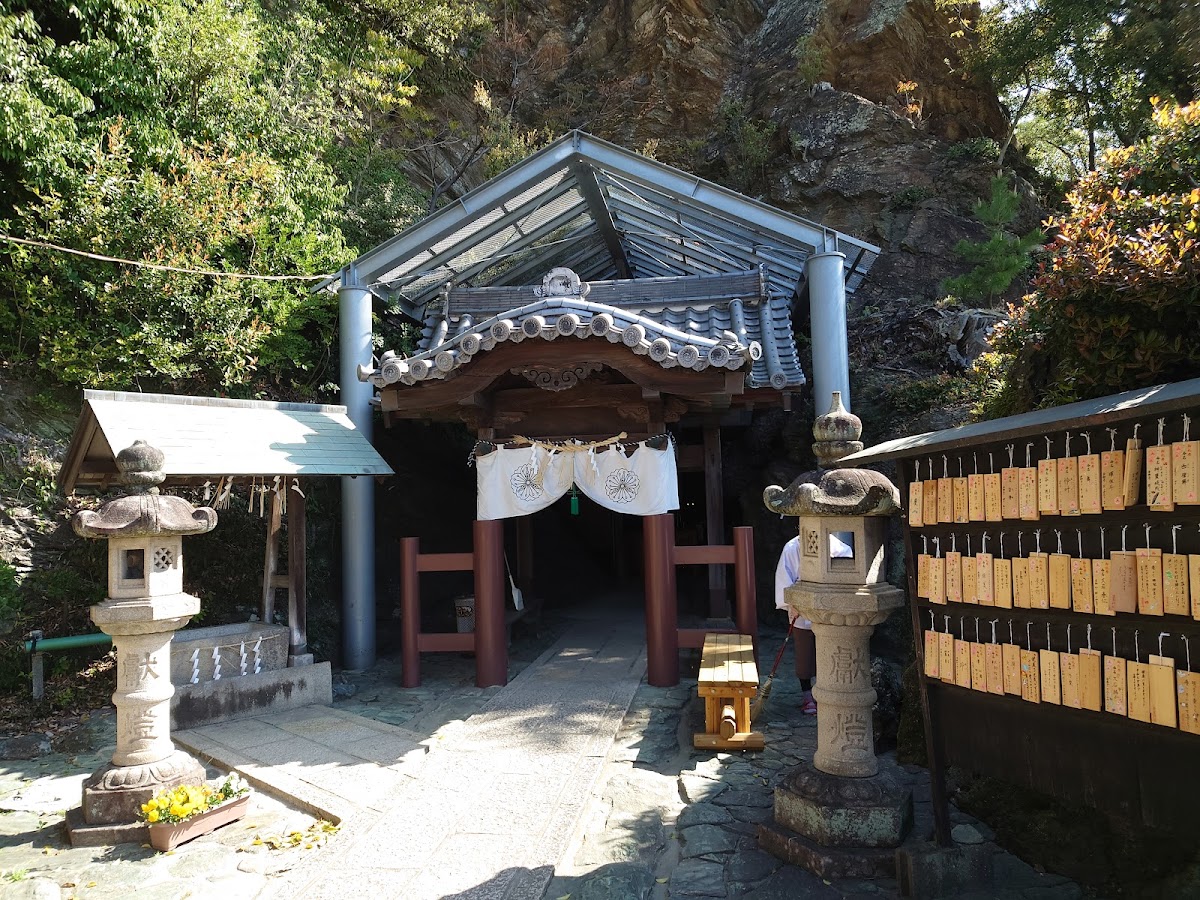
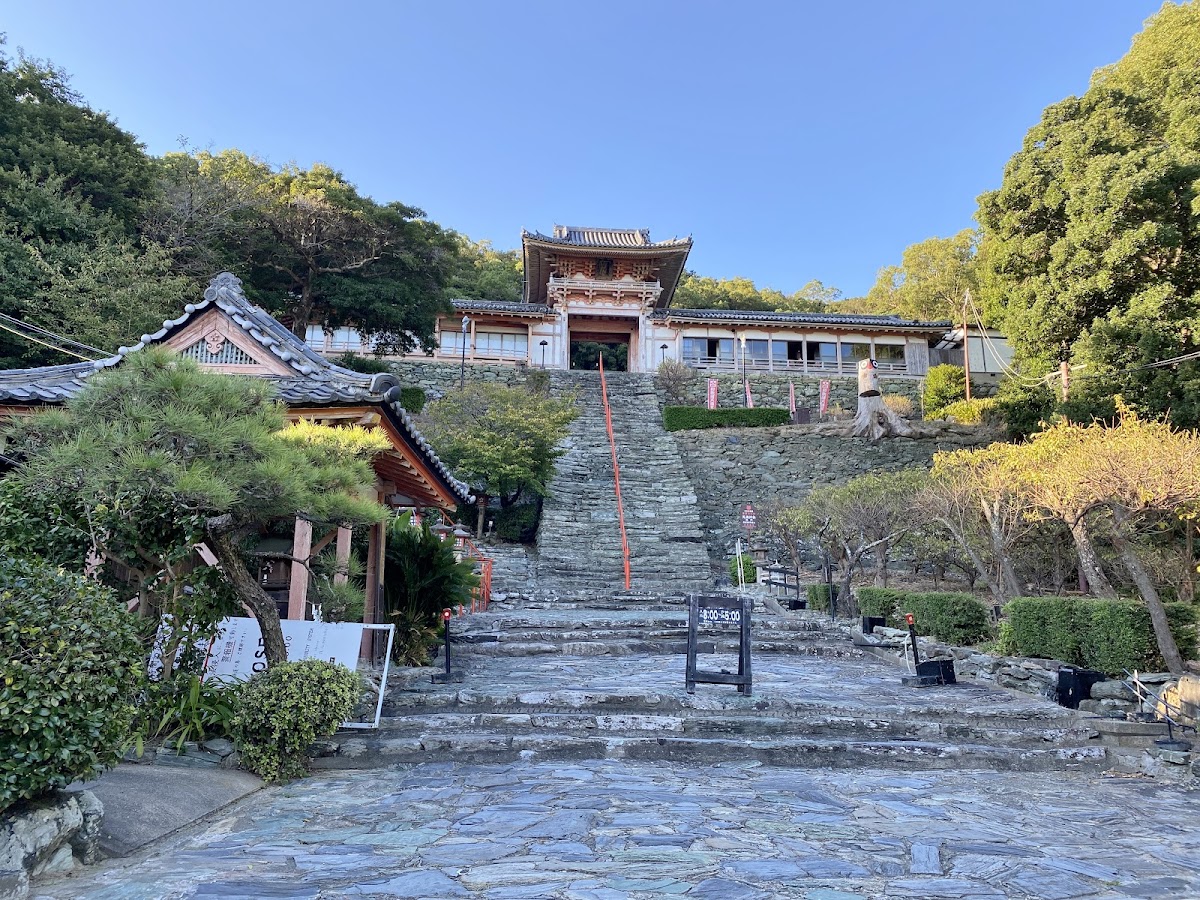
The shrine buildings of Niu Shrine are arranged to take advantage of its location on a hill on the north bank of the Kinokawa River. The main hall is built in a traditional shrine architectural style, creating a serene atmosphere.
Natural Environment of the Shrine Grounds
Nyu Shrine, located on the hillside of Naokawa, is surrounded by abundant nature. The trees and flowers, which display different appearances with each season, allow visitors to feel the changing seasons.
Especially during the fresh greenery of spring and the vibrant autumn foliage, the shrine grounds are enveloped in beautiful colors, making it ideal for a peaceful visit.
Stone Structures
The shrine grounds are dotted with stone structures such as stone lanterns and guardian lion-dogs, reflecting their long history. These offerings demonstrate the deep faith of the local residents over many years.
Annual Events and Festivals
Nyu Shrine holds various festivals throughout the year. As the local tutelary deity, events closely intertwined with the lives of the residents are passed down through generations.
Annual Festival
At the annual festival, held at a fixed time each year, local people gather to express gratitude to the gods and pray for future peace. Traditional Shinto rituals are solemnly performed, providing an opportunity to deepen the bonds of the local community.
Other Annual Events
Seasonal events such as New Year’s Day visits to shrines, Setsubun festivals, and summer festivals are also held, making it a central part of the local annual event calendar.
Niu Faith in Wakayama Prefecture
Wakayama Prefecture is one of the centers of Niu faith, and there are numerous Niu shrines within the prefecture.
Niu-Tsuhime Shrine (Katsuragi Town)
Located in Kami-Amano, Katsuragi Town, Ito District, Wakayama Prefecture, Niu-Tsuhime Shrine is considered the head shrine of all Niu shrines nationwide. It is registered as one of the constituent assets of the World Heritage Site “Sacred Sites and Pilgrimage Routes in the Kii Mountain Range” and has deep ties to Mount Koya.
Niu-Kanshofu Shrine (Kudoyama Town)
Located adjacent to Jison-in Temple in Kudoyama Town, Niu-Kanshofu Shrine is also an important shrine registered as a World Heritage Site. It is said to have been founded by Kobo Daishi and is located at the trailhead of the Koyasan Choishi-michi pilgrimage route. ### Other Niu Shrines
There is also a Niu Shrine in Hidaka-gawa Town. This shrine was formed during the Meiji era through the consolidation of several shrines. It is famous for the Niu Festival, known as the “Laughing Festival,” held in October.
As such, there are various Niu Shrines throughout Wakayama Prefecture, each preserving the history and culture of its region. The Niu Shrine in Naokawa, Wakayama City, is also an important shrine that plays a part in this network of Niu faith.
History and Culture of the Naokawa Region
The Place Name Naokawa
There is a theory that the place name Naokawa is a corruption of “Niugawa” (Niu River). This is an important clue suggesting that this region has been deeply connected to Niu (mercury) since ancient times.
Local Industry and Life
Taking advantage of its geographical location on the hilly northern bank of the Kinokawa River, agriculture has been practiced in the Naokawa region since ancient times. Blessed with a mild climate and moderate rainfall, agriculture centered on rice cultivation developed. Niu Shrine has served as a center of faith for agricultural people, functioning as a place to pray for abundant harvests and family safety.
Niutsuhime-no-Kami and Mercury Worship
Ancient Mercury Use
In ancient Japan, mercury (cinnabar) was an extremely important resource. Vermilion (mercury sulfide) was used as a red pigment to color the interiors of burial mounds and Buddhist statues. Mercury was also used in gold refining, and it is known that a large amount of mercury was used in the gilding of the Great Buddha of Todai-ji Temple.
The Divine Status of Niutsuhime-no-Kami
Niutsuhime-no-Kami was revered as the goddess who presided over mercury, this important resource. It is believed that a group possessing mercury mining and refining technology (the Niu clan) worshipped this goddess and spread throughout the country.
Wakayama Prefecture has been known as a mercury producing area since ancient times, and mercury deposits were scattered particularly in the Kinokawa River basin. The Naokawa region may have been one such area.
Syncretism with Buddhism
From the Heian period onward, Niutsuhime-no-kami became syncretized with Buddhism, particularly Shingon Esoteric Buddhism. A legend arose that when Kukai founded Mount Koya, Niutsuhime-no-kami and her child, Koya Myojin (Kariba Myojin), provided the land, and she was positioned as the guardian deity of Mount Koya.
As a result of this influence, many Niu Shrines in Wakayama Prefecture became associated with the Mount Koya faith, developing their own unique forms of worship.
Access Method
Access by Car
From the Hanwa Expressway:
- Approximately 15 minutes from Wakayama IC
- Proceed northeast on National Route 24 towards Naokawa
Parking: There is parking space for visitors within the shrine grounds.
Access by Public Transportation
From JR Wakayama Station:
- Take the Wakayama Bus bound for “Naokawa”
- Approximately 10-minute walk from the nearest bus stop
*Since bus service is limited, we recommend checking the timetable in advance.
Nearby Tourist Attractions
The Naokawa area is located on the outskirts of Wakayama City and is an area with a quiet rural landscape. In addition to visiting Niu Shrine, why not also visit the following nearby spots?
- Kinokawa Riverbank: A walking path where you can enjoy the changing seasons.
- Nearby Ancient Shrines and Temples: Historic shrines and temples are scattered throughout northern Wakayama City.
- Local Farm Produce Direct Sales Outlet: You can purchase fresh local vegetables and fruits.
Manners and Etiquette for Worship
Basic Worship Etiquette
- When passing through the torii gate: Bow before entering the shrine grounds.
- Purifying at the water basin: Purify your left hand, right hand, and mouth in that order.
- Worship: The basic procedure is two bows, two claps, and one bow.
- When leaving: Turn around and bow when leaving the torii gate.
Points to Note When Worshiping
- Maintain silence within the shrine grounds.
- Take photographs only in permitted areas.
- Do not enter restricted areas such as the interior of the main hall.
- Always take your trash with you.
Benefits Received at Niu Shrine
Niu Shrine, dedicated to Niutsuhime-no-kami, is believed to offer the following benefits:
Abundant Harvest and Agricultural Prosperity
As a local guardian deity, she is believed to protect local agriculture and bring bountiful harvests.
Family Safety and Community Peace
As a guardian deity of the local community, she protects the safety of families and the peace of the region.
Protection from Misfortune and Disaster
Niutsuhime-no-kami is also worshipped as a deity who wards off disasters, and is believed to protect against various calamities.
Health and Longevity
In ancient times, mercury was used for medicinal purposes, so the shrine is also believed to offer benefits of health and longevity.
Recommended Time to Visit Niu Shrine
Spring (March-May)
The fresh greenery is beautiful, and the trees on the shrine grounds are budding. The warm climate makes it an ideal time to visit.
Summer (June-August)
The greenery becomes lush, and you can enjoy the coolness of the tranquil shrine grounds. However, precautions against the heat are necessary.
Autumn (September-November)
This is the season of beautiful autumn foliage, and the trees on the shrine grounds change color. The weather is pleasant, making it ideal for worship.
Winter (December-February)
The shrine is bustling with many worshippers during the New Year’s visit period. Worshiping in the crisp air is a special experience.
Relationship with Other Shrines in Wakayama City
Wakayama City has numerous shrines, each conveying the history and culture of the region. Among them, Niu Shrine (Naokawa) holds an important position as a shrine with a distinctive form of worship known as Niu faith.
Along with major shrines in the city such as Hinokuma Shrine, Kunikake Shrine (the general guardian shrine of Wakayama City), and Kishu Toshogu Shrine, it can be said to represent the diversity of shrine worship in Wakayama.
Summary
Nyu Shrine, located in Naokawa, Wakayama City, is a historic shrine dedicated to Niutsuhime-no-kami and Sōsha-no-kami. Originating from ancient mercury worship, it was established in the Middle Ages by a local lord and has been revered as the tutelary deity of the region from the early modern period to the present day.
Situated on a quiet hillside on the north bank of the Kinokawa River, the shrine grounds, surrounded by abundant nature, offer tranquility to visitors. As an important shrine playing a part in the network of Niu faith spreading throughout Wakayama Prefecture, it will undoubtedly continue to be a center of local faith.
When visiting Wakayama City, be sure to visit Niu Shrine and experience its ancient history of faith and the atmosphere of a shrine deeply rooted in the community. A visit to the tranquil grounds will be a precious time away from the hustle and bustle of everyday life.