Niwata Shrine (Hyogo Prefecture) Complete Guide: A Thorough Explanation of History, Deities, Blessings, and Visiting Information
Niwata Shrine, located in Hyogo Prefecture, is a historic shrine that has long been cherished by the local community. This article comprehensively covers everything you need to know before visiting, from the shrine’s history, enshrined deities, blessings, highlights of the grounds, how to worship, and access information.
Basic Information about Niwata Shrine
Niwata Shrine is located in Hyogo Prefecture and has played a central role in the local community. The shrine, nestled in a tranquil environment, offers peace of mind to visitors.
Location and Contact Information
For inquiries and detailed information about Niwata Shrine, it is recommended to check in advance. As the local guardian shrine, it welcomes many worshippers daily.
Visiting Hours and Admission Fee
Generally, shrines are open for daytime visits, but consideration is needed for nighttime and early morning visits. There is generally no admission fee, and you can visit freely. However, if you wish to receive special prayers or amulets, we recommend checking the opening hours of the shrine office.
History and Origins of Niwata Shrine
Founding History
The founding date of Niwata Shrine is estimated based on local records and oral traditions. Like many local shrines, it has long been revered as a guardian deity of the land.
The name of the shrine, “Niwata,” is thought to be deeply connected to the surrounding topography and land use history. It is presumed to have functioned as a place to pray for bountiful harvests and express gratitude for nature’s blessings, dating back to the time when agricultural culture was deeply rooted.
Historical Changes
Throughout its long history, Niwata Shrine has experienced various changes. From the Sengoku period, the Edo period, the Meiji Restoration, and up to the present day, it has been carefully protected and maintained by the local people.
In particular, during the Meiji era’s shrine consolidation policy, while many small shrines were merged, it survived as a cornerstone of local faith.
Connection with the Community
Niwata Shrine is not merely a religious facility; it has played a vital role as a focal point of the local community. Through festivals and annual events, it serves as a place for intergenerational exchange and contributes to the preservation of local culture.
Deities and Benefits
About the Main Deity
The deity enshrined at Niwata Shrine is revered as the guardian deity of the region. In Japanese Shinto, each shrine enshrines its own unique deity, each with its own distinctive divine virtues.
Expected Benefits
The benefits you can expect from visiting Niwata Shrine include the following:
Abundant Harvest and Business Prosperity
Due to the region’s history of praying for the development of agriculture and commerce, many visitors come to pray for the prosperity of their livelihoods.
Family Safety and Good Health
The deity is deeply revered by the local people as a protector of family health and safety.
Exorcism and Good Fortune
Prayers are offered to ward off evil and improve one’s luck during life’s turning points and difficult times.
Academic Success and Passing Exams
During exam season, worshippers visit to pray for academic success.
Matchmaking and Family Harmony
The shrine is also revered by those seeking good relationships and those wishing for harmony in their families.
Highlights of the Shrine Grounds
Shrine Architecture
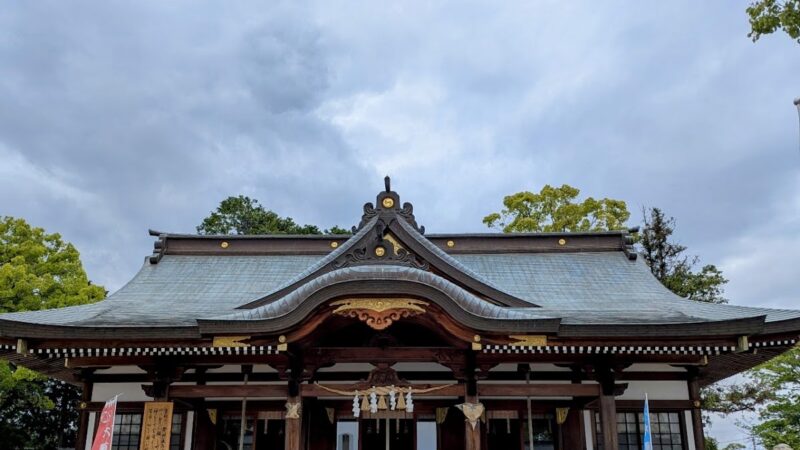
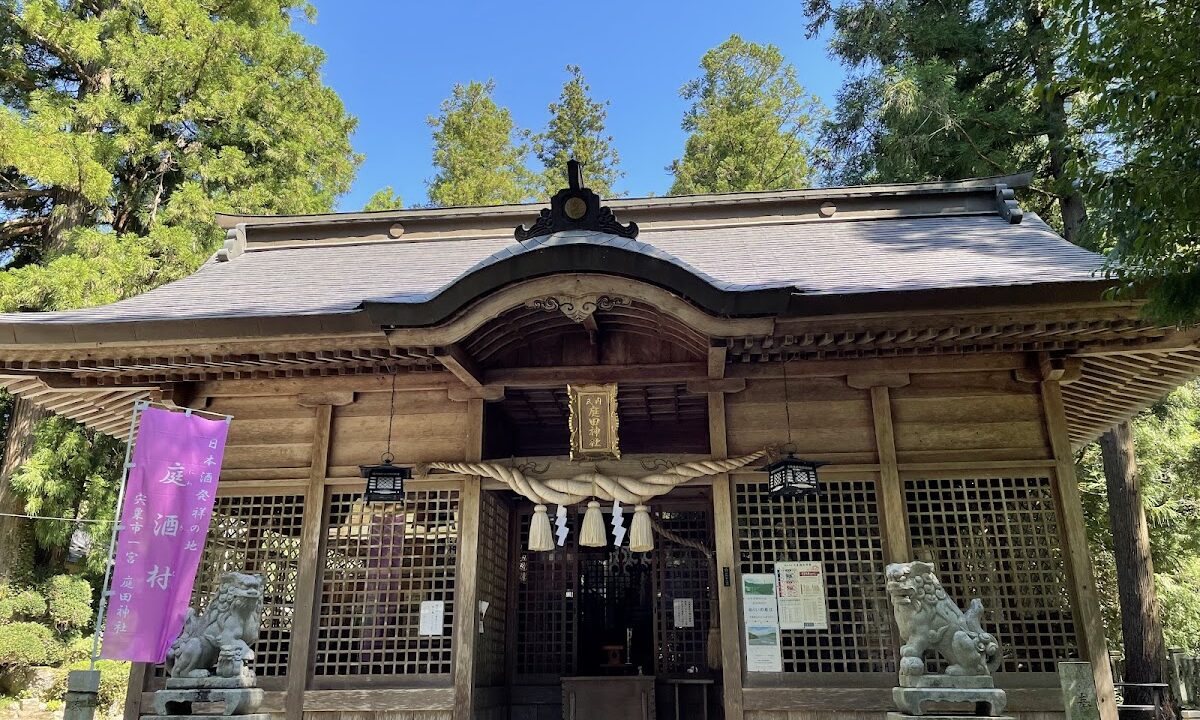
The shrine buildings of Niwata Shrine preserve the traditional style of shrine architecture. The structure of the main hall and worship hall represents the pinnacle of Japanese wooden architecture techniques, and the details of the decorations are worth paying attention to.
Regular repairs are carried out with the cooperation of local parishioners and devotees to protect the buildings from weathering and damage over time, maintaining their beautiful appearance.
Subsidiary Shrines and Auxiliary Shrines
Subsidiary shrines and auxiliary shrines are sometimes located around the main hall. Each of these small shrines enshrines a different deity, catering to worshippers seeking diverse blessings.
Sacred Trees and the Natural Environment
Many shrine grounds are home to magnificent, ancient trees, and Niwata Shrine is no exception. These sacred trees contribute to the shrine’s sacred atmosphere while also playing a role in preserving the local natural environment.
The ever-changing nature of the shrine grounds allows worshippers to experience the changing seasons.
Water Basin and Approach
The approach from the shrine entrance to the main hall is a sacred space, a transition from the secular world to the divine realm. Walking along the approach allows one to leave the hustle and bustle of everyday life and prepare to purify their mind.
At the water basin, one performs the ritual of purifying their hands and mouth before worship. This purification ceremony is an important act of showing respect to the deities.
Proper Way to Visit a Shrine and Etiquette
Basic Etiquette for Visiting a Shrine
When visiting a shrine, it is important to observe the following basic etiquette:
1. How to Pass Through the Torii Gate
The torii gate is the entrance to the sacred area. Bow before passing through, and avoid walking in the center (seichu) of the path.
2. Proper Ritual for Washing Hands
- Hold the ladle in your right hand and wash your left hand.
- Switch the ladle to your left hand and wash your right hand.
- Hold the ladle in your right hand again, receive water in your left hand, and rinse your mouth.
- Finally, stand the ladle upright and wash the handle.
3. Worship at the Main Hall
- Quietly place your offering in the offering box.
- Ring the bell if there is one.
- Worship using the two bows, two claps, one bow (two bows, two claps, one bow) method.
- Pray with sincerity.
4. Manners Upon Exit
Do not turn your back to the shrine; take a few steps back before turning. Bow once when leaving through the torii gate.
Clothing and Belongings
There are no strict regulations regarding clothing for worship, but clean and presentable attire that reflects the sacred nature of the place is desirable. Especially when formally worshipping or receiving prayers, aim for attire that is not too casual.
Photography Etiquette
Photography is generally permitted on the shrine grounds, but please observe the following points:
- Refrain from taking photographs inside the main hall or in sacred areas.
- Be considerate of other worshippers.
- Refrain from taking photographs during festivals or religious ceremonies.
- Absolutely do not take photographs in areas where photography is prohibited.
Annual Events and Festivals
Main Annual Events
Niwata Shrine holds various religious ceremonies and festivals throughout the year.
New Year’s Day Festival (January 1st)
This is one of the most important events, praying for happiness in the new year. Many worshippers visit for their first shrine visit of the year.
Setsubun Festival (around February 3rd)
Traditional events such as bean-throwing are held, and prayers are offered for warding off evil and inviting good fortune.
Spring Grand Festival
This is an important festival celebrating the arrival of spring and praying for a bountiful harvest.
Summer Purification Ceremony (June 30th)
A Shinto ritual is performed to purify and cleanse away the sins and impurities accumulated over the past six months.
Autumn Grand Festival
A grand autumn festival expressing gratitude for the harvest and the blessings of the gods. In some regions, a portable shrine procession and offering ceremonies are held.
Shichi-Go-San Festival (around November 15th)
A celebration of children’s growth and prayers for their healthy development.
Year-End Purification Ceremony (December 31st)
As a conclusion to the year, sins and impurities are purified and preparations are made for welcoming the new year.
Characteristics of the Festival
The festivals of local shrines reflect the history and culture of the land. The festivals of Niwata Shrine may also reflect unique local traditions and customs.
During the festivals, traditional performing arts such as Kagura (sacred dance) and lion dances are sometimes offered, making it a venue for the transmission of local culture.
Amulets and Items Offered
Main Items Offered
Shrines offer a variety of amulets and items:
Various Amulets
- Traffic Safety Amulet
- Health Amulet
- Academic Success Amulet
- Protection from Evil Amulet
- Matchmaking Amulet
Ofuda (Talisman)
A talisman, placed on the household altar, symbolizes safety for the family.
Goshuin (Shrine Seal)
You may be given a Goshuin as a memento of your visit. Bring your Goshuincho (stamp book).
Ema (Votive Tablet)
Ema, on which you write your wishes and offer them, are a traditional custom of visiting shrines.
How to Use the Offering Area
Amulets and talismans can be obtained at the shrine office or offering area. It is more formal to say “receive” rather than “buy.”
The offering fee (for amulets, etc.) is the amount specified if indicated; if not specified, offer an appropriate amount as a token of your appreciation. ## Access Information
Access by Public Transportation
To reach Niwata Shrine, you can take a bus or taxi from the nearest station, or walk. Specific access methods vary depending on the shrine’s location, so it is recommended to check in advance.
By Train
Access is via local railway lines from major stations within Hyogo Prefecture. It is helpful to check the distance and travel time from the nearest station beforehand.
By Bus
Local bus routes may pass near the shrine. Check the bus stop name and timetable.
Access by Car
Parking Information
The availability and capacity of dedicated parking vary depending on the size of the shrine. On days when congestion is expected, such as during festivals, it is recommended to consider using public transportation.
Car Navigation Settings
Searching by the shrine’s official name or address will pinpoint the exact location.
Nearby Tourist Attractions
When visiting Niwata Shrine, visiting nearby tourist attractions will make your trip even more fulfilling. Hyogo Prefecture boasts numerous historical sites and natural scenic spots.
Prayers and Special Visits
Types of Prayers
At Niwata Shrine, you can receive prayers tailored to various life milestones and wishes:
Prayer for Protection from Misfortune
This prayer is for those facing their unlucky year. Prayers are available not only for the main unlucky year, but also for the year before and after.
Prayer for Family Safety and Business Prosperity
This prayer prays for the safety and prosperity of the family and business.
Prayer for Safe Childbirth
This prayer is often performed on the Day of the Dog in the fifth month of pregnancy.
First Shrine Visit
This is the ceremony of a baby’s first visit to a shrine after birth.
Shichi-Go-San Visit
This prayer celebrates the growth of children at ages 3, 5, and 7.
Prayer for Success in Exams and Academic Achievement
This prayer prays for success in exams and academic pursuits.
Prayer Ceremony Reservation and Procedure
If you wish to receive a prayer ceremony, we recommend contacting the shrine office in advance to make a reservation. While same-day registration may be possible, there may be a waiting time.
Prayer Ceremony Procedure:
- Register at the shrine office (fill out the application form)
- Pay the offering fee
- Wait in the waiting area
- Be guided to the main hall or worship hall
- Recitation of prayers by the Shinto priest
- Offering of sacred branches (tamagushi hōten)
- Receiving of amulets and talismans
Estimated Offering Fee
The offering fee for a prayer ceremony varies depending on the content of the prayer and the size of the shrine, but generally, it is around 5,000 to 10,000 yen. We recommend confirming the official amount directly with the shrine.
The Role of Niwata Shrine in the Community
As a Community Center
Niwata Shrine functions not only as a religious facility but also plays a central role in the local community. Through festivals and cleaning activities, interaction among residents is promoted, and community bonds are strengthened.
Place for Cultural Transmission
Annual events and festivals at shrines are important opportunities to pass on traditional Japanese culture to the next generation. By participating in festivals, children can naturally learn about the history and traditions of their region.
Nature Conservation and Environmental Protection
Shrine grounds are valuable green spaces in the midst of increasing urbanization. Sacred trees and shrine forests contribute to the conservation of biodiversity, and the shrines also play a role as a base for environmental protection in the region.
Points to Note and Q&A Regarding Visiting a Shrine
Frequently Asked Questions
Q: Is there a suitable time to visit a shrine?
A: Generally, visiting in the morning is considered best. Especially in the early morning, the shrine grounds are quiet, allowing for a refreshing atmosphere during your visit.
Q: Is there a rule about the amount of the offering?
A: There is no rule about the amount. Many people use a 5-yen coin because it sounds like “good fortune” (go-en), but you can use any amount you feel is appropriate.
Q: Is it possible to visit with a pet?
A: Policies vary depending on the shrine. Generally, you are required to carry your pet or put it in a cage. We recommend checking in advance.
Q: Should I avoid visiting on a rainy day?
A: You can visit even on a rainy day. In fact, the quiet atmosphere of the shrine grounds on a rainy day has a unique charm. Please be careful of your footing when visiting.
Q: What is the difference between a shrine and a temple?
A: Shrines are Shinto facilities that enshrine gods, while temples are Buddhist facilities that enshrine Buddhas. The etiquette for visiting also differs.
Prohibited Actions During Visits
- Drinking alcohol or smoking on the shrine grounds
- Actions that disturb other visitors, such as shouting
- Unauthorized entry into sacred areas
- Littering
- Harming plants or animals
Relationship with Other Shrines in Hyogo Prefecture
Hyogo Prefecture is home to numerous historical and prestigious shrines, including Izanagi Shrine, Ikuta Shrine, and Nishinomiya Shrine. Niwata Shrine also plays a vital role in Hyogo Prefecture’s shrine culture, occupying an important position as a center of local faith.
Recommendation for Shrine Pilgrimages
When visiting Hyogo Prefecture, we recommend a “shrine pilgrimage,” visiting multiple shrines. Each shrine has its own unique history and characteristics, allowing you to gain a deeper understanding of the local culture and history through your visit.
For those who enjoy collecting Goshuin (shrine stamps), a shrine pilgrimage in Hyogo Prefecture will be a fascinating experience.
Summary: The Significance of Visiting Niwata Shrine
Niwata Shrine, a shrine deeply rooted in the local community of Hyogo Prefecture, has attracted the faith of people throughout its long history. Even today, it remains an important presence for those seeking peace of mind, celebrating life’s milestones, and cherishing local traditions.
Visiting a shrine is not merely sightseeing or making a wish; it’s also an opportunity to experience traditional Japanese culture, harmonize with nature, and purify the soul. By escaping the hustle and bustle of daily life and finding peace in the quiet grounds, you can gain renewed vitality.
When visiting Niwata Shrine, please refer to the information presented in this article, observe proper etiquette, and appreciate the history and culture of the shrine. We encourage you to experience firsthand the atmosphere of this shrine, which has been loved and protected by the local community.
We hope that through your visit to the shrine, you will deepen your understanding of traditional Japanese culture and enjoy a truly enriching experience.