Ogoto Shrine (Shiga Prefecture, Otsu City) Complete Guide | History, Deities, Shrine Grounds Highlights, and Access
Ogoto Shrine, located in Ogoto, Otsu City, Shiga Prefecture, is a historic shrine situated on a hill overlooking the western shore of Lake Biwa. With a history dating back to the Heian period, and maintaining a tranquil atmosphere despite its proximity to Ogoto Onsen (hot springs), it has long been a center of local devotion. This article provides a detailed explanation of everything you need to know before visiting, from the history of Ogoto Shrine and its enshrined deities to the shrine grounds and access methods.
Basic Information about Ogoto Shrine
Ogoto Shrine is located at 2-10-1 Ogoto, Otsu City, Shiga Prefecture. Its former shrine rank was Gosha (village shrine). The shrine’s crest is “Dakimyoga” (embracing ginger), which originates from the family crest of the Kotsuki clan. Situated on a hill overlooking Lake Biwa, the shrine grounds offer beautiful lake views.
Currently, it is a subsidiary shrine of Ogura Shrine (Ogi, Otsu City), and the shrine office is unmanned. For obtaining a Goshuin (shrine stamp), please go to the main shrine, Ogura Shrine.
Location and Situated Area
Ogoto Shrine is located in the Ogoto district of Otsu City, an area known for Ogoto Onsen (hot springs) on the western shore of Lake Biwa. The shrine sits on a hill overlooking Mount Hiei, reached by a fairly steep slope. A distinctive feature is the torii gate facing Lake Biwa, giving the impression of watching over the lake.
Deities Enshrined and Subsidiary Deities
Main Deity: Ima-no-Sukune-no-Mikoto
The main deity of Ogoto Shrine is Ooi-no-Kami-Ima-no-Sukune-no-Mikoto. This deity is a deification of Abo-Ima-o (also known as Otsuki-Ima-o), a real person who lived during the Heian period.
Ima-no-Sukune-no-Mikoto was a figure who served as the Fire Inspector (Hoshi-no-Kan) during the reign of Emperor Montoku. In 851 (Ninju 1), he was granted the Ogoto Manor for his meritorious service. The Kotsuki clan was a prestigious family that held important positions in the Grand Council of State for generations. By enshrining Ima-no-Sukune-no-Mikoto, their ancestor, they have fulfilled the role of guardian deity of this region.
Enshrined Deities
Along with the main deity, Ochiwake-no-Mikoto is also enshrined. Ochiwake-no-Mikoto is considered a descendant of Ima-no-Sukune-no-Mikoto and is worshipped as a deity connected to the Kotsuki clan’s lineage.
History of Ogoto Shrine
Founding and Ancient History
According to tradition, the founding of Ogoto Shrine dates back to 808 (Daido 3). It is believed that at this time, the deity was first enshrined on Mount Ogoto as a local guardian deity. The Daido era corresponds to the early Heian period, indicating that this region has long been a place of worship.
In the first year of Ninju (851), during the reign of Emperor Montoku, Ima-no-Sukune-no-Mikoto, who served as a fire official, was granted the Ogoto estate, and the area became part of the Kotsuki clan’s territory. This event marks a significant turning point in the history of Ogoto Shrine.
Origin of the Shrine Name “Ogoto”
Regarding the origin of the place name “Ogoto” and the shrine name, one theory suggests that the sound of a koto (Japanese zither) could be heard from the residence of Ima-no-Sukune-no-Mikoto. The legend that the shrine was named “Ogoto” because of the elegant sound of the koto evokes the cultured lifestyle of Heian-era aristocrats.
Construction and Development of the Shrine
In the fourth year of Encho (926), Kotsuki Tōhei, the son of Ima-no-Sukune-no-Mikoto, constructed the shrine and began enshrining his father’s spirit, calling it “Ogoto-sha Ōi-no-Kami.” This is considered the direct origin of the present-day Ogoto Shrine.
The Kotsuki family prospered as a lineage that held important positions in the Grand Council of State for generations, and Ogoto Shrine, their tutelary shrine, also developed into a central place of worship in the region.
War and Reconstruction
During the Genki era (1570-1573), amidst the turmoil of the Sengoku period, including battles between Oda Nobunaga and the Asai-Asakura allied forces, Ogoto Shrine was destroyed by fire. During this period, the western shore of Lake Biwa was ravaged by fierce fighting, including the burning of Mount Hiei.
Approximately 100 years after its destruction, in Enpo 2 (1674), Ogoto Shrine was rebuilt. Its reconstruction during the peaceful Edo period speaks to the deep faith of the local people.
Modern Era
In the Meiji era’s shrine ranking system, Ogoto Shrine was ranked as a Gosha (village shrine). The designation of “Gōsha” (village shrine) in the modern shrine ranking system signifies recognition as an important shrine in the region.
In modern times, it is a subsidiary shrine of Ogura Shrine, but it is still carefully preserved as the local tutelary shrine.
Highlights of the Shrine Grounds
Approach and Shrine Name Marker
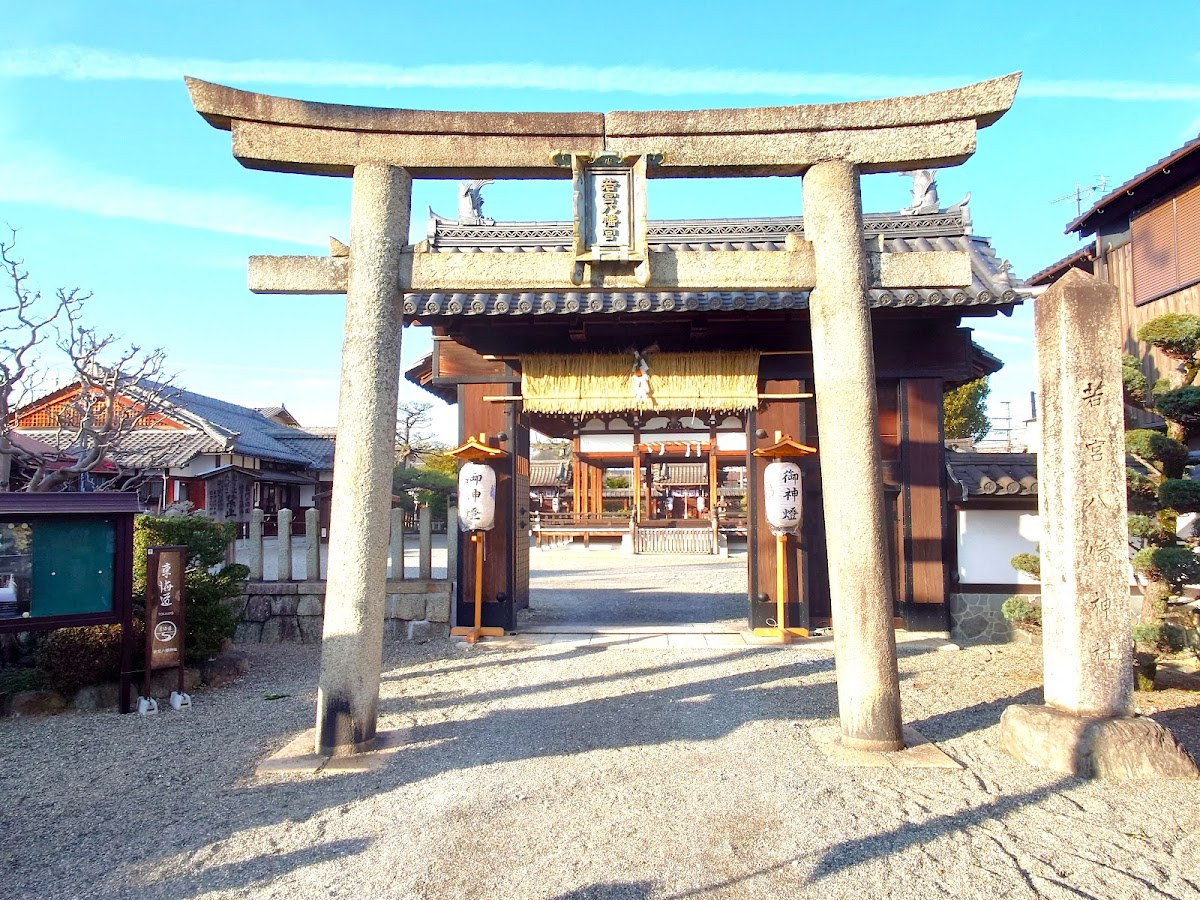
The approach to Ogoto Shrine is uphill, and at the entrance stands a shrine name marker inscribed with “Gōsha Ogoto Shrine.” This marker indicates the shrine’s status and retains traces of modern development since the Meiji era.
Torii Gate
The torii gate, built facing Lake Biwa, is one of the distinctive features of Ogoto Shrine. Its location overlooking the lake suggests that this area has had a deep connection with Lake Biwa since ancient times. As you ascend the approach, the torii gate, marking the entrance to the sacred area, welcomes worshippers.
Main Hall
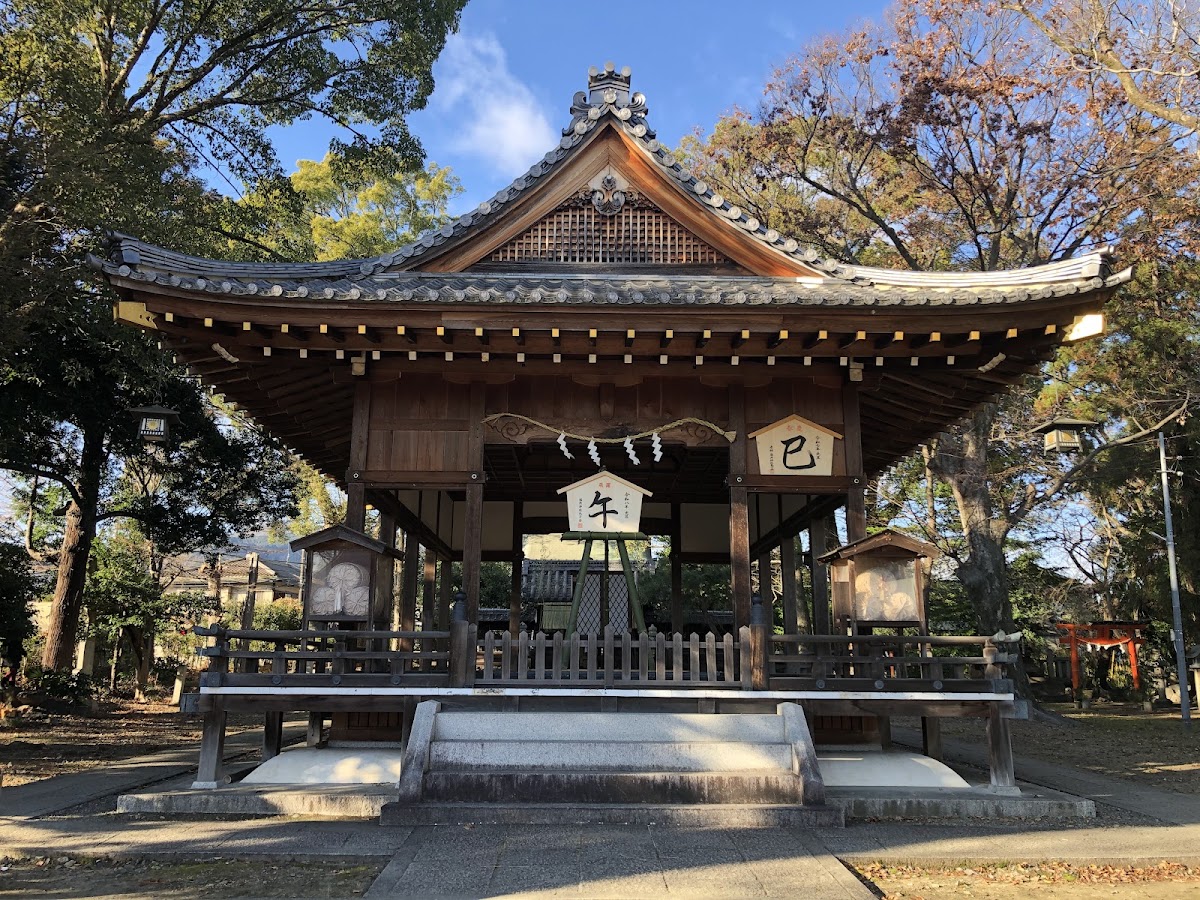
The main hall retains the style from its reconstruction in 1674 (Enpō 2). The shrine exhibits characteristics of early Edo period shrine architecture, displaying a simple yet dignified appearance. The style of the main hall is typical of a local shrine.
View of Lake Biwa
From the shrine grounds, you can enjoy a panoramic view of Lake Biwa. Located on a hill, the view of Lake Biwa from the west side is exceptional, and on clear days, you can see all the way to the opposite shore. This view is one of the major attractions of visiting Ogoto Shrine.
Subsidiary Shrines
Several subsidiary shrines are enshrined within the grounds of Ogoto Shrine.
Mitsumine Shrine
Mitsumine Shrine is a subsidiary shrine established by inviting a deity from Mitsumine Shrine in Chichibu. It considers wolves as its divine messengers and is worshipped for protection against evil and theft.
Inari Shrine
Inari Shrine enshrines Inari, the god widely worshipped for abundant harvests and business prosperity. It has been revered since ancient times as the guardian deity of local agriculture and commerce.
Reikosha Shrine
In addition, there are other subsidiary shrines within the grounds, such as Reikosha Shrine, where various faiths are concentrated. These subsidiary shrines tell the story of how they have responded to the diverse religious needs of the local people.
Goshuin (Shrine Seal) Information
At Ogoto Shrine, the shrine office is unmanned, so it is not possible to obtain a goshuin (shrine seal) at the shrine itself. Those wishing to obtain a goshuin must visit the main shrine, Ogura Shrine (Ogi, Otsu City).
Ogura Shrine also provides goshuin for Ogoto Shrine, so it is possible to obtain goshuin from both shrines during a visit. It is recommended to check the visiting hours of Ogura Shrine in advance before visiting.
In recent years, an electronic goshuin service has also been offered, and it is now possible to obtain an electronic goshuin for Ogoto Shrine through a smartphone app.
Local Information and Access
Address
2-10-1 Ogoto, Otsu City, Shiga Prefecture 520-0101
Access by Train
From JR Kosei Line “Ogoto Onsen Station”
- Approximately 5 minutes on foot (approx. 395m)
- Head northwest from the station and walk uphill.
Access by Bus
From Biwako Hamaotsu Station
- Take the Kojaku Bus bound for “Katata Station,” etc.
- Get off at the “Kita-Ogoto” bus stop and walk for approximately 4-7 minutes (approx. 298m).
From the bus stop, walk uphill towards Mt. Hiei.
Access by Car
From Kyoto East IC on the Meishin Expressway
- Approximately 30 minutes via the Nishi-Otsu Bypass and Kosei Road
Parking
- There is parking space on the shrine grounds, but it is recommended to check details in advance.
Notes on Access
There have been reports that searching on car navigation systems may show a location that appears to be in the middle of nowhere, like a mountain. It is safest to use Ogoto Onsen Station as a landmark and access the shrine on foot from the station. The slopes are quite steep, so it is recommended to wear comfortable shoes.
Nearby Tourist Attractions
Ogoto Onsen
The Ogoto area, where Ogoto Shrine is located, is a hot spring town known as Ogoto Onsen. Many hot spring inns overlooking Lake Biwa line the streets, and there are also plenty of day-trip bathing facilities. Enjoying the hot springs in conjunction with visiting the shrine is highly recommended.
Lake Biwa
Lake Biwa, Japan’s largest lake, can be viewed from Ogoto Shrine, but it is also nice to descend to the lakeshore and take a leisurely stroll. The tranquil lakeside on the western shore of Lake Biwa offers a peaceful escape from the hustle and bustle.
Enryaku-ji Temple on Mount Hiei
Mount Hiei is relatively close to Ogoto, making it possible to visit both Ogoto and Enryaku-ji Temple. Enryaku-ji Temple, a World Heritage Site, is an important sacred site and the mother mountain of Japanese Buddhism.
Ogura Shrine
Ogura Shrine (Ogi, Otsu City), the main shrine of Ogoto Shrine, is also worth visiting. We recommend visiting it when you receive your Goshuin (temple/shrine stamp).
Manners and Precautions for Visiting Shrines
Etiquette for Visiting Shrines
The basic etiquette for visiting shrines is as follows:
- Bow before passing through the torii gate.
- Walk along the approach to the shrine, avoiding the center.
- Purify your hands and mouth at the water basin (if available).
- Bow twice, clap twice, and bow once in front of the main hall.
Points to Note When Visiting
- The shrine office is unmanned, so you will need to obtain a Goshuin (shrine stamp) at Ogura Shrine.
- The path is steep, so please wear comfortable shoes.
- The shrine grounds are quiet, so please visit respectfully and without making noise.
- Photography is permitted, but please be aware of areas where photography is prohibited, such as inside the main hall.
Annual Events at Ogoto Shrine
Ogoto Shrine, as the local guardian shrine, holds various festivals throughout the year. For detailed festival schedules, please inquire at the main shrine, Ogura Shrine.
General annual events at shrines include the New Year’s Day Festival (January 1st), Spring Festival, and Autumn Festival, but as it is a small shrine, large-scale festivals may not be held.
The Charm of Ogoto Shrine
Historical Value
With a history dating back to the Heian period, this shrine’s greatest appeal lies in its prosperous history as the tutelary shrine of the prestigious Otsuki clan. As a shrine dedicated to the real historical figure Ima-no-Sukune-no-Mikoto, it is also of great interest to history buffs.
Scenic Beauty
Located on a hill overlooking Lake Biwa, the shrine grounds offer magnificent views. The scenery of Lake Biwa on a clear day is particularly spectacular, allowing visitors to enjoy the beauty of nature while praying.
Quiet Atmosphere
Despite being near the tourist area of Ogoto Onsen, Ogoto Shrine maintains a quiet and peaceful atmosphere. This tranquil environment, away from the hustle and bustle, is a precious space in today’s world.
Connection to the Community
As the tutelary shrine of the region, Ogoto Shrine is still carefully preserved, demonstrating a strong connection to the local community. While not a large-scale tourist shrine, it offers a glimpse into deeply rooted local faith. ## Summary
Ogoto Shrine is a historic shrine located in Ogoto, Otsu City, Shiga Prefecture. Founded in 808 AD, it enshrines Ima-no-Sukune-no-Mikoto, the ancestor of the prestigious Otsuki clan of the Heian period. Situated on a hill overlooking Lake Biwa, the shrine offers magnificent views and a peaceful, tranquil atmosphere for worship.
It’s easily accessible, about a 5-minute walk from Ogoto Onsen Station, making it a great place to visit in conjunction with hot spring sightseeing. While you need to obtain a Goshuin (shrine stamp) at the main shrine, Ogura Shrine, electronic Goshuin are also available.
Ogoto Shrine, which was once destroyed by fire during the Sengoku period but rebuilt, has continued to attract the faith of the local community to this day. Its history and serene atmosphere will surely bring peace of mind to visitors. When visiting the western shore of Lake Biwa, be sure to pay a visit.