Complete Guide to Oki Hakusan Shrine (Takaoka City, Toyama Prefecture) | Goshuin (Shrine Seal), History, and Access Information
Located in Daiku-nakamachi, Takaoka City, Toyama Prefecture, Oki Hakusan Shrine is a historic shrine that reveres the sacred Mount Hakusan as its divine mountain and enshrines Hakusan Hime Okami, the ancestral deity of life. During the Edo period, it was revered as a place of prayer by the Maeda family, and even today, it is cherished by the local people as the guardian shrine of the Takaoka Shimonoseki area. This article provides a detailed introduction to Oki Hakusan Shrine, including its history, goshuin information, highlights within the grounds, and access methods.
History and Origins of Oki Hakusan Shrine
Hakusan Faith and Origins of its Founding
Oki Hakusan Shrine is a shrine that belongs to the lineage of Hakusan faith, with Hakusan Hime Shrine in Hakusan City, Ishikawa Prefecture, as its main shrine. The exact founding date is uncertain, but it is said that in the distant age of the gods, the sacred Mount Hakusan was revered as the divine mountain, and the shrine was founded by carrying a divided spirit of Hakusan Hime Okami from the main shrine.
Hakusan worship is a mountain worship centered on the sacred Mount Hakusan, which is climbed from three directions: Kaga, Echizen, and Mino. It has long been revered as the ancestral deity of all living things. Oki Hakusan Shrine also follows this tradition and has played an important role as a center of Hakusan worship in the Takaoka region of Toyama Prefecture.
Edo Period Records and Relationship with the Maeda Family
The Takaoka town map from Meiwa 8 (1771) lists it as “Oki Shrine,” indicating that it was already recognized as an important local shrine during the Edo period. Of particular note is its deep relationship with the Maeda family.
According to ancient documents from the Koshichu period, when Maeda Toshinaga, the second lord of the Kaga Domain, resided at Takaoka Castle, the Oki Hakusan Shrine was counted as one of the “Five Shrines for Prayer” and was called “Oki Hakusan-gu.” Records show that Lord Maeda Toshinaga visited the shrine to pray for industrial prosperity and the peace of his people, and that the Maeda family bestowed funds for its repairs.
This fact indicates that the Oki Hakusan Shrine was not merely a local guardian shrine, but a highly prestigious shrine that received the direct reverence of the domain lord.
Construction and Changes of the Current Shrine
Records indicate that the current shrine building was rebuilt in the first year of the Kyoho era (1716). The Kyoho era was the time of Tokugawa Yoshimune, the eighth shogun of the Edo shogunate, and coincided with the period of the so-called “Kyoho Reforms.” The fact that the shrine building was rebuilt during this period suggests that the maintenance and management of shrines were considered important even amidst the social conditions of the time.
For over 300 years, the Ōki Hakusan Shrine has continued to be revered as the guardian shrine of the Takaoka Shimonoseki area, attracting the faith of the local people.
Deities and Divine Virtues
Five Deities
The following five deities are enshrined at the Ōki Hakusan Shrine:
Kukurihime-no-Mikoto
Another name for Hakusan Hime-no-Ōkami, she is enshrined as the principal deity. “Kukuru” means “to tie together” or “to unite,” and she is known as a goddess who brings things together and harmonizes them. From the myth of her mediating the relationship between the divine couple Izanagi and Izanami, she is believed to have the divine virtue of matchmaking and harmony.
Izanagi-no-Ōkami
The male deity who created the land in Japanese mythology. He is the father of many gods, including Amaterasu-Ōmikami, and is revered as the god of life creation.
Izanami-no-Okami
A goddess who, along with Izanagi-no-Okami, created the land of Japan. As the mother goddess who gives birth to life, she bestows divine blessings for safe childbirth and child-rearing.
Mizuhanome-no-Kami
A goddess who governs water. She protects agricultural and domestic water sources and bestows divine blessings for protection against water-related disasters and abundant harvests.
Homusubi-no-Kami
A god who governs fire. As the god of the hearth, she protects kitchens and bestows divine blessings for protection against fire and industrial prosperity.
Divine Blessings
At Oki Hakusan Shrine, the following blessings are believed to be bestowed through the divine blessings of these five deities.
- Matchmaking and Marital Harmony: The divine virtue of harmony of Kukurihime-no-Mikoto
- Family Safety and Protection from Evil: Protection as the ancestral deity of life
- Industrial Prosperity and Business Success: A history as a place of prayer for the Maeda family
- Abundant Harvest and Protection from Water Disasters: The divine virtue of Mizuhano-no-Megami
- Fire Prevention and Kitchen Protection: The divine virtue of Himusubi-no-Kami
- Safe Childbirth and Child-rearing: The divine virtue of Izanami-no-Okami as the mother goddess
Highlights of the Shrine Grounds
Main Hall and Worship Hall
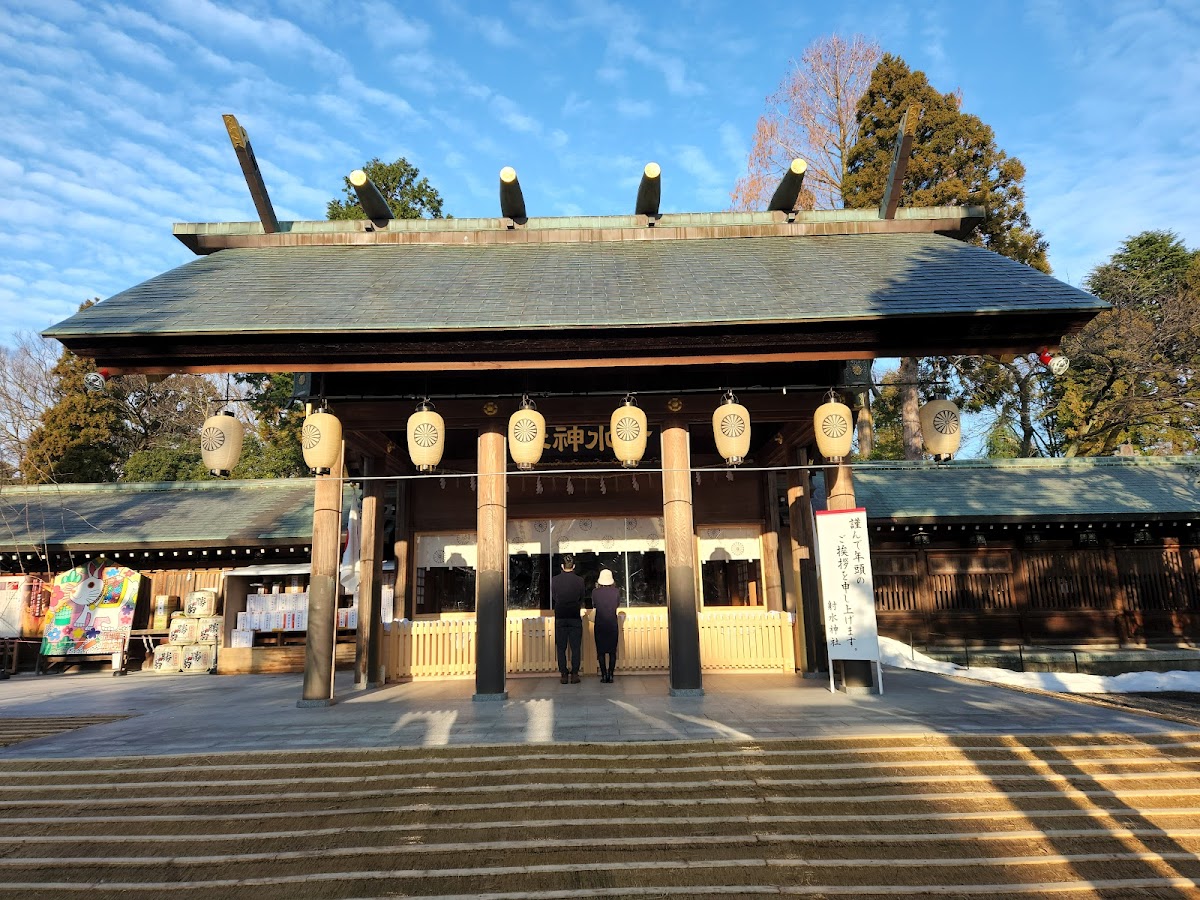
The shrine buildings, rebuilt in 1716 (Kyoho 1), still retain the characteristics of shrine architecture from the mid-Edo period. As befits a shrine of Hakusan faith, the grounds exude a pure atmosphere, enveloped in a tranquil ambiance despite being located in an urban area.
Proximity to the Railway
One of the unique features of Oki Hakusan Shrine is that the Ainokaze Toyama Railway line runs right next to the shrine grounds. This unusual sight of a shrine so close to modern transportation speaks to the history of Takaoka’s urban development. You may even hear the sound of trains passing by during your visit, creating a unique atmosphere where old-world Japan coexists with modernity.
Shrine Office and Amulet Shop
The shrine office is located to the left of the main hall, where goshuin (shrine stamps) and various amulets are available. If the priest is absent, you can be assisted at the office further to the left.
Goshuin and Amulet Information
About Goshuin
Goshuin are available at Oki Hakusan Shrine. In some cases, they will write the goshuin directly into your goshuin book, rather than providing a pre-printed one. You can receive a goshuin as a memento of your visit and as proof of your connection to the shrine.
Those wishing to receive a Goshuin (temple/shrine stamp) should speak to the shrine office after their visit. Since the priest may be absent, it is recommended to check the visiting hours in advance to ensure you receive a Goshuin.
Goshuin of Concurrent Shrines
Oki Hakusan Shrine also serves the following two shrines:
- Takaoka Shinmei Shrine
- Takaoka Gokoku Shrine
Goshuin for these shrines can also be obtained at Oki Hakusan Shrine. Based on the philosophy of aiming for peace throughout the land through widespread faith in the gods, the shrine, combined with Hakusan faith, continues to protect the local faith.
Items Offered
Oki Hakusan Shrine offers various items such as amulets and talismans. Items are available to suit the wishes of visitors, including amulets for vitality based on Hakusan faith, and amulets for industrial prosperity, reflecting the shrine’s connection to the Maeda family.
Access and Visiting Information
Location
Address: 597 Daiku-nakamachi, Takaoka City, Toyama Prefecture
Access by Train
Nearest Station: Ainokaze Toyama Railway “Takaoka Station”
The shrine is approximately a 7-10 minute walk from Takaoka Station. After exiting the station, walk approximately 500 meters west to reach the shrine. It is very close to the station and easily accessible.
Access by Car
Approximately 10 minutes from the Nōetsu Expressway “Takaoka IC”. Please check with the shrine office regarding parking upon arrival.
Visiting Hours
While visiting the shrine grounds is generally free, those wishing to receive a Goshuin (shrine stamp) or other items must visit during the shrine office’s operating hours. To ensure you receive the service, it is recommended to call in advance.
Nearby Attractions
Historical Walks in Takaoka City
Ōki Hakusan Shrine is located in the heart of Takaoka City, and there are many historical sites in the surrounding area.
Takaoka Castle Ruins (Takaoka Old Castle Park)
The site of Takaoka Castle, built by Lord Maeda Toshinaga. Currently developed as a park, it’s also known as a famous cherry blossom viewing spot. A stroll through the area, feeling the historical connection to Oki Hakusan Shrine, is highly recommended.
Yamamachi-suji Streetscape
A designated Important Preservation District for Groups of Traditional Buildings, lined with traditional merchant houses of Takaoka. It preserves the atmosphere of Takaoka as a commercial city since the Edo period.
Takaoka Great Buddha
The Takaoka Great Buddha is one of Japan’s three great Buddha statues. Completed in 1933, this bronze seated statue of Amida Buddha showcases the pinnacle of Takaoka’s copperware industry technology.
Nearby Shrines and Temples
There are many other shrines and temples within Takaoka City. When visiting Oki Hakusan Shrine, you can also enjoy visiting the surrounding temples and shrines.
- Imizu Shrine: The Ichinomiya (first-ranked shrine) of Etchu Province, located within Takaoka Old Castle Park.
- Zuiryuji Temple: A renowned Soto Zen temple with a nationally designated temple complex.
- Sekino Shrine: The guardian shrine of the Seki district in Takaoka City.
Annual Events
At Oki Hakusan Shrine, various Shinto rituals are performed throughout the year. As the guardian shrine of the region, seasonal festivals are important events for the local residents.
Main Annual Events
New Year’s Day Festival: A festival to welcome the new year and pray for peace throughout the year.
Spring Grand Festival: A festival to pray for a bountiful harvest and the prosperity of the parishioners as spring arrives.
Summer Purification Ceremony: A Shinto ritual to purify oneself of sins and impurities accumulated over the past six months.
Autumn Grand Festival: The most important festival to give thanks for the autumn harvest and pray for the prosperity of the community.
Year-End Purification Ceremony: A Shinto ritual to purify oneself of sins and impurities accumulated over the past year and prepare for the new year.
For detailed dates, please check the shrine’s official website or contact the shrine office.
Manners and Etiquette for Visiting a Shrine
Basic Shrine Visit Etiquette
We will introduce basic shrine visit etiquette.
1. Bowing at the Torii Gate
Before entering the sacred area, bow before the torii gate. This is an important gesture to show respect to the gods.
2. How to Walk Along the Shrine Path
The center of the path is considered the path of the gods, so it is polite to walk along the sides.
3. How to Perform the Hand-Washing Ritual
Purify your body and mind at the hand-washing basin. Hold the ladle in your right hand and wash your left hand, then switch to your left hand and wash your right hand, then switch back to your right hand, receive water in your left hand, and rinse your mouth. Finally, stand the ladle upright and cleanse the handle.
4. Worship at the Main Hall
The basic ritual is two bows, two claps, and one bow. Bow deeply twice, clap twice, and finally bow deeply once.
Mindset During Worship
Visiting a shrine is a precious time to escape the hustle and bustle of everyday life, quiet your mind, and face the gods. Remember to be grateful and worship with a humble heart. Before making a request, it is important to first express your gratitude for everyday blessings.
The Charm of Oki Hakusan Shrine
A Tranquil Space Remaining in an Urban Area
Located in an urban area within walking distance of Takaoka Station, stepping onto the shrine grounds reveals a tranquil atmosphere. It is a beloved place for locals to escape the hustle and bustle of modern life and find peace of mind.
History Associated with the Maeda Family
The history of Oki Hakusan Shrine, revered as a place of prayer by the Maeda family of the Kaga Domain, is one of its greatest charms. The story of Lord Maeda Toshinaga praying for industrial prosperity and the peace of his people resonates with worshippers seeking industrial success and business prosperity even today.
A Center of Hakusan Faith
Revering the sacred Mount Hakusan as its divine mountain, and enshrining the ancestral deity of life, Oki Hakusan Shrine is an important center of Hakusan faith in Toyama Prefecture. It plays a vital role in the network of Hakusan faith, with Hakusan Hime Shrine in Ishikawa Prefecture as its main shrine.
A Guardian Shrine Rooted in the Community
Oki Hakusan Shrine, the guardian shrine of the Takaoka Shimonoseki area, has long been an integral part of the lives of the local people. Through annual events and festivals, it also plays a role in strengthening the bonds of the local community.
Summary
Oki Hakusan Shrine is a historic shrine located in Takaoka City, Toyama Prefecture. It is connected to the lineage of Hakusan worship and has a history of being revered as a place of prayer by the Maeda family. Even today, it is cherished by the local people as the guardian shrine of the Takaoka Shimonoseki area.
With its convenient access within walking distance of Takaoka Station, its tranquil atmosphere despite being in an urban area, and the diverse divine blessings of its five deities, it is a shrine with many attractions. You can also receive a Goshuin (shrine stamp), making it a recommended spot for those who enjoy visiting shrines.
When you visit Takaoka, be sure to pay your respects at Oki Hakusan Shrine and experience the peaceful atmosphere of this shrine with over 300 years of history. You will be able to forget the hustle and bustle of everyday life and spend a precious time to calm your mind.
Frequently Asked Questions (FAQ)
Q1: When can I get a Goshuin (temple/shrine stamp) at Oki Hakusan Shrine?
A1: Goshuin are available at Oki Hakusan Shrine, but the priest may not always be present. If you want to be sure to receive a Goshuin, we recommend calling ahead to confirm the visiting hours. The shrine office is located to the left of the main hall.
Q2: How do I get to Oki Hakusan Shrine?
A2: The nearest station is Takaoka Station on the Ainokaze Toyama Railway, and it’s about a 7-10 minute walk from the station (approximately 500 meters west). By car, it’s about 10 minutes from the Takaoka Interchange on the Nōetsu Expressway. Please inquire at the shrine office regarding parking.
Q3: Please tell me about the deities and blessings of Oki Hakusan Shrine.
A3: The deities enshrined are five gods: Kukurihime-no-Mikoto (Hakusan Hime-no-Okami), Izanagi-no-Okami, Izanami-no-Okami, Mizuhano-no-Megami, and Himusubi-no-Kami. The shrine offers a variety of blessings, including matchmaking, marital harmony, family safety, industrial prosperity, business success, abundant harvests, protection from water disasters, protection from fire, safe childbirth, and child-rearing.
Q4: When was Oki Hakusan Shrine founded?
A4: The exact founding date is uncertain, but it is said to have been established in ancient times, when a divided spirit was brought from Hakusan Hime Shrine. An old map from the Edo period, Meiwa 8 (1771), shows it as “Oki Shrine,” and records indicate that the current shrine building was rebuilt in Kyoho 1 (1716).
Q5: Are there any other shrines that are managed by Oki Hakusan Shrine?
A5: Oki Hakusan Shrine is managed by two other shrines: Takaoka Shinmei Shrine and Takaoka Gokoku Shrine. You can also obtain the Goshuin (seal stamps) for these shrines at Oki Hakusan Shrine. Please inquire at the shrine office if you wish to receive a Goshuin.
Q6: Please explain the relationship between Lord Maeda Toshinaga and Oki Hakusan Shrine.
A6: When Lord Maeda Toshinaga, the second lord of the Kaga Domain, resided at Takaoka Castle, Oki Hakusan Shrine was counted as one of the “Five Shrines for Prayer” and was called “Oki Hakusan-gu.” Records show that Lord Toshinaga visited the shrine to pray for industrial prosperity and the peace of his people, and that the Maeda family bestowed repair funds upon the shrine.
Q7: Are there any other tourist spots around Oki Hakusan Shrine?
A7: Located in the heart of Takaoka City, the shrine is surrounded by many tourist attractions, including the Takaoka Castle Ruins (Takaoka Old Castle Park), the traditional townscape of Yamamachi-suji, the Takaoka Great Buddha, Imizu Shrine, and the national treasure Zuiryuji Temple. After visiting Oki Hakusan Shrine, you can enjoy exploring Takaoka’s history.
Q8: Please tell me about the annual events at Oki Hakusan Shrine.
A8: Various Shinto rituals are held throughout the year, including the New Year’s Day Festival, the Spring Grand Festival, the Summer Purification Ceremony, the Autumn Grand Festival, and the Year-End Purification Ceremony. Please check the shrine’s official website or contact the shrine office for detailed schedules. As the guardian shrine of the region, the seasonal festivals are important events for the local residents.