Complete Guide to Daijingu Shrine (Kofu City, Yamanashi Prefecture) | History, Highlights, and Access Information for the Setsubun Festival
The Daijingu Festival, held annually on February 3rd (Setsubun) in Kofu City, Yamanashi Prefecture, is affectionately known as “Daijin-san” by locals and boasts a history of over 200 years as a traditional event that heralds the arrival of spring in the Kofu Basin. This article provides detailed information you should know before visiting, including the charm, history, highlights, and access methods of the Daijingu Festival, focusing on Yanagimachi Daijingu and Yokokinju Daijingu.
What is the Daijingu Festival? A Traditional Event that Colors Kofu’s Setsubun
The Daijingu Festival is a traditional festival held annually on February 3rd (Setsubun) in the central area of Kofu City. This festival, which has continued since the Bunsei era of the Edo period (1818-1830), is an important annual event where people pray for the prosperity of local businesses and the safety of their families. It attracts many worshippers not only from the local area but also from within and outside the prefecture.
Why it’s called “Daijin-san”
Locally, the “Daijingu Festival” is affectionately called “Daijin-san.” This name has been used since the Edo period, and for the people of Kofu, Setsubun (the day before the beginning of spring) is synonymous with “Daijin-san,” making it a deeply ingrained event in their lives. The lively atmosphere of the festival, which continues from evening until late at night, is a characteristic sight that brings energy to winter in Kofu.
A festival that heralds spring in the Kofu Basin
The Daijingu Festival is known as “a festival that heralds the arrival of spring in the Kofu Basin.” Setsubun marks the transition from winter to spring on the calendar, and the Daijingu Festival, held on this day, celebrates the end of the long winter and the beginning of a new season. The sight of Kofu city center, enveloped in the lingering chill of early February, enveloped in the excitement of the festival is truly breathtaking.
Yanagimachi Grand Shrine: The central shrine of the festival
History and Origins of Yanagimachi Grand Shrine
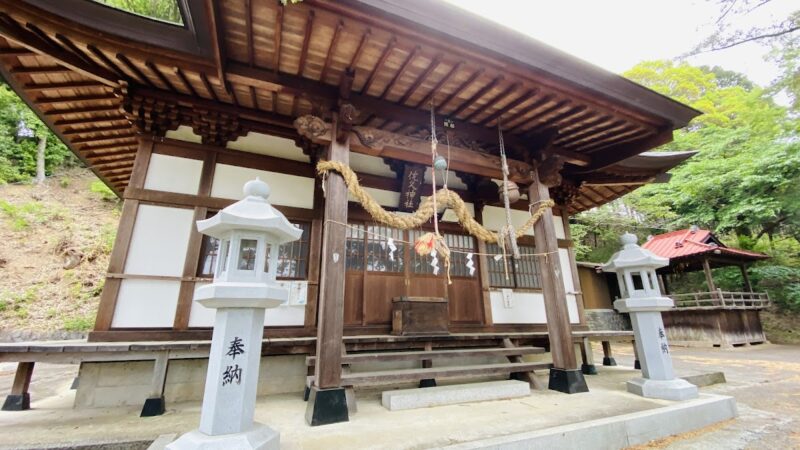
Yanagimachi Grand Shrine is located in Yanagimachi, the central district of Kofu city, and enshrines Amaterasu Omikami as its main deity. Since the time of Kofu Yanagimachi-juku, a post town on the Koshu Kaido road, it has attracted the faith of merchants and travelers. During the Edo period, as Ise worship became popular and it was difficult for local people to visit Ise Grand Shrine, Yanagimachi Grand Shrine, which enshrines Amaterasu Omikami locally, became an important place of worship.
Setsubun Festival at Yanagimachi Grand Shrine
At Yanagimachi Grand Shrine, a grand bean-throwing ceremony is held on Setsubun day. Many worshippers gather on the shrine grounds, receiving beans in the hope of receiving good fortune. The shrine grounds become extremely lively from evening to night, with people seeking blessings for business prosperity, family safety, and protection from evil.
In recent years, the festival was scaled down due to the impact of the COVID-19 pandemic, but in 2023, it was held on its original scale for the first time in three years, attracting many visitors. The local Chamber of Commerce also supports the festival, and a system is in place to enliven the entire community.
Yokokinju Daijingu: Another Important Rituals
Characteristics of Yokokinju Daijingu
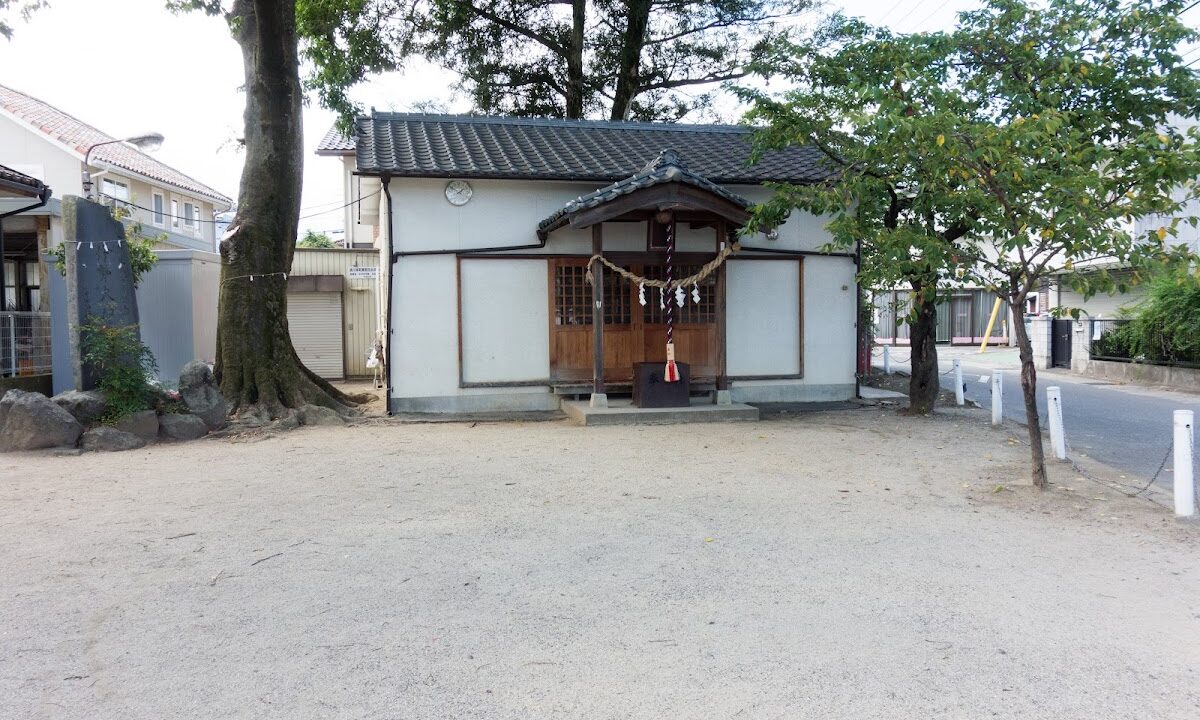
Yokokinju Daijingu is a shrine that enshrines Toyouke-no-Okami as its main deity. Along with Yanagimachi Daijingu, it plays a central role in the Daijingu Festival, and numerous stalls line the road connecting the two shrines. The place name Yokokinju is a historical area name derived from the town layout of Kofu Castle town.
Visiting the Two Grand Shrines
One of the characteristics of the Grand Shrine Festival is the custom of visiting both Yanagimachi Grand Shrine and Yokochikajū Grand Shrine. Amaterasu Ōmikami and Toyouke Ōmikami are also the deities enshrined at the Inner and Outer Shrines of Ise Grand Shrine, and it is believed that visiting both brings greater blessings. Many visitors enjoy the street stalls while visiting both shrines, making it a popular route.
Highlights and Ways to Enjoy the Grand Shrine Festival
The Excitement of the Bean-Throwing Ceremony
The biggest highlight of the Grand Shrine Festival is the bean-throwing ceremony held at both shrines. Many people gather to receive the beans thrown with the chant of “Fortune in, demons out!” The bean-throwing ceremony takes place multiple times from evening to night, and each time the shrine grounds are filled with excitement. Besides beans, lucky charms and small sweets are sometimes thrown, making it an event enjoyable for both children and adults.
Event Stalls and Lucky Charms
Along the road connecting Yanagimachi Grand Shrine and Yokokinjū Grand Shrine, numerous stalls line the street. A wide variety of shops offer everything from traditional lucky charms like Daruma dolls and Kumade (bamboo rakes) to Kirizanshō (a traditional Yamanashi prefecture amulet for warding off evil), candy, and food.
Particularly popular are Kumade, purchased to pray for business prosperity in the new year. They come in various sizes and with elaborate decorations, and there’s a custom of shop owners and business managers buying slightly larger Kumade each year (“Kumade Kaimasu”). Daruma dolls are also purchased with wishes for family safety and achieving goals.
The Tradition of Kirizanshō
Kirizanshō (sliced sanshō) is a lucky charm unique to Yamanashi Prefecture. It’s a rice flour confection mixed with sanshō powder, cut into long, thin strips, and is believed to have the effect of warding off evil and misfortune. At the Omiya Festival, many stalls sell shredded sansho pepper, which worshippers purchase to pray for the health and safety of their families. Characterized by its unique spiciness and sweetness, it offers a taste of Yamanashi’s tradition.
Lively Atmosphere from Evening to Late at Night
A characteristic of the Omiya Festival is that the festivities begin in earnest in the evening and continue late into the night. It is most crowded during the time when people can easily stop by on their way home from work, and even after 8 or 9 pm, it remains overflowing with worshippers. The lanterns and stall lights illuminating the night streets of Kofu create a magical atmosphere.
History and Cultural Background of the Omiya Festival
Tradition from the Edo Period
The origins of the Omiya Festival date back to the Bunsei era (1818-1830) of the Edo period. At that time, Kofu flourished as an important post town on the Koshu Kaido road, and commercial activity was thriving. With the spread of Ise faith, a Grand Shrine dedicated to the deities of Ise Grand Shrine was built locally, and the custom of holding a festival on Setsubun (the day before the beginning of spring) became established.
This festival, which has continued for over 200 years, has been passed down without interruption, even through wars, disasters, and social changes. It is deeply rooted in Kofu’s history and culture, serving as a place to strengthen community bonds and pray for commercial development.
Commercial City Kofu and the Grand Shrine Festival
Kofu has developed as the commercial and administrative center of Yamanashi Prefecture from the Edo period through the Meiji, Taisho, and Showa eras. The Grand Shrine Festival was an important opportunity for merchants to pray for business prosperity throughout the year, and at the same time, a place to predict the economic outlook for the new year. The level of liveliness of the festival was thought to reflect the economic situation of that year.
Even today, local shopping districts and businesses support the festival, and it is positioned as an event that contributes to the revitalization of the local economy. The Kofu Chamber of Commerce and Industry and other organizations are actively involved, preserving tradition while passing on the festival in a way that suits modern times.
Setsubun Belief and Local Culture
Setsubun is an annual event celebrated throughout Japan, but each region has its own unique characteristics. The Kofu Grand Shrine Festival has a unique form, combining Ise faith with Setsubun rituals. It’s characterized by a form of faith that seeks more comprehensive good fortune through worship of Amaterasu Omikami and Toyouke Omikami, in addition to warding off evil through bean-throwing.
Furthermore, the geographical conditions of the Kofu Basin also influence the nature of the festival. The meaning of celebrating the transition from the harsh winters characteristic of the basin to spring is emphasized, and the aspect of it being a “festival announcing spring” has been given importance.
Grand Shrine Festival Information
Date and Time
The Grand Shrine Festival is held annually on Setsubun, February 3rd. It generally starts in the afternoon and continues from evening until late at night. Since the main rituals, such as bean-throwing, often take place in the evening, it’s recommended to visit from evening to night. The festival is scheduled to be held on Monday, February 3rd, 2025. However, the content may change due to weather or social conditions, so we recommend checking the latest information before visiting.
Location and Access
Yanagimachi Grand Shrine
- Address: 1-chome, Chuo, Kofu City, Yamanashi Prefecture (around Yanagimachi)
- Access: Approximately 10 minutes on foot from JR Kofu Station
Yokochinju Grand Shrine
- Address: Chuo, Kofu City, Yamanashi Prefecture (around Yokochinju-cho)
- Access: A few minutes on foot from Yanagimachi Grand Shrine
Both shrines are located in the central area of Kofu City and are within walking distance of JR Kofu Station. Using public transportation is convenient, but if you are coming by car, you will need to use nearby paid parking lots. It will be crowded on the day of the festival, so we recommend arriving early.
Parking Information
There is no dedicated parking lot for the Grand Shrine Festival, but there are several coin-operated parking lots in the central area of Kofu City. However, due to the large number of visitors on the day of the festival, parking lots are likely to be full. If possible, we recommend using public transportation.
There are also parking lots around JR Kofu Station, so parking your car at the station and walking to the venue is another option.
Tips for Enjoying the Omiya Festival
Take Thorough Cold Weather Precautions
February 3rd in Kofu is a time of severe winter cold. Temperatures drop especially at night, so proper cold weather gear is essential. Wear a coat, gloves, and a scarf to ensure you’ll be comfortable even if you’re outdoors for extended periods. Buying warm food and drinks from the stalls is also recommended.
Timing to Avoid Crowds
The Omiya Festival is most crowded from evening to night. Those who want to visit at a leisurely pace should come in the early afternoon. However, major events such as the bean-throwing ceremony take place in the evening, so be prepared for crowds if you want to see them.
Timing for Purchasing Lucky Charms
Lucky charms such as Daruma dolls and Kumade (rakes) are more abundant earlier in the day. Popular sizes and designs may sell out quickly. On the other hand, you may be able to negotiate prices late at night, so it’s a good idea to consider the timing of your purchase according to your budget.
Enjoy Local Cuisine
Stalls sell Yamanashi Prefecture’s specialties and local cuisine. Besides Kirizansho pepper, there are stalls where you can enjoy Yamanashi’s unique flavors, such as Hoto noodles and Kofu chicken giblet stew. Enjoy the local food culture along with the festival atmosphere.
Nearby Tourist Spots
Around Kofu Station
If you want to enjoy sightseeing in Kofu before or after the Grand Shrine Festival, there are many sights to see around Kofu Station. Popular attractions include the statue of Takeda Shingen, Koshu Yume Koji (a retro-style shopping complex), and the Yamanashi Prefectural Museum of Art.
Shosenkyo Gorge
Located in the northern part of Kofu City, Shosenkyo Gorge is a tourist destination boasting some of the most beautiful gorges in Japan. If you visit in conjunction with the Grand Shrine Festival, the winter scenery is also beautiful, and you may even see frozen waterfalls and snowscapes. However, February is very cold, so warm clothing and appropriate safety equipment are necessary.
Takeda Shrine
Takeda Shrine, dedicated to Lord Takeda Shingen, is another representative tourist spot in Kofu. Like the Daijingu Festival, it is believed to bring good fortune and victory, attracting many worshippers. It is accessible by bus from Kofu Station.
The Modern Significance of the Daijingu Festival
A Place to Deepen Community Bonds
The Daijingu Festival continues to play an important role in strengthening community ties even in modern times. Once a year, many residents gather together, sharing a common cultural experience that fosters a sense of belonging to the region. For younger generations in particular, it is a valuable opportunity to learn about the region’s history and traditions.
Value as a Tourism Resource
Yamanashi Prefecture and Kofu City position the Daijingu Festival as an important tourism resource. Information is actively disseminated through official websites such as the Fuji no Kuni Yamanashi Tourism Network, making it an event that attracts many tourists from both within and outside the prefecture. It successfully balances the preservation of traditional culture with the promotion of tourism.
Inheriting Tradition and Innovation
The Omiya Festival, with its history spanning over 200 years, has also gradually evolved to adapt to the times. In response to the COVID-19 pandemic, efforts were made to continue the festival while implementing infection control measures. This flexible approach to modern challenges, while preserving tradition, enhances the festival’s sustainability.
Summary: Experience Kofu’s Traditional Culture at the Omiya Festival
The Omiya Festival in Kofu City, Yamanashi Prefecture, is a traditional Setsubun (bean-throwing festival) event that has continued for over 200 years since the Edo period. Centered around Yanagimachi Omiya and Yokokinju Omiya, the lively festival, featuring bean-throwing, sales of lucky charms, and numerous stalls, is a beloved symbol of spring in the Kofu Basin.
The Omiya Festival, bustling from evening until late at night with worshippers praying for business prosperity and family safety, offers a valuable opportunity to experience the region’s history and culture firsthand. Enjoy the atmosphere of a traditional Japanese festival while savoring auspicious items such as Daruma dolls and Kumade rakes, Yamanashi’s unique Kirizansho peppers, and local cuisine.
On Setsubun (February 3rd), be sure to visit Kofu City and experience the Ogami Shrine Festival, affectionately known as “Ogami-san.” It will be a special day where you can feel the warmth and enthusiasm of the people even in the cold.