Onsen Kumano Shrine (Shimabara City, Nagasaki Prefecture) Complete Guide | History, Deities, and Access Information
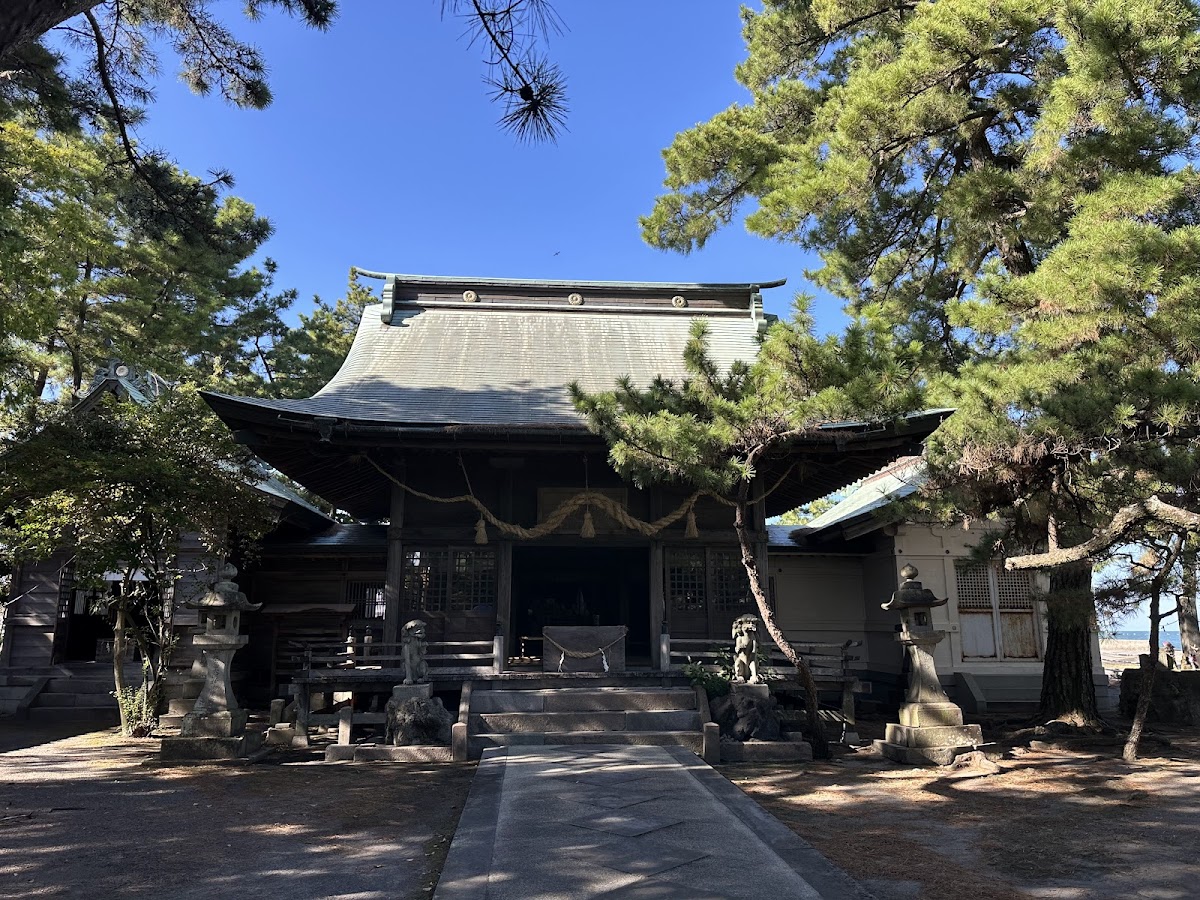
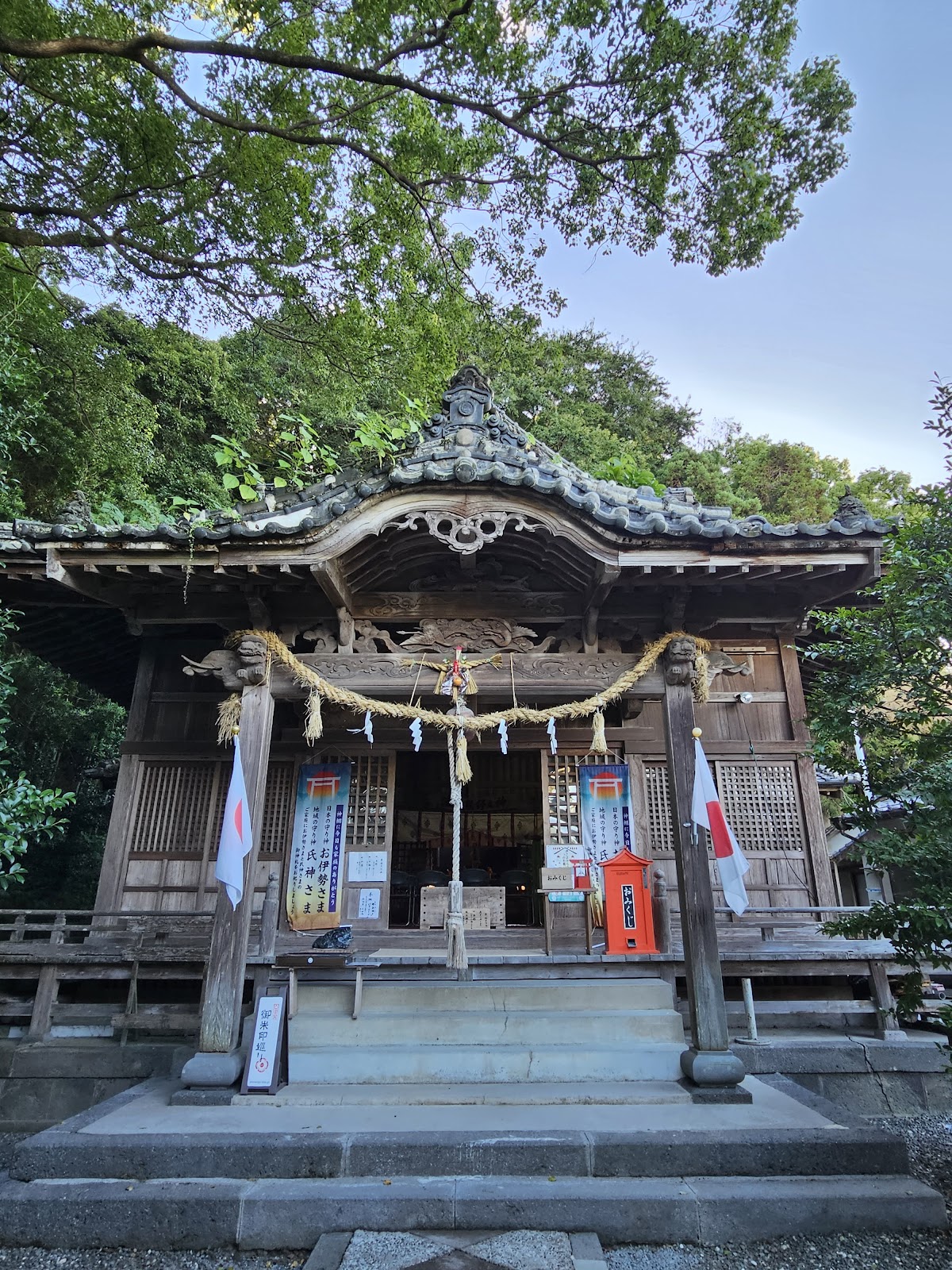
Onsen Kumano Shrine, quietly nestled in Sugiyama-cho, Shimabara City, Nagasaki Prefecture, is a shrine long cherished by the local community. Surrounded by the beautiful nature of the Shimabara Peninsula, this shrine boasts a superb location overlooking Mount Fugen, offering tranquility and healing to visitors. This article provides a detailed introduction to Onsen Kumano Shrine, including its history, enshrined deities, highlights within the grounds, and access information.
Basic Information on Onsen Kumano Shrine
Onsen Kumano Shrine is located at 502-ko, Sugiyama-cho, Shimabara City, Nagasaki Prefecture. Its former shrine rank was Village Shrine. Its corporate number is 7310005005436, assigned on October 5, 2015.
Location and Contact Information
- Address: 502-5, Sugiyama-cho, Shimabara City, Nagasaki Prefecture 855-0068
- Postal Code: 855-0068
- Former Shrine Rank: Village Shrine
- Corporate Number: 7310005005436
Deities Enshrined
According to records of the Nagasaki Prefectural Shrine Association, Onsen Kumano Shrine enshrines Shirahiwake-no-mikoto as its principal deity, along with a total of nine other deities.
A stone monument on the shrine grounds is inscribed with “Onsen Kumano Sanbashira Okami” (Three Great Deities of Onsen Kumano), and the names of “Kunidama Shrine” and “Fugen Shrine” can be seen to the left and right. These are important pieces of evidence that tell the history of local faith.
History and Origins of Onsen Kumano Shrine
History as a Village Shrine
Onsen Kumano Shrine, as a former village shrine, played a central role in the local community of Sugiyama-cho, Shimabara City. A village shrine is a shrine designated as the guardian shrine of a village under the Meiji era’s shrine ranking system.
The first torii gate is inscribed with “Imperial Era 2600th Year,” indicating that it was erected in 1940 (Showa 15). This period was a time of great transformation in Japan, and it speaks to the deep faith of the local people.
Connection to Kumano Faith
The name “Kumano Shrine” indicates that it was established through the enshrinement of deities from the Kumano Sanzan shrines in Kii Province (present-day Wakayama Prefecture). Kumano faith spread throughout Japan from the Heian period onward, and many Kumano shrines were founded in various locations.
While there are several Kumano shrines in Nagasaki Prefecture, the name “Onsen Kumano Shrine” is rare nationwide, reflecting the unique characteristics of the Shimabara Peninsula’s hot spring area.
Onsen Faith and the Shimabara Peninsula
There are several shrines on the Shimabara Peninsula whose names are pronounced “Unzen” (温泉). The Yamada Onsen Shrine in Azuma-cho, Unzen City, the Chisenishi Onsen Shrine in Chijiwa-cho, the Arie Onsen Shrine in Arie-cho, Minamishimabara City, and the Isahaya Onsen Shrine in Isahaya City are believed to have been founded as branch shrines of the Onsen Shrine located on Mount Unzen.
These are called “Onsen Shimenshin” or “Onsen Shimen Daimyojin,” and have been affectionately known locally as “Oshimen-san.” The Onsen Kumano Shrine may also be deeply connected to the onsen (hot spring) faith of this region.
Highlights of the Shrine Grounds
Approach and Torii Gate
From the north gate of National Route 251, proceed approximately 600 meters towards the mountain along the vertical road. Turn right at the intersection, and you will immediately see a narrow road and the first torii gate. The approach, starting from this first torii gate, passes through a quiet residential area and gradually leads you to the sacred grounds.
The first torii gate, erected in 1940 (Showa 15), has a history of over 80 years and is a valuable cultural asset that conveys the history of faith of the local people. ### Shrine and Subsidiary Shrines
As you proceed along the path leading to the main shrine, you will come across the shrine dedicated to the three deities of Onsen Kumano. Within the grounds are also the Kunidama Shrine and the Fugen Shrine, whose names are inscribed on stone monuments.
The name Fugen Shrine suggests a connection to Mount Fugen, a sacred mountain representative of the Shimabara Peninsula. Mount Fugen has been an object of worship since ancient times and holds a special place in the hearts of the local people.
View
From the grounds of Onsen Kumano Shrine, you can see Mount Fugen directly ahead and Mount Mayuyama to the left. To the east of Mount Fugen, the calm waters of Isahaya Bay unfold, offering a superb panoramic view of the beautiful natural scenery of the Shimabara Peninsula.
Records indicate that on July 13, 1960, some kind of designation was made by the Nagasaki Prefectural Board of Education and the Shimabara City Board of Education, suggesting recognition of this landscape and its historical value.
View ## Access Information
Access by Train
- Approximately 22 minutes on foot (approx. 1.7 km) from Shimabara Railway Mikai Station
- Approximately 24 minutes on foot (approx. 1.9 km) from Shimabara Railway Shimabara Station
Access by Bus
- Approximately 3 minutes on foot (approx. 207 m) from Kumano Shrine Mae Bus Stop
If using the bus, the nearest bus stop is very close, making it easily accessible.
Access by Car
From National Route 251, proceed approximately 600 meters uphill along the road to the north gate. Turn right at the intersection to find the road leading to the shrine. Since it is located in a residential area, please drive with caution.
Parking
It is recommended to check in advance whether there is parking space on the shrine grounds. Since it is located in a residential area, please avoid street parking and be considerate of the local residents.
Attractions Around Onsen Kumano Shrine
Historical Spots in Shimabara City
Shimabara City, where Onsen Kumano Shrine is located, is a region rich in history and culture. There are many tourist attractions, including Shimabara Castle, samurai residences, and a spring-fed garden.
Mount Fugen and Unzen Onsen
Mount Fugen, visible from the shrine, is a peak of Mount Unzen and is known for its volcanic activity in the 1990s. Unzen Onsen is one of Japan’s leading hot spring resorts, attracting many tourists.
Nature of the Shimabara Peninsula
The Shimabara Peninsula is a region rich in nature, surrounded by beautiful coastlines and mountains. You can enjoy diverse natural environments, such as the calm waters of Isahaya Bay and the tidal flats of the Ariake Sea.
Manners and Precautions for Visiting a Shrine
Basic Worship Etiquette
- Bow before passing through the torii gate.
- Avoid walking in the center of the path.
- Cleanse your hands and mouth at the water basin.
- Bow twice, clap twice, and bow once in front of the main hall.
Regarding Photography
Photography is generally permitted on the shrine grounds, but please refrain from taking pictures inside the main hall or in sacred areas. Also, please be considerate of other worshippers.
Maintaining a Quiet Environment
Since Onsen Kumano Shrine is located in a residential area, please avoid loud conversations and noise, and worship quietly. Consideration for local residents is important.
Visiting Kumano Shrines in Nagasaki Prefecture
Other Kumano Shrines in Nagasaki Prefecture
Besides Onsen Kumano Shrine, there are other Kumano Shrines in Nagasaki Prefecture. The Kumano Shrine in Nomomachi, Nagasaki City, has a long history, dating back to the Heian period when a fisherman couple from Kumano drifted ashore and enshrined the deity in 658 AD (the 4th year of Empress Saimei’s reign).
Spread of Kumano Faith
Numerous Kumano Shrines exist throughout Japan, and the “Onsen Kumano Shrine” is a rare and unique shrine, being the only one of its kind in the country. It ranks 4166th in the national ranking of shrines.
Shrine Culture in Shimabara City
Community-Based Faith
Besides the Onsen Kumano Shrine, Shimabara City has many other shrines, each functioning as a center of the local community. These shrines are important for conveying the history and culture of the region to the present day.
Festivals and Annual Events
Many shrines hold various festivals and events throughout the year. The Onsen Kumano Shrine may also hold festivals organized by the local community. Checking local event information before your visit will allow for a deeper experience.
Points to Note When Visiting Onsen Kumano Shrine
Best Time to Visit
Shimabara City boasts beauty throughout the seasons, but the fresh greenery of spring and the vibrant autumn foliage are particularly beautiful, offering stunning views of Mount Fugen. Remember to take precautions against the heat in summer and warm clothing in winter.
Time Required
While visiting the shrine itself takes about 15-30 minutes, allow about an hour if you want to enjoy the surrounding scenery and take a leisurely stroll.
Combined Sightseeing
It’s recommended to combine your visit with other sightseeing spots in Shimabara City. Planning a route that includes Shimabara Castle, samurai residences, and spring gardens will make for a more fulfilling trip.
Shrine Visits in the Digital Age
Utilizing QR Codes and 2D Barcodes
In modern times, it’s easy to obtain information about shrines using smartphones. Scanning QR codes or 2D barcodes may provide access to detailed information and maps of the shrine.
Checking the shrine’s location on your smartphone before your visit and using navigation apps like Google Maps will ensure a smoother experience.
Utilizing Online Information
Basic information about Onsen Kumano Shrine can be found on the Nagasaki Prefectural Shrine Association website and a database site that aggregates information on shrines nationwide. We recommend checking these sources before your visit.
References and Information Sources
Information about Onsen Kumano Shrine can be gathered from the following sources:
- Nagasaki Prefectural Shrine Association: Provides official information on shrines within the prefecture.
- Shimabara City Board of Education: Information on local cultural properties and historical buildings.
- National Kumano Shrine Pilgrimage Record: A website comprehensively introducing Kumano shrines nationwide.
- Shrine Database Site: A service that allows you to search for basic information on shrines nationwide.
By utilizing these information sources, you can gain a deeper understanding of Onsen Kumano Shrine.
Summary
Onsen Kumano Shrine in Shimabara City, Nagasaki Prefecture, is a locally rooted shrine located in a beautiful location overlooking Mount Fugen. It has a history as a former village shrine and enshrines nine deities, with Shirahiwake-no-Mikoto as the main deity.
The name “Onsen Kumano Shrine” is unique in Japan, reflecting the distinctive culture of the Shimabara Peninsula, where hot spring worship and Kumano worship have merged. From the shrine grounds, you can enjoy beautiful views of Mount Fugen and Isahaya Bay, and find peace of mind in a tranquil environment.
When visiting Shimabara City, be sure to visit Onsen Kumano Shrine. A visit to this historic shrine will deepen your travel memories. It’s also relatively easy to access, located just a 3-minute walk from the bus stop, making it easily accessible for tourists.
Why not experience the history, nature, and culture of faith of the Shimabara Peninsula at Onsen Kumano Shrine, a place long cherished by the local people?